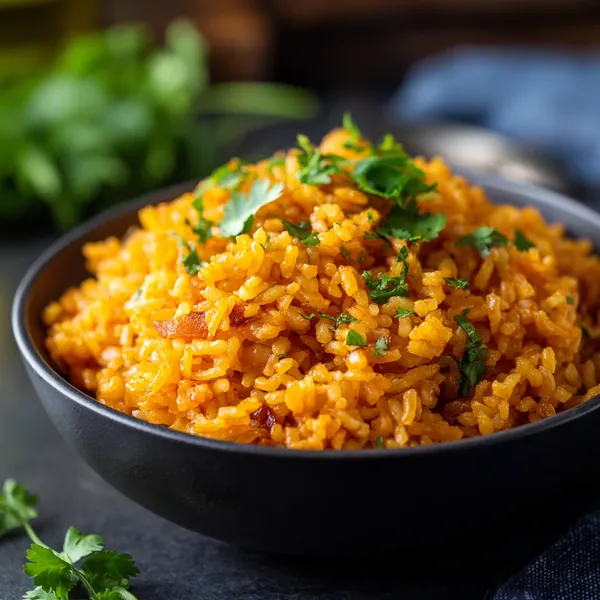
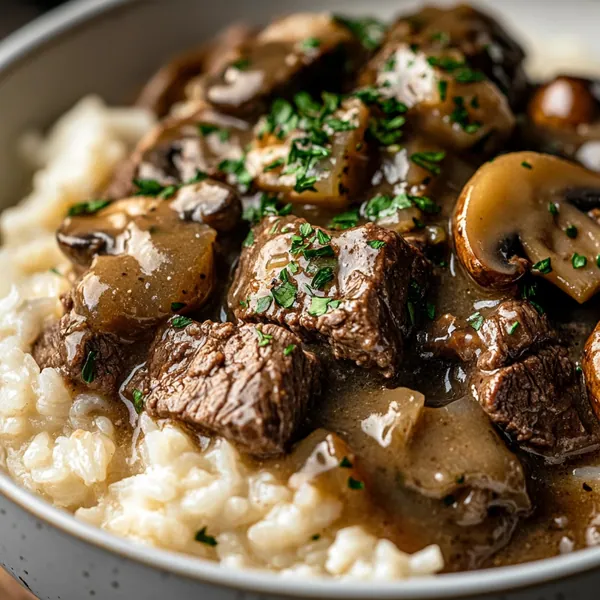
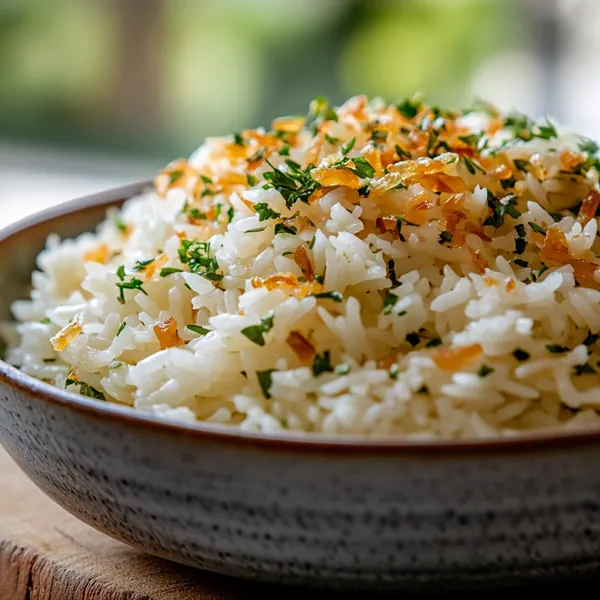
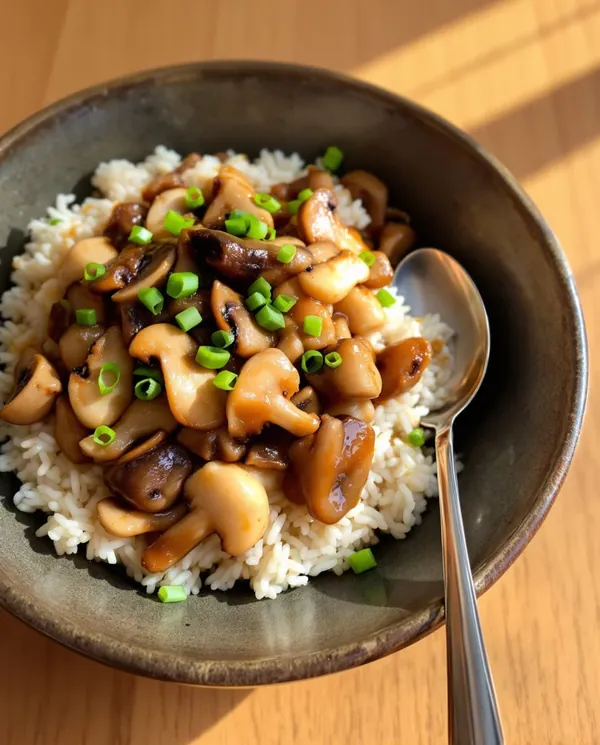
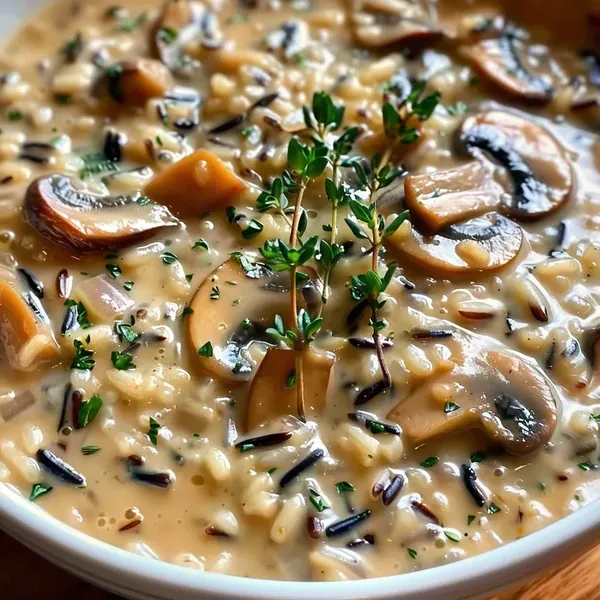
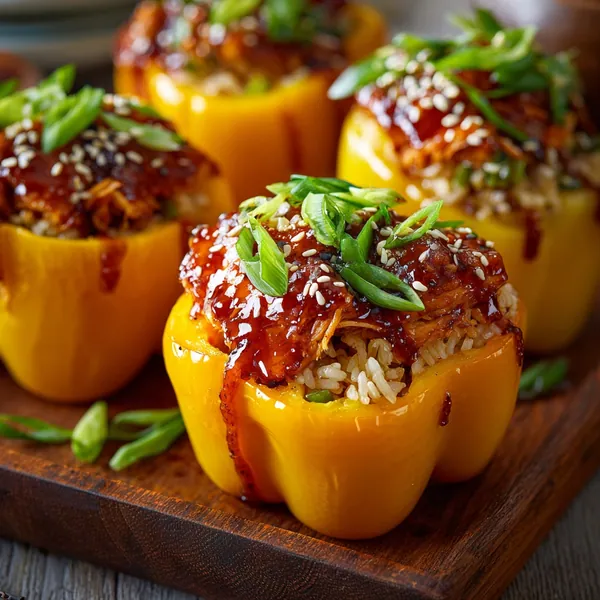
Garlic butter rice is a simple yet flavorful dish that has gained popularity for its rich taste and versatility. Combining fragrant garlic with creamy butter and perfectly cooked rice, this dish serves as both a satisfying main course and a complementary side. It’s a staple in home kitchens because it uses common ingredients, requires minimal effort, and delivers bold flavor in every bite. Whether served alongside grilled meats, incorporated into a vegetarian meal, or enjoyed on its own, garlic butter rice fits effortlessly into any menu. Its buttery, aromatic profile appeals to a wide range of palates, making it a family favorite across cultures. Beyond taste, its quick preparation makes it an ideal choice for busy weeknights or last-minute gatherings. With endless customization options and minimal ingredients, garlic butter rice is a reliable go-to recipe that elevates any meal without demanding too much time or effort in the kitchen.
What Is Garlic Butter Rice?
Garlic butter rice is a savory rice dish made by infusing cooked rice with the flavors of sautéed garlic and melted butter. Unlike traditional fried rice or pilaf, which may include a variety of vegetables, proteins, or seasonings, garlic butter rice focuses on the simplicity and depth of flavor that garlic and butter provide. The rice is typically cooked until tender and then combined with golden, fragrant garlic cooked in butter to create a rich, comforting side dish.
This dish draws inspiration from various global cuisines that highlight garlic and butter as foundational flavors. Though it resembles a pilaf in texture, it’s not bound to any single tradition, which makes it easily adaptable. It’s often served as a side to grilled meats, seafood, or roasted vegetables, but its bold flavor also allows it to stand alone. The result is a dish that’s both humble and deeply satisfying.
Key Ingredients Breakdown
Rice: The type of rice used significantly affects texture and flavor. Long-grain varieties like jasmine or basmati are ideal due to their light, fluffy nature and mild fragrance. Short-grain rice may become too sticky and is generally not recommended unless a creamier consistency is desired.
Butter: Butter adds richness and depth. Unsalted butter allows better control over sodium levels, while salted butter can add an extra layer of flavor. For a more indulgent version, some recipes use clarified butter (ghee), which has a higher smoke point and nutty aroma.
Garlic: Freshly minced or finely chopped garlic is preferred over powdered alternatives. The garlic should be cooked gently in butter to release its flavor without burning, which can cause bitterness. Roasted garlic can be used for a milder, sweeter taste.
Optional Add-Ins: For enhanced flavor, consider adding onions, chicken or vegetable broth instead of water, fresh herbs like parsley or thyme, grated Parmesan cheese, or a touch of lemon zest. These additions elevate the base recipe without overpowering the garlic-butter combination.
Each of these ingredients plays a specific role—garlic for aroma, butter for richness, and rice as the hearty base—resulting in a balanced and flavorful dish.

How to Make Garlic Butter Rice: Step-by-Step Recipe
Ingredients:
-
1 cup long-grain rice (jasmine or basmati)
-
2 tablespoons unsalted butter
-
3–4 cloves garlic, finely minced
-
2 cups water or low-sodium chicken/vegetable broth
-
Salt to taste
-
Optional: fresh herbs (parsley, thyme), grated cheese, lemon zest
Instructions:
1. Rinse the Rice:
Start by rinsing the rice under cold water until the water runs clear. This helps remove excess starch and prevents the rice from becoming sticky during cooking.
2. Sauté the Garlic:
In a medium saucepan, melt 1 tablespoon of butter over medium heat. Add the minced garlic and sauté gently for 1–2 minutes, until it becomes fragrant and just begins to turn golden. Avoid browning the garlic, as it can become bitter.
3. Toast the Rice (Optional):
For extra depth, stir the rinsed and drained rice into the garlic-butter mixture and toast it for 2–3 minutes. This step enhances flavor and gives the rice a nutty aroma.
4. Add Liquid and Simmer:
Pour in the water or broth. Add salt to taste. Bring the mixture to a boil, then reduce heat to low. Cover the pot and simmer for about 15–18 minutes, or until the rice is tender and the liquid is fully absorbed.
5. Let It Rest:
Once cooked, remove the pot from heat and let it sit, covered, for 5–10 minutes. This helps the rice finish steaming and improves texture.
6. Add Final Butter and Fluff:
Add the remaining tablespoon of butter to the hot rice and fluff gently with a fork to distribute the butter and release steam. If desired, stir in chopped herbs, grated cheese, or a squeeze of lemon juice.
7. Serve:
Serve immediately as a side or base for protein dishes. Store leftovers in the refrigerator for up to 4 days.
Common Mistakes to Avoid
Overcooking the Garlic: Garlic burns quickly and turns bitter when overcooked. Always sauté it on medium to low heat and remove it from the pan before it browns too much.
Using the Wrong Type of Rice: Short-grain rice can turn sticky or mushy. Long-grain varieties like jasmine or basmati offer the best texture for garlic butter rice.
Adding Too Much Butter: While butter adds richness, excessive amounts can make the dish greasy. Stick to the recipe’s recommended quantity or adjust gradually.
Skipping the Rinse: Rinsing rice removes surface starch, preventing clumping. Skipping this step often results in gummy, unevenly cooked rice.
Not Letting the Rice Rest: Allowing the rice to sit covered after cooking gives it time to steam and become fluffier. Skipping this can leave you with overly wet or dense rice.
Variations of Garlic Butter Rice
Garlic butter rice is incredibly versatile and can be adapted to suit different tastes, cuisines, and dietary needs. Here are some popular variations:
Vegetable Garlic Butter Rice: Add sautéed vegetables like peas, corn, carrots, or bell peppers for a colorful and nutrient-rich version. Stir them in during the last few minutes of cooking or after the rice has been fluffed.
Protein Additions: Enhance the dish with proteins such as grilled chicken, shrimp, or crumbled tofu. These can be cooked separately and added on top or mixed into the rice for a complete one-pot meal.
Spicy Garlic Butter Rice: Add red chili flakes, cayenne pepper, or diced jalapeños for a spicy kick. A drizzle of sriracha or hot sauce at the end can also elevate the heat.
Cheesy Garlic Rice: Stir in grated Parmesan or cheddar cheese just before serving for a rich, creamy variation. This adds depth and makes the dish more indulgent.
Herbed Garlic Butter Rice: Fresh herbs like parsley, thyme, chives, or dill can lighten the dish and enhance its aroma. Add them just before serving to preserve freshness.
Lemon Garlic Butter Rice: A squeeze of lemon juice or a bit of zest cuts through the richness of the butter and brightens the overall flavor.
These variations allow you to customize garlic butter rice based on available ingredients or the meal it’s accompanying. Whether you prefer a light side dish or a hearty main, there’s a version to fit every occasion.
What to Serve with Garlic Butter Rice
Garlic butter rice pairs exceptionally well with a variety of dishes, making it a flexible component of any meal. Its mild yet savory flavor allows it to complement both light and rich main courses.
Proteins: It’s an ideal base or side for grilled, roasted, or pan-seared meats. Serve it alongside garlic butter chicken, steak, pork chops, or lamb for a balanced plate. For seafood lovers, grilled shrimp, salmon, or scallops work beautifully.
Vegetarian Options: Pair garlic butter rice with roasted vegetables such as zucchini, asparagus, mushrooms, or bell peppers. It also complements plant-based proteins like grilled tofu, tempeh, or legumes.
International Meals: This rice works well with Asian, Mediterranean, or American-inspired dishes. Use it as a bed for stir-fry, serve it with hummus and falafel, or plate it with barbecue-style meats.
Soups and Stews: Serve garlic butter rice on the side of hearty stews or broth-based soups to soak up extra flavor and provide added texture.
Its versatility allows it to function as both a supporting side and a satisfying base for toppings, making it an essential addition to everyday cooking or special occasions.
Garlic Butter Rice for Special Diets
Garlic butter rice can be easily modified to fit a variety of dietary needs without compromising flavor.
Gluten-Free: Naturally gluten-free, garlic butter rice is safe for those avoiding gluten, provided that all ingredients used (especially broth or seasonings) are certified gluten-free.
Dairy-Free or Vegan: Substitute the butter with a plant-based alternative like vegan butter or olive oil. Ensure the rice is cooked in water or vegetable broth instead of chicken stock. The result is still rich and satisfying with a slightly different flavor profile.
Low-Sodium: Use unsalted butter and cook the rice in water or low-sodium broth. Skip or minimize added salt, and rely on fresh garlic and herbs to enhance flavor.
Keto-Friendly: While traditional rice is high in carbs, you can create a keto version using cauliflower rice. Sauté it in garlic and butter until tender and season to taste.
These adjustments make garlic butter rice adaptable for nearly any lifestyle or restriction.

Nutritional Information
The nutritional value of garlic butter rice varies depending on ingredients and serving size, but a standard one-cup serving typically includes:
-
Calories: 200–250
-
Carbohydrates: 35–40g
-
Fat: 8–12g (from butter)
-
Protein: 3–5g
-
Fiber: 1–2g
-
Sodium: Varies depending on broth and added salt
Garlic provides health benefits including antibacterial properties, immune support, and cardiovascular benefits. Butter contributes saturated fat, so portion control is key if you’re monitoring fat intake.
To make the dish lighter, reduce the amount of butter or use a heart-healthy fat alternative like olive oil. For added nutrients, stir in vegetables or a protein source.
Overall, garlic butter rice is a moderately calorie-dense food that can be part of a balanced diet when enjoyed in appropriate portions and paired with nutrient-dense sides or toppings.
Storage and Reheating Tips
Proper storage and reheating of garlic butter rice help maintain its flavor and texture while ensuring food safety.
Storage: Allow the rice to cool to room temperature before transferring it to an airtight container. Store in the refrigerator for up to 4 days. For longer storage, freeze portions in airtight freezer bags or containers for up to 2 months.
Reheating: To reheat refrigerated rice, add a splash of water or broth and microwave covered for 1–2 minutes, stirring halfway through. This restores moisture and prevents dryness. For stovetop reheating, use a non-stick pan over low heat with a small amount of butter or water. Cover and stir occasionally until heated through.
Avoiding Mushiness: Do not overheat or stir aggressively, as this can break down the rice grains and turn the texture mushy.
Always reheat rice to an internal temperature of at least 165°F (74°C) to reduce the risk of foodborne illness.
FAQs Section
What type of rice is best for garlic butter rice?
Long-grain rice varieties such as jasmine or basmati are ideal due to their fluffy texture and ability to absorb flavors without becoming sticky. Avoid short-grain or sticky rice unless you prefer a creamier texture.
Can I make garlic butter rice in a rice cooker?
Yes, you can. To do so, sauté the garlic separately in butter, then add it along with the rice, water or broth, and salt to the rice cooker. Cook according to your rice cooker’s standard settings. Add any finishing touches like herbs or cheese after the rice is done cooking.
Is garlic butter rice healthy?
While garlic offers health benefits like immune support and antioxidant properties, the butter adds saturated fat and calories. It can be part of a healthy diet when eaten in moderation. Consider using unsalted butter or substituting part of the butter with olive oil for a lighter version.
How do you keep garlic butter rice from getting mushy?
Rinse the rice before cooking to remove excess starch and avoid overcooking. Also, allow the rice to rest after cooking with the lid on, then fluff with a fork rather than stirring vigorously.
Can I use olive oil instead of butter?
Yes. Olive oil is a good substitute for butter, especially for dairy-free or heart-health-conscious versions. The flavor will be slightly different—more herbal and less creamy—but still delicious.
What protein goes well with garlic butter rice?
Garlic butter rice pairs well with grilled chicken, shrimp, steak, tofu, and roasted salmon. The mild, savory base complements bold or spicy seasonings in meat and plant-based proteins alike.

Garlic Butter Rice
This garlic butter rice is the perfect blend of simple ingredients and bold flavor. Made with fragrant garlic, creamy butter, and fluffy rice, it’s a quick and easy side dish that pairs beautifully with everything from grilled chicken to roasted vegetables. Whether you're preparing a cozy weeknight dinner or a flavorful base for your favorite protein, this recipe delivers comfort and satisfaction in every bite. It’s ready in under 30 minutes and can be easily adapted to suit various diets and preferences. Simple, reliable, and always delicious—this garlic butter rice will become a staple in your kitchen.
Ingredients
- 1 cup long grain white rice
- 2 tablespoons unsalted butter
- 4 garlic cloves, minced
- 2 cups chicken broth or water
- ½ teaspoon salt (omit if using salted broth)
- ¼ teaspoon black pepper
- 1 tablespoon chopped fresh parsley (optional)
Instructions
- Rinse the rice under cold water until the water runs clear to remove excess starch and ensure fluffy grains.
- In a medium saucepan, melt the butter over medium heat. Add the minced garlic and sauté for 1-2 minutes until fragrant and lightly golden.
- Stir in the rice and cook for another 1-2 minutes to lightly toast the grains and coat them in the garlic butter.
- Pour in the chicken broth, add salt and pepper, and stir to combine. Bring the mixture to a boil.
- Once boiling, reduce the heat to low, cover the pot, and simmer for 15-18 minutes or until the liquid is fully absorbed and the rice is tender.
- Remove the pot from the heat and let it sit, covered, for 5 minutes. Fluff the rice with a fork.
- Sprinkle with fresh parsley before serving if desired.