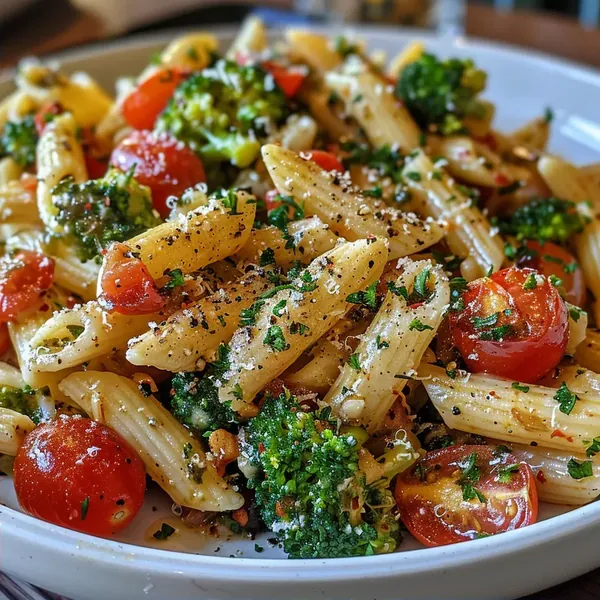
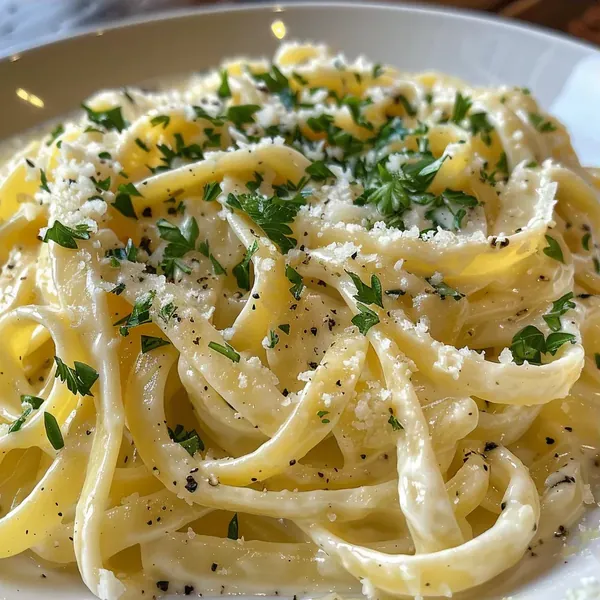
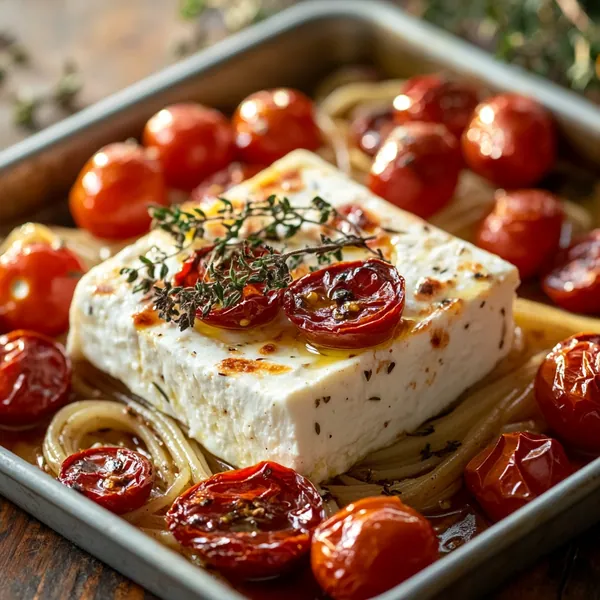
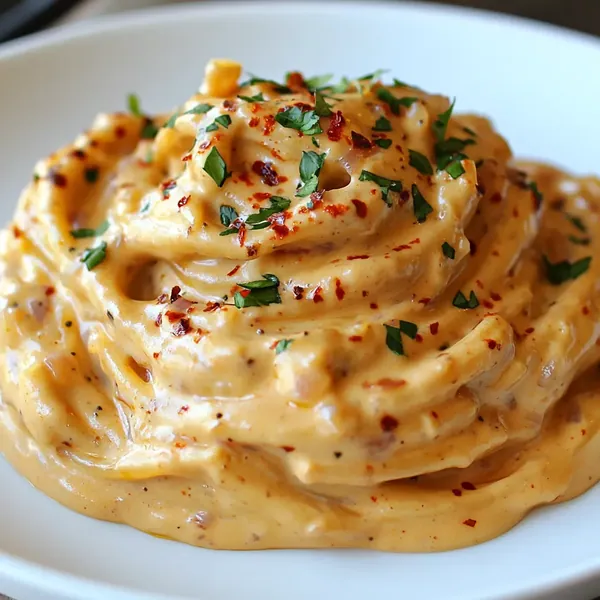
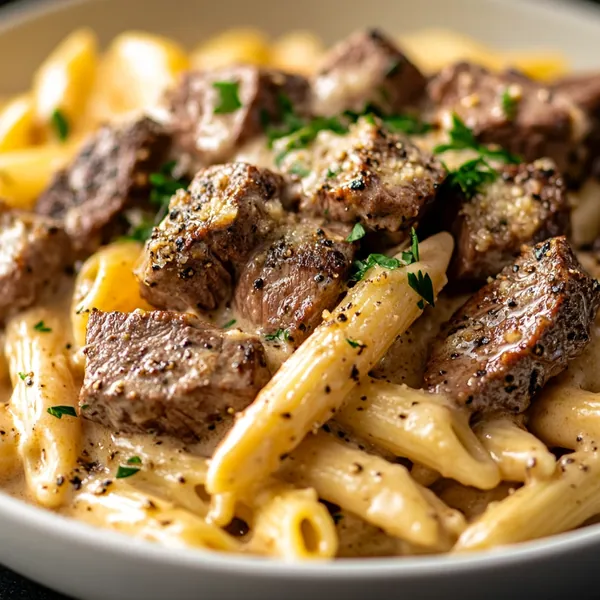
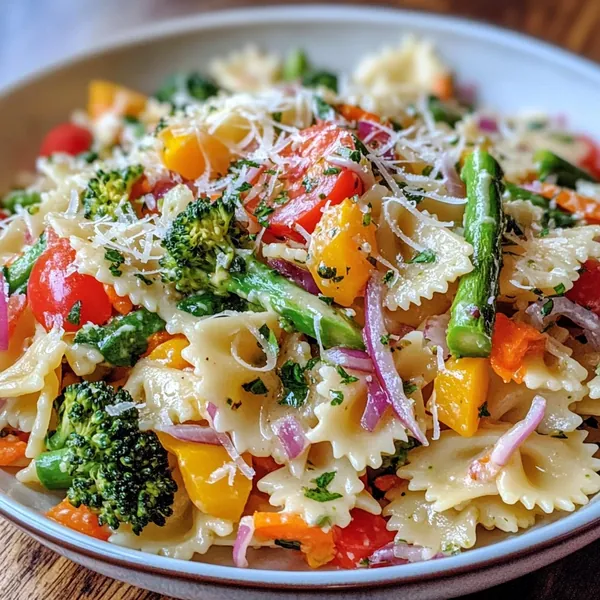
Pasta salad is a versatile and satisfying dish that blends cooked pasta with a mix of vegetables, proteins, and flavorful dressings. Served chilled or at room temperature, it’s a favorite for picnics, potlucks, BBQs, and casual meals. The beauty of pasta salad lies in its adaptability—it can be tailored to suit any taste, dietary need, or seasonal ingredient. Whether you’re making a simple version with just a few pantry staples or a more elaborate mix with gourmet touches, pasta salad offers both convenience and creativity. It’s ideal for make-ahead meals, offering a refreshing alternative to heavier dishes, especially during warmer months. While often seen as a side dish, a well-balanced pasta salad can also serve as a satisfying main course. From creamy to tangy, classic to modern, pasta salad continues to be a crowd-pleaser that’s as easy to prepare as it is to enjoy.
Benefits of Making Pasta Salad at Home
Making pasta salad at home gives you full control over ingredients, flavor, and nutrition. You can avoid preservatives and excess sodium often found in store-bought versions. It’s a budget-friendly option, especially when using seasonal vegetables or leftovers. Homemade pasta salad is highly customizable—you can adjust the protein, pasta type, and dressing to suit different dietary needs such as vegetarian, vegan, or gluten-free. It’s also perfect for meal prep; it stores well in the fridge for several days, making it a practical choice for lunches or quick dinners. Best of all, it’s easy to make and doesn’t require fancy cooking skills.
Key Ingredients in a Classic Pasta Salad
A classic pasta salad starts with the right balance of flavors and textures. The foundation is, of course, the pasta—short shapes like rotini, penne, or bow ties work best because they hold dressing well and are easy to eat. Crisp vegetables such as cherry tomatoes, cucumbers, red onions, bell peppers, and carrots add color and crunch. Protein options can include cooked chicken, ham, tuna, chickpeas, or hard-boiled eggs, depending on your preferences. Cheese like feta, mozzarella balls, or shredded cheddar adds richness and depth. The dressing ties it all together—Italian dressing is the most traditional, but creamy versions or vinaigrettes work just as well. Fresh herbs like parsley, basil, or dill provide a finishing touch that enhances freshness. Salt, pepper, and a splash of lemon juice or vinegar can boost the overall flavor, making your pasta salad bright and well-rounded.
Choosing the Best Pasta for Pasta Salad
The best pasta for pasta salad holds up well after cooking and absorbs dressing without becoming mushy. Short, sturdy shapes like rotini, penne, farfalle (bow-tie), and fusilli are ideal because their ridges and curves trap dressing and small ingredient pieces. Avoid delicate shapes or long noodles like spaghetti, which tend to clump and don’t mix as well. Whole wheat, gluten-free, or legume-based pastas are good alternatives for specific dietary needs, but make sure not to overcook them, as they can break apart more easily. Always cook pasta to al dente texture so it remains firm when chilled and mixed.
Essential Tools for Making Pasta Salad
Creating a great pasta salad doesn’t require special equipment, but a few basic kitchen tools make the process easier. A large pot is essential for boiling pasta evenly, while a fine-mesh strainer or colander ensures quick draining. A good cutting board and sharp knife are key for prepping vegetables and herbs. A salad spinner helps dry greens and herbs thoroughly if you’re adding them. Large mixing bowls allow for easy tossing without spilling, and airtight containers help store leftovers or transport salad for potlucks. Measuring spoons and cups are useful for mixing dressings and seasoning consistently.
How to Cook Pasta Perfectly for Salad
Cooking pasta for salad requires a slightly different approach than for hot dishes. Start by boiling pasta in well-salted water to enhance flavor. Cook it just to al dente—firm to the bite—since it will continue to soften slightly as it absorbs dressing. Once cooked, immediately drain and rinse the pasta under cold water. This stops the cooking process, cools the pasta quickly, and prevents it from sticking together. Allow it to drain fully before mixing it with other ingredients. Some cooks like to toss the cooled pasta with a small amount of oil to prevent clumping before assembling the salad.

How to Make a Basic Pasta Salad: Step-by-Step
A basic pasta salad can be made in just a few simple steps and customized with whatever you have on hand. Here’s a reliable process to follow:
Step 1: Cook the Pasta
Boil your choice of pasta in salted water until al dente. Drain and rinse under cold water to cool it down quickly and stop further cooking. Set aside to dry completely.
Step 2: Prep the Vegetables and Add-ins
While the pasta cools, wash and chop your vegetables into bite-sized pieces. Popular options include cherry tomatoes, cucumbers, red onion, bell pepper, carrots, and olives. If you’re adding proteins like chicken, tuna, or chickpeas, prepare those now. Cheese such as feta or mozzarella can also be cubed or crumbled.
Step 3: Mix the Dressing
In a small bowl or jar, whisk together your dressing ingredients. A classic vinaigrette might include olive oil, red wine vinegar, Dijon mustard, garlic, salt, and pepper. For a creamy version, use mayonnaise or Greek yogurt as a base. Adjust seasoning to taste and add herbs like parsley, basil, or dill for extra flavor.
Step 4: Combine and Toss
In a large bowl, add the pasta, chopped vegetables, protein, and cheese. Pour the dressing over everything and toss until evenly coated. Taste and adjust seasoning as needed. Cover and refrigerate for at least 1 hour before serving to let the flavors meld.
Step 5: Serve or Store
Pasta salad can be served chilled or at room temperature. If storing, keep it in an airtight container in the fridge for up to 4 days. Stir well before serving again, as the dressing may settle.
Popular Pasta Salad Variations
Pasta salad can be adapted to a wide variety of flavor profiles and dietary needs. Here are some of the most popular variations:
Italian Pasta Salad
This classic version includes salami, cherry tomatoes, mozzarella cheese (often in the form of small balls), olives, red onion, and a tangy Italian dressing. The flavors are bold, salty, and herbaceous, making it a perfect side for grilled meats.
Greek Pasta Salad
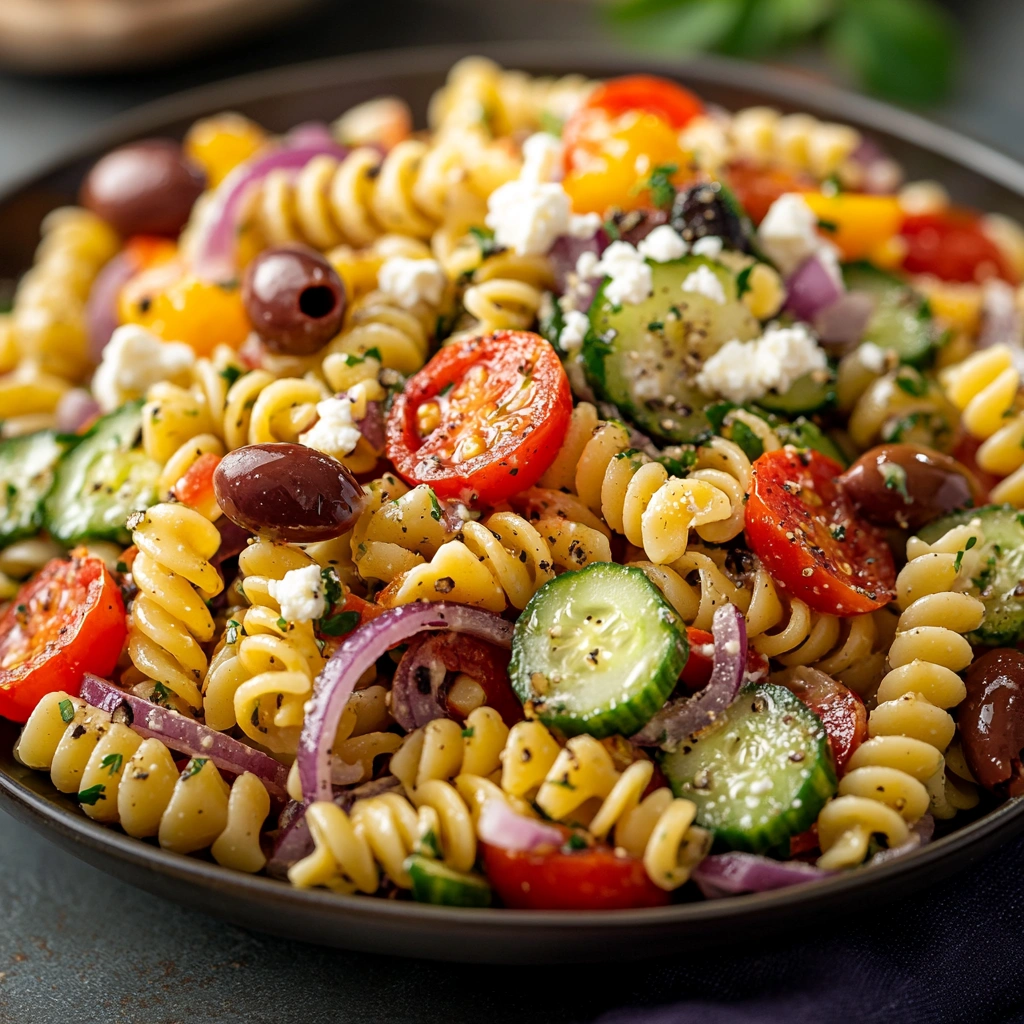
Inspired by the Mediterranean diet, this variation features feta cheese, Kalamata olives, red onion, cucumber, tomatoes, and oregano. It’s typically dressed with a lemon-olive oil vinaigrette and pairs well with chicken or lamb.
Creamy Pasta Salad
Often served at barbecues, this version includes a mayonnaise or sour cream-based dressing, peas, cheddar cheese, diced celery, and sometimes bacon or ham. It’s rich, indulgent, and highly customizable.
Vegan Pasta Salad
This plant-based option uses dairy- and egg-free dressings—often vinaigrettes, tahini blends, or avocado-based sauces. Chickpeas, grilled veggies, and leafy greens like spinach or kale make it hearty and nutritious.
Gluten-Free Pasta Salad
Using gluten-free alternatives like rice pasta, quinoa pasta, or chickpea-based noodles, this variation can include the same mix-ins and dressings as traditional versions. Be sure to follow cooking instructions carefully to maintain texture.
Each of these variations can be adjusted for spice level, herb choice, and vegetable inclusion. The key is to balance flavors and textures while letting the dressing unify the dish.
Pasta Salad Dressing Ideas
The dressing is what brings a pasta salad to life. Choosing the right one depends on the overall theme of your dish.
Italian Vinaigrette: A blend of olive oil, red wine vinegar, garlic, Dijon mustard, and Italian herbs is tangy and works well in classic and Mediterranean versions.
Creamy Dressing: Made with mayonnaise, sour cream, or Greek yogurt, this rich style is ideal for BBQ-friendly salads with bacon, peas, or cheddar.
Lemon-Herb Dressing: A light and refreshing mix of lemon juice, olive oil, garlic, and fresh herbs like parsley and dill. Perfect for warm-weather meals.
Pesto: Store-bought or homemade basil pesto can double as a dressing, adding deep herbal flavor and a slight nuttiness.
Balsamic Vinaigrette: Pairs nicely with roasted vegetables or sweet elements like corn and bell peppers.
Customize each dressing with salt, pepper, and a pinch of sugar or honey to balance acidity and enhance flavor.
Tips for Making the Best Pasta Salad
To make a standout pasta salad, start with properly cooked pasta—al dente is essential for texture. Don’t skip seasoning your pasta water; it’s your first opportunity to build flavor. Use fresh, crisp vegetables and cut everything to similar sizes for even distribution. Chill the pasta before adding delicate ingredients like herbs or cheese. Toss the salad in stages, adding half the dressing at first, then more before serving to avoid sogginess. Let it rest in the refrigerator for at least an hour so the flavors can meld. A final taste test before serving helps ensure balance and seasoning.
Make-Ahead and Storage Guidelines
Pasta salad is ideal for preparing ahead of time, making it perfect for busy weekdays or entertaining. After assembling, cover tightly and refrigerate for at least 1 hour before serving to enhance flavor. Most pasta salads will stay fresh in the fridge for up to 4 days. If you’re making it more than a day in advance, consider storing the dressing separately and tossing it in closer to serving time to prevent sogginess. Always use airtight containers, and if the salad looks dry after storage, refresh it with a splash of dressing or a drizzle of olive oil.
Common Mistakes to Avoid
One of the biggest mistakes is overcooking the pasta, which leads to a mushy texture. Always aim for al dente. Another common error is under-seasoning—be sure to season your cooking water, your dressing, and the salad itself. Using too many ingredients can overwhelm the dish; instead, choose a few complementary flavors and textures. Adding all the dressing at once can result in sogginess, so reserve some for just before serving. Finally, skipping the chill time prevents flavors from properly blending. Let your pasta salad rest for at least an hour in the fridge to improve taste and texture.
Serving Suggestions and Pairings
Pasta salad pairs well with grilled meats like chicken, steak, or sausages. It’s also a great companion to sandwiches, burgers, and wraps. Serve it as part of a picnic spread, alongside coleslaw or potato salad. Add a green salad and bread for a complete, balanced meal.
Pasta Salad for Different Occasions
Pasta salad is incredibly versatile, making it perfect for backyard barbecues, work lunches, potlucks, picnics, and holiday buffets. Choose lighter versions with vinaigrette for summer events, or go creamy for winter gatherings. Its adaptability to seasonal ingredients also makes it suitable for both casual and festive occasions year-round.
FAQs Section
How far in advance can you make pasta salad?
You can make pasta salad up to 3–4 days in advance. For best texture, store dressing separately and mix before serving.
Should pasta be rinsed after cooking for salad?
Yes. Rinsing pasta with cold water stops cooking, cools it down, and prevents clumping—ideal for pasta salad.
Can pasta salad be frozen?
Freezing is not recommended. The texture of pasta and fresh vegetables often becomes mushy when thawed.
What’s the best dressing for pasta salad?
Italian vinaigrette is the most common, but creamy and lemon-herb options are also popular depending on ingredients.
How long does pasta salad last in the fridge?
Properly stored, pasta salad stays fresh for up to 4 days in an airtight container.
Is pasta salad served hot or cold?
Pasta salad is typically served cold or at room temperature, especially in summer or as a side dish.
Pasta Salad Recipe
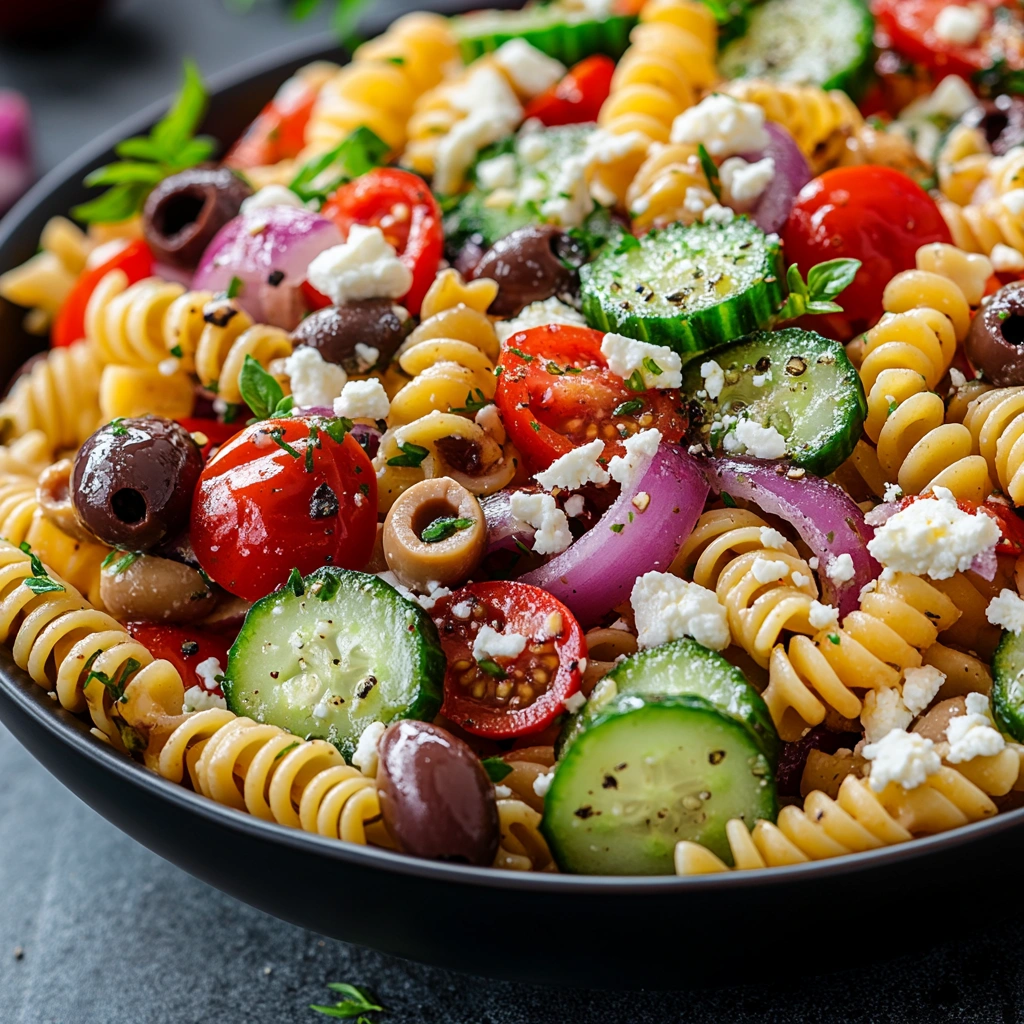
This easy and versatile pasta salad recipe is perfect for picnics, potlucks, BBQs, and weekday lunches. Made with tender pasta, crisp vegetables, and your choice of dressing, it’s a refreshing and satisfying dish that can be customized with proteins, cheeses, and fresh herbs. Whether you prefer a zesty Italian version or a creamy classic, this pasta salad is a crowd-pleaser that’s simple to make and ideal for meal prep.
Ingredients
- 12 ounces of pasta rotini, bowties, or penne work best for capturing all the flavors
- 1 cup cherry tomatoes halved
- 1 cup cucumber diced
- 1/2 cup red onion finely chopped (soak it in water for a milder flavor)
- 1/2 cup black olives sliced
- 1 cup shredded mozzarella or mini mozzarella balls
- 1/4 cup fresh parsley chopped
- 1/3 cup olive oil
- 1/4 cup red vinegar here’s your secret ingredient—trust me, it makes all the difference!
- 1 tablespoon Dijon mustard
- 1 teaspoon garlic powder
- Salt and pepper to taste
Instructions
- Bring a large pot of salted water to a boil, then cook the pasta according to the package instructions until it’s al dente—firm but tender. Once it’s done, drain and rinse with cold water. This stops the cooking process and cools the pasta down for the salad.
- While the pasta is cooking, chop up your veggies. Halve the cherry tomatoes, dice the cucumber, slice the olives, and finely chop the red onion. If you’re using parsley, give it a quick chop too. Fresh and colorful is the goal here!
- In a small bowl or jar, whisk together the olive oil, red vinegar, Dijon mustard, garlic powder, salt, and pepper. Give it a taste and adjust the seasoning if needed. You’ll want it to have a tangy, zesty kick.
- Grab a large mixing bowl and combine the cooked pasta, veggies, mozzarella, and parsley. Pour the dressing over the top and gently toss until everything is evenly coated. The pasta should soak up that delicious dressing.
- Cover the bowl and let the salad chill in the fridge for at least 30 minutes. This allows the flavors to meld together beautifully. When you’re ready to serve, give it one final toss and garnish with a little extra parsley or cheese if you’d like.