In this article
- Origins and Cultural Background
- Key Ingredients Overview
- Types of Meatball Vegetable Soup
- Nutritional Value and Health Benefits
- How to Make Meatball Vegetable Soup: Step-by-Step Recipe
- Customization Ideas & Substitutions
- Storage, Freezing & Reheating Tips
- What to Serve with Meatball Vegetable Soup
- Common Mistakes to Avoid
- FAQs (Based on People Also Ask)
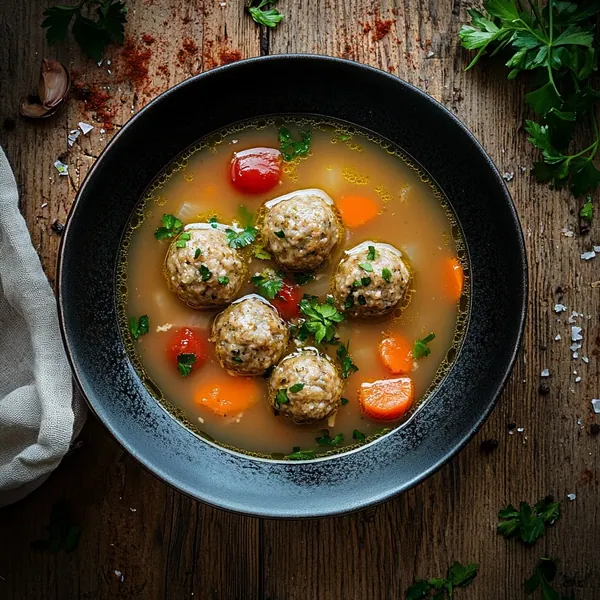
There’s something incredibly comforting about a warm bowl of meatball vegetable soup. It’s the kind of meal that wraps you up like a cozy blanket—nourishing, hearty, and full of flavor. This classic soup combines tender, juicy meatballs with a colorful medley of vegetables, all simmered in a rich, savory broth. It’s a dish that feels like home, whether you’re serving it on a chilly winter night or prepping ahead for a busy week.
Meatball vegetable soup isn’t just delicious—it’s versatile and easy to adapt. You can keep it classic with Italian-style spices and beef meatballs or put a lighter twist on it with turkey or chicken. Prefer a vegetarian version? Plant-based meatballs and vegetable broth do the trick beautifully. Plus, it’s a fantastic way to use up any veggies hanging around in your fridge, from carrots and zucchini to spinach and green beans.
One of the best parts? It’s a full meal in one bowl. Packed with protein, fiber, and essential nutrients, it satisfies your hunger without weighing you down. You can make it in a big batch for meal prepping, freeze leftovers for later, or whip it up quickly on a weeknight—it’s that flexible.
Whether you’re looking for a comforting family dinner, a hearty lunch option, or a nutritious freezer meal, meatball vegetable soup checks all the boxes. In this guide, we’ll explore everything you need to know—from its origins and variations to how to make it perfectly every time.
Origins and Cultural Background
While meatball vegetable soup feels like a modern comfort food staple, its roots stretch across many cultures and centuries. The concept of combining seasoned ground meat with vegetables in a hearty broth has appeared in global cuisines for generations—each adding its own twist to the basic formula.
In Italian cuisine, the closest cousin is Italian Wedding Soup, which features meatballs, leafy greens, and small pasta floating in a savory broth. Despite its name, the soup wasn’t traditionally served at weddings—the “wedding” refers to the harmonious pairing of ingredients. This version inspired many American adaptations of meatball vegetable soup.
Meanwhile, in Mexican cooking, there’s Albondigas Soup—a beloved dish made with rice-stuffed meatballs, tomatoes, and vegetables. It’s known for its slightly spicy broth and comforting flavors, often passed down through generations.
The Middle East also contributes with recipes like kofte soup, where spiced lamb or beef meatballs are simmered with lentils and vegetables. In Sweden, meatballs are more famously served with gravy, but they’ve also found their way into rustic soups made with root vegetables.
Across cultures, one theme remains the same: combining simple, affordable ingredients into a nourishing, flavorful dish that feeds the whole family. Over time, these traditions evolved into the modern meatball vegetable soup we know today—adaptable, wholesome, and endlessly customizable.
Whether you draw inspiration from Europe, the Americas, or beyond, the dish reflects a universal love for food that warms both the body and the soul.

Key Ingredients Overview
At the heart of any great meatball vegetable soup are a few core components that work together to create a well-balanced, flavorful meal. While there’s plenty of room for personalization, the following key ingredients form the foundation of most variations.
1. Meatballs
The meatballs are the star of the show, offering rich, savory flavor and a satisfying texture. Traditional recipes often use ground beef, but ground turkey, chicken, pork, or plant-based alternatives work just as well. The key is to season the meat well—think garlic, onion, parsley, oregano, salt, and pepper—and to bind it with breadcrumbs and an egg for structure. Some recipes even include grated Parmesan cheese for extra flavor.
Meatballs can be cooked directly in the soup, but browning or baking them beforehand helps seal in juices and add more depth to the broth.
2. Vegetables
A variety of vegetables bring both flavor and nutrition. Classic options include carrots, celery, onions, zucchini, green beans, potatoes, and spinach. You can use whatever is in season or on hand, making this soup ideal for clearing out the fridge.
Harder vegetables like carrots and potatoes should go in early, while softer ones like spinach or zucchini can be added toward the end of cooking to retain their texture and color.
3. Broth
The broth forms the flavorful base of the soup. Chicken broth is a common choice due to its light yet savory profile, but beef broth offers a heartier flavor. For vegetarian versions, a well-seasoned vegetable broth works beautifully. Homemade broth delivers the best flavor, though store-bought options can save time. Low-sodium versions allow for more control over seasoning.
4. Optional Additions
Depending on personal preference, you can also add rice, pasta (like orzo or ditalini), beans, or lentils for extra substance. Fresh herbs like parsley, basil, or thyme can brighten the flavor just before serving.
Types of Meatball Vegetable Soup
One of the best things about meatball vegetable soup is how easily it can be adapted to suit different tastes, diets, and cooking methods. Here are some of the most popular variations:
1. Classic Italian-Style Meatball Soup
This version typically features beef or pork meatballs, Italian herbs like oregano and basil, and a tomato-infused broth. Often paired with small pasta such as ditalini or orzo, it’s hearty and full of rich Mediterranean flavor.
2. Low-Carb or Keto Meatball Soup
Perfect for those following a low-carb lifestyle, this soup eliminates starchy vegetables and pasta. Instead, it emphasizes leafy greens like spinach or kale, cauliflower, and a higher-fat protein source like ground beef or pork.
3. Crockpot or Slow Cooker Version
Ideal for busy schedules, this version allows all the ingredients—raw or pre-cooked—to simmer slowly over several hours. The meatballs can be added raw to absorb more flavor from the broth, while the vegetables stay tender and flavorful.
4. Vegetarian or Vegan Adaptation
This variation uses plant-based meatballs made from lentils, beans, tofu, or commercial meat alternatives. Vegetable broth replaces meat-based stock, and the soup can still be rich and satisfying when seasoned well.
5. Spicy or Ethnic Fusion Variations
Drawing inspiration from global cuisines, you can create a spicier version using chili powder, cumin, or curry. A Mexican-inspired albondigas soup might include rice-filled meatballs, corn, and a hint of lime for brightness.
Nutritional Value and Health Benefits
Meatball vegetable soup isn’t just delicious—it’s also packed with nutrients, making it a smart choice for anyone looking for a balanced, wholesome meal. Depending on your ingredients, this soup can be high in protein, fiber, vitamins, and minerals, while also being relatively low in calories and fat.
1. Protein-Packed
The meatballs provide a rich source of protein, which is essential for muscle maintenance, energy, and overall health. Using lean meats like turkey or chicken keeps the fat content lower, while still offering plenty of protein. Plant-based meatballs made with beans or lentils also provide a solid protein boost for vegetarians and vegans.
2. Full of Fiber
The variety of vegetables in this soup—carrots, celery, zucchini, spinach, and more—contribute valuable dietary fiber. Fiber supports healthy digestion, stabilizes blood sugar, and helps you feel full longer. If you include beans or whole grains like brown rice or quinoa, the fiber content increases even more.
3. Low-Calorie and Nutrient-Dense
Because it’s broth-based, meatball vegetable soup tends to be lower in calories than creamy or cheese-heavy soups. At the same time, it’s loaded with essential nutrients like vitamin A, vitamin C, potassium, and folate, particularly from leafy greens and orange vegetables like carrots or sweet potatoes.
4. Customizable for Dietary Needs
Whether you’re gluten-free, low-carb, paleo, or dairy-free, this soup can be easily adjusted. Swap breadcrumbs in the meatballs for almond flour, skip pasta to lower carbs, or choose plant-based ingredients for vegan diets. It’s flexible enough to meet most nutritional guidelines without sacrificing taste.
5. Hydrating and Satisfying
Thanks to its high water content from the broth and vegetables, this soup is naturally hydrating and ideal for cooler weather or post-illness recovery. Plus, it’s filling without being heavy, making it perfect for lunch or dinner.

How to Make Meatball Vegetable Soup: Step-by-Step Recipe
Making meatball vegetable soup is simple and rewarding. Here’s a step-by-step guide to help you prepare a rich, flavorful soup with tender meatballs and perfectly cooked vegetables.
Ingredients:
-
1 lb ground beef or turkey
-
1/3 cup breadcrumbs
-
1 egg
-
2 garlic cloves, minced
-
1 small onion, finely chopped (divided)
-
Salt and pepper to taste
-
1 tsp dried oregano or Italian seasoning
-
1 tbsp olive oil
-
3 carrots, chopped
-
2 celery stalks, chopped
-
1 zucchini, diced
-
1 cup green beans, trimmed
-
6 cups chicken or vegetable broth
-
1 can diced tomatoes (optional)
-
2 cups spinach or kale (optional)
-
Fresh parsley for garnish
Step 1: Prepare the Meatballs
In a large bowl, mix ground meat, breadcrumbs, egg, garlic, half the chopped onion, salt, pepper, and herbs. Form into 1-inch meatballs. For extra flavor, brown them in a skillet with a little olive oil for 3–4 minutes per side, or bake them at 400°F for 15 minutes.
Step 2: Sauté the Aromatics
In a large soup pot, heat olive oil over medium heat. Add the remaining onion, carrots, and celery. Sauté for 5–7 minutes until softened and fragrant.
Step 3: Add Broth and Vegetables
Pour in the broth and diced tomatoes (if using). Bring to a simmer. Add the green beans and zucchini. Let it cook for 10 minutes.
Step 4: Add the Meatballs
Gently drop the browned or raw meatballs into the simmering soup. Cook for 15–20 minutes, or until meatballs are fully cooked through. Skim off any foam if needed.
Step 5: Add Leafy Greens
In the last few minutes, stir in spinach or kale. Taste and adjust seasoning with salt, pepper, or more herbs.
Step 6: Serve and Garnish
Ladle into bowls, top with fresh parsley or grated Parmesan, and enjoy with crusty bread.
Customization Ideas & Substitutions
Meatball vegetable soup is incredibly adaptable, making it easy to tailor based on dietary needs, seasonal produce, or personal taste.
Protein Swaps
You can use beef, turkey, chicken, or pork for the meatballs. For a leaner soup, opt for ground turkey or chicken. Want to go meatless? Use plant-based meat substitutes, lentil “meatballs,” or even crumbled tofu or tempeh.
Gluten-Free Adjustments
Substitute traditional breadcrumbs in the meatballs with almond flour, gluten-free oats, or crushed rice crackers. Ensure the broth you’re using is gluten-free, as some store-bought options contain additives.
Broth Options
Use chicken broth for a lighter base, beef broth for a heartier flavor, or vegetable broth for a vegetarian version. You can even use bone broth for added protein and collagen.
Vegetable Variations
Use what’s in season or in your fridge. Sweet potatoes, corn, bell peppers, mushrooms, or leeks are great additions. Frozen vegetables work well too—just add them in the last 10 minutes of cooking.
Spice and Flavor Twists
To give the soup a global flair, try adding:
-
Cumin and chili powder for a Southwestern flavor
-
Curry and turmeric for a warming Indian profile
-
Lemon zest and dill for a Mediterranean touch
Optional Add-Ins
Add cooked rice, pasta, lentils, or white beans for more substance. Stir in a spoonful of pesto or tomato paste to intensify flavor.
Customizing this soup is part of the fun—there’s no wrong way to make it your own.
Storage, Freezing & Reheating Tips
One of the best things about meatball vegetable soup is how well it stores and reheats. Whether you’re making it ahead for busy weeknights or freezing leftovers, here’s how to do it right.
Refrigeration
Let the soup cool completely before transferring it to an airtight container. It will stay fresh in the refrigerator for 3 to 4 days. When reheating, bring it to a gentle simmer on the stove or microwave in 1–2 minute intervals, stirring in between.
Freezing Tips
This soup freezes beautifully. To avoid soggy vegetables or broken meatballs, follow these tips:
-
Cool the soup fully before freezing.
-
Use freezer-safe containers or bags, leaving room for expansion.
-
For best results, freeze the broth and meatballs separately if possible.
-
Label with the date—it keeps well for up to 3 months.
To reheat, thaw in the fridge overnight, then warm on the stovetop over medium heat. If reheating from frozen, place it in a covered saucepan over low heat and allow it to slowly defrost and come to temperature.
Pro Tip: Freeze in Portions
Divide soup into single-serving containers before freezing. It makes for a quick grab-and-go lunch or dinner option, especially during busy weeks.
Proper storage ensures your soup tastes just as good the second (or third) time around, without losing texture or flavor.
What to Serve with Meatball Vegetable Soup
Meatball vegetable soup is satisfying on its own, but pairing it with the right side dish can turn a simple bowl into a complete, comforting meal.
Bread
Crusty bread is the go-to companion. A warm slice of garlic bread, sourdough, or a rustic baguette is perfect for dipping into the flavorful broth. Cornbread or cheesy biscuits also work well for a Southern-inspired twist.
Salads
Pair your soup with a crisp green salad tossed in a tangy vinaigrette for balance. Caesar salad, arugula with lemon dressing, or a simple tomato and cucumber salad all complement the hearty soup.
Grilled Cheese or Panini
For a more indulgent pairing, serve with a grilled cheese sandwich or a pressed panini. The melty cheese and crispy bread offer great contrast to the warm soup.
Light Pasta or Rice Side
If you didn’t add starch to your soup, a side of rice pilaf, buttered noodles, or couscous can add substance without overpowering the flavors.
The key is balance—something light, crisp, or cheesy will round out the meal and make it feel special.
Common Mistakes to Avoid
Even though meatball vegetable soup is simple to make, a few missteps can affect the flavor or texture. Here’s what to watch out for:
1. Overmixing the Meat
Overworking the meatball mixture can lead to dense, rubbery meatballs. Mix just until combined, and use a light hand when forming the balls.
2. Skipping the Browning Step
While it’s optional, browning the meatballs before adding them to the soup builds flavor and improves texture. It also helps them hold their shape better during simmering.
3. Overcooking the Vegetables
Vegetables can become mushy if cooked too long, especially softer ones like zucchini or spinach. Add delicate vegetables near the end of cooking to preserve their texture.
4. Underseasoning
Soup needs layers of seasoning—don’t just salt the broth at the end. Season the meatballs, the sautéed vegetables, and the broth throughout the cooking process.
5. Using Low-Quality Broth
Since broth is the base, a bland one can result in a flat-tasting soup. Use a high-quality store-bought broth or homemade stock for best flavor.
FAQs (Based on People Also Ask)
1. Can I make meatball vegetable soup in a slow cooker?
Yes, meatball vegetable soup can be made in a slow cooker for added convenience. Simply add raw or browned meatballs, chopped vegetables, broth, and seasonings to the crockpot. Cook on low for 6–8 hours or on high for 3–4 hours. Add delicate greens like spinach in the last 30 minutes. The slow cooking process allows the flavors to deepen and the meatballs to become incredibly tender.
2. How do I keep meatballs from falling apart in soup?
The key to firm, intact meatballs is using the right binders. Breadcrumbs and eggs are essential—they help the mixture stick together. Chill the meatballs before cooking to help them hold their shape, and avoid overmixing the meat, which can cause them to crumble. Browning them before adding to the soup adds extra security and flavor.
3. Can you freeze meatball vegetable soup?
Absolutely. Meatball vegetable soup freezes well for up to 3 months. Cool the soup completely, then store in freezer-safe containers. For the best results, consider freezing the meatballs separately to maintain texture. When ready to eat, thaw in the refrigerator overnight and reheat on the stove until warmed through.
4. What vegetables work best in meatball soup?
Hearty, sturdy vegetables work best. Carrots, celery, potatoes, zucchini, and green beans are popular choices. Leafy greens like spinach or kale add extra nutrients but should be added at the end. Avoid overcooking the vegetables to maintain their texture and color. Feel free to mix fresh and frozen options based on what’s available.

Meatball Vegetable Soup
This hearty meatball vegetable soup is a comforting, family-friendly meal that’s as nourishing as it is flavorful. Juicy homemade meatballs are simmered with a colorful mix of fresh vegetables in a rich, savory broth—perfect for cozy nights, meal prep, or feeding a crowd. The recipe is flexible and easy to customize with your favorite proteins, seasonal vegetables, or dietary preferences. Whether you're cooking on the stovetop, in a slow cooker, or making a big batch to freeze for later, this soup delivers every time.
Ingredients
- 10 oz (280g) lean ground beef
- 1 Tbsp mint, chopped
- 1 tsp cumin
- 1 tsp black pepper
- 1/3 cup potato, grated
- Salt, to taste
- 1 onion, finely chopped
- 1/2 carrot (or 1 small), chopped
- 1 1/2 potatoes, chopped into small cubes
- 1 Tbsp red chili, finely chopped (optional)
- 4–5 cups water or stock (use more if needed)
- 1 small tomato, blended or finely chopped
- 2 garlic cloves, minced
- 1 Tbsp olive oil
- 1 tsp oregano
- Handful of fresh basil, finely chopped
- 1 egg yolk
- 1–2 tsp lemon juice or vinegar
- Salt and black pepper, to taste
Instructions
- Prepare the Meatballs: In a bowl, mix ground beef with grated potato, mint, cumin, black pepper, and salt. Shape into small meatballs.
- Chop the Vegetables: Finely chop the onion, carrot, potatoes, red chili (if using), tomato, and basil. Mince the garlic.
- Cook the Soup: In a large pot, add olive oil and sauté the onions until softened. Add carrots, potatoes, red chili, tomato, and garlic. Stir well.
- Add Meatballs and Simmer: Pour in 4 cups of water or stock and bring to a boil. Carefully add the meatballs, reduce heat, and let the soup simmer for 30 minutes. Add more water or stock if needed.
- Season and Finish: Taste the soup and adjust seasoning with salt and pepper. Stir in fresh basil.
- Temper the Egg Yolk: In a small bowl, whisk the egg yolk with lemon juice or vinegar. Slowly ladle some hot soup broth into the egg mixture, stirring continuously to avoid scrambling. Repeat 3–4 times, then pour the mixture into the soup.
- Serve Immediately: Turn off the heat and enjoy your delicious homemade meatball soup!