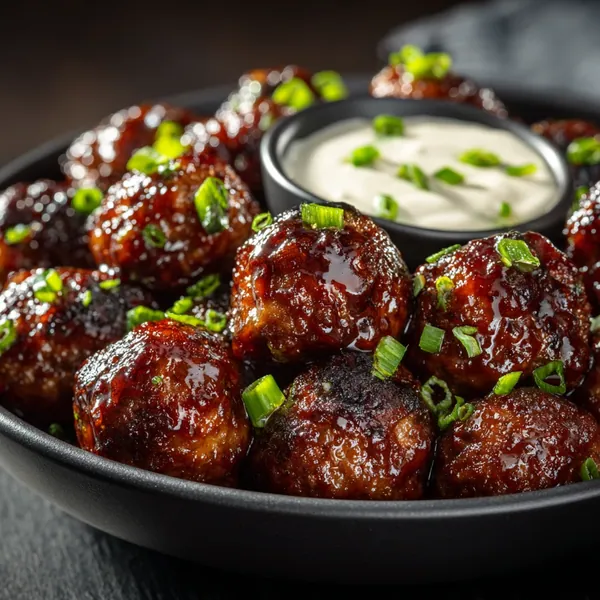
Korean BBQ meatballs are the perfect fusion of sweet, savory, and spicy flavors, inspired by the bold ingredients of traditional Korean cuisine. These bite-sized meatballs are coated in a rich, sticky glaze made with soy sauce, garlic, ginger, and Gochujang—a fermented Korean chili paste that adds a mild heat and deep umami flavor. Paired with a creamy, tangy spicy mayo dip, this dish strikes a balance between comfort food and crowd-pleasing appetizer.
Whether you’re serving them at a game-day party, family dinner, or as part of an Asian-inspired menu, Korean BBQ meatballs are versatile and easy to prepare. Their intense flavor profile and attractive presentation make them stand out at any gathering. Plus, they’re just as satisfying served over rice for a weeknight meal as they are on toothpicks for entertaining guests. These meatballs combine the best of traditional Korean ingredients with a Western-friendly twist.
What Are Korean BBQ Meatballs?
Korean BBQ meatballs are a modern take on the beloved meatball, infused with the flavors of Korean barbecue. Unlike traditional Italian or Swedish meatballs, these are seasoned with Korean pantry staples such as soy sauce, Gochujang, sesame oil, garlic, and ginger. The result is a rich, tangy, and slightly spicy meatball that packs a punch in every bite.
These meatballs are typically made with a blend of ground beef and pork for optimal texture and juiciness. The meat mixture is flavored and then either baked or pan-fried before being tossed in a sticky Korean-style BBQ glaze. What makes them truly unique is their ability to absorb the sauce while still holding their structure—creating a flavorful, caramelized exterior with a tender interior.
They’re a fantastic representation of Korean-American fusion cuisine and can be served on skewers, in rice bowls, or as a stand-alone appetizer with dipping sauce on the side.
Ingredients Overview
For the Meatballs:
-
Ground meat: A 50/50 blend of ground beef and pork offers ideal texture and fat content. You can substitute ground turkey or chicken for a lighter version.
-
Aromatics: Minced garlic, grated ginger, and finely chopped scallions form the flavor base.
-
Binder: Egg and breadcrumbs (panko is best) help the meatballs hold their shape while remaining tender.
-
Seasoning: Soy sauce, sesame oil, brown sugar, and Gochujang create a complex, sweet-spicy profile. Optional additions include rice vinegar and black pepper.
For the Korean BBQ Glaze:
-
Soy sauce, Gochujang, honey or brown sugar, sesame oil, garlic, and a touch of cornstarch for thickening. Simmer the ingredients to form a rich, sticky sauce that coats the meatballs.
For the Spicy Mayo Dip:
-
Mayonnaise base: Use full-fat mayo for best flavor.
-
Heat: Add Sriracha or Gochujang, depending on your spice tolerance.
-
Acidity: A squeeze of lime juice balances the richness.
-
Optional toppings: Toasted sesame seeds and chopped scallions add texture and freshness.
Each component works together to deliver bold flavor with just the right amount of spice and sweetness.
How to Make Korean BBQ Meatballs – Step-by-Step Guide
Step 1: Prepare the Meatball Mixture
In a large mixing bowl, combine 1 lb ground beef and 1 lb ground pork (or your preferred protein). Add 1 egg, ½ cup panko breadcrumbs, 2 minced garlic cloves, 1 tablespoon grated ginger, and 2 finely chopped scallions. Season with 1 tablespoon soy sauce, 1 teaspoon sesame oil, 1 tablespoon Gochujang, and 1 tablespoon brown sugar. Mix everything gently using your hands or a spatula, making sure not to overwork the meat.
Step 2: Form the Meatballs
Using a tablespoon or cookie scoop, form the mixture into uniform 1.5-inch balls. Place them on a parchment-lined baking sheet. For best results, refrigerate the meatballs for 15–20 minutes before cooking to help them retain their shape.
Step 3: Cook the Meatballs
Preheat your oven to 400°F (200°C). Bake the meatballs for 15–18 minutes or until they are cooked through and lightly browned. Alternatively, you can pan-fry them in a lightly oiled skillet over medium heat, turning occasionally, until browned and fully cooked.
Step 4: Make the Korean BBQ Glaze
While the meatballs are cooking, prepare the glaze. In a small saucepan, combine ¼ cup soy sauce, 2 tablespoons Gochujang, 1 tablespoon sesame oil, 1 tablespoon honey or brown sugar, 1 minced garlic clove, and 1 teaspoon cornstarch mixed with 2 tablespoons water. Simmer until thickened, about 5–7 minutes.
Step 5: Coat the Meatballs
Toss the cooked meatballs in the glaze until evenly coated. Let them sit for a few minutes to absorb the sauce fully.
Step 6: Prepare the Spicy Mayo Dip
In a small bowl, whisk together ½ cup mayonnaise, 1–2 tablespoons Sriracha (or Gochujang), and 1 teaspoon lime juice. Adjust spice and acidity to taste.
Step 7: Serve and Garnish
Serve the glazed meatballs warm with a side of spicy mayo dip. Garnish with sesame seeds and chopped scallions if desired. Serve on skewers, in bowls, or as finger food.

Nutritional Information
Korean BBQ meatballs are flavorful and satisfying, but they can also be tailored to fit different dietary needs. A standard serving (about 4 meatballs with sauce and dip) contains approximately 280–350 calories, depending on the protein used and cooking method. They offer a balanced macronutrient profile: around 18–22 grams of protein, 10–15 grams of fat, and 15–20 grams of carbohydrates, mostly from the glaze and breadcrumbs.
To make them lighter, use lean ground turkey or chicken and bake instead of pan-frying. You can also substitute the breadcrumbs with almond flour for a low-carb or keto-friendly version. Opt for low-sodium soy sauce and light mayonnaise to reduce sodium and fat content.
The spicy mayo dip, while rich and creamy, can be modified with Greek yogurt for a lower-calorie option without sacrificing taste. These meatballs can fit into various diets with just a few small tweaks.
Recipe Variations
One of the best things about Korean BBQ meatballs is how customizable they are. Whether you’re cooking for dietary preferences or just looking to try something new, there are plenty of variations to explore.
1. Protein Alternatives
While a beef and pork blend is traditional for flavor and texture, you can easily substitute ground chicken, turkey, or even plant-based meat alternatives. Ground chicken is lean and absorbs seasoning well, while turkey offers a slightly firmer texture. If going vegetarian, use lentils, tofu, or a store-bought meatless ground product, adding extra binder like breadcrumbs or egg substitute.
2. Gluten-Free Options
To make this dish gluten-free, replace soy sauce with tamari or coconut aminos, and use gluten-free breadcrumbs or crushed rice crackers. Always double-check labels on Gochujang, as some brands may contain wheat.
3. Low-Carb or Keto-Friendly
Swap the breadcrumbs for almond flour or crushed pork rinds, and use sugar-free sweeteners like erythritol in the glaze. Greek yogurt or avocado mayo can replace traditional mayo for a cleaner dip.
4. Flavor Additions and Fusions
Experiment with stuffing the meatballs with small cubes of mozzarella or kimchi for an extra burst of flavor. You can also serve them taco-style in mini tortillas or in bao buns for a Korean-fusion twist.
5. Spice Level Adjustments
Control the heat by varying the amount of Gochujang or Sriracha. For a family-friendly version, reduce or omit the spicy elements and increase sweetness slightly.
These variations make the dish more accessible and allow you to tailor it to your own taste or dietary requirements without losing the core essence of Korean BBQ flavor.
Serving Suggestions & Pairings
Korean BBQ meatballs are incredibly versatile and can be presented in multiple ways to suit the occasion. Their bold flavor makes them ideal as both appetizers and main dishes.
Appetizer Presentation
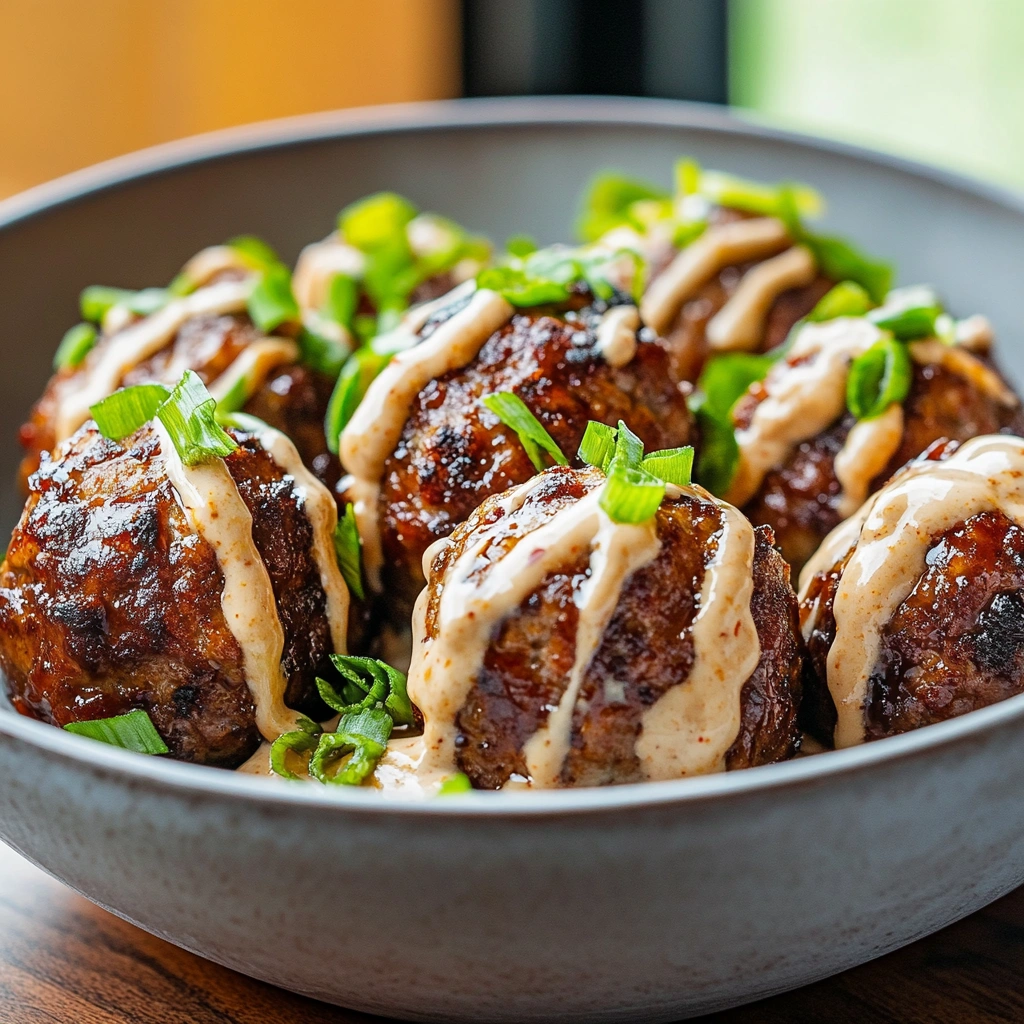
Serve them on skewers or toothpicks for easy finger food. Place them on a platter with a bowl of spicy mayo dip in the center. Garnish with chopped scallions and toasted sesame seeds for visual appeal.
Main Course Ideas
These meatballs pair perfectly with a bowl of steamed jasmine or sticky rice. For a low-carb option, serve them over cauliflower rice or inside crisp lettuce wraps. You can also build a Korean-inspired rice bowl by adding pickled vegetables, sautéed greens, and a soft-boiled egg.
Side Dishes
Complement the meatballs with traditional Korean sides like kimchi, cucumber salad, or sautéed spinach. A light Asian slaw with vinegar and sesame oil dressing adds a crunchy, refreshing contrast.
Drinks and Beverages
Balance the heat of the dish with light, bubbly drinks. Korean beer or soju are classic pairings. For non-alcoholic options, sparkling water with lime, iced green tea, or a lightly sweetened ginger drink work well to cleanse the palate.
Whether served as party appetizers or part of a full dinner spread, these meatballs adapt well to any setting. Their flavor is bold enough to stand alone but also blends seamlessly into a variety of meal formats.
Make Ahead and Storage Tips
Korean BBQ meatballs are a great make-ahead option, perfect for meal prep or party planning. Their flavor even improves after a day or two as the ingredients meld.
Preparing in Advance
You can form the meatballs up to 24 hours in advance and store them covered in the refrigerator. The sauce and spicy mayo dip can also be made ahead and kept in airtight containers.
Freezing Instructions
Both cooked and uncooked meatballs freeze well. Place them on a baking sheet and freeze until solid, then transfer to a resealable freezer bag. For best results, freeze without the glaze and add it fresh when reheating. Frozen meatballs will last up to 3 months.
Reheating Tips
To reheat, bake at 350°F for 10–12 minutes or until heated through. If using the microwave, cover loosely with a damp paper towel to retain moisture. Avoid overcooking, as it can dry out the meat.
Sauce and Dip Storage
The spicy mayo dip keeps for up to 5 days in the refrigerator. The BBQ glaze, once cooked, can be stored separately for up to a week and gently reheated on the stove before serving.
These tips help you keep the meal fresh and flavorful without the stress of last-minute cooking.
Common Mistakes to Avoid
While Korean BBQ meatballs are relatively easy to make, a few common mistakes can impact texture and flavor. Here’s what to watch for:
1. Overmixing the Meat
Mixing the meatball ingredients too vigorously can result in dense, tough meatballs. Combine just until the ingredients are evenly distributed.
2. Using Lean Meat Only
Choosing only lean meats like turkey breast or extra-lean beef can make the meatballs dry. A little fat is essential for moisture and flavor. If you must use lean meat, consider adding a small amount of grated onion or milk-soaked breadcrumbs for moisture.
3. Skipping the Binder
Eggs and breadcrumbs help hold the meatballs together. Without them, your meatballs may fall apart during cooking, especially if pan-fried.
4. Overcooking
Whether baking or pan-frying, overcooked meatballs can become dry and rubbery. Use a thermometer to check for doneness—160°F for beef/pork, 165°F for poultry.
5. Overseasoning the Sauce
Gochujang and soy sauce are both bold and salty. If you’re not careful, the glaze can become overpowering. Taste as you go and adjust sweetness and acidity to balance the flavor.
Avoiding these mistakes ensures your Korean BBQ meatballs turn out flavorful, juicy, and perfectly textured every time.
FAQs Section
Q1: What makes Korean BBQ meatballs different from regular meatballs?
Korean BBQ meatballs are infused with ingredients common in Korean cuisine, such as Gochujang, soy sauce, and sesame oil. Unlike traditional meatballs that may be served with tomato-based sauces, these are coated in a sweet and spicy glaze and paired with a creamy mayo dip.
Q2: Can I use store-bought Korean BBQ sauce?
Yes, store-bought sauces can be used for convenience. However, homemade versions typically offer better flavor control and freshness. Look for brands with minimal additives and authentic ingredients if going the store-bought route.
Q3: How spicy is the spicy mayo dip?
The dip is moderately spicy when made with Sriracha or Gochujang. You can adjust the heat level to your preference by adding more or less of the spicy component. For a milder dip, add extra mayo or a splash of lime juice.
Q4: Are these meatballs good for meal prep?
Absolutely. They store and reheat well, making them ideal for meal prep. You can refrigerate for up to four days or freeze them for longer storage.
Q5: Can I make these in an air fryer?
Yes. Air frying gives them a crispy exterior without excess oil. Cook at 375°F for 10–12 minutes, flipping halfway through. Always check for doneness using a meat thermometer.
Q6: What can I substitute for Gochujang?
Sriracha or a blend of chili paste and a touch of miso can offer a similar heat and depth. While not identical, these substitutes work well in a pinch.

Korean BBQ Meatballs with Spicy Mayo Dip
These Korean BBQ Meatballs are juicy, flavorful, and glazed with a sweet and spicy Korean-style BBQ sauce. Packed with garlic, ginger, soy sauce, and Gochujang, they’re the perfect bite-sized fusion of Korean and Western flavors. Served with a creamy spicy mayo dip, they make a crowd-pleasing appetizer, party snack, or weeknight dinner. Bake, pan-fry, or air-fry them—this versatile recipe fits any occasion and can easily be made gluten-free or low-carb.
Ingredients
- 1 pound Beef Mince
- 1/4 cup Breadcrumbs
- 1/4 cup Parmesan Cheese grated
- 1 Egg
- 1/4 cup Onion chopped
- 2 cloves Garlic Cloves minced
- 1/4 cup Fresh Parsley chopped
- 1/2 teaspoon Dried Oregano
- 1/4 teaspoon Salt
- 1/8 teaspoon Black Pepper
- 1 tablespoon Soy Sauce
- 1 teaspoon Sesame Oil
- 1/4 cup Mayonnaise
- 1 tablespoon Sriracha
- 1/2 teaspoon Soy Sauce
- 1/4 teaspoon Sesame Oil
- 1/8 teaspoon Garlic Powder
Instructions
- Preheat the Oven: Preheat your oven to 400°F (200°C).
- In a large bowl, combine ground beef, breadcrumbs, Parmesan cheese, egg, onion, garlic, parsley, oregano, salt, black pepper, soy sauce, and sesame oil. Mix until well combined.
- Form the mixture into meatballs, about 1 inch in diameter, and place them on a baking sheet lined with parchment paper.
- Bake in the preheated oven for 20-25 minutes, or until cooked through and browned.
- In a small bowl, mix together mayonnaise, sriracha, soy sauce, sesame oil, and garlic powder until smooth.