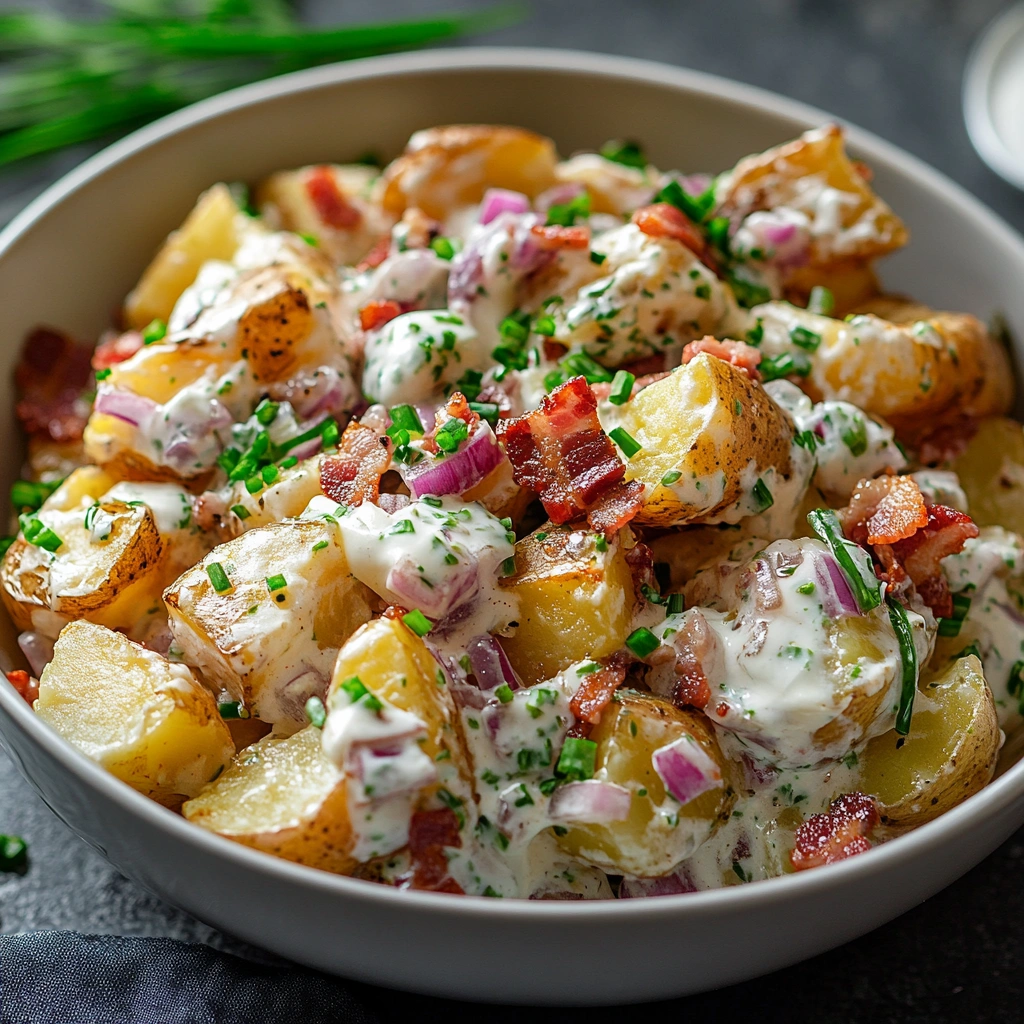
Loaded baked potato salad brings together the best of two beloved dishes: the creamy, comforting texture of traditional potato salad and the bold, savory toppings of a loaded baked potato. This hybrid dish elevates simple boiled potatoes by incorporating crispy bacon, sharp cheddar, tangy sour cream, and fresh green onions, resulting in a harmonious blend of flavors and textures. Perfect for backyard barbecues, family picnics, or cozy weeknight dinners, loaded baked potato salad offers an indulgent twist on a classic side. In this article, you’ll discover how to select the ideal potatoes, master the perfect bake, and assemble your salad for maximum appeal. We’ll delve into ingredient choices, essential tools, step-by-step preparation, and creative variations. Whether you’re a seasoned home cook or a culinary novice, you’ll walk away with all the knowledge needed to serve this crowd-pleasing salad at your next gathering—and earn rave reviews.
Origins & Culinary Context
Potato salad traces its roots to Europe, with early recipes emerging in German and Belgian cookbooks of the eighteenth century. Originally dressed with oil and vinegar, these early salads evolved in America to embrace mayonnaise as the creamy binder, giving birth to the classic mayonnaise-based potato salad recognized today. Meanwhile, the loaded baked potato—topped with butter, sour cream, cheese, and bacon—became a staple of American diners by the mid-twentieth century, prized for its customizable toppings and comforting appeal.
The concept of “loading” a potato began long before convenience microwaves, as home cooks would hollow out the tuber and refill it with a mixture of seasoned potato flesh and complementary flavors. In the 1960s and 1970s, as backyard grilling and potluck culture grew, combining the two traditions—potato salad and loaded baked potatoes—was an inevitable innovation. The result is a dish that pairs the cold, creamy salad texture with warm, flavor-packed toppings traditionally reserved for individually baked potatoes.
Loaded baked potato salad has earned its place at casual gatherings, from Fourth of July picnics to Sunday church potlucks. Its make-ahead convenience and crowd-friendly flavor profile make it a go-to side for summer barbecues and winter holiday feasts alike. As you prepare this dish, you’ll see how its hybrid heritage informs each step, from potato selection to final garnish.
What Is Loaded Baked Potato Salad?
Loaded baked potato salad is a potato salad variant that incorporates the hallmark toppings of a loaded baked potato—bacon, cheddar cheese, sour cream, and green onions—into a cold, creamy salad. Unlike traditional potato salad, which relies on boiled potatoes mixed with mayonnaise and mustard, this version starts with oven-baked or roasted potatoes, imparting a deeper, roasted flavor. After baking, the potatoes are chopped or lightly mashed and combined with a mayonnaise-sour cream dressing, crumbled bacon, shredded cheese, and fresh aromatics. The dish is typically served chilled, though the baked potato pieces retain a warm, tender interior that contrasts with the cool dressing. Loaded baked potato salad stands out for its layered textures—crispy bacon, creamy dressing, and firm potato chunks—making each bite both rich and refreshing. It’s an ideal choice when you want the indulgence of a loaded baked potato in a shareable, make-ahead format.
Key Ingredients Overview
At the heart of loaded baked potato salad are five core components: potatoes, bacon, cheese, creamy dressing, and fresh aromatics. Choose a starchy variety—such as russets or Yukon Golds—for a fluffy interior that absorbs flavors. Bacon provides crispy, smoky depth; opt for thick-cut and cook until crisp but not burnt. Sharp cheddar cheese adds tang and richness; grate it yourself for better melt-in-your-mouth texture. The dressing combines sour cream and mayonnaise, balancing tanginess and creaminess—Greek yogurt can lighten it. Finally, green onions or chives bring a pop of fresh, oniony brightness. Optional add-ins like diced pickles, crumbled blue cheese, or chopped parsley allow customization without overwhelming the classic profile. Quality and balance are key: each ingredient should stand out while contributing to a harmonious whole.
Ingredient Deep Dive
-
Potatoes
Choosing the right potato is essential. Russets offer high starch content and a fluffy texture once baked, ideal for absorbing the dressing without falling apart. Yukon Golds, with medium starch and a naturally buttery flavor, hold their shape slightly better and require less seasoning. Avoid waxy potatoes like red or new potatoes; they resist mashing and won’t soak up flavors as effectively. For even cooking, select uniform-sized potatoes, scrub well but leave the skin on for added color and nutrients. Pierce each potato with a fork several times to allow steam to escape. Baking at 400°F for 45–60 minutes yields tender flesh—test doneness by inserting a skewer; it should slide in easily. -
Bacon
Bacon brings smoky, crispy contrast. Thick-cut slices are preferable, as they maintain texture when crumbled. Cook over medium heat in a skillet, turning occasionally for even browning, or bake on a wire rack at 400°F for 15–20 minutes. Reserve rendered fat for tossing potato chunks—adds depth of flavor. Drain cooked bacon on paper towels, then crumble once cooled. For a lighter alternative, turkey bacon can be used, but it will lack the same fat content and crispiness. -
Cheese
Sharp cheddar is the classic choice, offering tang and melt-in-your-mouth texture. White cheddar presents a milder flavor and cleaner appearance. Grate your own cheese from a block—pre-shredded varieties often contain anti-caking agents that inhibit melting. For variation, try a blend with Monterey Jack or pepper jack for subtle heat. Aim for about 1 cup of cheese per pound of potatoes. -
Creamy Base
A 1:1 ratio of sour cream to mayonnaise achieves a balance of tang and richness. Sour cream lends acidity, while mayonnaise provides smooth, fatty mouthfeel. Greek yogurt can replace half the mayo for a lighter profile. Season the dressing with salt, black pepper, and a splash of apple cider vinegar or lemon juice to brighten flavors. -
Fresh Aromatics
Green onions and chives contribute crisp, oniony notes. Slice green onions thinly, using both white and green parts for varied intensity. Chives offer a delicate garlic-onion flavor. Stir these in just before serving to preserve color and freshness.

Tools & Equipment
Preparing loaded baked potato salad requires minimal, readily available kitchen tools. A sturdy baking sheet ensures even roasting; lining it with foil or parchment paper simplifies cleanup. A fork or skewer tests potato doneness. Use a sharp chef’s knife and cutting board to chop potatoes and dice aromatics. A large mixing bowl holds all ingredients—preferably glass or stainless steel to avoid retaining flavors. For bacon, choose between a heavy skillet for stovetop crisping or a wire rack atop a baking sheet for oven cooking. A fine-grated box grater yields fluffy cheese that blends seamlessly into the salad. To mash lightly, use a potato masher or fork; avoid over-mashing to maintain chunkiness. Optional tools include a cooling rack to prevent sogginess and a silicone spatula for gentle folding. Having these essentials on hand streamlines assembly and maximizes flavor development.
Step-by-Step Preparation
-
Preheat and Prepare Potatoes
Preheat your oven to 400°F (200°C). While it heats, scrub 2 pounds of russet or Yukon Gold potatoes under cold running water to remove debris—leave the skins on for texture and nutrition. Pat dry, then use a fork to pierce each potato 6–8 times, allowing steam to escape during baking. Optional: lightly coat with olive oil and a sprinkle of coarse salt for crispier skins. Arrange potatoes on a foil-lined baking sheet, ensuring space between them for even heat circulation. -
Bake to Tenderness
Place the sheet on the center rack and bake for 45–60 minutes. Rotate the pan halfway through to promote uniform cooking. To test doneness, insert a thin skewer or dinner fork into the center; it should slide in with minimal resistance. If potatoes need more time, continue checking every five minutes until they yield easily. Remove from oven and let cool for 10–15 minutes—warm but not piping hot—to facilitate handling and retain internal moisture. -
Cook and Crumble Bacon
While potatoes bake, prepare 6–8 slices of thick-cut bacon. For stovetop: heat a cast-iron skillet over medium heat until shimmering, add bacon in a single layer, and cook 4–6 minutes per side until deep golden and crisp. For oven method: arrange strips on a wire rack set atop a baking sheet, bake at 400°F for 15–20 minutes. Transfer cooked bacon to paper towels to drain, then crumble into bite-sized pieces once cool. Reserve two tablespoons of rendered fat for extra flavor if desired. -
Dice and Combine Base
Once potatoes are cool enough to handle, halve each lengthwise and scoop flesh into a large mixing bowl, leaving a thin layer of skin intact for structure. Roughly chop potato pieces to uniform 1-inch cubes—avoid over-mashing, as you want distinct chunks. In a separate small bowl, whisk together ½ cup sour cream, ½ cup mayonnaise, 1 teaspoon apple cider vinegar, salt, and freshly ground black pepper. Pour the dressing over potatoes and fold gently with a silicone spatula until all pieces are coated evenly. -
Incorporate Toppings
Add crumbled bacon, 1 cup shredded sharp cheddar cheese, and ½ cup finely sliced green onions (white and green parts). Fold gently to distribute without breaking potatoes. Taste and adjust seasoning—add a pinch of smoked paprika or a dash of hot sauce for depth. For presentation, reserve a small handful of bacon, cheese, and green onions to sprinkle on top just before serving. -
Chill and Final Assembly
Cover the bowl with plastic wrap and refrigerate for at least 1 hour to allow flavors to meld and the salad to firm up. Before serving, stir gently to reincorporate any settled dressing. Transfer to a serving platter or individual bowls, sprinkle reserved toppings, and garnish with fresh chives or parsley sprigs. Serve chilled or at cool room temperature.
Variations & Add-Ins
-
Chili-Style Loaded
Stir in ¾ cup cooked ground beef seasoned with chili powder, cumin, and smoked paprika. Add ½ cup drained black beans and ¼ cup diced jalapeños for heat. Fold in ½ cup finely chopped red onion. Top with shredded Monterey Jack cheese and a dollop of salsa before serving. -
Tex-Mex Twist
Replace traditional bacon with crumbled chorizo. Use a cilantro-lime dressing: whisk lime juice, chopped cilantro, a splash of olive oil, and minced garlic into the sour cream-mayo base. Add ½ cup corn kernels and ½ cup diced red bell pepper for color and sweetness. -
Vegan Adaptation
Swap potatoes with pre-roasted cauliflower florets for lower carbs. Use vegan yogurt and vegan mayonnaise in the dressing. Substitute tempeh bacon crumbles or smoked coconut flakes for bacon’s smokiness. Add nutritional yeast for cheesy notes. Finish with chopped scallions and toasted nuts for crunch. -
Mediterranean Flair
Omit bacon and cheddar. Stir in ½ cup chopped Kalamata olives, ½ cup diced cucumber, and ¼ cup sun-dried tomatoes. Use a Greek-style dressing: blend ¼ cup olive oil, 2 tablespoons red wine vinegar, minced garlic, dried oregano, salt, and pepper. Garnish with crumbled feta and fresh oregano. -
Herb-Infused Lightened Version
Halve the mayonnaise and use all Greek yogurt. Stir in a tablespoon each of chopped dill, parsley, and chives. Add 1 teaspoon Dijon mustard for bright acidity. Garnish with lemon zest and microgreens for freshness. -
Cheesy Bacon Ranch
Incorporate 2 tablespoons ranch seasoning into the creamy base. Use a blend of Colby Jack and mozzarella cheese. Include ½ cup diced pickles and ¼ cup chopped celery. Top with extra ranch drizzle and crispy fried onions for texture contrast.
Serving Suggestions & Pairings
Loaded baked potato salad complements a variety of mains and sides thanks to its rich, savory profile. Pair it with grilled proteins such as ribeye steak, barbecue chicken thighs, or smoked brisket to balance hearty flavors with its creamy tang. For lighter fare, serve alongside pan-seared fish or herb-roasted chicken breast. As part of a picnic spread, include tangy coleslaw, buttery corn on the cob, and a simple arugula salad dressed with lemon vinaigrette to refresh the palate. For vegetarian menus, accompany the salad with grilled portobello mushrooms or vegetable kebabs. When presenting at buffets or potlucks, arrange the salad in a shallow dish and surround it with individual bowls of extra toppings—chives, crumbled bacon, shredded cheese—allowing guests to customize. Garnish the serving platter with fresh parsley sprigs or edible flowers for visual appeal and an inviting centerpiece.
Make-Ahead, Storage & Reheating
Loaded baked potato salad is well suited to advance preparation. After mixing and incorporating all ingredients, cover the bowl tightly with plastic wrap or transfer to an airtight container and refrigerate for up to 3 days. Chilling for at least one hour before serving ensures flavors meld and the dressing firms. Avoid freezing, as the mayonnaise and sour cream base can separate and become watery upon thawing, and potato texture will degrade.
For travel or potlucks, pack salad components separately: potatoes and dressing in one container, crispy toppings (bacon, cheese, scallions) in another. Combine just before serving to preserve crunch and fresh color. If potatoes absorb too much dressing overnight and become dry, stir in a tablespoon of cold water, milk, or additional sour cream to restore creaminess.
Reheating is generally unnecessary—serve chilled or at cool room temperature. If you prefer a slightly warm salad, microwave individual portions in 15-second intervals, stirring between bursts until just warmed through. Alternatively, spread leftovers on a baking sheet and bake at 325°F for 5–7 minutes to gently reheat without melting the dressing completely. After heating, refresh with a sprinkle of fresh scallions or parsley.
Nutritional Information & Dietary Considerations
A standard 1-cup serving of loaded baked potato salad (approximately 200 grams) contains roughly: 350–400 calories, 20–25 g fat (including 7–10 g saturated fat), 30–35 g carbohydrates, 3–5 g dietary fiber, 6–8 g protein, and 400–500 mg sodium. Exact values vary based on ingredient brands and portion sizes. For lower-fat options, reduce mayonnaise by half and substitute plain Greek yogurt; choose turkey bacon or omit bacon altogether. To cut calories further, replace half the potatoes with roasted cauliflower florets.
Allergen notes: contains dairy, eggs (in mayonnaise), and pork (in bacon). For egg-free diets, use vegan mayonnaise; for dairy-free, substitute dairy-free sour cream alternatives and vegan cheese. Gluten-free diets are compatible if all components (seasonings, bacon, dressings) are certified gluten-free. Individuals on low-sodium regimens should choose reduced-sodium bacon, cheese, and mayonnaise, and rinse cooked bacon to remove excess salt.
To boost micronutrient content, leave skins on potatoes for added potassium and vitamin C, and increase fresh herbs like parsley for vitamin K and antioxidants. Add non-starchy vegetables—diced bell peppers, celery, or green peas—to enhance fiber and reduce overall carbohydrate density per serving.
FAQs
-
Can I use red potatoes instead of russets or Yukon Golds?
Red potatoes are waxier and hold their shape well when boiled, but they won’t absorb dressing as readily as starchy varieties. If using reds, halve the potatoes before baking to ensure even cooking, and consider slightly roughing up the edges so dressing clings more effectively. -
How do I prevent the salad from becoming watery?
Pierce and bake potatoes to full doneness—underbaked potatoes release excess moisture. Let potatoes cool uncovered to evaporate steam before combining with dressing. Use full-fat mayonnaise and sour cream to stabilize the emulsion. Chill the salad with a tight cover to prevent condensation. -
What’s the best way to reheat individual servings without losing texture?
Microwave in 15-second bursts, stirring between each, until just warmed. Alternatively, spread a single portion on a small baking dish and warm at 325°F for 5 minutes. Add fresh scallions and a pinch of crispy bacon after reheating to restore crunch. -
Can I prep all components the day before?
Yes—bake potatoes, cook bacon, and shred cheese up to 24 hours ahead. Store each component separately in airtight containers. Mix potatoes with dressing no more than two hours before serving to maintain optimal texture; add toppings just before plating. -
How do I keep the potatoes from turning brown after cutting?
Immediately toss hot potato chunks in the dressing to coat surfaces and prevent oxidation. Keep the salad chilled; refrigeration slows enzymatic browning. If potatoes are cut in advance, submerge them briefly in lightly salted water, then drain, pat dry, and proceed with the recipe. -
What can I use instead of mayonnaise?
Substitute an equal amount of Greek yogurt for a tangier, lighter profile. For vegan diets, use plant-based mayonnaise or blended silken tofu. Adjust seasonings—add a splash of vinegar or mustard—to compensate for flavor differences.
Loaded Baked Potato Salad
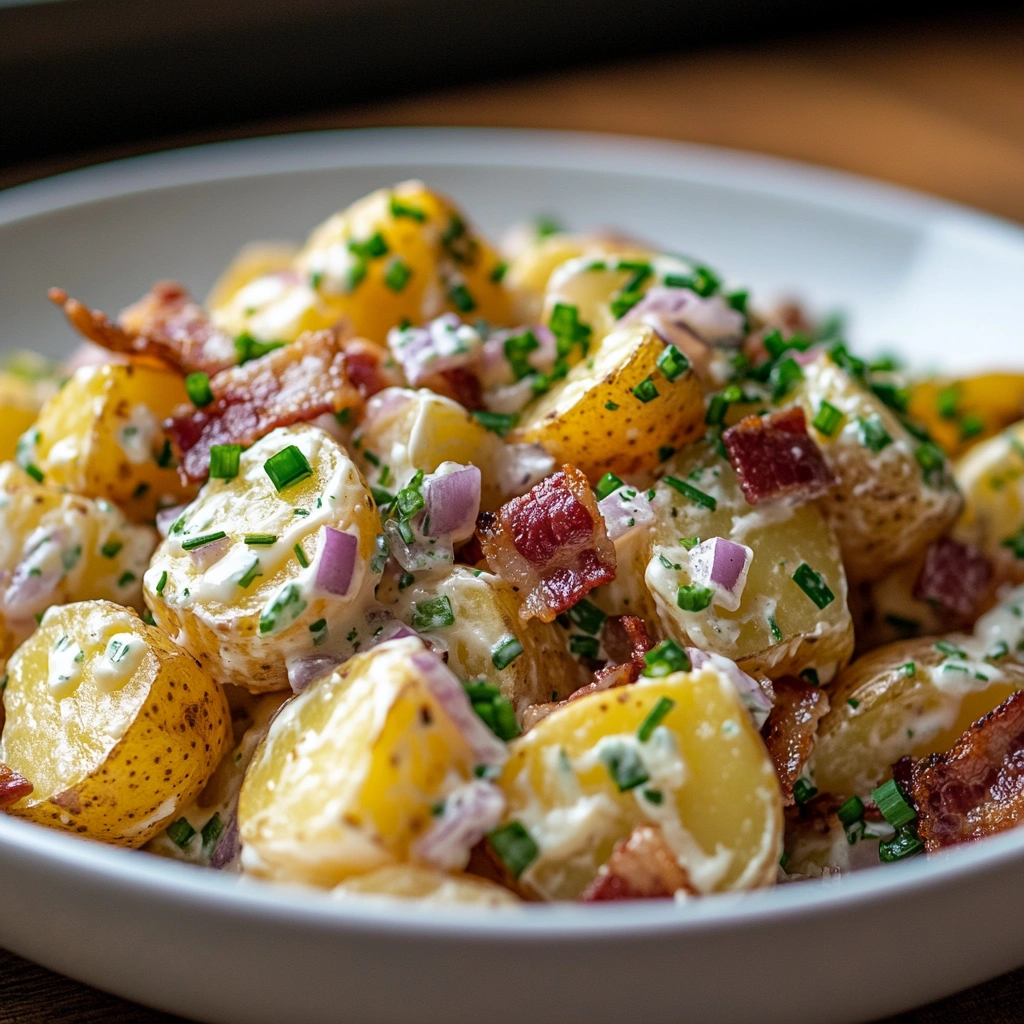
This loaded baked potato salad transforms humble spuds into a show-stopping side dish by marrying the comforting creaminess of classic potato salad with all the best toppings of a loaded baked potato. Tender oven-baked potatoes are lightly mashed and tossed in a tangy sour cream–mayonnaise dressing, then studded with crisp bacon, sharp cheddar, and fresh green onions. Serve chilled or at room temperature for backyard barbecues, potlucks, or weeknight dinners that demand a little extra flair.
Ingredients
- 2 pounds baby potatoes, halved
- 1 cup sour cream
- 1/2 cup mayonnaise
- 1 tablespoon Dijon mustard
- 1 teaspoon garlic powder
- 1 teaspoon onion powder
- 1/2 teaspoon salt
- 1/4 teaspoon black pepper
- 1 cup shredded cheddar cheese
- 6 slices bacon, cooked and crumbled
- 1/4 cup chopped green onions
- 1/4 cup chopped fresh parsley
Instructions
- In a large pot, bring salted water to a boil. Add the halved baby potatoes and cook until tender, about 15-20 minutes. Drain and let cool slightly.
- In a large mixing bowl, combine sour cream, mayonnaise, Dijon mustard, garlic powder, onion powder, salt, and black pepper. Stir until well mixed.
- Once the potatoes are cool enough to handle, add them to the mixing bowl with the dressing. Gently fold to coat the potatoes evenly.
- Add shredded cheddar cheese, crumbled bacon, chopped green onions, and parsley to the potato mixture. Stir gently to combine.
- Cover the salad and refrigerate for at least 1 hour to allow the flavors to meld.
- Before serving, give the salad a gentle stir and adjust seasoning if necessary. Garnish with additional green onions and bacon if desired.