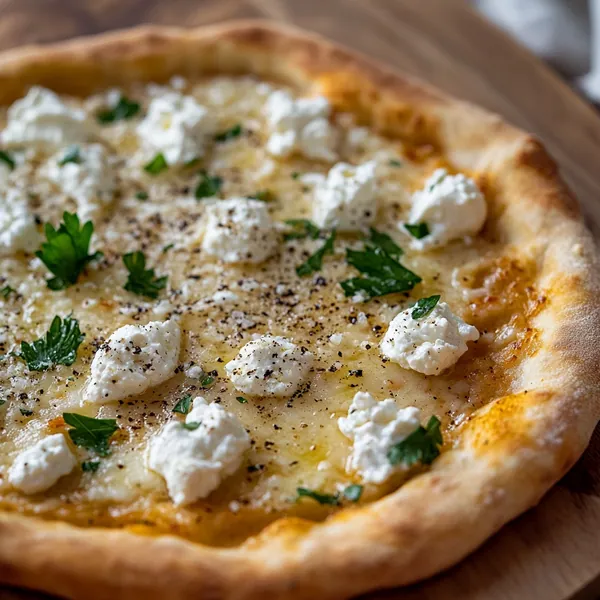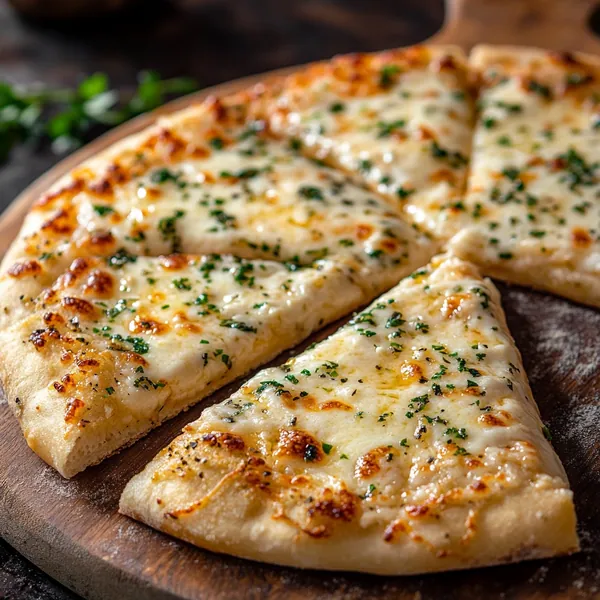
Lemon pizza is an unexpected yet remarkably delicious twist on a beloved classic. Departing from traditional tomato-based pies, this zesty version introduces bright citrus notes that enhance and elevate each bite. A favorite among foodies, chefs, and adventurous home cooks, lemon pizza has made its way from niche culinary blogs to the menus of high-end pizzerias and restaurants around the world.
Unlike standard pizzas that rely heavily on rich sauces or heavy meats, lemon pizza brings a light, refreshing flavor profile that pairs perfectly with creamy cheeses, fresh herbs, and thin, crispy crusts. It is particularly popular in spring and summer months when bright flavors are most appreciated, but its appeal lasts year-round for those seeking something different.
This dish exemplifies how simplicity and creativity can come together beautifully in modern cuisine. Whether you’re using fresh lemon zest, thinly sliced lemons, or preserved lemon for added depth, there are countless ways to build a lemon pizza that suits your taste. This article will walk you through its history, why it works so well, the ingredients you need, and how to customize it to your liking. Lemon pizza may not be traditional, but it just might become your new favorite.
The Origins of Lemon Pizza
While lemon pizza may feel like a modern culinary invention, its origins can be traced to the evolving world of fusion cooking and artisan pizza trends. It doesn’t stem from traditional Italian recipes, where tomatoes and mozzarella dominate. Instead, lemon pizza represents a creative reimagining of what pizza can be—one that draws inspiration from Mediterranean and Californian cuisine, both known for their use of fresh, bright ingredients.
The earliest appearances of lemon pizza likely occurred in upscale restaurants and experimental kitchens. Gourmet chefs started incorporating lemon as a way to cut through the richness of cheese and crust, particularly when pairing it with ingredients like ricotta, arugula, or prosciutto. These pairings not only complemented each other but also introduced a refreshing element to what can often be a heavy dish.
Food bloggers and Pinterest creators quickly caught on, showcasing versions of lemon pizza with minimal ingredients and beautiful presentations. As the “clean eating” and “simple gourmet” movements grew in popularity, lemon pizza gained traction for its wholesome, elegant flavor profile. It became especially trendy in cities known for progressive food scenes like Los Angeles, New York, and London.
Today, lemon pizza isn’t just a novelty—it’s a menu staple at many artisan pizzerias and a favorite among home cooks who enjoy seasonal, fresh meals. It represents the fusion of tradition and innovation, showing that even a centuries-old dish like pizza still has room to evolve.
Flavor Profile and Why Lemon Works on Pizza
Lemon may seem like an unusual ingredient for pizza, but its citrusy brightness offers a dynamic contrast that transforms the dish. The acidity of lemon cuts through the richness of cheeses such as ricotta, goat cheese, or mozzarella, creating balance and adding complexity to each bite. Its floral, aromatic notes also elevate the overall flavor without overwhelming it.
Lemon pairs especially well with other ingredients commonly used on pizza. For example, its tartness highlights the peppery bitterness of arugula, enhances the saltiness of cured meats like pancetta or prosciutto, and blends beautifully with earthy herbs like thyme and basil. When paired with a drizzle of olive oil and a sprinkle of chili flakes, lemon can also bring a subtle heat and depth that elevates a minimalist pizza.
Another reason lemon works so well is its versatility in form. Fresh lemon zest offers brightness without moisture, while thinly sliced lemons (including the peel) provide bitterness and texture. Preserved lemon, with its softened rind and intense flavor, adds a deeply savory and tangy dimension perfect for more adventurous palates.
Ultimately, lemon serves as both a highlight and a counterpoint on pizza—bringing freshness, contrast, and a unique taste that redefines the eating experience.
Core Ingredients for Lemon Pizza
Creating a delicious lemon pizza starts with selecting high-quality, complementary ingredients that highlight the citrus element while maintaining balance and texture. Below are the core components you’ll need to build a flavorful lemon pizza from scratch or modify an existing recipe to suit your tastes.
1. Dough Base
The foundation of any great pizza is the dough. Traditional Neapolitan dough, known for its chewy interior and crispy exterior, is a popular choice. Sourdough pizza crust adds a tangy note that complements the lemon nicely. For a faster or gluten-free option, store-bought or cauliflower-based crusts can be used without sacrificing quality.
2. Lemon
There are several ways to incorporate lemon:
-
Lemon zest – Offers aroma and subtle citrus flavor without moisture.
-
Thin lemon slices – Preferably with the peel on, using Meyer lemons or unwaxed lemons for sweetness and a tender rind.
-
Preserved lemon – Adds an intense, salty-tangy flavor and soft texture; chop finely to distribute evenly.
3. Cheese
The cheese you select will dictate the creaminess and flavor balance:
-
Ricotta – Creamy and mild; spreads easily as a base.
-
Goat cheese – Tangy and rich; pairs well with citrus.
-
Mozzarella – Melts beautifully, great for layering.
-
Parmesan – Adds sharpness and umami as a finishing touch.
4. Herbs and Greens
Fresh herbs lift the overall flavor:
-
Arugula – Adds a peppery bite post-bake.
-
Thyme – Earthy and aromatic; sprinkle before baking.
-
Basil – Sweet and fragrant, best added fresh after baking.
5. Additional Flavor Enhancers
-
Olive oil – A good drizzle before or after baking adds richness.
-
Garlic – Roasted or minced for added depth.
-
Chili flakes – Optional heat to balance lemon’s brightness.
-
Honey – A touch of sweetness complements tart lemon and salty cheese.
Choosing high-quality, seasonal ingredients will ensure your lemon pizza tastes as vibrant and balanced as possible.

Custom Variations and Toppings
One of the best things about lemon pizza is how versatile it can be. From simple vegetarian versions to more indulgent creations, lemon serves as a bright foundation that pairs well with a variety of toppings.
Vegetarian Variations
A common plant-based option includes a ricotta base topped with lemon zest, thin slices of lemon, arugula, and chili flakes. You can also add caramelized onions, sautéed mushrooms, or roasted garlic for more depth. Goat cheese is another excellent match for lemon, offering creamy tartness that echoes the citrus profile.
Seafood Toppings
Lemon pairs exceptionally well with seafood. Shrimp or smoked salmon add luxurious texture and subtle saltiness. Top with capers and fresh dill for a coastal-inspired twist.
Meat-Based Options
If you’re craving protein, thinly sliced pancetta or prosciutto can be added either before or after baking. These salty, fatty meats complement lemon’s acidity and balance out the richness of the cheese.
Vegan Adaptations
For a dairy-free version, use a base of cashew cream or almond ricotta. Add lemon zest, nutritional yeast, and olive oil. Toppings like spinach, olives, and roasted artichokes make the pizza hearty and flavorful without any animal products.
Sweet and Savory Combos
Lemon can also work in slightly sweet flavor profiles. Try a drizzle of honey post-bake or pair with fresh figs and a sprinkle of flaky sea salt for an elegant twist.
How to Make Lemon Pizza at Home: Step-by-Step
Making lemon pizza at home is surprisingly simple and rewarding. With a few fresh ingredients and some basic kitchen tools, you can create a zesty, gourmet-quality pizza in under an hour. Here’s a step-by-step guide.
Step 1: Prepare the Dough
You can use store-bought dough or make your own using flour, yeast, water, salt, and olive oil. Allow the dough to come to room temperature so it’s easier to stretch.
Step 2: Preheat the Oven
Set your oven to its highest setting, typically 475°F to 500°F (245°C to 260°C). Place a pizza stone or baking steel in the oven to preheat, if available, for a crispier crust.
Step 3: Prepare the Lemon
Use either:
-
Thinly sliced fresh lemon (preferably Meyer lemons or unwaxed lemons)
-
Fresh lemon zest
-
Finely chopped preserved lemon
If using slices, remove seeds and slice as thinly as possible to prevent bitterness.
Step 4: Assemble the Pizza
Roll or stretch your dough to your desired thickness. Lightly brush with olive oil. Spread a base layer of ricotta or goat cheese. Evenly distribute lemon slices or zest. Add any additional toppings like mozzarella, herbs (thyme or basil), or arugula (to be added post-bake).
Step 5: Bake the Pizza
Transfer the assembled pizza to the preheated stone or baking sheet. Bake for 8–12 minutes, or until the crust is golden and the cheese is bubbling.
Step 6: Add Finishing Touches
After baking, top with fresh arugula, a drizzle of olive oil or honey, a pinch of chili flakes, or grated parmesan.
This method allows for endless customization, while keeping lemon as the vibrant, citrus-forward highlight of the dish.

Expert Tips for Perfect Lemon Pizza
Perfecting lemon pizza comes down to balance, preparation, and technique. These expert tips can help ensure your lemon pizza is both flavorful and visually appealing.
1. Choose the Right Lemons
Use Meyer lemons or other thin-skinned, less bitter varieties. If you’re using regular lemons, consider blanching the slices in boiling water for 30 seconds to reduce bitterness from the rind.
2. Slice Lemons Thinly
The thinner the lemon slice, the better it integrates into the pizza without overpowering other flavors. Use a sharp knife or mandoline for uniform, paper-thin rounds.
3. Zest Before You Slice
If you plan to use both zest and slices, zest the lemon first to make the process easier and preserve the oils.
4. Pre-Roast Ingredients
Pre-cook items like garlic, mushrooms, or pancetta to prevent sogginess and intensify flavor. Roasting also removes moisture that could disrupt the crust texture.
5. Balance Acidity with Fat
The brightness of lemon needs to be paired with rich or creamy ingredients like ricotta, mozzarella, or goat cheese. This contrast ensures a smooth flavor experience without sharp edges.
6. Post-Bake Greens and Oils
Add arugula, basil, or finishing oils only after baking. This preserves their flavor and texture.
7. Use a Pizza Stone or Steel
These help create the crispy base necessary to handle moist toppings like lemon slices and soft cheese.
By following these tips, you’ll avoid common pitfalls and get the most out of lemon’s complex flavor on your pizza.
Pairing Lemon Pizza with Drinks and Sides
The bright, tangy profile of lemon pizza pairs well with crisp drinks and light, complementary sides. Choosing the right pairings can elevate your dining experience and bring out the best in every bite.
Wine Pairings
Citrus-forward pizzas like lemon pizza benefit from wines with acidity and freshness. Opt for a Sauvignon Blanc, Pinot Grigio, or a dry Chardonnay. These wines offer herbal and citrus notes that mirror and enhance the lemon element without clashing.
Beer and Cocktails
If you prefer beer, go for a citrusy IPA or a wheat beer with lemon notes. For cocktails, a limoncello spritz or a gin and tonic with lemon zest pairs beautifully and stays on theme.
Side Dishes
Serve lemon pizza with a simple arugula salad dressed in olive oil and lemon juice, or a caprese salad with basil and fresh mozzarella. Grilled vegetables like zucchini, asparagus, or artichokes also make excellent companions. For a heartier option, pair it with a bowl of white bean salad or a chilled farro salad with herbs and citrus vinaigrette.
Whether you’re hosting a dinner party or cooking for one, these drink and side options will round out the flavors and make your lemon pizza shine.
Lemon Pizza Around the World
Though not a traditional pizza topping, lemon has gained international popularity in modern pizzerias and gourmet kitchens across the globe. Its rise reflects the growing trend toward creative, seasonal ingredients and minimalist flavor pairings.
United States
In cities like Los Angeles, San Francisco, and New York, lemon pizza has become a hallmark of artisanal pizza culture. Upscale establishments experiment with preserved lemon, ricotta, and specialty herbs like fennel pollen to create sophisticated pies.
United Kingdom and Europe
London’s trendy pizza restaurants frequently feature lemon pizza with ingredients like burrata, chili oil, and anchovies. In other parts of Europe, especially along the Mediterranean coast, chefs are embracing lemon as a way to honor regional citrus crops.
Australia and New Zealand
These countries have embraced lemon pizza with local twists. Variations include lemon with prawns, feta, and fresh rocket, reflecting the area’s seafood-forward and fresh produce-driven cuisine.
Pinterest and Online Communities
On platforms like Pinterest and Instagram, lemon pizza appears in thousands of posts showcasing minimalist white pies, lemon-and-herb combinations, and plant-based interpretations. These posts often serve as inspiration for home cooks looking for light, elegant meals.
Across continents, lemon pizza reflects a shift toward fresh, bold flavors that break the traditional mold.
FAQs – People Also Ask
Is lemon good on pizza?
Yes, lemon can be a delicious addition to pizza when used thoughtfully. Its brightness and acidity provide contrast to rich cheeses and savory toppings, creating a well-balanced flavor profile. It works particularly well with creamy cheeses and fresh herbs.
How do you slice lemons thin enough for pizza?
Use a very sharp knife or a mandoline slicer to get ultra-thin, even slices. Removing the seeds before slicing ensures a better texture and taste. You can also lightly blanch the slices to reduce bitterness from the peel.
What cheese pairs best with lemon?
Soft, creamy cheeses like ricotta, goat cheese, and burrata pair best with lemon, as they balance the acidity with smooth, mild richness. Parmesan can be used as a finishing cheese to add saltiness and umami.
Can you use preserved lemon on pizza?
Absolutely. Preserved lemons add a bold, savory, and tangy flavor. They’re particularly good when finely chopped and sprinkled over the pizza before baking. Use sparingly, as the flavor is much stronger than fresh lemon.
What type of crust works best with lemon toppings?
A thin, crispy crust like Neapolitan or Roman-style works best. These styles support wet toppings without becoming soggy and allow the citrus flavors to stand out. Sourdough crust also complements the tangy notes of lemon.

Lemon Pizza
This lemon pizza is a refreshing twist on a classic, combining thinly sliced lemons or lemon zest with creamy cheese, fresh herbs, and a crisp, golden crust. Perfect for spring and summer, it’s light, flavorful, and easy to customize for vegetarians, pescatarians, or even plant-based diets. Whether you're looking to impress dinner guests or just try something new for pizza night, this recipe brings a gourmet feel with minimal ingredients and maximum flavor.
Ingredients
- 1 ball Easy pizza dough (or store-bough dough)
- 2 tablespoon extra virgin olive oil
- 1 tablespoon water
- 1 tablespoon fresh parsley, chopped
- 1 small garlic clove, grated
- 1 teaspoon lemon zest
- 1 teaspoon lemon juice
- ¼ teaspoon fine salt
- ¼ teaspoon black pepper
- 5 oz (150 grams) fresh mozzarella (or from ½ to ⅓ cup shredded firm mozzarella)
- 1 tablespoon lemon juice
- 2 tablespoon grated parmesan cheese
- 1 tablespoon fresh parsley
- Freshly ground black pepper, to taste
Instructions
- Follow the easy no-knead pizza recipe through step 5, including shaping the pizza and preheating the oven.
- If using fresh mozzarella cheese in water, cut it into ½ inch thick pieces. If it’s very watery, you may want to dab the mozzarella with the paper towel to remove excess moisture.
- when the dough is ready follow step 5, place the dough on a parchment paper sheet and starting from the center, gently press it out with your fingers until you get approx a 9×13 inch pizza. Then gently place the dough onto a pizza peel or onto the back of a rimmed baking sheet.
- Make the brine: Add the ingredients to a glass jar with a lid. Shake until well emulsified.
- Add the topping: Once the dough is stretched out, make a few dimples with your fingers, scatter the brine evenly over the dough, trying to fill the dimples with it. Add the mozzarella cheese.
- Bake the pizza: use the pizza peel to carefully transfer the pizza onto the preheated pizza stone. Bake the pizza until the cheese and crust are nicely browned. Each oven is different, keep an eye on it (e.g. in a forced fan oven it will take about 8-10 minutes).
- Serve: Top your freshly baked pizza with the fresh lemon juice, then sprinkle the parmesan cheese and the parsley. Finish with more black pepper or a touch of chilli flakes if you like. Slice and serve immediately.