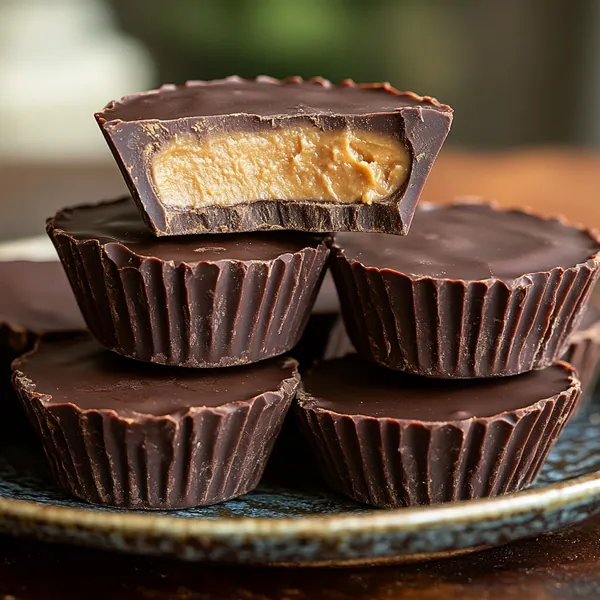
Chocolate peanut butter cups are a classic treat beloved by kids and adults alike. With their perfect balance of rich chocolate and creamy, salty-sweet peanut butter, they’re one of the most iconic candy combinations. While store-bought versions like Reese’s are widely available, making them at home allows for a level of freshness and customization that mass-produced candy simply can’t match.
Homemade chocolate peanut butter cups are surprisingly easy to make, requiring just a few basic ingredients and minimal equipment. Whether you prefer dark chocolate, creamy peanut butter, or even a dairy-free version, this recipe can be tailored to your taste and dietary needs.
In this guide, we’ll walk you through everything you need to know: from the ingredients and step-by-step method to tips for getting a smooth finish and ideas for delicious variations. Once you try making them yourself, you might never go back to the packaged kind again.
Why Make Peanut Butter Cups at Home?
There are several reasons why homemade chocolate peanut butter cups are worth the effort. First, they’re cost-effective. Buying high-quality peanut butter cups in stores can be expensive, especially if you’re looking for organic, dairy-free, or gourmet options. Making them at home allows you to use premium ingredients at a fraction of the cost.
Second, you have full control over the ingredients. This means you can avoid additives, preservatives, and excess sugar found in commercial candy. You can use natural or organic peanut butter, fair-trade chocolate, or low-sugar alternatives to suit your personal preferences or dietary needs. For those with food allergies or sensitivities, homemade cups also make it easier to avoid problematic ingredients like dairy, gluten, or soy.
Third, they’re highly customizable. You can experiment with flavors, textures, and even the size and shape of your cups. Prefer almond butter over peanut butter? Want to try white chocolate instead of dark? The possibilities are endless.
Finally, making peanut butter cups is simply fun. It’s a great project for kids, a thoughtful homemade gift, or just a satisfying way to treat yourself. Whether you’re a seasoned baker or a total beginner, the process is straightforward and rewarding. Plus, they store well in the fridge or freezer, so you can make a big batch and enjoy them whenever a craving hits.

Ingredients You’ll Need
To make delicious homemade chocolate peanut butter cups, you only need a handful of ingredients. Most of these are pantry staples, and there’s plenty of room to adjust based on your dietary preferences or desired flavor profile.
Basic Ingredients:
-
Chocolate – You can use semi-sweet, dark, milk, or even white chocolate, depending on your preference. Chocolate chips, chopped bars, or melting wafers all work. For best results, use high-quality chocolate with at least 60% cocoa if you want a richer flavor.
-
Peanut Butter – Creamy peanut butter is the classic choice, but crunchy peanut butter adds a nice texture. Natural peanut butter with minimal added sugar or oil is ideal, but you can adjust to taste.
-
Coconut Oil or Butter (Optional) – Adding a small amount of coconut oil to melted chocolate makes it smoother and helps it set better when chilled.
-
Powdered Sugar (Optional) – If your peanut butter is unsweetened, you can mix in a bit of powdered sugar to sweeten and thicken the filling.
-
Vanilla Extract (Optional) – Adds a subtle depth of flavor to the peanut butter mixture.
-
Sea Salt (Optional) – A sprinkle on top enhances the sweet and salty balance.
Optional Add-Ins for Variations:
-
Honey or maple syrup for natural sweetness
-
Graham cracker crumbs for texture
-
Protein powder for a healthier twist
With just a few ingredients, you can create a treat that rivals (or surpasses) any store-bought candy.
Step-by-Step Instructions to Make Chocolate Peanut Butter Cups
Making homemade peanut butter cups is simple and rewarding. Here’s a step-by-step guide to help you get it just right:
What You’ll Need:
-
Muffin tin (standard or mini)
-
Paper or silicone cupcake liners
-
Double boiler or microwave-safe bowl
-
Spoon or piping bag
Step 1: Prepare Your Muffin Tin
Line each cup in your muffin tin with a paper or silicone liner. This makes it easy to remove the finished cups later without sticking.
Step 2: Melt the Chocolate
In a microwave-safe bowl or using a double boiler, melt half of your chocolate. If using the microwave, heat in 30-second intervals, stirring in between to avoid scorching. Stir in 1 teaspoon of coconut oil if desired for a smoother finish.
Step 3: Create the Chocolate Base
Spoon 1 to 2 teaspoons of melted chocolate into each liner, tilting the tin or using the back of the spoon to coat the bottom evenly. Place the tin in the freezer for 10 minutes to set the base.
Step 4: Make the Peanut Butter Filling
In a bowl, mix peanut butter with a little powdered sugar and vanilla extract if using. This creates a thicker, more structured filling. Drop about 1 teaspoon of the mixture on top of the chilled chocolate base and flatten slightly.
Step 5: Add the Top Layer of Chocolate
Melt the remaining chocolate and spoon it over the peanut butter layer, covering it completely. Tap the muffin tin gently to level the tops.
Step 6: Chill and Set
Place the tin back in the freezer or refrigerator for 20–30 minutes until fully set. Once firm, remove the cups from the liners and store in an airtight container.
Flavor Variations & Creative Twists
One of the best things about making peanut butter cups at home is the ability to get creative. You’re not limited to just chocolate and peanut butter—there are endless combinations to try:
1. Almond or Cashew Butter Cups
Swap peanut butter for almond or cashew butter for a milder, nuttier flavor. These options are also great for anyone avoiding peanuts.
2. White Chocolate or Dark Chocolate
Use white chocolate for a sweeter variation or dark chocolate for a rich, less sweet option. Mixing chocolate types in one batch can also create contrast and visual appeal.
3. S’mores Style
Add a layer of crushed graham crackers beneath the peanut butter and top with mini marshmallows for a fun twist on a classic campfire treat.
4. Sea Salt or Chili Flakes
Top your cups with flaky sea salt or a pinch of chili flakes for a sweet and savory (or spicy) kick.
5. Protein Boost
Add a scoop of vanilla or chocolate protein powder to the peanut butter mixture for a post-workout snack that satisfies your sweet tooth.
6. Vegan or Keto Versions
Use sugar-free chocolate and natural sweeteners like stevia or monk fruit for keto-friendly cups. For vegan versions, ensure your chocolate is dairy-free and avoid honey.
Each variation offers a unique flavor experience and allows you to personalize your treats to suit your taste or dietary needs.

How to Store & Serve Peanut Butter Cups
Proper storage ensures your homemade peanut butter cups stay fresh and maintain their texture. Once the cups are fully set, place them in an airtight container. Store them in the refrigerator for up to 2 weeks or in the freezer for up to 3 months.
If storing in the freezer, consider separating layers with parchment paper to prevent sticking. When you’re ready to eat, let the cups sit at room temperature for 5–10 minutes for the best flavor and texture.
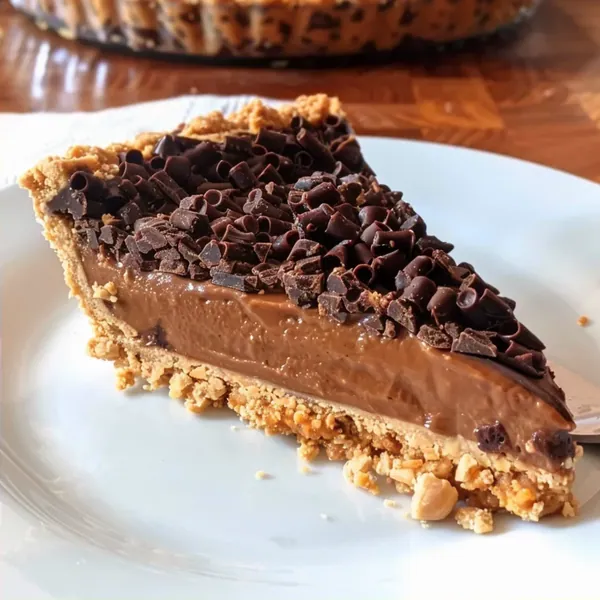
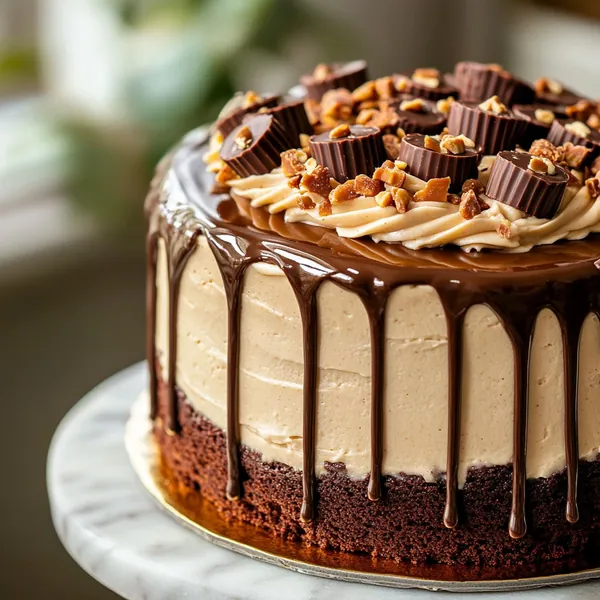
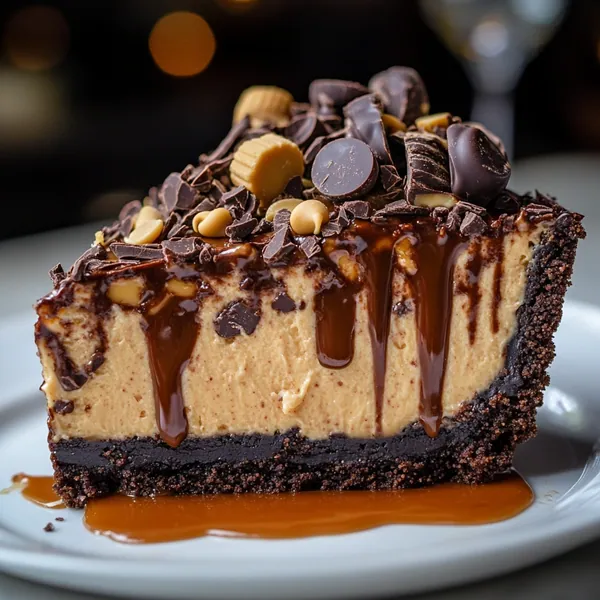
For serving, homemade peanut butter cups are best enjoyed slightly chilled but not rock hard. They make a great addition to dessert platters, holiday gift boxes, or as party favors. You can also dress them up by drizzling melted white chocolate over the top or sprinkling crushed nuts for added texture.
Whether you’re serving them at a gathering or sneaking one from the fridge, they’re guaranteed to impress.
Nutritional Information
The nutritional content of homemade peanut butter cups will vary depending on the ingredients and portion size, but here’s an approximate breakdown for one standard-sized cup:
-
Calories: 180–220
-
Fat: 14g
-
Carbohydrates: 10–14g
-
Sugar: 7–10g
-
Protein: 4–6g
Using dark chocolate or sugar-free alternatives can reduce sugar and carb content, while adding protein powder can boost the protein. Choosing natural, unsweetened peanut butter and limiting added sugar will help keep the treat more nutritious.
Homemade cups can be part of a balanced diet, especially when compared to store-bought versions that often contain preservatives, emulsifiers, and artificial flavors. As with any dessert, moderation is key, but making your own lets you control exactly what goes in.
These treats are easily adapted to fit keto, vegan, gluten-free, or paleo lifestyles with a few simple ingredient swaps.
Common Mistakes to Avoid
Even though peanut butter cups are simple to make, a few common mistakes can affect the final result. Here’s what to watch out for:
1. Overheating the Chocolate
Chocolate can seize or burn if overheated. Always melt it slowly—preferably using a double boiler or in short intervals in the microwave, stirring in between.
2. Skipping the Chill Time
Each layer needs time to set. Rushing the chilling process can lead to messy or uneven cups where the layers mix together instead of staying distinct.
3. Using Oily Peanut Butter
Natural peanut butter can separate and become too runny. Stir well before using or refrigerate it beforehand to firm it up. If needed, mix in a little powdered sugar to improve texture.
4. Uneven Layering
Too much or too little filling can throw off the balance of flavors. Use a spoon or small scoop to keep each cup consistent in size.
5. Not Using Liners
Skipping liners can make the cups difficult to remove and cause them to break. Always use paper or silicone liners for clean, easy results.
Avoiding these pitfalls will help ensure your peanut butter cups come out smooth, balanced, and picture-perfect every time.
FAQs Section
1. Can I use almond butter instead of peanut butter?
Yes, almond butter is a great alternative to peanut butter. It has a slightly nuttier, milder taste and works well in the same ratios. Make sure to use a version that isn’t too oily or runny, as this can affect the texture of the filling. Cashew butter, sunflower seed butter, or other nut butters can also be used for variety or allergy-friendly options.
2. What kind of chocolate works best for homemade peanut butter cups?
High-quality chocolate with a cocoa content between 60–70% works best for a rich flavor. You can use chocolate chips, bars, or melting wafers. Dark chocolate is great for a less sweet version, while milk or white chocolate adds more sweetness. For smoother results, add a small amount of coconut oil during melting. If you want a glossy finish, tempering the chocolate is ideal but optional.
3. Are homemade peanut butter cups healthier than Reese’s?
Homemade peanut butter cups can be healthier because you control the ingredients. Store-bought versions often contain preservatives, refined sugars, and hydrogenated oils. By using natural peanut butter, dark chocolate, and minimal added sweeteners, you can reduce sugar and increase nutritional value. They’re also easier to adapt for special diets, such as keto, vegan, or gluten-free lifestyles.
4. Can you freeze peanut butter cups?
Yes, peanut butter cups freeze very well. Place them in a single layer in an airtight container, separating layers with parchment paper to prevent sticking. They’ll keep for up to three months in the freezer. When ready to eat, thaw at room temperature for 5–10 minutes for the best texture and flavor.
5. How do you keep homemade peanut butter cups from melting?
To prevent melting, store peanut butter cups in the refrigerator or a cool, dry place. Avoid leaving them in direct sunlight or warm rooms, especially during summer. If transporting them, use an insulated container or add a small ice pack. Using tempered chocolate can also help create a more stable shell that resists melting at room temperature.

Homemade Chocolate Peanut Butter Cups
These homemade chocolate peanut butter cups are a rich, creamy, and indulgent treat that’s surprisingly easy to make. With just a handful of ingredients, you can create your own version of the classic candy right in your kitchen—customized exactly how you like it. Whether you prefer dark, milk, or white chocolate, or want to use almond or natural peanut butter, this recipe is flexible and fun to experiment with. Perfect for gifting, snacking, or storing in the freezer for whenever a craving hits, these no-bake treats are a favorite for all ages. Skip the store-bought candy and enjoy a healthier, fresher version made from scratch.
Ingredients
- 12 ounces High-Quality Chocolate Bar (Chocolate Chips or melting wafers, Milk or Semisweet, depending on preference)
- 1 cup Creamy Peanut Butter
- 3/4 cup Powdered Sugar
- 2 Tablespoons Graham Cracker (finely crushed)
- 1 teaspoon Pure Vanilla Extract
- 2 Tablespoons Salted Butter softened
- 20 miniature muffin or cupcake liners (may use an assortment of sizes)
Instructions
- To temper chocolate, start with chopping chocolate bar, if using a chocolate bar. Place 1 1/2 cups of chocolate, reserving 1/2 cup chocolate, in a large microwave-safe bowl.
- Microwave the chocolate at 50% power in 30-second intervals, stirring every 30 seconds. Continue to microwave until the chocolate is melted and smooth. Vigorously stir chocolate after each cooking block.
- Add the reserved 1/2 cup of chocolate to the melted chocolate. Stir frequently until all of the chocolate is completely melted.
- Place 20 foil miniature muffin liners on a baking sheet. Fill a liner about one-quarter full of tempered chocolate or melted candy coating. Brush the chocolate up the sides and all around with pastry brush or clean paintbrush. Repeat.
- Let set at room temperature for 15-20 minutes.
Peanut Butter Filling
- Meanwhile, make the peanut butter filling by creaming peanut butter, powdered sugar, finely crushed graham crackers, vanilla, and butter in large bowl for 4-5 minutes.
- Once the chocolate in liners has set, place a ball of peanut butter filling in each cup and lightly press down. Leave room to add chocolate on top.
- Spoon more melted chocolate on top of each cup. Smooth out the top of chocolate. Let the chocolate set completely at room temperature. If you are in a hurry, you may let the cups set up in the refrigerator.
- Once the chocolate has set, carefully peel off the liners or you can leave them on.
- Store covered in refrigerator or room temperature. I prefer to chill mine and eat them slightly cold but some prefer room temperature.