In this article
- What Is Salsa Verde?
- The Role of Pepper Jack Cheese
- Benefits of Grilling Chicken
- Ingredients Overview
- Equipment Needed
- Preparing the Chicken
- Crafting the Salsa Verde Marinade
- Marinating Techniques & Tips
- Grilling Instructions, Step by Step
- Adding Pepper Jack Cheese
- Resting the Chicken
- Serving Suggestions & Pairings
- Variations & Add-ins
- Health & Nutrition Information
- Storage & Reheating Guidelines
- Tips for Perfect Results
- FAQs
- Conclusion & Final Thoughts
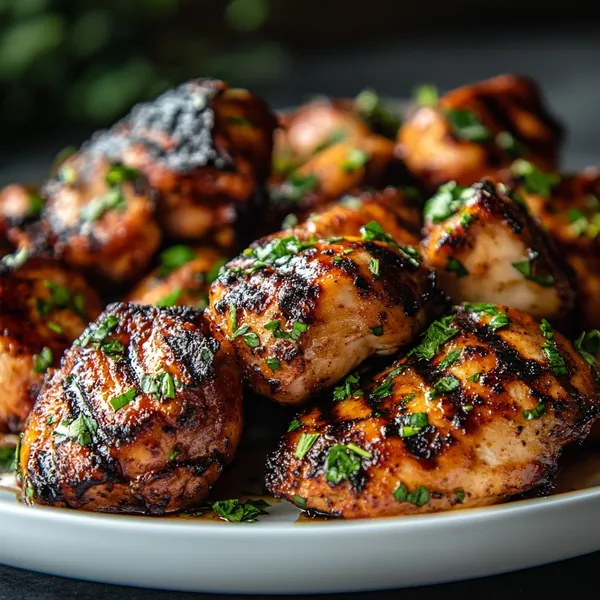
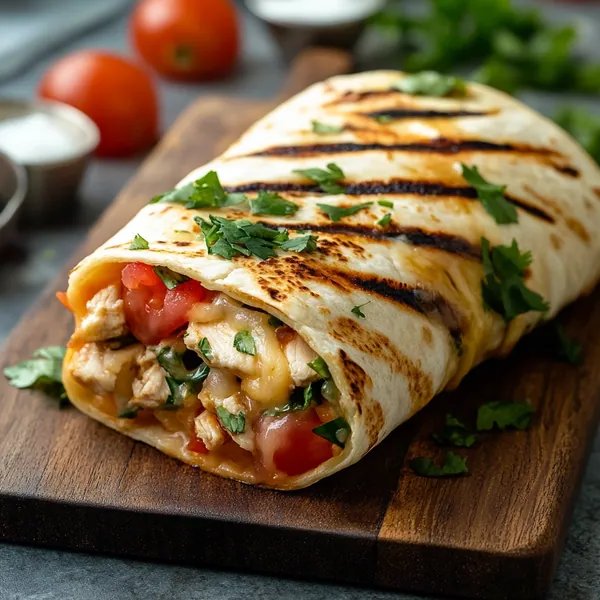
Grilled Salsa Verde Pepper Jack Chicken brings together the vibrant, tangy flavors of tomatillo salsa verde and the creamy, spicy bite of Pepper Jack cheese, all atop juicy, charred chicken. This dish is a celebration of contrasts: the brightness of fresh ingredients melds seamlessly with the smoky essence imparted by the grill, creating an entrée that excites the palate. Perfect for backyard barbecues, weeknight dinners, or casual gatherings, it elevates simple chicken into a memorable centerpiece. With its bold flavor profile and straightforward technique, it offers both beginner and experienced cooks an opportunity to showcase seasonal produce and artisanal cheese. Whether you’re hosting friends or feeding the family, this recipe promises minimal fuss and maximum satisfaction. The interplay of heat, acidity, and creaminess keeps every bite interesting, while customization options—such as varying the chile heat or swapping cheese varieties—allow for personal flair. Read on to master each step and serve an impressive dish that retires boring chicken for good.
What Is Salsa Verde?
Salsa verde, translating to “green sauce,” is a staple in Mexican cuisine known for its vibrant color and zesty flavor. Its primary ingredients include husked tomatillos, which deliver a bright, slightly tart base, along with green chiles—commonly jalapeños or serranos—that introduce a moderate level of heat. Fresh cilantro, garlic, and white onion contribute herbal and pungent undertones, while lime juice adds citrusy acidity to balance richness. Some variations roast the tomatillos and chiles beforehand, imparting a subtle smokiness that deepens the sauce’s complexity. Unlike red salsas made with tomatoes, salsa verde’s unique acidity and vegetal notes make it especially suitable for marinating meats, topping tacos, or serving as a dipping sauce. Its versatility extends from simple pico-de-gallo–style preparations to silky-smooth purées, making it a foundational condiment in modern and traditional Mexican cookery.
The Role of Pepper Jack Cheese
Pepper Jack cheese is a semi-soft derivative of Monterey Jack enriched with spicy peppers and herbs. Its mild yet creamy texture allows it to melt evenly over hot foods, creating a luscious blanket of flavor that clings beautifully to grilled chicken. The embedded bits of jalapeño or habañero introduce bursts of heat that punctuate each tender bite, while the cheese’s buttery mouthfeel helps temper the tanginess of the salsa verde. Beyond its flavor contribution, Pepper Jack’s elasticity upon melting ensures it stays in place during grilling, reducing runoff and maximizing cheesy coverage. Artisanal and store-bought versions vary in spice level, enabling cooks to tailor the dish’s piquancy. When paired with the bright, acidic salsa verde marinade, Pepper Jack provides a soothing counterpoint, rounding out the overall taste profile and adding an indulgent, comforting dimension.
Benefits of Grilling Chicken
Grilling chicken infuses it with a characteristic smoky aroma that cannot be replicated by other cooking methods. The direct heat of the grill sears the exterior, locking in juices and creating an enticing caramelized crust. This technique requires minimal added fats, making it a leaner preparation compared to pan-frying or sautéing. As fat renders and drips away, the chicken remains moist without becoming greasy. Grilling also allows for quick cooking, reducing total time in the kitchen and making it ideal for busy schedules. The open-flame environment encourages social interaction outdoors, transforming meal prep into an engaging activity. Additionally, temperature control—through direct and indirect heat zones—enables precise cooking, ensuring chicken reaches the safe internal temperature of 165 °F (74 °C) without overcooking. Overall, grilling elevates plain chicken into a restaurant-quality protein that’s flavorful, healthy, and visually appealing.
Ingredients Overview
This recipe requires simple, readily available ingredients that come together to deliver complex flavors. Choose boneless, skinless chicken breasts or thighs—breasts for lean protein and uniform slices, thighs for richer, more forgiving meat. For the salsa verde marinade, you’ll need fresh tomatillos, one to two jalapeño or serrano chiles (seeds removed for milder heat), a handful of cilantro, a quarter of a white onion, two garlic cloves, and fresh lime juice. Pantry staples such as olive oil, kosher salt, and freshly ground black pepper balance the sauce and aid in proper grilling. Pepper Jack cheese slices—approximately one per chicken portion—provide the creamy, spicy topping. Optional garnishes include extra cilantro leaves, lime wedges, or thinly sliced red onion. Having all ingredients prepped in advance streamlines cooking and guarantees a seamless grilling experience.
Equipment Needed
-
Grill (charcoal or gas) with a lid
-
Long-handled tongs and spatula
-
Grill brush for cleaning grates
-
Digital instant-read thermometer
-
Blender or food processor for salsa verde
-
Cutting board and sharp chef’s knife
-
Basting brush or spoon for marinade application
Preparing the Chicken
Begin by trimming excess fat and any connective tissue from the chicken to ensure even cooking. If using thicker portions, lightly pound them to a uniform thickness of about ¾ inch—this helps prevent undercooked centers or overcooked exteriors. Pat the chicken dry with paper towels to promote better sear and caramelization. Season both sides lightly with salt and pepper, allowing the flavors to penetrate the meat before adding the salsa verde marinade. Score the surface with shallow diagonal cuts, which encourages deeper marinade absorption and faster heat transfer. Arrange the chicken on a clean platter or shallow dish, leaving space between pieces for optimal coating. Proper initial preparation ensures tender, flavorful results once the chicken hits the grill.
Crafting the Salsa Verde Marinade
Start by husking and rinsing roughly one pound of tomatillos to remove the sticky residue; pat them dry. Halve the tomatillos and place them, skin-side up, on a baking sheet under a broiler or directly on hot grill grates to char lightly—about 3 minutes per side. Roast one to two jalapeños or serranos alongside until blistered, then remove stems and seeds for milder heat. Transfer the charred tomatillos and chiles to a blender or food processor. Add a quarter of a white onion, two peeled garlic cloves, and a generous handful of fresh cilantro leaves. Squeeze in the juice of one lime and drizzle in two tablespoons of olive oil. Pulse until mostly smooth but still slightly textured; this retains pleasant chunkiness. Season with salt and pepper to taste, adjusting acidity or heat by adding more lime juice or a pinch of sugar if desired. For a thinner marinade, whisk in an additional tablespoon of oil or a splash of water.
Marinating Techniques & Tips
Place the prepared chicken pieces in a resealable plastic bag or shallow dish and pour the salsa verde marinade over them, ensuring each piece is fully coated. For optimal flavor infusion, marinate for at least 30 minutes at room temperature or up to 4 hours in the refrigerator—avoid exceeding this to prevent overly acidic breakdown of the meat. If marinating overnight, reserve some sauce for basting to avoid cross-contamination. Turn the chicken halfway through marinating to distribute flavors evenly. Remove chicken from the fridge 15 minutes before grilling to come closer to room temperature, promoting uniform cooking. Pat excess marinade off just before placing on the grill to reduce flare-ups and allow proper searing.

Grilling Instructions, Step by Step
Begin by preheating the grill to medium-high heat (about 400–450 °F). Clean the grates thoroughly with a grill brush, then oil them by wiping a paper towel dipped in neutral oil across the bars. Set up two heat zones: direct heat for searing and indirect heat for finishing. Place the marinated chicken pieces over direct heat, close the lid, and cook undisturbed for four to five minutes, allowing distinct grill marks to form. Flip the chicken with tongs and sear the second side for an additional four minutes. Move the pieces to indirect heat, close the lid, and continue cooking six to eight minutes more. Use an instant-read thermometer in the thickest part; remove at 155 °F to allow carryover cooking to 165 °F. Avoid pressing down on the meat to preserve juices. If flare-ups occur, shift chicken to a cooler zone, brush away charred bits, and close the lid until flames subside. Keep the lid closed throughout for consistent temperature and smoky infusion.
Adding Pepper Jack Cheese
When the chicken reaches roughly 160 °F, open the lid and immediately top each piece with a slice of Pepper Jack cheese. Lower the heat to medium or move the chicken to the grill’s cooler side to prevent scorching. Close the lid and let the cheese melt evenly for two to three minutes. For a more pronounced melt or slight browning, transfer the cheese-topped chicken to a 375 °F oven or under the broiler for one minute—just until the cheese is bubbly. If using shredded Pepper Jack, sprinkle about a quarter cup over each piece instead of a slice. Avoid over-exposure to high heat, which can cause the cheese to separate and become oily. Once melted, use a spatula to move the chicken to a platter, ensuring the cheese layer remains intact.
Resting the Chicken
Transfer the cheese-topped chicken to a clean platter and tent loosely with foil. Rest for 5–10 minutes to allow juices to redistribute and finish cooking through carryover heat. This step ensures each slice remains moist and succulent rather than oozing flavorful liquids when cut.
Serving Suggestions & Pairings
Plate the rested chicken alongside vibrant sides to complement its tangy, smoky profile. Serve with grilled corn on the cob brushed with chili-lime butter, a black bean and mango salad tossed in cilantro-lime dressing, or fluffy cilantro-lime rice. Garnish the chicken with fresh cilantro sprigs, thinly sliced red onion, and lime wedges for extra brightness. For beverages, pair with a crisp Sauvignon Blanc or a light Mexican lager to balance the heat and acidity. A side of warm tortillas transforms the meal into handheld tacos—just add avocado slices, pickled jalapeños, or a dollop of crema for added richness.
Variations & Add-ins
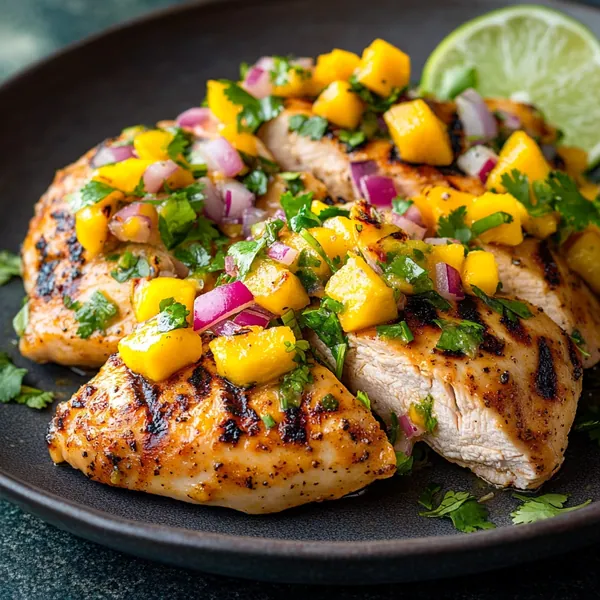
Customize the recipe by swapping Pepper Jack for Monterey Jack or Oaxaca cheese for a milder melt. Stir finely diced pineapple or mango into the salsa verde for a sweet-tart twist. Add cooked bacon crumbles on top after grilling for smokiness and crunch. For extra green color and freshness, layer thin avocado slices beneath the cheese before melting. Replace chicken breasts with bone-in thighs for a richer flavor and forgiving cooking window. Experiment with different chiles—use poblano for earthiness or habanero for serious heat—adjusting seeds to control spiciness.

Health & Nutrition Information
Each serving of Grilled Salsa Verde Pepper Jack Chicken delivers approximately 300–350 calories, 30 g of protein, 15 g of fat, and 5 g of carbohydrates (depending on cut and cheese portion). The lean protein supports muscle repair, while fresh tomatillos contribute fiber and vitamin C. Olive oil adds heart-healthy monounsaturated fats, and minimal added sugar keeps the dish light. To reduce calories, choose skinless chicken breasts and low-fat Pepper Jack or substitute part of the cheese with reduced-fat mozzarella. Serving alongside vegetables instead of starchy sides further lowers the glycemic load and boosts micronutrient intake.
Storage & Reheating Guidelines
Refrigerate leftovers in an airtight container for up to three days. For freezing, wrap individual pieces tightly in plastic wrap and place in a freezer-safe bag; use within two months. To reheat, preheat oven to 350 °F, arrange chicken on a baking sheet, and cover loosely with foil; heat 10–12 minutes or until warmed through. Alternatively, reheat in a lightly oiled skillet over medium heat for 4–5 minutes per side, maintaining cheese integrity. An air fryer set to 320 °F for 3–4 minutes also revives crisp edges while melting the cheese. Avoid microwaving, which can yield rubbery texture and uneven heating.
Tips for Perfect Results
Always bring chicken to near room temperature before grilling for even cooking. Clean and oil grates to prevent sticking. Use an instant-read thermometer for precise doneness. Pat excess marinade off to encourage searing. Keep the lid closed as much as possible to maintain consistent temperature and infuse smoky flavor. Let the meat rest before slicing.
FAQs
Q: What cut of chicken is best?
A: Boneless thighs stay juicier; breasts offer leaner, uniform slices.
Q: Can I use store-bought salsa verde?
A: Yes—taste first, then adjust lime juice, garlic, and salt.
Q: How long to marinate?
A: At least 30 minutes; up to 4 hours for deeper flavor—no more than overnight.
Q: How do I prevent cheese slide-off?
A: Melt cheese under indirect heat with lid closed to adhere firmly.
Q: Can I bake instead of grill?
A: Yes—bake at 425 °F for 18–20 minutes, then broil cheese for one minute.
Conclusion & Final Thoughts
Mastering Grilled Salsa Verde Pepper Jack Chicken hinges on a vibrant, well-balanced marinade, precise grilling technique, and strategic cheese placement. By charring tomatillos and chiles, you achieve deep flavor; by monitoring internal temperature, you ensure juicy, safe-to-eat chicken; and by adding cheese at the end, you lock in creamy, spicy indulgence. Feel free to adapt chiles, cheeses, and garnishes to suit your heat tolerance and style. Whether served at a backyard barbecue or a casual dinner, this dish consistently delights with its interplay of smoky, tangy, and creamy elements—proving that simple ingredients, treated with care, can yield extraordinary results.
Grilled Salsa Verde Pepper Jack Chicken
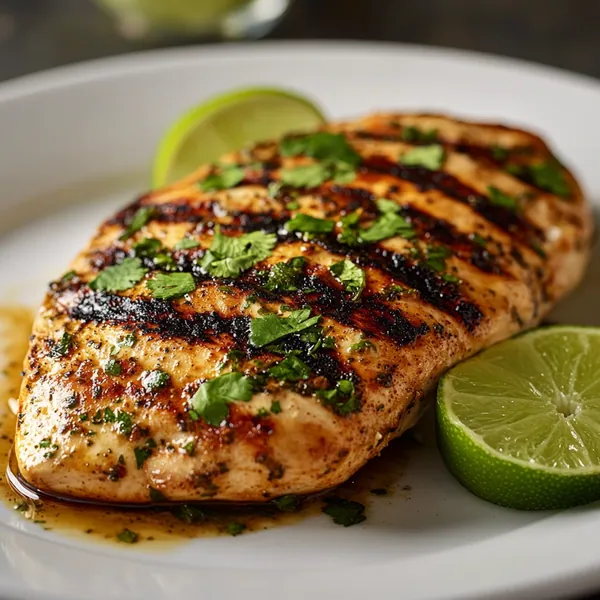
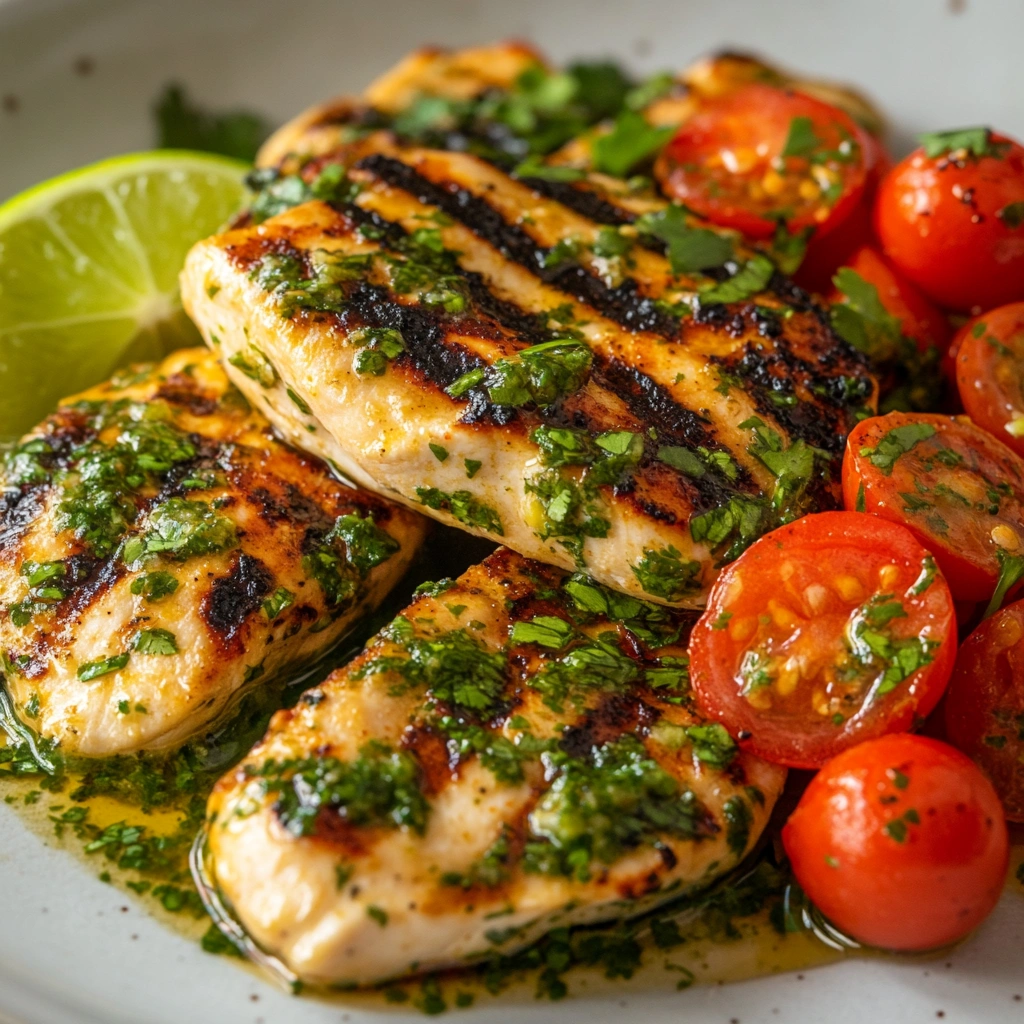
Bring bold, zesty flavors to your next cookout with this Grilled Salsa Verde Pepper Jack Chicken. Juicy chicken breasts (or thighs) are bathed in a tangy, homemade salsa verde marinade, then seared over high heat to develop a smoky char. Just before finishing, each piece is crowned with melting slices of Pepper Jack cheese, marrying creamy heat and bright acidity in every bite. This dish is as visually striking as it is delicious, with vibrant green hues, golden-brown grill marks, and ribboned strands of molten cheese. Ready in under an hour from start to finish, it’s perfect for weeknight dinners or weekend gatherings. Serve it alongside grilled vegetables, a crisp salad, or warm tortillas for an easy, crowd-pleasing meal that feels both fresh and indulgent.
Ingredients
- 1 ½ pounds thin-sliced boneless skinless chicken breasts (about 4 breasts)
- 12 ounces salsa verde (Trader Joe’s recommended)
- 3 tablespoons olive oil
- 2 tablespoons lime juice
- 1 teaspoon cumin
- 1 teaspoon salt (or more, to taste)
- 1 teaspoon freshly ground black pepper
- 4 slices pepper Jack cheese (or as desired)
- Fresh cilantro, finely minced (optional, for garnishing)
- Lime wedges (optional, for serving)
Instructions
- In a large bowl, combine salsa verde, olive oil, lime juice, cumin, salt, and black pepper.
- Add the chicken breasts to the bowl and toss to coat evenly with the marinade. Cover and refrigerate for at least 30 minutes, or up to 2 hours.
- Preheat the grill to medium-high heat.
- Remove the chicken from the marinade and discard any remaining marinade.
- Grill the chicken for 4-5 minutes per side, or until fully cooked through (internal temperature of 165°F).
- During the last minute of grilling, place a slice of pepper Jack cheese on each chicken breast and close the grill lid to melt the cheese.
- Remove the chicken from the grill and let rest for a few minutes.
- Garnish with fresh cilantro and serve with lime wedges, if desired.