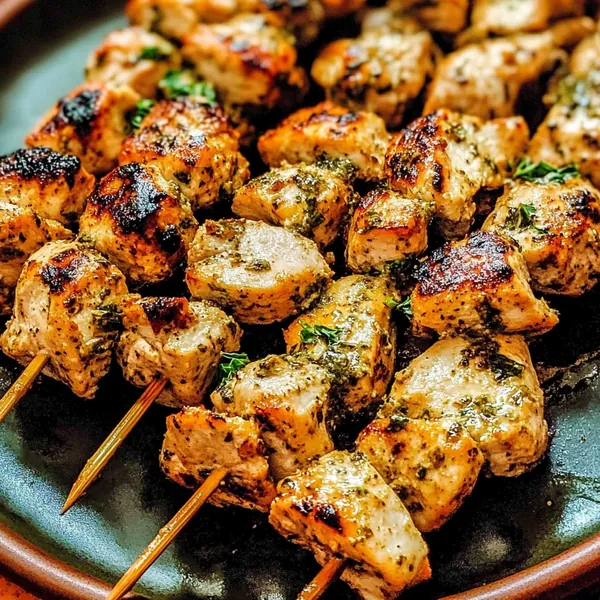
Greek chicken kabobs are a delicious and healthy dish rooted in the heart of Mediterranean cuisine. These skewers typically feature marinated chunks of chicken grilled to perfection alongside colorful vegetables like bell peppers, onions, and zucchini. What sets Greek kabobs apart is their distinct seasoning—often a blend of olive oil, lemon juice, garlic, and aromatic herbs like oregano and thyme. The result is a bright, zesty flavor with tender, juicy chicken that’s both satisfying and easy to prepare.
Ideal for summer grilling, quick weeknight meals, or backyard gatherings, Greek chicken kabobs are versatile and can be served with a variety of sides such as pita bread, tzatziki, and Greek salad. Whether cooked on the grill, baked in the oven, or made on the stovetop, these kabobs offer a simple yet flavorful way to enjoy the classic tastes of Greece in every bite.
History and Origin of Kabobs in Greek Cuisine
The concept of cooking meat on skewers dates back thousands of years, with evidence of this technique found in ancient Greek civilizations. In Greece, kabobs are traditionally known as souvlaki, which translates to “skewer” and refers to grilled meat cooked on a stick. Historical records and archaeological findings suggest that souvlaki-style cooking was common as early as the 17th century BC.
Greek kabobs were often prepared using lamb or pork, especially in rural areas where these meats were readily available. Over time, chicken became a popular alternative, especially as dietary preferences evolved toward leaner proteins. Greek chicken kabobs reflect the broader principles of the Mediterranean diet—simple preparation, fresh ingredients, and bold natural flavors.
Unlike their Middle Eastern cousins, Greek kabobs rely more on herbs and citrus rather than heavy spices, creating a lighter, more aromatic taste. Today, they remain a staple in Greek cuisine and are widely enjoyed across the world.

Essential Ingredients for Greek Chicken Kabobs
Making authentic Greek chicken kabobs starts with choosing the right ingredients. The most important component is the chicken. Boneless, skinless chicken thighs are preferred for their juiciness and flavor, but chicken breasts can also be used if marinated properly to avoid drying out.
The marinade is what brings the signature Greek flavor. It typically includes:
-
Olive oil: Adds richness and helps carry the other flavors
-
Lemon juice: Provides acidity to tenderize the meat
-
Garlic: Offers depth and savoriness
-
Dried oregano: A key herb in Greek cooking
-
Salt and pepper: For seasoning
-
Optional: Greek yogurt for creaminess, red wine vinegar for added tang
Fresh vegetables are another important part of the kabobs. Popular choices include red and green bell peppers, red onions, zucchini, and cherry tomatoes. These not only add color but also balance the savory meat with natural sweetness.
For skewers, both bamboo and metal options are viable. If using bamboo skewers, soak them in water for at least 30 minutes before grilling to prevent burning. Using fresh, quality ingredients ensures that your Greek chicken kabobs are flavorful, aromatic, and visually appealing.
How to Make the Best Greek Chicken Marinade
The key to flavorful Greek chicken kabobs lies in the marinade. A good marinade not only seasons the meat but also tenderizes it, making it juicy and aromatic after grilling. Here’s how to make a classic Greek marinade:
Ingredients:
-
1/4 cup extra virgin olive oil
-
Juice of 1 large lemon
-
3–4 garlic cloves, minced
-
1 tablespoon dried oregano
-
1 teaspoon salt
-
1/2 teaspoon black pepper
-
Optional: 2 tablespoons plain Greek yogurt or 1 tablespoon red wine vinegar
Instructions:
-
In a bowl or zip-top bag, whisk together all ingredients until fully combined.
-
Add the chicken pieces to the marinade, ensuring they are well coated.
-
Cover and refrigerate for at least 1 hour, preferably 4–6 hours. For the most flavorful result, marinate overnight.
-
Before cooking, remove the chicken from the refrigerator and let it sit at room temperature for 20–30 minutes.
Pro Tips:
-
Don’t skimp on the lemon and garlic—they’re the backbone of Greek flavor.
-
Adding yogurt creates a creamy texture and enhances the marinade’s ability to tenderize the meat.
-
Always discard used marinade or boil it if you plan to reuse it as a sauce.
Preparation and Grilling Tips
Proper preparation and grilling technique can make the difference between dry, bland kabobs and a flavorful, juicy meal. Here’s a step-by-step guide to ensure great results every time.
1. Cut Evenly:
Start by cutting the chicken into uniform 1.5-inch cubes. This ensures even cooking and prevents some pieces from drying out before others are done. Do the same with the vegetables—bell peppers, red onions, and zucchini should be chopped into similar-sized chunks.
2. Skewer Assembly:
Alternate chicken and vegetables on the skewer to balance flavors and textures. Don’t overcrowd the skewers—leave a little space between pieces for heat to circulate and cook the food evenly.
3. Grilling Instructions:
-
Preheat your grill to medium-high (around 400–425°F).
-
Lightly oil the grill grates to prevent sticking.
-
Place skewers on the grill and cook for 10–15 minutes, turning every 3–4 minutes to achieve an even char.
-
Use a meat thermometer to ensure the chicken reaches an internal temperature of 165°F.
4. Alternative Cooking Methods:
If grilling isn’t an option, use a grill pan on the stovetop or bake in a 425°F oven for 20–25 minutes, turning halfway through. Broiling for the last few minutes can add a charred finish.
5. Finishing Touches:
Once off the grill, let the kabobs rest for 5 minutes. Garnish with fresh chopped parsley, a squeeze of lemon juice, and a sprinkle of sea salt for enhanced flavor.
Serving Suggestions
Greek chicken kabobs pair well with a variety of traditional Mediterranean sides, making them a versatile option for both casual meals and more elaborate spreads. One of the most popular accompaniments is pita bread, which can be served warm and used to wrap the kabob pieces, creating a souvlaki-style sandwich. For a creamy, tangy addition, tzatziki sauce is a must—it complements the grilled flavors with its cool blend of yogurt, cucumber, garlic, and dill.
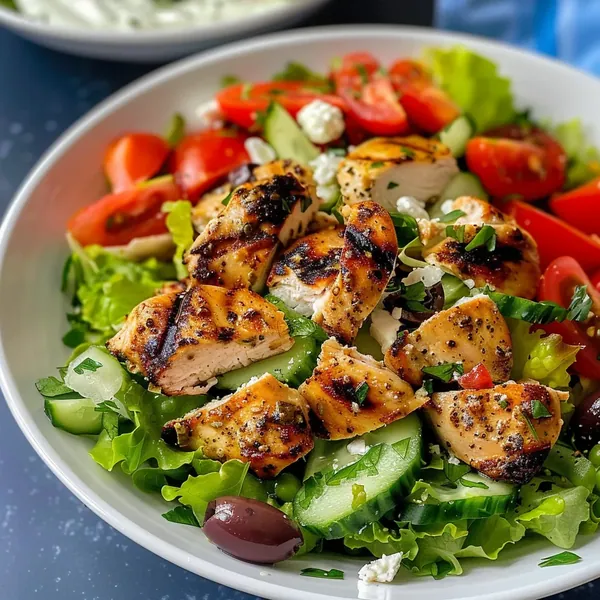
A classic Greek salad, made with tomatoes, cucumbers, red onions, Kalamata olives, and feta cheese, offers a refreshing and colorful side. For a heartier meal, serve the kabobs over lemon rice pilaf, couscous, or quinoa, which can absorb the flavorful juices from the chicken and marinade.
To create a balanced plate, consider adding roasted potatoes, hummus, or grilled vegetables such as eggplant and mushrooms. The bright, herbaceous notes of the kabobs also pair well with a light white wine like Sauvignon Blanc or a sparkling water with lemon. Whether served family-style or plated individually, Greek chicken kabobs shine as the centerpiece of a wholesome, flavorful meal.

Recipe Variations and Customizations
Greek chicken kabobs are highly adaptable and can be modified to suit various dietary needs or flavor preferences. For a low-carb or keto-friendly version, omit the pita and serve the kabobs over cauliflower rice or leafy greens. You can also skip starchy vegetables and load up on low-carb options like zucchini, mushrooms, and bell peppers.
To make the dish dairy-free, remove yogurt from the marinade and increase the amount of olive oil and lemon juice to maintain moisture. Adding a splash of red wine vinegar can help tenderize the chicken without dairy. For a creamier marinade without yogurt, try using coconut milk with Greek spices.
If you enjoy bolder flavors, add a pinch of paprika, ground coriander, or crushed red pepper flakes to the marinade. Some cooks like to include crumbled feta cheese or Kalamata olives on the skewers for an extra punch of flavor.
For convenience, turn the kabobs into a Greek chicken bowl by skipping the skewers altogether. Simply grill the marinated chicken and serve it over rice or salad with toppings like hummus, feta, and chopped cucumber. These variations make Greek chicken kabobs customizable for weeknight meals, meal prep, or entertaining.
Nutritional Breakdown
Greek chicken kabobs are a nutritious choice that fits well within the framework of a balanced Mediterranean diet. A standard serving (about two skewers) provides approximately:
-
Calories: 250–300
-
Protein: 25–30 grams
-
Fat: 12–15 grams (mostly from healthy olive oil)
-
Carbohydrates: 5–10 grams (mostly from vegetables, if included)
Using chicken breast will lower the fat content, while chicken thighs provide a slightly higher fat-to-protein ratio and more moisture. The olive oil in the marinade contributes monounsaturated fats, which are known for supporting heart health.
This dish is naturally gluten-free, assuming no bread or grain sides are included, and can easily be adapted to suit low-carb, paleo, or Whole30 diets. The inclusion of garlic, lemon, and herbs not only boosts flavor but also adds antioxidants and anti-inflammatory compounds. Overall, Greek chicken kabobs offer a protein-rich, nutrient-dense option suitable for a variety of dietary needs.
Storage and Reheating Tips
Proper storage and reheating ensure your Greek chicken kabobs remain flavorful and safe to eat. Once cooked, allow the kabobs to cool to room temperature before transferring them to an airtight container. Store in the refrigerator for up to 3–4 days.
For longer storage, you can freeze the kabobs—either cooked or uncooked—for up to 3 months. If freezing raw marinated chicken, use a freezer-safe bag and thaw overnight in the refrigerator before cooking.
To reheat cooked kabobs, avoid the microwave if possible, as it can dry out the chicken. Instead, place them in a 350°F oven for 10–15 minutes or heat gently in a covered skillet over medium heat with a splash of water or broth to maintain moisture. If reheating from frozen, thaw completely before warming to ensure even heating. Always check that the chicken reaches at least 165°F internal temperature before serving.
FAQs
How long should you marinate chicken for kabobs?
For best results, marinate the chicken for at least 1 hour, but ideally 4 to 6 hours. This allows the acid and herbs in the marinade to fully penetrate the meat. Marinating overnight enhances flavor even more, but avoid going over 24 hours to prevent the chicken from becoming mushy.
Can I cook Greek chicken kabobs in the oven or air fryer?
Yes. To cook in the oven, preheat to 425°F and bake the kabobs on a lined baking sheet for 20–25 minutes, flipping halfway through. To use an air fryer, cook at 375°F for 10–12 minutes, turning once during cooking. Both methods yield flavorful, juicy results without a grill.
What is the difference between kebab and kabob?
The terms are often used interchangeably, but “kebab” is the traditional term of Middle Eastern origin, while “kabob” is more common in American English. Both refer to skewered and grilled meats, though spices and preparation methods may vary by culture.
What’s the best type of chicken for kabobs?
Boneless, skinless chicken thighs are preferred for their moisture and flavor. However, chicken breast can also be used if properly marinated and not overcooked.
Are Greek chicken kabobs healthy?
Yes. They’re high in protein, low in processed ingredients, and made with heart-healthy olive oil and fresh vegetables. They can also be customized to fit low-carb or gluten-free diets.
Can I make them ahead of time?
Absolutely. You can prep and marinate the chicken up to 24 hours in advance. Cooked kabobs can also be made ahead and reheated, making them ideal for meal prep or entertaining.

Greek Chicken Kabobs
These Greek Chicken Kabobs are a flavorful and easy Mediterranean-inspired dish perfect for grilling season. Marinated in a bright blend of olive oil, lemon juice, garlic, and oregano, then grilled with colorful vegetables, they’re juicy, zesty, and full of authentic Greek flavor. Serve them with warm pita, creamy tzatziki, or over a fresh Greek salad for a healthy and satisfying meal the whole family will love. Perfect for summer barbecues, weeknight dinners, or meal prep.
Ingredients
- 4 tablespoons olive oil, divided
- 2 tablespoons freshly squeezed lemon juice
- 1 tablespoon lemon zest
- 1 teaspoon paprika
- 2 teaspoons dried oregano
- 2 teaspoons dried basil
- 1 teaspoon dried thyme
- 3 cloves garlic, minced
- 1 shallot, diced
- Kosher salt and freshly ground black pepper, to taste
- 2 pounds boneless, skinless chicken thighs, cut into 1-inch chunks
Instructions
- In a medium bowl, combine 2 tablespoons olive oil, lemon juice, lemon zest, paprika, oregano, basil, thyme, garlic, shallot, 1 1/4 teaspoons salt and 1 1/4 teaspoons pepper.
- Stir in chicken until well combined; marinate for at least 2 hours to overnight, turning occasionally. Drain the chicken from the marinade.
- Thread chicken onto skewers. Brush with remaining 2 tablespoons olive oil; season with salt and pepper, to taste.
- Preheat grill to medium heat.
- Add skewers to grill, and cook, turning occasionally, until the chicken is completely cooked through, reaching an internal temperature of 165 degrees F, about 10 minutes.
- Serve immediately.