Few dishes capture the bold intersection of Indian spices and British culinary influence like Chicken Tikka Masala. Beloved worldwide for its creamy tomato-based sauce, tender marinated chicken, and layers of complex spice, this dish has become a staple in homes and restaurants alike. Among the many chefs who have reimagined this classic, Gordon Ramsay’s version stands out for its depth of flavor, authenticity, and signature flair.
Known for his high standards and precision in the kitchen, Gordon Ramsay brings a chef’s discipline and a global perspective to this traditionally Indian-British hybrid dish. His recipe respects the roots of Chicken Tikka Masala—drawing inspiration from Punjabi tandoori techniques—while adding modern twists like smoky grilled chicken and a refined balance of spices. The result is a rich, warming curry that’s both approachable for home cooks and satisfying for connoisseurs of Indian cuisine.
What sets Ramsay’s Chicken Tikka Masala apart is his emphasis on quality ingredients and careful layering of flavor. From the yogurt-marinated chicken thighs to the slow-simmered sauce enhanced with cumin, coriander, and garam masala, every step is crafted to build complexity without overpowering the palate.
Whether you’re a fan of Ramsay’s television shows, an aspiring home chef, or someone craving a restaurant-quality curry, this version of Chicken Tikka Masala delivers an unforgettable culinary experience. In this article, we’ll explore the history, ingredients, cooking techniques, and tips that bring this dish to life the Gordon Ramsay way.
What Makes This Chicken Tikka Masala Special?
Gordon Ramsay’s Chicken Tikka Masala stands out for its refined balance of flavor, culinary technique, and respect for tradition. While many recipes lean heavily on pre-made sauces or simplified methods, Ramsay approaches the dish as a celebration of spice, texture, and slow-cooked richness. His version doesn’t just replicate the dish—it elevates it.
What makes this version unique is the marinade and cooking process. Ramsay insists on marinating the chicken in yogurt mixed with freshly ground spices like garam masala, turmeric, cumin, and coriander. The acid in the yogurt tenderizes the meat while the spices penetrate deeply, building a solid foundation of flavor before any cooking begins.
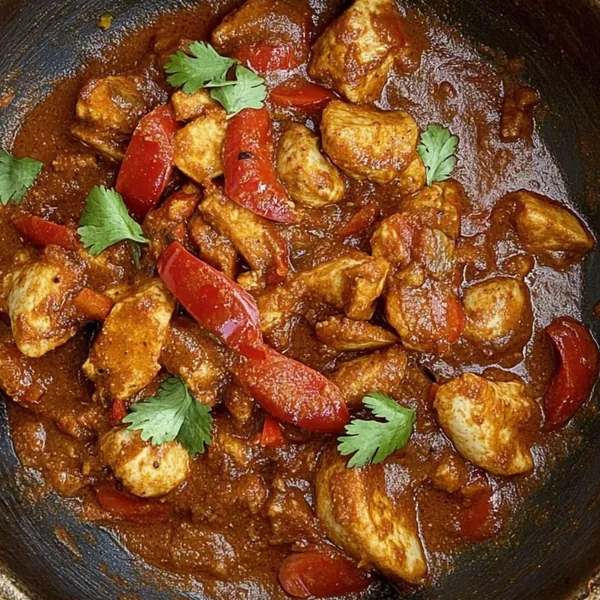
Another hallmark of Ramsay’s method is the high-heat searing or grilling of the marinated chicken before it’s added to the sauce. This technique adds a charred, smoky quality reminiscent of traditional tandoori ovens. It contrasts beautifully with the rich, creamy tomato-based sauce.
The sauce itself is layered with aromatics—onions, garlic, and ginger—then built up with crushed tomatoes, heavy cream or coconut milk, and a well-balanced spice mix. Ramsay carefully controls the heat, adding chili for warmth rather than overwhelming spice. The result is a dish that’s deeply flavorful but still accessible.
Ultimately, Ramsay’s Chicken Tikka Masala is special because it bridges fine-dining technique with bold, homey flavors. It honors the heritage of the dish while showcasing the chef’s global culinary sensibilities.
A Brief History of Chicken Tikka Masala
Chicken Tikka Masala is often cited as one of Britain’s most popular dishes, yet its origins remain hotly debated. While the dish features Indian flavors, it is widely believed to have been developed in the United Kingdom by South Asian chefs catering to British palates in the 1960s and 70s.
The basic components—grilled chicken (tikka) and a spiced tomato-cream sauce—are rooted in Indian cooking, particularly Punjabi cuisine. However, the concept of combining them into a creamy, curry-like dish with a rich tomato base likely evolved in response to British diners requesting “gravy” with their tandoori meats. The result was Chicken Tikka Masala: a fusion that satisfied both Indian authenticity and Western expectations.
Despite its disputed heritage, the dish has grown into a culinary icon. In fact, a former UK foreign secretary once proclaimed it a “true British national dish.” Over the years, countless chefs have reinterpreted it to suit modern tastes while preserving its core identity.
Gordon Ramsay’s version represents a return to complexity and depth, aiming to bring back the rich textures and authentic spice notes that made Chicken Tikka Masala famous. His interpretation serves as a tribute to the dish’s hybrid history, blending Indian techniques with British influence.

Ingredient Breakdown
To recreate Gordon Ramsay’s Chicken Tikka Masala at home, it’s crucial to understand each component of the dish and how it contributes to the final flavor. Ramsay uses high-quality, fresh ingredients to bring out depth and balance in every bite.
1. Chicken
Ramsay prefers boneless, skinless chicken thighs for their juiciness and flavor. Chicken breast can be used, but thighs withstand high-heat cooking better and remain tender.
2. Marinade
The chicken is marinated in a mixture of yogurt, garlic, ginger, garam masala, turmeric, cumin, coriander, chili powder, and lemon juice. Yogurt acts as a tenderizer and flavor base, while the spices infuse the meat with heat and warmth. Marinating for at least 2 hours (ideally overnight) is key.
3. Aromatics
A finely chopped base of onions, garlic, and ginger is sautéed to form the flavor base of the sauce. Ramsay emphasizes cooking the onions slowly to bring out sweetness and remove bitterness.
4. Tomatoes and Cream
Crushed tomatoes or tomato puree form the body of the sauce, combined with heavy cream (or coconut milk for a dairy-free option). This gives the dish its signature velvety texture and tangy richness.
5. Spices for the Sauce
Cumin, paprika, garam masala, and coriander build flavor layers. Some versions include a touch of smoked paprika or fenugreek leaves (kasuri methi) to add depth.
6. Fresh Garnishes
Fresh cilantro (coriander) and a splash of lemon juice are added at the end for brightness and color.
Each ingredient in Ramsay’s recipe plays a specific role, either enhancing the marinade, thickening the sauce, or balancing the dish with acidity, sweetness, or spice.
Step-by-Step Cooking Instructions
Creating Gordon Ramsay’s Chicken Tikka Masala involves several key steps that ensure flavor, texture, and authenticity. Follow these carefully for the best results.
Step 1: Marinate the Chicken
In a large bowl, mix plain yogurt with minced garlic, grated ginger, garam masala, turmeric, cumin, coriander, chili powder, and lemon juice. Add the chicken thighs and coat evenly. Cover and refrigerate for at least 2 hours or overnight for best results. This not only tenderizes the meat but infuses it with deep flavor.
Step 2: Cook the Chicken
Preheat a grill pan, skillet, or outdoor grill. Remove excess marinade from the chicken and sear it over high heat. You want to achieve a nice char on the outside without overcooking the inside. This step mimics the tandoori effect, creating a smoky base. Set the grilled chicken aside.
Step 3: Make the Sauce Base
In a large pan, heat oil or ghee and sauté finely chopped onions over medium heat until golden brown. Add minced garlic and grated ginger and cook until fragrant. Add ground spices—cumin, garam masala, paprika, and coriander—and toast them briefly to release their oils.
Step 4: Add Tomatoes and Simmer
Stir in crushed tomatoes or tomato puree. Cook until the sauce thickens and the raw tomato smell fades. Add cream (or coconut milk for dairy-free) and stir gently. Simmer on low heat to allow the flavors to meld and the sauce to reach a silky consistency.
Step 5: Combine Chicken with Sauce
Slice or cube the grilled chicken and add it to the sauce. Let it simmer for another 10 to 15 minutes so the chicken absorbs the flavors and finishes cooking.
Step 6: Finish and Serve
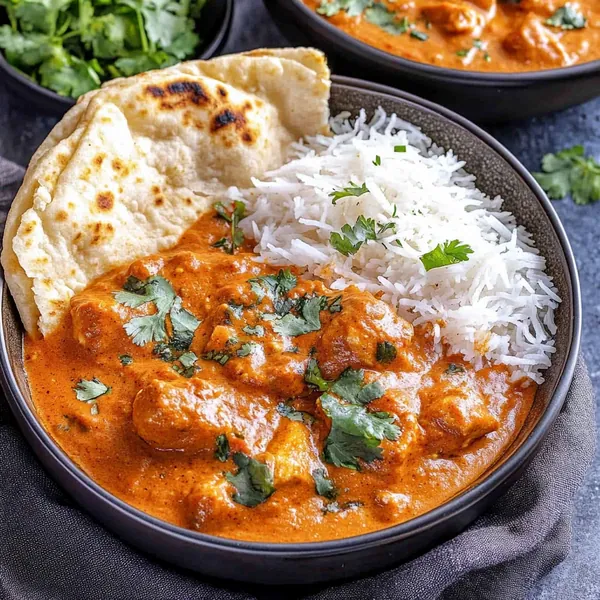
Garnish with fresh cilantro and a squeeze of lemon. Serve hot with basmati rice or naan. Optional toppings include a swirl of cream or a sprinkle of smoked paprika for presentation.
This step-by-step approach helps recreate Gordon Ramsay’s restaurant-quality Chicken Tikka Masala at home, with all the richness and complexity the dish deserves.
Cooking Tips from Gordon Ramsay
Gordon Ramsay is known for precision and bold flavors, and his approach to Chicken Tikka Masala is no exception. His cooking tips focus on depth of flavor, texture, and balance.
1. Marinate Thoroughly
Ramsay emphasizes marinating the chicken for at least a few hours, ideally overnight. This allows the yogurt and spices to tenderize and flavor the meat deeply, preventing dryness during cooking.
2. Sear the Chicken Properly
Rather than cooking the chicken directly in the sauce, Ramsay sears or grills it over high heat first. This caramelizes the exterior, locks in juices, and gives the chicken a smoky, charred flavor reminiscent of traditional tandoori cooking.
3. Build the Sauce in Layers
Aromatics like onions, garlic, and ginger should be sautéed slowly until deeply golden. Spices must be toasted briefly to release their essential oils. Only then should tomatoes and cream be added. This layered method creates a more robust and complex sauce.
4. Balance Spice and Creaminess
Ramsay warns against overloading with cream or over-spicing. The heat should be warming but not overwhelming. A squeeze of lemon or dash of sugar can balance acidity and sweetness.
5. Rest Before Serving
Let the tikka masala sit off heat for 5–10 minutes before serving. This allows the flavors to settle and intensify, resulting in a more unified taste.
These tips transform a good tikka masala into a great one, capturing Gordon Ramsay’s culinary finesse.

Common Variations of Chicken Tikka Masala
While Gordon Ramsay’s version is richly authentic, Chicken Tikka Masala is a highly adaptable dish. Variations often cater to dietary needs or regional tastes while maintaining the dish’s essence.
1. Vegetarian Tikka Masala
A popular variation replaces chicken with paneer (Indian cottage cheese) or tofu for a vegetarian version. Paneer tikka masala is especially common in Indian households and restaurants, using the same marinade and sauce.
2. Vegan Option
To make the dish vegan, use plant-based yogurt for the marinade and coconut milk or cashew cream in the sauce. Tofu, tempeh, or jackfruit can replace chicken while still offering satisfying texture.
3. Low-Fat or Keto-Friendly
To lighten the dish, substitute Greek yogurt for cream or use light coconut milk. For a keto-friendly version, skip the rice and serve with cauliflower rice, and use full-fat dairy without added sugar.
4. Regional Twists
In the UK, tikka masala tends to be creamier and sweeter. In India, it may be spicier and less rich. Ramsay’s version strikes a balance between both, ideal for international palates.
These variations make Chicken Tikka Masala more inclusive, without compromising its comforting core flavors.
Pairing and Serving Suggestions
The richness of Chicken Tikka Masala is best complemented with sides and drinks that enhance its bold flavors. Gordon Ramsay’s pairing suggestions offer a balanced, satisfying meal.
1. Rice Options
Serve with steamed basmati rice for a light, fluffy companion that soaks up the sauce beautifully. For added flavor, consider a cumin-spiced pilaf or turmeric rice.
2. Indian Breads
Naan bread is a classic choice—especially garlic or butter naan. Fresh from the tandoor or skillet, naan helps scoop the curry and adds a chewy, toasted contrast. Parathas or roti also work well for a slightly denser texture.
3. Accompaniments
Add cucumber raita to cool the palate and balance spice. A tangy mango chutney adds sweetness, while a kacha salad (sliced onions, cucumbers, lemon) adds freshness.
4. Beverage Pairings
Pair with a mango lassi for a creamy, cooling drink. For alcohol, opt for Indian lagers or light white wines like Riesling to offset the heat.
These complementary dishes and drinks elevate the dining experience, bringing the full spectrum of Indian-inspired flavors to life.
Nutritional Profile
While Chicken Tikka Masala is indulgent, understanding its nutritional content helps you make informed choices. Gordon Ramsay’s version focuses on fresh, whole ingredients and can be adjusted for health-conscious diets.
A standard serving (around 1.5 cups) of Chicken Tikka Masala made with chicken thighs, yogurt, cream, and rice typically contains:
-
Calories: 450–550
-
Protein: 30–35g
-
Fat: 25–30g
-
Carbohydrates: 20–25g (excluding rice)
-
Fiber: 2–3g
-
Sodium: 600–800mg (depending on salt and tomato content)
For a lighter option, using chicken breast, low-fat yogurt, and light cream or coconut milk can reduce calories and fat. Skipping cream entirely or replacing it with pureed cauliflower or almond milk also works well.
Vegetarian and vegan versions vary, especially depending on the protein source and fat content of non-dairy products. Serve with brown rice or quinoa for added fiber and nutrients.
While not diet food, Ramsay’s Chicken Tikka Masala can fit into balanced eating when portioned sensibly and paired with whole-food sides. Its high protein content makes it filling, and the spices offer anti-inflammatory and digestive benefits.
Gordon Ramsay’s Impact on Indian Cuisine
Gordon Ramsay has played a significant role in introducing Indian cuisine to global audiences through his shows, cookbooks, and restaurants. While not an Indian chef himself, Ramsay has shown deep respect for Indian culinary traditions, often featuring Indian recipes in both professional and home-cooking settings.
His travels to India, especially during the filming of Gordon’s Great Escape, highlighted authentic Indian cooking techniques, street food culture, and regional diversity. These experiences influenced how he later crafted recipes like Chicken Tikka Masala, which blend Indian authenticity with Western culinary discipline.
By showcasing dishes like tikka masala to an international audience, Ramsay has helped elevate Indian cuisine from takeout fare to fine dining status. His recipes encourage home cooks to explore Indian spices and methods, contributing to a broader appreciation for South Asian flavors.
Frequently Asked Questions (FAQs)
1. Can I make Gordon Ramsay’s Chicken Tikka Masala without cream?
Yes. You can substitute cream with coconut milk or even thick Greek yogurt. To avoid curdling, add yogurt at low heat and stir constantly.
2. What’s the difference between Chicken Tikka Masala and Butter Chicken?
While both are creamy and tomato-based, Butter Chicken (Murgh Makhani) is typically milder, sweeter, and uses more butter and cream. Tikka masala is spicier, with a more pronounced tomato flavor and charred chicken.
3. How long should I marinate the chicken?
At a minimum, marinate for 2 hours. For best flavor, leave it overnight in the fridge. This allows the spices to fully penetrate and tenderize the chicken.
4. Can I use store-bought tikka masala sauce?
You can, but it won’t match the depth of flavor achieved with a homemade sauce. Ramsay’s version builds flavor from scratch, which is key to its richness and balance.
5. How spicy is Gordon Ramsay’s version?
It’s moderately spicy. The use of chili powder is balanced by cream and tomatoes. You can adjust the heat to your preference by increasing or reducing chili content.
6. Can I freeze Chicken Tikka Masala?
Yes. Let the dish cool completely, then freeze in airtight containers for up to 3 months. Thaw overnight and reheat gently to preserve the texture.
7. What’s the best substitute for garam masala?
If unavailable, mix equal parts cumin, coriander, cinnamon, cloves, and black pepper. While not identical, it captures the warm spice blend garam masala provides.

Gordon Ramsay’s Chicken Tikka Masala – A Rich, Flavorful Classic
A rich, creamy, and deeply flavorful take on a classic, Gordon Ramsay’s Chicken Tikka Masala combines yogurt-marinated chicken with a spiced tomato-cream sauce for a dish that’s both comforting and restaurant-worthy. Grilled or seared chicken pieces bring a smoky depth, while the sauce is layered with garlic, ginger, and a perfect blend of spices. Whether served with naan or basmati rice, this curry is a satisfying, bold dish that brings Indian-inspired flavors into your kitchen with professional finesse.
Ingredients
- 1 lb (450g) boneless chicken thighs, cut into bite-sized pieces
- 1 cup plain yogurt
- 2 tablespoons vegetable oil
- 1 large onion, finely chopped
- 3 cloves garlic, minced
- 1 tablespoon ginger, grated
- 1 tablespoon garam masala
- 1 teaspoon cumin
- 1 teaspoon turmeric
- 1 teaspoon chili powder
- 1 can (14 oz) diced tomatoes
- 1/2 cup heavy cream
- Salt and pepper, to taste
- Fresh coriander, for garnish
Instructions
- In a bowl, combine the chicken and yogurt. Let it marinate for at least 30 minutes (or up to overnight in your fridge for maximum flavor).
- Heat vegetable oil in a large skillet over medium heat. Once hot, add the chopped onion and sauté until golden.
- Add the garlic and ginger, cooking for another minute until fragrant. Then stir in the garam masala, cumin, turmeric, and chili powder, cooking for 2 more minutes.
- Mix in the diced tomatoes and allow them to simmer for about 10 minutes, giving the sauce a nice base.
- Add the marinated chicken to the skillet, stirring well to coat the chicken in the spices. Cook until the chicken is browned and cooked through, about 10-15 minutes.
- Once the chicken is cooked, pour in the heavy cream, stir well, and let it simmer for a few more minutes until the sauce thickens slightly.
- Season with salt and pepper to taste, then garnish with fresh coriander.
- Serve hot with rice or naan, and enjoy your scrumptious Chicken Tikka Masala!