Few foods capture the heart of Southern comfort quite like fried cornbread. Golden, crispy on the outside, and soft and flavorful on the inside, this humble yet hearty dish has deep roots in American culinary tradition. Whether you know it as hoecakes, hot water cornbread, or skillet cornbread, this fried version of a Southern staple brings bold flavor and nostalgic charm to the table.
Unlike traditional baked cornbread, fried cornbread is made by pan-frying dollops of a cornmeal-based batter in a hot skillet—often cast iron—for a satisfyingly crisp texture. Its origins trace back to early Native American cooking, where corn was a dietary cornerstone, later embraced and adapted by Southern cooks across generations. From Sunday suppers to holiday feasts, fried cornbread has earned its place as a beloved side dish, often served with collard greens, black-eyed peas, or hearty stews.
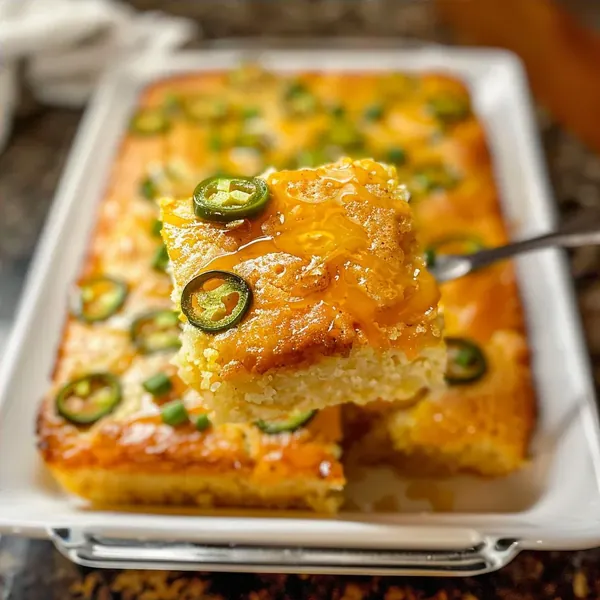
What makes fried cornbread truly special is its versatility. It can be savory or slightly sweet, plain or dressed up with onions, cheese, or jalapeños. It’s quick to make and deeply satisfying—perfect for a weeknight meal or a down-home gathering.
Whether you’re a Southern cooking enthusiast or simply curious about traditional comfort foods, learning how to make fried cornbread is a rewarding (and delicious) experience. In this article, we’ll explore its history, ingredients, variations, and provide step-by-step guidance so you can fry up your own batch of golden cornbread perfection.
History & Origins of Fried Cornbread
The story of fried cornbread begins long before modern kitchens and cast iron skillets—it’s rooted in Native American traditions and shaped by centuries of cultural exchange. Long before European settlers arrived in North America, Indigenous peoples were grinding corn into meal and using it to create simple, nourishing breads cooked over open flames. Corn, or maize, was a staple crop, and early versions of cornbread were made with little more than cornmeal and water, sometimes cooked on hot stones or in the ashes of a fire.
As colonists arrived, they adopted and adapted these cooking methods, introducing ingredients like milk, eggs, and fat. Over time, cornbread became a Southern staple, especially in rural communities where cornmeal was affordable and readily available. While baked cornbread grew in popularity, especially in Appalachia and the Deep South, frying became another favored method—especially for those without ovens or when cooking over open hearths.
Fried cornbread is closely tied to the traditions of soul food, developed by African Americans in the South during and after slavery. Ingredients were often limited, and resourcefulness was key. Frying cornmeal batter in fat—be it lard, bacon grease, or oil—was a practical way to create a filling, flavorful bread that paired well with other staples like beans, greens, and stews.
Over time, fried cornbread evolved into several regional variations, including “hoecakes” and “hot water cornbread.” These versions differ slightly in preparation and texture but share the same humble roots and comforting flavor.
Today, fried cornbread continues to be a cherished dish across the Southern United States and beyond. Whether served at Sunday dinners or family reunions, it remains a symbol of tradition, resilience, and the rich culinary heritage of the American South.
Difference Between Fried Cornbread and Regular Cornbread
While both fried cornbread and regular (baked) cornbread start with the same humble ingredient—cornmeal—their textures, flavors, and cooking methods set them worlds apart.
Fried cornbread is typically made by mixing a simple batter of cornmeal, a bit of flour, eggs, milk or water, and seasoning, then frying small rounds of the mixture in a skillet with oil or bacon grease. The result? Crispy edges, a golden-brown crust, and a soft, almost creamy center. It’s quick to make and often comes out thinner and more rustic in shape, depending on how the batter is dropped or shaped.
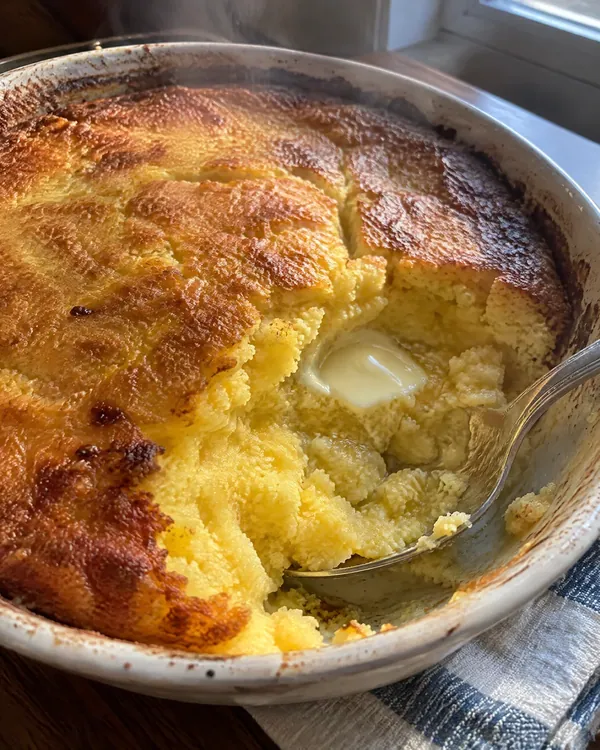
On the other hand, regular cornbread is baked in an oven—usually in a cast iron skillet, baking dish, or muffin tin. It’s thicker, fluffier, and more cake-like in texture. Many recipes also include sugar, making baked cornbread slightly sweet (a point of debate among cornbread purists). It’s often served sliced or cut into squares and can be more structured and moist.
Fried cornbread, also known as hoe cakes or hot water cornbread (depending on the recipe), has a grittier, heartier texture and a more savory, down-home flavor. It’s perfect for sopping up juices from stews, greens, or beans.
In short, fried cornbread is all about crispy edges and skillet-fried comfort, while baked cornbread delivers soft, fluffy slices with a hint of sweetness. Both are Southern staples, and the best choice often depends on what you’re serving it with—or what kind of comfort you’re craving.

Ingredients Used in Fried Cornbread
Fried cornbread keeps it simple, but the right balance of ingredients makes all the difference between a crumbly mess and a golden, crispy delight.
1. Cornmeal
This is the star of the show. Traditional Southern recipes use stone-ground cornmeal for a coarse, hearty texture. You can choose between yellow cornmeal (sweeter, more common) or white cornmeal (milder and often used in traditional Southern kitchens).
2. Flour
A small amount of all-purpose flour is typically added to help bind the batter and give it structure, preventing it from falling apart during frying.
3. Liquid
Most recipes use buttermilk, which adds tang and helps activate the baking powder for a fluffier interior. Alternatives include whole milk or hot water (especially for hot water cornbread variations).
4. Egg(s)
Used for binding and moisture, eggs help hold the batter together and improve texture. Some recipes skip eggs for a denser, rustic feel.
5. Baking Powder or Baking Soda
These leavening agents add a bit of rise, creating a softer interior. Hot water cornbread usually omits them for a flatter texture.
6. Salt
Just a pinch enhances all the other flavors.
Optional Add-ins
-
Sugar (for a touch of sweetness)
-
Chopped green onions or scallions
-
Shredded cheese
-
Minced jalapeños
-
Crumbled bacon or sausage
Fats for Frying
Fried cornbread is traditionally cooked in bacon grease or lard for maximum flavor, but vegetable oil or canola oil work well too.
Whether you’re keeping it classic or jazzing it up with bold flavors, these ingredients form the base of a true Southern staple.
Tools & Equipment Needed
While fried cornbread doesn’t require fancy equipment, using the right tools can make the cooking process smoother and the results tastier.
1. Cast Iron Skillet
A good-quality cast iron skillet is key. It retains and distributes heat evenly, giving your cornbread that perfect crispy edge. A 10- or 12-inch skillet works best.
2. Mixing Bowls
You’ll need at least one medium mixing bowl for combining your dry and wet ingredients. A second bowl can help with prepping add-ins.
3. Whisk or Spoon
A whisk helps mix dry ingredients and beat eggs, while a sturdy spoon or spatula works best to fold everything together.
4. Measuring Cups and Spoons
Precise measurements help maintain the perfect ratio of cornmeal to liquid and avoid runny or overly thick batter.
5. Spoon or Cookie Scoop
For forming evenly sized rounds of batter in the skillet, a large spoon, ice cream scoop, or even your hands can work.
6. Slotted Spatula or Turner
A thin, wide spatula is essential for flipping the cornbread without breaking it.
7. Paper Towels or Cooling Rack
Have a plate lined with paper towels or a cooling rack ready to drain excess oil after frying.
Simple tools, classic flavor—fried cornbread is rustic cooking at its finest.
Tips for Making the Perfect Fried Cornbread
Fried cornbread might be simple, but a few insider tips can take your recipe from good to unforgettable.
1. Don’t Overmix the Batter
Stir the batter just until the ingredients come together. Overmixing leads to dense, tough cornbread. Some small lumps are perfectly fine.
2. Watch the Thickness
Your batter should be thick enough to hold its shape when dropped in the skillet but loose enough to spread slightly. If it’s too runny, add a little more cornmeal; if too thick, a splash of buttermilk will loosen it up.
3. Let the Batter Rest
Allowing the batter to sit for 5–10 minutes helps the cornmeal hydrate and results in a better texture once cooked.
4. Use a Hot Skillet
Preheat your cast iron skillet before adding oil. This helps prevent sticking and jump-starts the crisping process when the batter hits the pan.
5. Test the Oil Temperature
The oil should be hot but not smoking—around 350°F (175°C) is ideal. Drop in a small spoonful of batter to test: if it sizzles and floats, it’s ready.
6. Don’t Crowd the Pan
Fry only 2–3 pieces at a time to keep the oil temperature consistent and avoid sogginess.
7. Flip Gently
Wait until the edges are golden and bubbles form on the surface before flipping. Use a thin spatula and flip just once to avoid breaking the bread.
8. Drain Excess Oil
Transfer fried pieces to a paper towel-lined plate or cooling rack to remove extra grease and keep them crispy.
With these tips, you’ll be serving up restaurant-worthy fried cornbread every time—crispy on the outside, tender and flavorful on the inside.

Classic Southern Fried Cornbread Recipe
This classic Southern fried cornbread recipe is simple, quick, and full of that down-home flavor. Perfect as a side for greens, beans, or fried chicken.
Ingredients:
-
1 cup stone-ground yellow cornmeal
-
¼ cup all-purpose flour
-
1 tsp baking powder
-
½ tsp salt
-
1 cup buttermilk (or milk if preferred)
-
1 large egg
-
2 tbsp melted butter or bacon grease (optional for richer flavor)
-
Oil or lard for frying (enough to cover skillet bottom)
Instructions:
-
Combine Dry Ingredients
In a large mixing bowl, whisk together cornmeal, flour, baking powder, and salt. -
Add Wet Ingredients
Beat the egg and mix it with buttermilk (and melted butter, if using). Pour into the dry mix and stir just until combined. Batter should be thick but spoonable. -
Heat the Skillet
Place a cast iron skillet over medium-high heat. Add about ¼ inch of oil and heat until it shimmers or reaches 350°F (175°C). -
Fry the Cornbread
Drop heaping spoonfuls of batter into the hot skillet, flattening slightly if needed. Fry 2–3 minutes on each side, or until golden brown and crispy. -
Drain and Serve
Transfer to a plate lined with paper towels. Serve hot with butter, honey, or alongside savory dishes.
Tips:
-
For extra crispiness, let the batter rest for 5–10 minutes before frying.
-
Use bacon grease for authentic Southern flavor.
-
Make smaller cakes for quicker, even cooking.
This recipe yields about 8 small cakes—perfect for 4 servings as a side.
Popular Variations of Fried Cornbread
Fried cornbread is wonderfully versatile. Here are some beloved regional and modern variations:
Hot Water Cornbread
Made by mixing boiling water directly into the cornmeal, this version skips milk, eggs, and baking powder. The result is denser and heartier, often fried in patties until crispy. It’s especially popular in African American soul food traditions.
Sweet Fried Cornbread
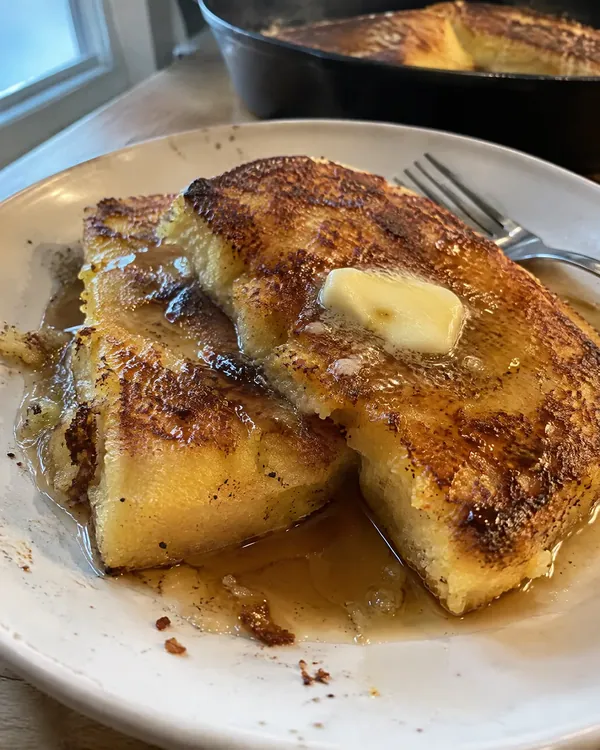
Add 1–2 tablespoons of sugar or honey to the batter. This slightly sweet version is often served with butter and syrup for breakfast, or as a dessert-style side.
Savory Add-Ins
Boost flavor with:
-
Chopped green onions or scallions
-
Shredded cheddar or pepper jack cheese
-
Crumbled bacon or sausage
-
Minced jalapeños for a spicy kick
These additions turn fried cornbread into a stand-alone snack or appetizer.
Vegan or Dairy-Free Version
Substitute:
-
Plant-based milk (like almond or oat milk)
-
Egg replacer or flax egg (1 tbsp ground flax + 3 tbsp water)
-
Oil instead of butter
Still crispy and golden, but animal-product free.
Gluten-Free Option
Replace the all-purpose flour with a gluten-free blend or extra cornmeal. Check that your cornmeal is certified gluten-free to avoid cross-contamination.
These variations let you adapt fried cornbread to any diet, taste preference, or occasion—all while keeping its signature Southern charm.
How to Serve Fried Cornbread
Fried cornbread is one of those rare side dishes that pairs beautifully with just about anything. Its crispy edges and tender inside make it a comforting addition to all kinds of meals.
Classic Southern Pairings
-
Collard greens or turnip greens – Use cornbread to soak up the flavorful pot liquor.
-
Pinto or black-eyed peas – A protein-packed combo with rustic charm.
-
Fried chicken or catfish – A match made in Southern heaven.
-
Chili or stews – The crisp texture contrasts perfectly with hearty dishes.
Breakfast or Brunch
Serve warm with:
-
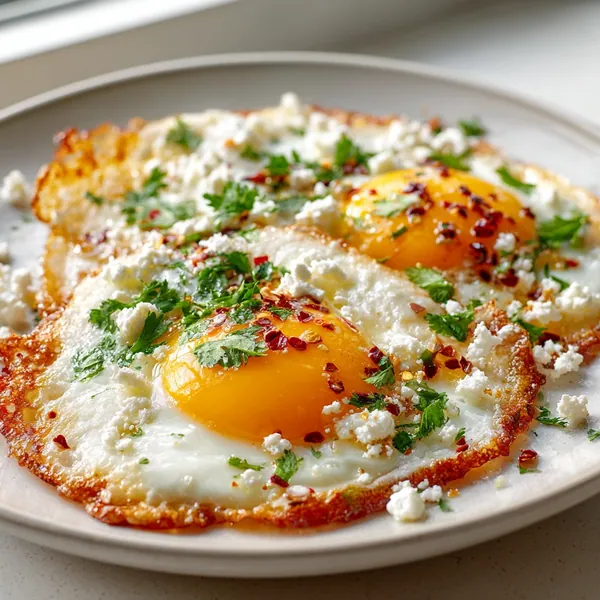
Fried or scrambled eggs
-
Sausage or bacon
-
A drizzle of honey or maple syrup
It also makes a unique alternative to toast or biscuits in a Southern-style breakfast.
Simple Toppings
-
Butter (plain, whipped, or herb-infused)
-
Honey
-
Apple butter or jam
-
Pimento cheese spread
Fried cornbread’s slightly neutral flavor makes it a canvas for sweet or savory toppings alike.
Whether you’re making a country breakfast, a hearty dinner, or just want a snack, fried cornbread fits the bill.
Health Considerations
While undeniably delicious, fried cornbread isn’t exactly health food—but there are ways to make it a bit more diet-friendly.
Nutritional Snapshot (per serving):
-
Calories: ~180–250 (depending on size and ingredients)
-
Fat: 12–18g (mainly from oil used in frying)
-
Carbohydrates: 15–20g
-
Protein: 2–4g
Concerns
-
Frying adds calories and fat – Traditional recipes use lard or bacon grease.
-
Gluten content – Recipes with all-purpose flour aren’t suitable for gluten-free diets.
-
Allergens – Contains dairy, eggs, and gluten unless modified.
Healthier Tips:
-
Use olive oil or avocado oil instead of lard or vegetable oil.
-
Try air frying small patties for a lighter option.
-
Go egg-free or dairy-free using plant-based alternatives.
-
Limit portion size – Pair one small cake with a hearty vegetable-based meal.
Enjoyed in moderation, fried cornbread can be part of a balanced comfort-food experience.
FAQs Section
What’s the difference between hoecakes and fried cornbread?
They’re essentially the same! “Hoecakes” is a traditional Southern name for fried cornbread. Historically, they were cooked on the flat part of a hoe over a fire, hence the name. Some regions may use “hoecakes” to describe thinner, pancake-like versions.
Why is my fried cornbread falling apart?
This usually means the batter is too dry or lacks enough binding agents like egg or flour. Add a bit more liquid (milk or water) and make sure you’re including an egg or egg substitute to help hold it together.
Can I make fried cornbread without eggs?
Yes! Use a flax egg (1 tbsp ground flaxseed + 3 tbsp water), unsweetened applesauce, or a store-bought egg replacer. Just note that the texture may be slightly different.
What kind of cornmeal is best for fried cornbread?
Stone-ground yellow cornmeal is ideal for flavor and texture. You can also use white cornmeal for a milder taste. Avoid self-rising cornmeal unless your recipe adjusts for leavening.
Can you freeze fried cornbread?
Yes! Let it cool completely, then wrap each piece in plastic wrap or foil and store in an airtight container. It can be frozen for up to 2 months. Reheat in a skillet, toaster oven, or air fryer for best texture.
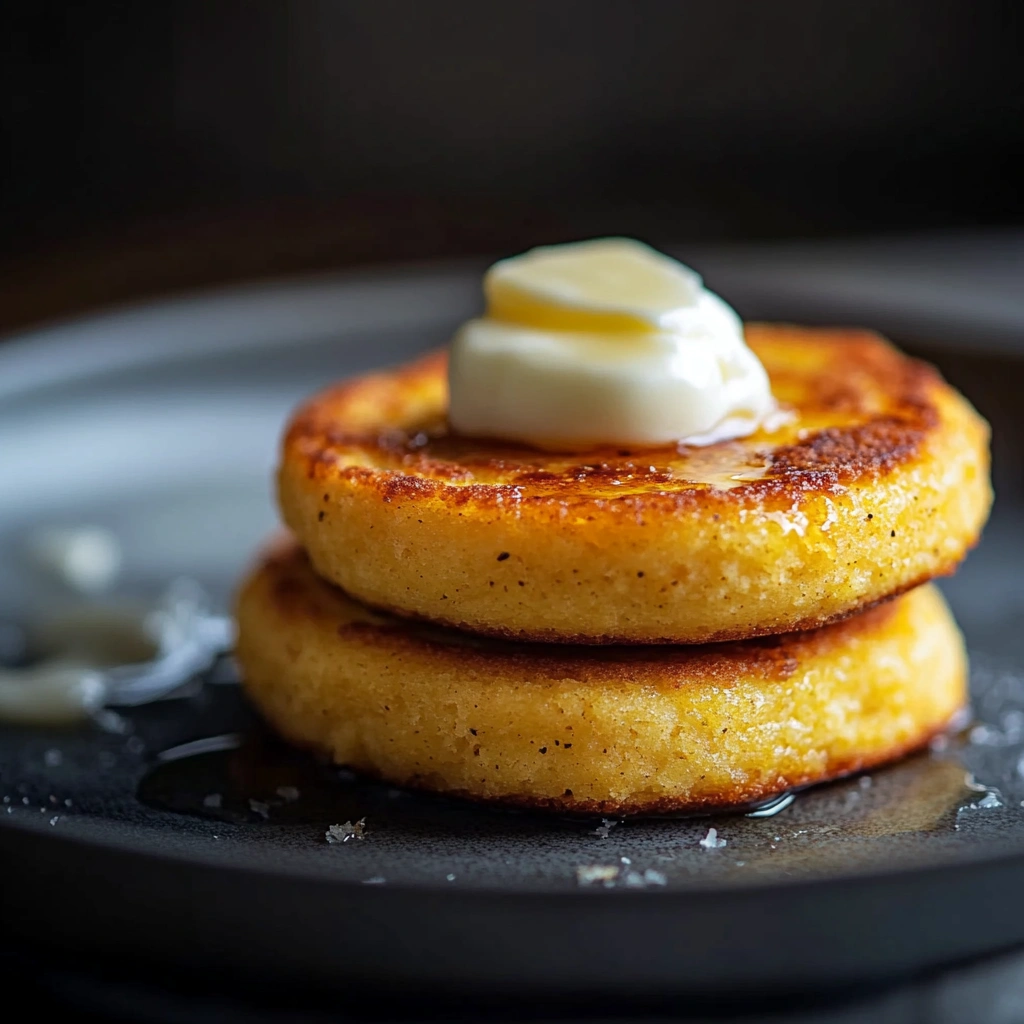
Fried Cornbread
This classic Southern Fried Cornbread is crispy on the outside, tender on the inside, and full of old-fashioned flavor. Made with simple pantry staples like cornmeal, flour, and buttermilk, it's the perfect side dish for beans, greens, chili, or a hearty Southern breakfast. Whether you call them hoe cakes or skillet cornbread, this golden, pan-fried favorite is ready in minutes and always hits the spot.
Ingredients
- 1 ½ cup cornmeal
- ½ cup self-rising flour
- 1 ½ teaspoon baking powder
- 1 ½ teaspoon kosher salt
- 2 teaspoons granulated sugar
- 1 cup buttermilk
- 1 large egg
- ½ cup vegetable oil divided
Instructions
- In a large bowl, combine the cornmeal, self-rising flour, baking powder, salt, and sugar and mix evenly with a fork.
- In a measuring cup, add buttermilk and egg and mix to combine. Pour wet mixture into bowl of the dry ingredients and mix until there are no more visible dry ingredients. This will look like a dough more than a batter.
- Add first ¼ cup vegetable oil to 10-inch skillet and heat over medium heat. Portion a heaping tablespoon of dough into the oil, cooking three or four at a time in each batch. Cook until golden brown, about 2-3 minutes, then flip carefully and cook an additional 2-3 minutes on the other side.
- Remove from oil and drain on a paper towel-lined plate, while cooking remaining cornbread. About halfway through the batches, you will need to add the remaining ¼ cup to the skillet to continue cooking.
- Once all cooked, serve immediately as an appetizer or side.