Origin and History of Devilled Eggs
The roots of devilled eggs trace back thousands of years, making them one of the oldest known appetizers in culinary history. The earliest versions appeared in Ancient Rome, where boiled eggs were seasoned with spicy sauces and served as a starter at lavish feasts. Roman texts mention dishes of eggs prepared with wine, broth, oil, and various spices—an early indication of the evolution toward what we now call devilled eggs.
During the Middle Ages, stuffed eggs gained popularity across Europe, particularly in Spain and the Netherlands. These early variations often included ingredients like cheese, herbs, and finely chopped meats. The concept continued to spread and evolve, becoming more refined and regionally distinct over time.
The term “devilled” began appearing in English cookbooks in the 18th century. It referred to foods that were highly seasoned or spicy—often involving mustard, pepper, or other zesty ingredients. The name reflected the bold flavors added to the yolk mixture, not any connection to actual devils or folklore.
By the 19th and early 20th centuries, devilled eggs had become a fixture in American cuisine. With the rise of mayonnaise in the early 1900s, the modern devilled egg as we know it took shape: creamy, tangy, and often topped with a dash of paprika.
Today, devilled eggs are celebrated not only for their history but also for their adaptability. From humble Roman origins to gourmet party platters, they remain a beloved dish that bridges centuries of culinary tradition with contemporary flavor trends.

Ingredients for Classic Devilled Eggs
Classic devilled eggs are made with just a handful of simple ingredients, yet they deliver rich, satisfying flavor in every bite. The base of the dish is hard-boiled eggs, which are halved and filled with a creamy yolk mixture that combines tanginess, smoothness, and just a hint of spice.
Here are the essential ingredients for making traditional devilled eggs:
-
6 large eggs – Hard-boiled and peeled. This yields 12 devilled egg halves.
-
3 tablespoons mayonnaise – Adds creaminess and helps bind the filling.
-
1 teaspoon yellow mustard – Contributes a tangy, slightly sharp flavor.
-
1 teaspoon white vinegar or lemon juice – Brightens the filling and balances the richness.
-
Salt and pepper to taste – Enhances the overall flavor.
-
Paprika (for garnish) – Adds color and a mild smokiness.
These core ingredients create the familiar taste that has made devilled eggs a favorite appetizer for generations. The key to a perfect devilled egg lies in achieving a smooth, well-balanced filling—creamy without being runny, tangy without being overpowering.
Optional ingredients can be added to personalize the flavor or enhance texture:
-
Dijon mustard – For a slightly spicier, more refined flavor.
-
Sweet pickle relish – Adds sweetness and crunch, popular in Southern-style devilled eggs.
-
Chopped chives or parsley – For a fresh herbal note.
-
Hot sauce or cayenne pepper – For those who prefer a kick of heat.
How to Make Classic Devilled Eggs (Step-by-Step Recipe)
Making classic devilled eggs is a straightforward process, but attention to detail can elevate them from simple to exceptional. Follow these step-by-step instructions for perfect results every time.
Step 1: Boil the Eggs
Place eggs in a single layer in a saucepan and cover with cold water by about an inch. Bring the water to a boil over medium-high heat. Once boiling, cover the pot, remove it from heat, and let sit for 10–12 minutes. Transfer the eggs to an ice bath for at least 5 minutes to stop the cooking and make peeling easier.
Step 2: Peel and Halve the Eggs
Gently crack the eggs and peel under cold running water. Slice each egg in half lengthwise. Carefully remove the yolks and place them in a mixing bowl. Set the whites aside on a serving tray or platter.
Step 3: Make the Filling
Mash the yolks with a fork until no large lumps remain. Add 3 tablespoons of mayonnaise, 1 teaspoon of yellow mustard, 1 teaspoon of white vinegar (or lemon juice), and salt and pepper to taste. Mix until smooth. If you prefer a creamier texture, add more mayonnaise or a splash of cream.
Step 4: Fill the Egg Whites
Spoon the yolk mixture into each egg white, or for a neater presentation, use a piping bag or a zip-top bag with the corner snipped off. Fill each egg generously.
Step 5: Garnish and Chill
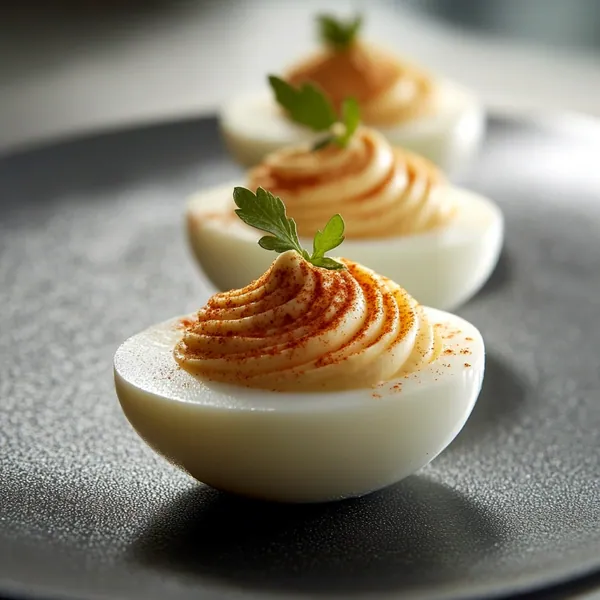
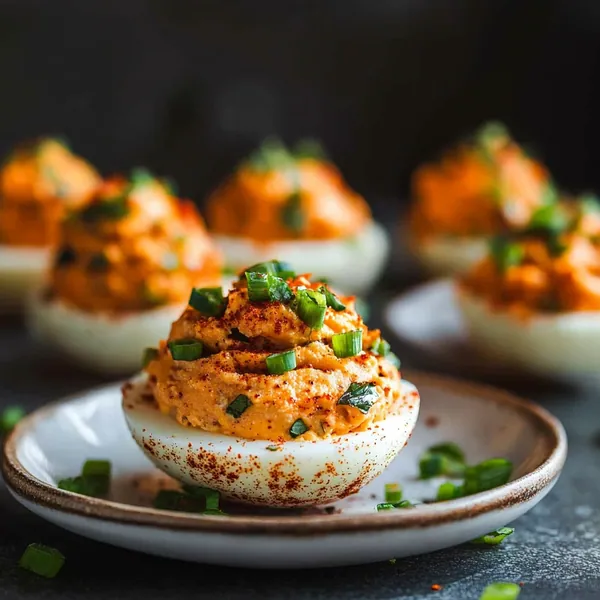
Sprinkle a dash of paprika over the top for color and flavor. Optional garnishes include chopped chives, crispy bacon bits, or pickled jalapeños. Chill the devilled eggs in the refrigerator for at least 30 minutes before serving.
Tips for Perfect Devilled Eggs
-
Use older eggs for easier peeling
Fresh eggs are harder to peel. For best results, use eggs that are 5–7 days old. They’re much easier to peel after boiling, which helps keep the egg whites intact. -
Cool the eggs quickly
An ice bath after boiling prevents overcooking and green yolks. It also makes peeling smoother and preserves the egg’s texture. -
Mash the yolks thoroughly
Lumpy filling can ruin the texture. Mash yolks completely before adding wet ingredients, and consider pressing the mixture through a fine sieve for extra smoothness. -
Use a piping bag for presentation
Filling the eggs with a spoon works, but a piping bag (or zip-top bag) makes for a cleaner, more professional look. Use a star tip for a decorative touch. -
Balance the flavors
Taste the filling before piping. Adjust the seasoning with extra salt, mustard, or a splash of vinegar if needed. The right balance between creamy, tangy, and savory is key. -
Chill before serving
Devilled eggs taste best when they’ve had time to chill. This also firms up the filling and enhances the flavor. Chill for at least 30 minutes, or up to 24 hours if prepping ahead. -
Use a devilled egg tray
These trays hold the eggs securely, preventing them from sliding around during storage or transport.
Common Mistakes to Avoid
-
Overcooking the eggs
Overboiled eggs can develop a green-gray ring around the yolk and a rubbery texture. To avoid this, use a consistent method like the “boil and rest” technique, then transfer to an ice bath. -
Undermixing the filling
Lumpy or dry yolk filling can make the eggs unappetizing. Ensure the mixture is fully blended and smooth. Use a fork, whisk, or food processor to achieve the right consistency. -
Too much or too little seasoning
A bland filling is a common issue. Don’t forget to taste and adjust for salt, acidity, and spice. Conversely, avoid overloading the filling with too many strong flavors that overwhelm the dish. -
Filling the eggs too early without covering
If devilled eggs sit uncovered in the fridge, the filling can dry out. Always cover them with plastic wrap or place them in a sealed container if prepping ahead. -
Serving eggs that are too warm
Devilled eggs are best served chilled. Warm eggs can feel greasy and are more prone to spoilage, especially if served outdoors. Keep them cold until just before serving. -
Messy presentation
Sloppy filling can make devilled eggs look unappealing. Clean up any smudges on the whites, and consider garnishing for a finished, appetizing look. -
Skipping the garnish
A sprinkle of paprika or herbs adds both flavor and visual appeal. Don’t skip this simple but impactful step.

Popular Variations of Devilled Eggs
While classic devilled eggs are always a crowd-pleaser, experimenting with flavors and ingredients can take them to the next level. Here are some popular and creative variations to suit every palate and occasion:
1. Southern-Style Devilled Eggs
This variation includes sweet pickle relish, a pinch of sugar, and a generous dusting of paprika. It’s creamy, tangy, and slightly sweet—a favorite at Southern gatherings.
2. Spicy Devilled Eggs
Add a kick with ingredients like sriracha, hot sauce, cayenne pepper, or diced jalapeños. These versions are perfect for spice lovers. Top with pickled chili slices for extra heat and visual appeal.
3. Avocado Devilled Eggs
Replace some or all of the mayo with mashed avocado for a creamy, nutritious twist. Add lime juice, cilantro, and a pinch of cumin for a guacamole-inspired flavor.
4. Bacon and Cheddar Devilled Eggs
Mix crispy crumbled bacon and shredded cheddar cheese into the yolk filling. These eggs are rich and savory, with a bold flavor that works well at brunches or game day parties.
5. Curry Devilled Eggs
A teaspoon of curry powder in the filling adds a warm, earthy flavor. Garnish with a few mustard seeds or chopped cilantro for a flavorful, exotic touch.
6. Dill and Cucumber Devilled Eggs
Light and refreshing, this variation includes finely chopped cucumber, fresh dill, and a bit of Greek yogurt. It’s a great option for spring and summer entertaining.
7. Smoked Salmon Devilled Eggs
Stir in cream cheese, chopped smoked salmon, and a splash of lemon juice. Garnish with capers and dill for a brunch-worthy upgrade.
8. Vegan Devilled Eggs
For a plant-based alternative, make “eggs” using halved baby potatoes or tofu slices. The filling can be made from mashed chickpeas, vegan mayo, mustard, and nutritional yeast.
How to Serve and Store Devilled Eggs
Serving Devilled Eggs
Devilled eggs are best served chilled, which helps preserve their texture and flavor. Arrange them neatly on a devilled egg tray or a platter lined with lettuce, kale, or fresh herbs to prevent sliding. For holidays and events, consider adding festive garnishes like pimento-stuffed olives, red pepper strips, or edible flowers.
If you’re making multiple varieties, group them visually on the platter and label them with small signs or colored garnishes so guests can easily identify each flavor.
Make-Ahead Tips
Devilled eggs can be made up to 24 hours in advance. For the best texture, store the egg whites and the filling separately, then pipe or spoon the filling into the whites closer to serving time. This prevents sogginess.
Storing Devilled Eggs
Keep devilled eggs in an airtight container in the refrigerator. If already assembled, use a container designed to hold devilled eggs securely or use parchment paper to keep them from sliding around. They should be consumed within 2 days for the best quality and safety.
Transporting Tips
When taking devilled eggs to an event, use a chilled container or insulated bag. You can place a damp paper towel over the eggs to keep them moist, then cover securely with plastic wrap or a lid.
Pairing Suggestions and Serving Ideas
Devilled eggs are incredibly versatile and pair well with a wide variety of foods and drinks, making them a great addition to many menus.
Food Pairings
-
Charcuterie boards: Add devilled eggs alongside cheeses, cured meats, olives, and pickles.
-
Grilled meats: Their creamy texture contrasts beautifully with smoky flavors from BBQ ribs, chicken, or steak.
-
Fresh salads: Serve with arugula, potato salad, or coleslaw for a light and satisfying meal.
-
Sandwiches or wraps: Devilled eggs make a great side dish for picnic-friendly fare like turkey sandwiches or wraps.
Beverage Pairings
-
Sparkling wine or champagne: The bubbles help cleanse the palate between bites.
-
White wine: Sauvignon blanc or chardonnay pairs well with the creamy, tangy flavors.
-
Bloody Marys: Especially for brunch, the savory-spicy flavor complements devilled eggs nicely.
-
Iced tea or lemonade: For non-alcoholic options, these classics enhance the eggs without overpowering them.
Serving Ideas
-
Appetizer platters: Combine devilled eggs with mini quiches, stuffed mushrooms, or bruschetta for a varied starter.
-
Holiday spreads: Use colored garnishes to match the holiday—green herbs for St. Patrick’s Day, red pepper flakes for Christmas, etc.
-
Picnic baskets: Pack devilled eggs in a secure container with ice packs, and serve with crackers, cheese, and fruit.
FAQs about Devilled Eggs
Why are they called “devilled” eggs?
The term “devilled” originated in the 18th century to describe foods that were spicy or seasoned with zesty ingredients like mustard or pepper. The name reflects the kick of flavor added to the yolk filling—not anything sinister.
Can you make devilled eggs ahead of time?
Yes, devilled eggs can be prepared up to 24 hours in advance. For best results, store the filling and whites separately and assemble just before serving. This keeps the eggs from getting soggy and preserves their texture.
How do you keep devilled eggs from getting watery?
Use a thick filling by avoiding watery ingredients, and don’t overmix. Chilling the eggs before serving helps keep them firm. If your filling is too loose, add more yolk or a bit of mayo to tighten it.
What’s the best way to transport devilled eggs?
Use a devilled egg carrier or place them in a snug container lined with paper towels to keep them in place. Keep them cool with an insulated bag or ice packs.
How long can devilled eggs sit out?
Devilled eggs should not sit at room temperature for more than two hours. If serving at a picnic or outdoor event, place the platter over a bowl of ice to keep them cool.
Can devilled eggs be frozen?
No, devilled eggs do not freeze well. Freezing causes the egg whites to become rubbery and the filling to separate. It’s best to enjoy them fresh.
What’s the difference between devilled eggs and stuffed eggs?
The terms are often used interchangeably. However, “stuffed eggs” is a broader term that includes both spicy and non-spicy versions, while “devilled” typically implies the inclusion of tangy or spicy ingredients like mustard or hot sauce.
Conclusion and Final Thoughts
Devilled eggs are a beloved classic that continue to stand the test of time, thanks to their simplicity, adaptability, and crowd-pleasing flavor. Whether you prefer the traditional version or enjoy experimenting with creative fillings, there’s a devilled egg variation for every occasion. With proper technique, the right ingredients, and a bit of flair, you can easily turn this humble dish into the star of any spread. Use this guide as your go-to resource for perfect devilled eggs, and don’t be afraid to get creative—half the fun is in the variations.
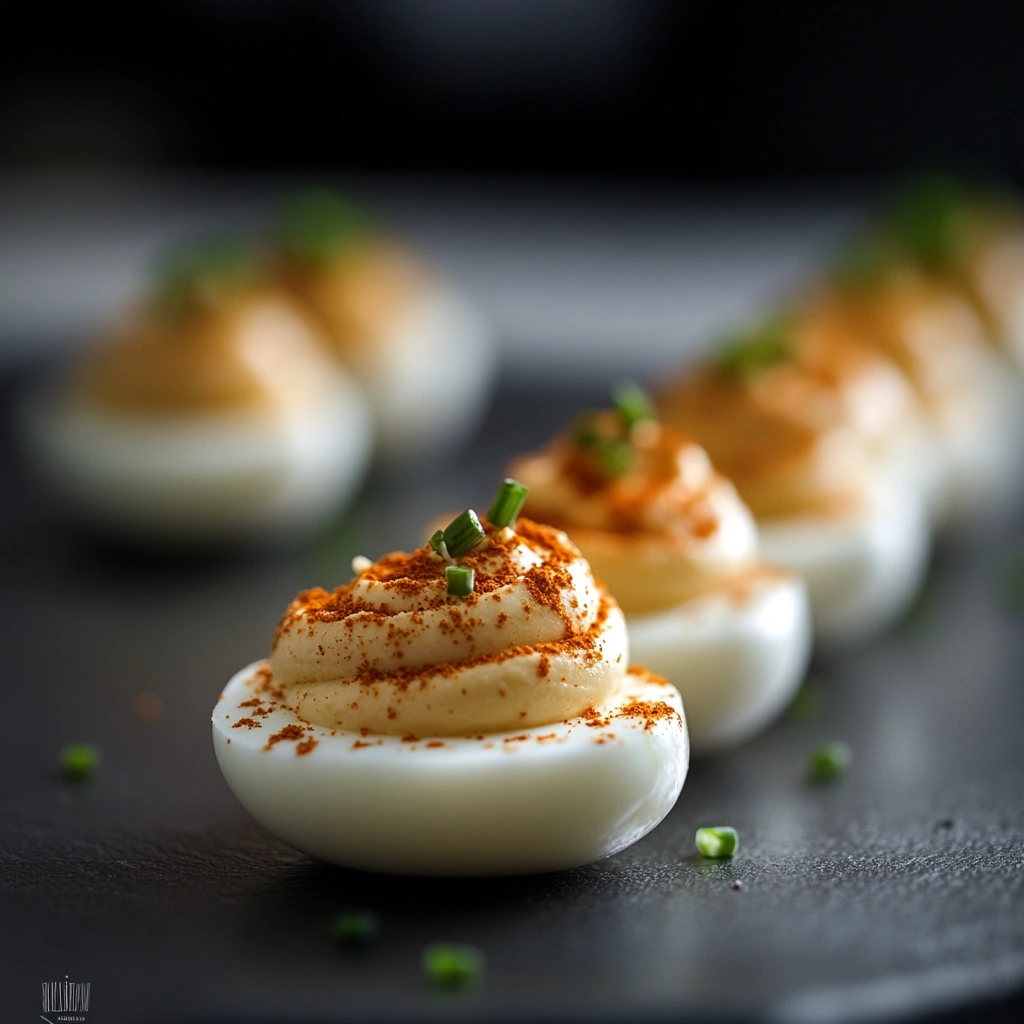
Devilled eggs
Classic devilled eggs are a creamy, tangy, and irresistibly savory appetizer perfect for parties, potlucks, or everyday snacking. This easy, foolproof recipe features hard-boiled eggs filled with a smooth yolk mixture made from mayonnaise, mustard, and vinegar, finished with a dash of paprika. With just a handful of simple ingredients, you can whip up a batch in under 30 minutes. Customize with your favorite mix-ins or garnishes, and serve chilled for a crowd-pleasing bite every time. Whether you're sticking with the traditional version or experimenting with fun variations, these devilled eggs are always a hit.
Ingredients
- 12 large eggs (50-55g / 2 oz each in shell, fridge cold (Note 1)
- 2 tsp Dijon mustard
- 2 tsp Tabasco or other hot sauce
- 1 tsp white wine vinegar
- 2 tsp mayonnaise , whole egg mayo preferred, or kewpie
- 1/4 heaped teaspoon cooking salt / kosher sale (Note 3)
- 50 g/ 3 tbsp cold unsalted butter , cut into 1 cm / 0.2″ cubes
- Paprika , regular/sweet, or smoked
- 1 tbsp chives , finely chopped
Instructions
- Large pot – Bring a large pot with 15cm / 6 water to the boil. Lower eggs in gently using a spider or slotted spoon. Lower heat a tiny bit if needed to stop the eggs from jostling around so much they crack.
- Boil and swirl – Boil eggs for 10 minutes. Swirl the water every minute for the first 6 minutes, using the handle of a wooden spoon. Give the water 4 or 5 fast stirs in one direction to make the water and eggs swirl in the water. The centrifugal force will make the yolks cook centred in the egg white (ie no thin broken egg white walls) (Note 4).
- Peel – Fill a sink with cold tap water. Remove eggs from the boiling water using a slotted spoon or spider. Leave for 5 minutes until cool enough to handle. Tap the base then peel under water (it’s easier).
- Remove yolks – Cut eggs in half and remove the yolks using a teaspoon.
- Filling – Place the yolks and all filling ingredients EXCEPT butter in a small food processor (Note 5). Blitz until yolks are broken up. Add butter and blitz, scraping down the sides as needed, until the butter is blended through. The filling should be creamy (smear with back of spoon to check).
- Choose the best 18 to 20 egg white halves. (Note 6) Brush yolk crumbs off the cut surface.
- Pipe – Transfer filling into a piping bag fitted with a nozzle of your choice (I use a star). Fill so it’s mounded – I do about the same amount as a whole yolk.
- Sprinkle with paprika and chives. Serve! (Best enjoyed at room temperature rather than fridge cold as the filling is creamier.)