In this article
Classic deviled eggs are a timeless appetizer that have earned their place at holiday gatherings, potlucks, and parties across generations. Simple yet elegant, they strike the perfect balance between creamy, tangy, and savory—delighting guests whether served as a casual snack or a dressed-up hors d’oeuvre. At their core, deviled eggs consist of hard-boiled eggs that have been halved, with the yolks removed, seasoned, and whipped into a flavorful filling, then piped or spooned back into the whites.
The name “deviled” dates back to the 18th century and originally referred to foods that were highly seasoned or spicy. Over time, the term stuck, even though most classic versions today are only mildly tangy, thanks to ingredients like mustard, vinegar, and a dash of paprika. While the exact origin of deviled eggs is hard to pinpoint, similar versions can be traced back to ancient Rome, where stuffed eggs were often served as appetizers.
What makes deviled eggs truly special is their versatility. Whether you stick to the traditional recipe or add your own creative twist—like avocado, pickle relish, or sriracha—these little bites can easily be tailored to suit any flavor profile. They’re also a great make-ahead option, making them convenient for hosts and home cooks alike.
In this guide, we’ll walk you through everything you need to know about making the perfect classic deviled eggs—from the best way to boil your eggs to creative garnishing tips—so you can serve up a dish that’s both nostalgic and irresistible.
What Are Deviled Eggs?
Deviled eggs are a popular appetizer made from hard-boiled eggs that have been halved, with the yolks removed, seasoned, and whipped into a creamy filling before being returned to the egg whites. The dish is known for its smooth, flavorful texture and balanced tanginess, often enhanced with ingredients like mayonnaise, mustard, vinegar, and spices.
The term “deviled” in the culinary world originally referred to foods that were zesty or spicy. It first appeared in English in the 18th century and was used to describe dishes prepared with hot seasonings. While today’s classic deviled eggs are usually mild, the name has stuck, even as variations of the recipe have evolved to include bold flavors like paprika, hot sauce, horseradish, or jalapeños.
Deviled eggs are thought to have originated from ancient Roman times, when seasoned, stuffed eggs were a common appetizer at feasts. Over time, the dish evolved through European and American culinary traditions, gaining popularity in the United States in the mid-20th century, particularly as a party and picnic staple.
Their portability, ease of preparation, and wide appeal have made deviled eggs a classic in American cuisine. Whether traditional or creative, they continue to be a go-to option for entertaining and casual snacking.
Step-by-Step Instructions
Making classic deviled eggs is simple, but getting the perfect texture and flavor depends on attention to detail. Here’s a complete, step-by-step guide to preparing them.
1. Hard-Boil the Eggs
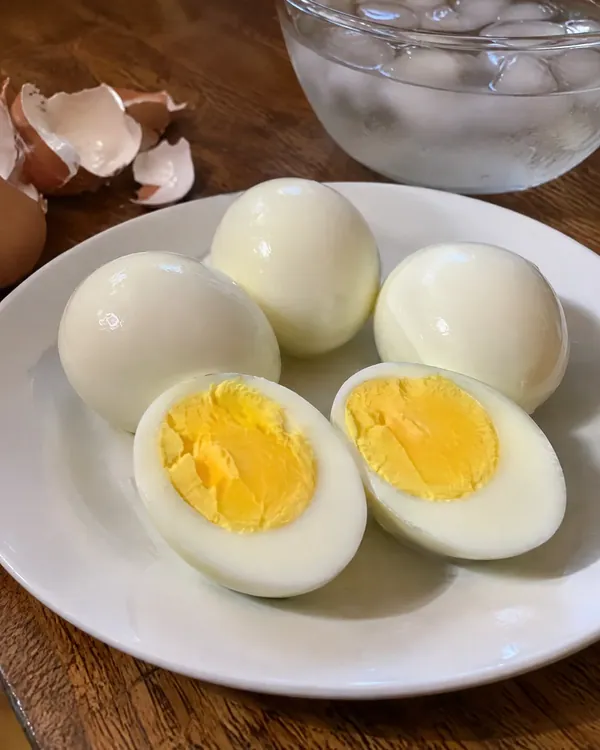
Place your eggs in a single layer in a saucepan and cover them with cold water by about an inch. Bring the water to a boil over medium-high heat. Once it reaches a rolling boil, cover the pot, turn off the heat, and let the eggs sit for 10–12 minutes. Then, transfer them to an ice bath for 5–10 minutes to stop cooking and make peeling easier.
2. Peel and Slice the Eggs
Gently tap each egg on a hard surface and roll it to loosen the shell. Peel under cold running water for the cleanest results. Slice the peeled eggs lengthwise and carefully remove the yolks with a spoon or by gently squeezing the whites.
3. Make the Filling
Place the yolks in a bowl and mash them with a fork until no large lumps remain. Add mayonnaise (about 2–3 tablespoons for six eggs), a teaspoon of mustard, a splash of vinegar or lemon juice, salt, and pepper to taste. Mix until smooth and creamy. You can adjust the consistency by adding more mayo or a touch of milk if needed.
4. Fill the Egg Whites
Spoon the filling into the egg white halves, or for a cleaner presentation, use a piping bag or a zip-top bag with the corner snipped off. Fill generously without overfilling.
5. Garnish and Serve
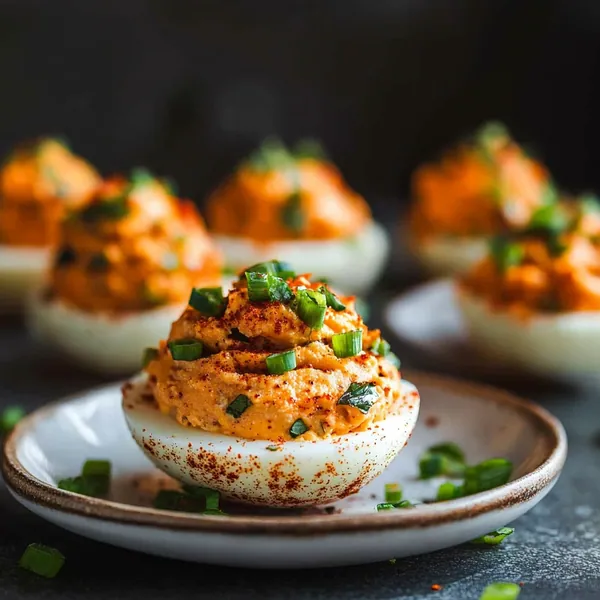
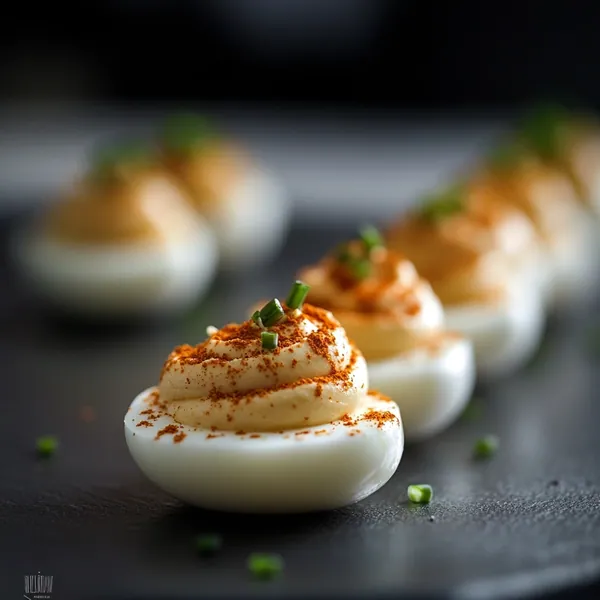
Sprinkle with paprika for a traditional finish. Optional toppings include chopped chives, sliced olives, or crispy onions. Serve chilled.

Tips for Perfect Deviled Eggs Every Time
While deviled eggs are straightforward to make, small mistakes can impact the final result. Here are some key tips to ensure consistently delicious and well-presented deviled eggs every time.
Start with Older Eggs
Slightly older eggs peel more easily than fresh ones. If possible, buy your eggs a few days in advance of boiling them.
Use an Ice Bath After Boiling
Immediately cooling eggs in an ice bath halts the cooking process and prevents that green-gray ring from forming around the yolk. It also helps with peeling.
Mash Yolks Thoroughly
For a smooth filling, ensure the yolks are completely mashed with no lumps. Using a fine-mesh sieve or a food processor can help achieve a silky texture.
Balance the Flavor
Taste your filling before piping. Adjust the salt, mustard, or vinegar levels as needed. A touch of acidity brightens the flavor, while a dash of sugar can round it out if it tastes too sharp.
Use a Piping Bag for Clean Presentation
A piping bag (or a zip-top bag with a corner snipped off) gives your deviled eggs a professional look. It also helps distribute the filling more evenly.
Chill Before Serving
Deviled eggs taste best when served cold. Chill for at least 30 minutes before serving to let the flavors meld.
Transport with Care
If you’re taking deviled eggs to an event, use a deviled egg tray or line a container with paper towels to keep them in place during transport.
Popular Variations of Deviled Eggs
While the classic version of deviled eggs is universally loved, there are countless variations that add flavor, texture, or a touch of creativity to this timeless appetizer. Here are some of the most popular and delicious twists on the traditional recipe:
Spicy Deviled Eggs
Add a few dashes of hot sauce, Sriracha, or a pinch of cayenne pepper to the yolk mixture. Garnish with sliced jalapeños or chili flakes for extra heat.
Pickle Deviled Eggs
A spoonful of dill pickle relish in the yolk filling and a thin slice of pickle on top adds a sharp, salty crunch.
Avocado Deviled Eggs
Replace part or all of the mayonnaise with mashed avocado for a creamy, nutrient-rich option. A squeeze of lime juice helps prevent browning.
Pickle or Relish Deviled Eggs
Add finely chopped dill pickles or sweet pickle relish for a tangy, sweet-and-sour flavor. These are often called Southern-style deviled eggs.
Herbed Deviled Eggs
Fresh herbs like dill, parsley, or chives bring a bright, garden-fresh taste. Combine into the filling or use as garnish.
Curried Deviled Eggs
Add curry powder to the yolk mixture for a warm, spiced profile. These pair well with a garnish of cilantro or toasted cumin seeds.
These variations can be adjusted based on dietary preferences or the occasion. Whether you’re looking to impress guests or simply change things up, deviled eggs are the perfect canvas for culinary creativity.
Deviled Egg Presentation & Plating Ideas
A beautifully presented deviled egg tray can elevate your appetizer from simple to stunning. How you serve and garnish your deviled eggs plays a big role in their visual appeal and overall enjoyment.
Use a Deviled Egg Platter
A specialized deviled egg tray with rounded indentations helps keep the eggs in place and prevents them from sliding around. White ceramic or glass trays give a clean, classic look, while colorful platters add a festive touch.
Garnish with Intention
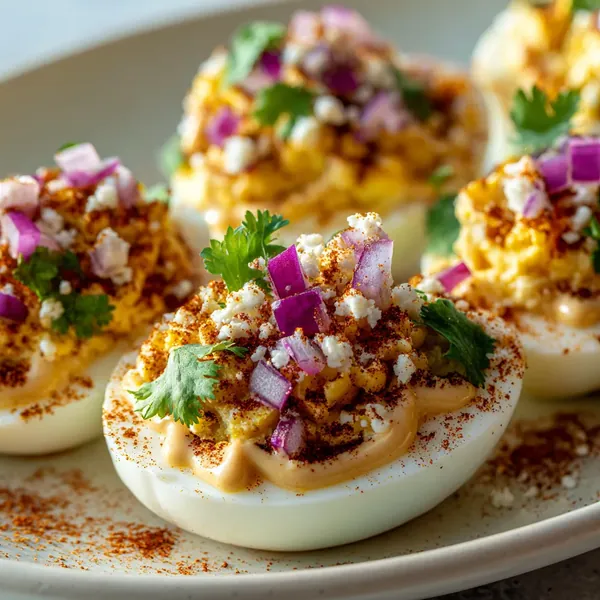
Classic paprika is a timeless finishing touch, but don’t be afraid to get creative. Try garnishing with:
-
Fresh herbs like chives or dill
-
Microgreens for a modern twist
-
Sliced olives or capers
-
Crispy onions
Add Color Contrast
If you’re using a neutral platter, contrast with vibrant garnishes or surround the eggs with greens like parsley or lettuce leaves.
Individual Servings
For buffets or large gatherings, consider placing each deviled egg in a mini paper cup or on a cucumber slice for easy serving and added stability.
Themed Arrangements
Arrange deviled eggs in shapes (like a wreath for holidays) or use edible decorations to match a party theme.
With a few thoughtful touches, your deviled eggs can be as impressive visually as they are delicious.
Make-Ahead and Storage Tips
Deviled eggs are an ideal make-ahead appetizer, but proper storage is essential to maintain freshness and safety. Here’s how to prepare and store them efficiently.
Make-Ahead Tips
You can prepare deviled eggs up to two days in advance, but it’s best to store the egg whites and the filling separately. Keep the whites covered on a tray and store the yolk filling in an airtight container. This prevents the eggs from drying out or becoming soggy.
Assembling in Advance
If you prefer to assemble the deviled eggs ahead of time, do so no more than one day before serving. Store them in a single layer in a covered container and keep them refrigerated until just before serving.
Transporting Deviled Eggs
When taking deviled eggs to a party or picnic, use a dedicated egg carrier or line a container with paper towels to keep them from shifting. Always transport them in a cooler with ice packs if traveling in warm weather.
Storage Duration
Fully assembled deviled eggs should be eaten within 2–3 days. Always store them in the refrigerator, and discard any eggs that have been left out for more than two hours.
With these tips, you can confidently make deviled eggs ahead of time without sacrificing taste or safety.

Nutritional Information & Dietary Options
Deviled eggs are not only delicious but also relatively nutritious, especially when made with wholesome ingredients. Here’s a breakdown of their nutritional profile and some ways to adapt them for various diets.
Basic Nutrition (per half-egg)
-
Calories: ~60
-
Protein: ~3g
-
Fat: ~5g
-
Carbohydrates: <1g
The primary nutrients come from the egg yolk, which is rich in healthy fats, vitamins A, D, E, and B12, as well as choline, which supports brain health.
Low-Carb and Keto-Friendly
Classic deviled eggs are naturally low in carbs, making them perfect for low-carb, keto, and Paleo diets. Just ensure the mayo used doesn’t contain added sugars.
Dairy-Free Options
Traditional deviled eggs are dairy-free. However, double-check store-bought mayonnaise if avoiding dairy strictly, or use avocado or hummus as alternatives.
Healthier Substitutes
To reduce fat or calories:
-
Use light mayonnaise or Greek yogurt
-
Add mashed avocado or silken tofu for a creamy texture
-
Cut down on added salt by using mustard or lemon juice for flavor
Allergen Note
Deviled eggs contain eggs (obviously), and some fillings may include mustard, which is a common allergen for some individuals.
With a few simple tweaks, deviled eggs can easily fit into most healthy eating plans.
Common Mistakes to Avoid
Making deviled eggs may seem easy, but small missteps can affect texture, flavor, and presentation. Here are common mistakes and how to avoid them:
1. Overcooking the Eggs
Overboiled eggs result in rubbery whites and green-tinged yolks. Stick to the 10–12 minute method followed by an ice bath to ensure perfectly cooked eggs with bright yellow yolks.
2. Difficult-to-Peel Shells
Using very fresh eggs can make peeling difficult. Use eggs that are 5–7 days old and chill them in ice water immediately after boiling to make peeling easier.
3. Lumpy or Dry Filling
Incomplete mashing or too little mayonnaise can make the filling grainy or dry. For a smooth, creamy texture, mash thoroughly and add enough moisture.
4. Overfilling or Underfilling
Too much filling may overflow, while too little looks unappetizing. Use a piping bag for precision and portion control.
5. Lack of Seasoning
Tasting and adjusting the filling is crucial. Don’t forget salt, pepper, and a touch of acidity for balance.
6. Improper Storage
Leaving deviled eggs at room temperature for too long can lead to spoilage. Always keep them chilled and consume within 2–3 days.
Avoiding these common errors ensures that your deviled eggs are consistently delicious and visually appealing.
FAQ Section
Here are answers to some of the most commonly asked questions about deviled eggs, based on Google’s “People Also Ask” section:
1. How long can you keep deviled eggs in the fridge?
Deviled eggs should be stored in an airtight container in the refrigerator and consumed within 2 to 3 days. If they’ve been left out at room temperature for over 2 hours, it’s best to discard them.
2. Why are they called deviled eggs?
The term “deviled” dates back to the 18th century and referred to foods prepared with spicy or zesty seasonings. While modern deviled eggs aren’t always spicy, the name stuck due to the bold flavors often used in the filling.
3. Can you make deviled eggs the day before?
Yes. For best results, store the whites and filling separately, then assemble just before serving. If fully assembled, keep them tightly covered and refrigerated.
4. How do you thicken deviled egg filling?
If your filling is too runny, add more mashed yolk or a small amount of instant potato flakes, finely crushed crackers, or even a little extra mayo to adjust the texture.
5. Are deviled eggs healthy?
Deviled eggs can be part of a healthy diet, especially when made with minimal mayo or healthy substitutes like avocado or Greek yogurt. They’re high in protein and low in carbs but can be high in fat depending on the ingredients used.
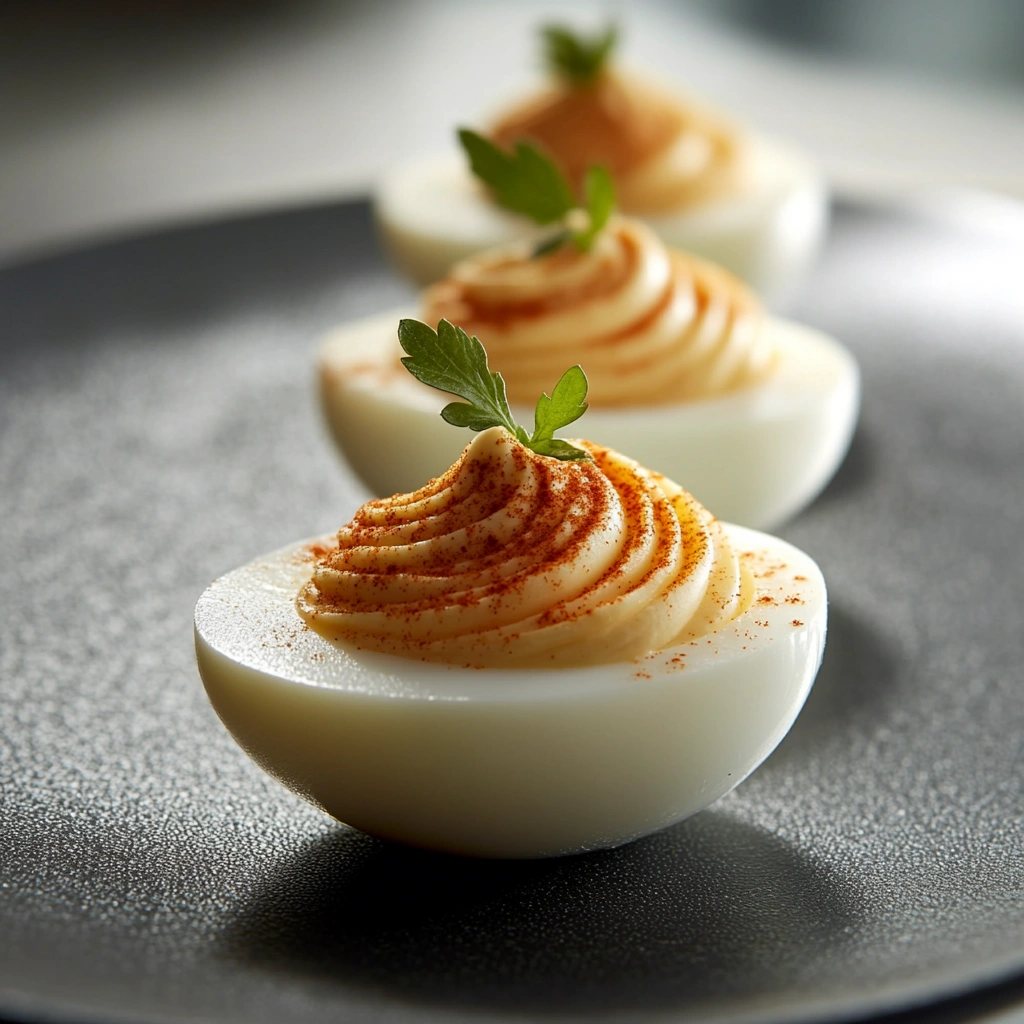
Classic Deviled Eggs
These classic deviled eggs are a timeless appetizer, perfect for parties, holidays, or any casual gathering. Made with creamy mayonnaise, tangy mustard, and a dash of paprika, this easy recipe delivers rich flavor and smooth texture in every bite. Whether you're hosting a dinner or bringing a dish to a potluck, these deviled eggs are always a hit. They’re quick to prepare, endlessly customizable, and can be made ahead of time for stress-free entertaining.
Ingredients
- 10–12 hard-boiled eggs
- 1/4 cup + 2 tablespoons mayonnaise
- 1/4 – 1/2 teaspoon kosher salt
- pinch of ground black pepper
- 1/2 teaspoon dijon mustard
- 1 teaspoon yellow mustard
- 3–4 teaspoons pickle juice (I recommend bread + butter pickle juice)
- 1/2 teaspoon white vinegar
- toppings: paprika, dill leaves or chives
Instructions
- Peel your hard boiled eggs and cut in half, lengthwise.
- Use a small spoon to pop out the yolks and place in a medium mixing bowl along with the mayo, 1/4 teaspoon salt, pepper, dijon mustard, yellow mustard and white vinegar. Stir to combine (if you are finding the mixture isn’t getting smooth feel free to use a hand mixer if you want).
- Everyone has different taste preferences so after you mix, give the mixture a taste and add any additional kosher salt (I added another 1/4 teaspoon), mayo or pickle juice, as desired.
- Spoon the mixture into the halved hard-boiled eggs.
- Garnish with dill leave or chives and sprinkle with paprika.
- Serve and enjoy!