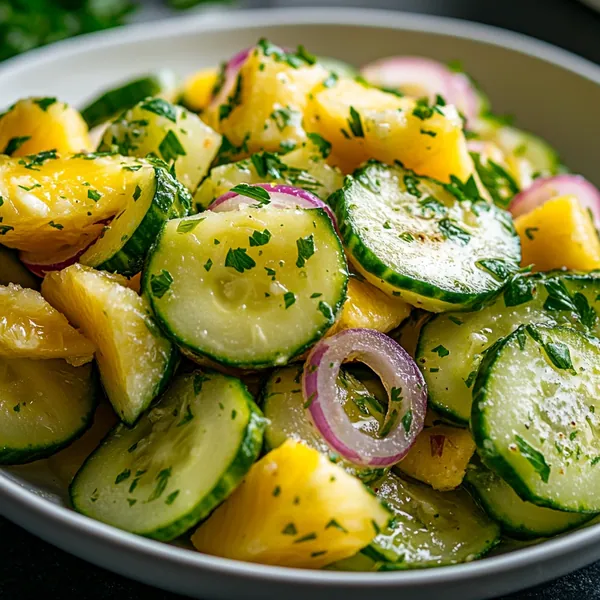
Cucumber Sweet Pepper Salad is a vibrant, refreshing dish that brings together the crisp coolness of cucumber with the bright, crunchy sweetness of bell peppers. Perfect for warm-weather meals, this salad showcases a medley of green, red, yellow, and orange hues that instantly enliven any table. Its simplicity makes it a go-to side for backyard barbecues, picnics, or as a light lunch paired with crusty bread or grilled protein. Beyond aesthetics, the salad’s clean flavors blend effortlessly with a variety of dressings—ranging from a classic vinaigrette to an Asian-inspired sesame dressing—offering versatility to suit different palates and dietary needs.
Unlike heavier potato or pasta salads, this cucumber–pepper combination stays crisp, even when dressed in advance, so long as you follow a few simple steps to prevent sogginess. With minimal chopping and a straightforward assembly, it’s an ideal recipe for cooks of all skill levels. In the sections that follow, you’ll discover the nutritional advantages of its core ingredients, creative twists on the base recipe, and detailed guidance on choosing substitutes and add-ins to make this salad uniquely yours. By the end, you’ll be equipped to craft a 200-word salad narrative that’s as informative as it is appetizing.
Health Benefits of Key Ingredients
Nutritional Profile of Cucumbers
Cucumbers are composed of roughly 95 percent water, making them an excellent hydrating food that contributes to daily fluid intake. They supply small but meaningful amounts of vitamin K, which supports bone health and normal blood clotting, as well as vitamin C, an antioxidant that aids immune function and skin health. Cucumbers also contain potassium and magnesium, minerals that help regulate blood pressure. Their low calorie and carbohydrate count make them suitable for weight-management and blood-sugar-controlled diets. The skin and seeds harbor flavonoids and lignans—plant compounds linked to reduced inflammation and a lower risk of chronic disease.
Nutritional Profile of Sweet Peppers
Sweet bell peppers are nutritional powerhouses, especially the red and yellow varieties, which boast higher concentrations of vitamins A and C than many fruits. One cup of red bell pepper delivers more than 150 percent of the daily value for vitamin C, which bolsters antioxidant defenses and collagen production. Vitamin A—mainly in the form of beta-carotene—supports eye health and immune resilience. Bell peppers are also a source of dietary fiber, aiding digestion and satiety, as well as B-complex vitamins (including folate) that play roles in energy metabolism. Their diverse array of phytonutrients, such as quercetin and luteolin, contributes anti-inflammatory and potential anti-cancer benefits.
Variations and Flavor Profiles
Mediterranean Twist
Transform the salad into a Mediterranean-style side by drizzling extra-virgin olive oil and freshly squeezed lemon juice over the vegetables. Stir in finely chopped oregano or a pinch of crushed dried herbs, and crumble in feta cheese for saltiness and creaminess. A scattering of kalamata olives or capers elevates the umami notes. Optionally, add thinly sliced red onion or shallots for sharpness, and finish with a handful of chopped fresh parsley or mint for bright herbal lift. This version pairs beautifully with grilled lamb, chicken souvlaki, or as part of a mezze spread.
Asian-Inspired Version
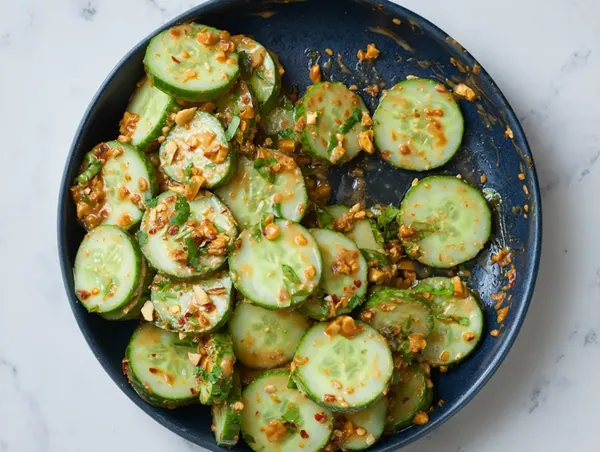
For an Asian-flavored salad, whisk together rice vinegar, toasted sesame oil, a splash of soy sauce or tamari, and a little honey or brown sugar to balance the acidity. Add grated ginger and a small minced chili or chili flakes for warmth. Once the dressing is poured, toss in chopped cilantro or Thai basil for a fragrant element. Sprinkle with toasted sesame seeds or crushed peanuts for crunch. This rendition complements dishes like teriyaki chicken, steamed dumplings, or simple bowls of jasmine rice and steamed greens.
Essential Ingredients & Substitutions
Vegetables & Mix-Ins
-
Cucumbers: English or Persian cucumbers have thin skins and small seeds, making them ideal for quick prep. Standard slicing cucumbers work too—just peel and deseed if the skin is waxed or the seeds are large.
-
Sweet Peppers: Use a mix of red, yellow, and orange bell peppers for color contrast and varied sweetness. Green peppers are slightly more bitter but still a valid choice.
-
Optional Veggies: Cherry or grape tomatoes add juiciness and color; thinly sliced radishes bring peppery bite; matchstick carrots contribute extra crunch and a pop of orange.
Dressings & Oils
-
Classic Vinaigrette: Combine 3 parts oil (olive, avocado, or grapeseed) with 1 part acid (lemon juice, red wine vinegar, or white balsamic). Season with salt, pepper, and a touch of Dijon mustard to emulsify.
-
Creamy Yogurt-Based Dressing: Stir plain Greek yogurt with lemon juice, garlic powder, and chopped fresh herbs for a tangy coating. Thin with a splash of water or milk to reach desired consistency.
-
Substitutions: Swap olive oil for nut oils (walnut or almond) to introduce new flavor notes. Replace lemon juice or vinegar with citrus varieties (lime, orange) or flavored vinegars (apple cider, champagne) to suit specific palates.
Herbs, Spices & Add-Ins
-
Herbs: Fresh basil, mint, dill, or cilantro each lend distinctive profiles—basil for sweet-pepper synergy, mint for cooling contrast, dill for classic cucumber pairing, cilantro for Latin or Asian variants.
-
Spices: A pinch of sumac or za’atar nods to Middle Eastern cuisine; smoked paprika deepens flavor in Mediterranean versions; Chinese five-spice powder can accentuate an Asian dressing.
-
Add-Ins: Toasted pine nuts, slivered almonds, or sunflower seeds introduce nuttiness and texture. Crumbled goat cheese or shaved Parmesan adds creaminess and umami. Finish with thinly sliced scallions or minced garlic for an extra aromatic punch.
Step-by-Step Preparation Guide
-
Gather and Wash Produce
Rinse cucumbers and bell peppers under cool running water. Pat dry with a clean kitchen towel or paper towels to remove surface moisture, which helps the dressing adhere and prevents dilution. Inspect for any blemishes or soft spots and trim as needed. -
Prep the Cucumbers
-
Peeling (optional): If using English or Persian cucumbers with thin skins, leave the peel on for color and fiber. For standard slicing cucumbers with thicker or waxed skins, peel in alternating strips to preserve visual interest.
-
Deseeding (optional): Halve each cucumber lengthwise and use a small spoon to scrape out the watery seeds if you prefer a firmer texture.
-
Slicing: Cut each half into ¼-inch half-moons or slices. Uniform thickness ensures even mouthfeel and presentation. Transfer to a colander, sprinkle lightly with salt, toss, and let sit for 10–15 minutes to draw out excess water. Rinse briefly to remove excess salt and pat dry.
-
-
Prep the Bell Peppers
-
Core and Deseed: Slice around the stem, remove the cap, and pull out the white pith and seeds.
-
Cutting Styles: For classic crunch, slice into ¼-inch strips. For bite-sized pieces, dice into ½-inch cubes. Mix colors—red, yellow, orange—for visual appeal. Place in a large mixing bowl.
-
-
Make the Dressing
-
Classic Vinaigrette: In a small bowl or jar, combine 3 tablespoons extra-virgin olive oil, 1 tablespoon lemon juice or vinegar of choice, ½ teaspoon Dijon mustard, and a pinch of sea salt and black pepper. Whisk vigorously or shake in a sealed jar until emulsified and slightly thickened.
-
Alternative Dressings: For a creamy yogurt version, mix 3 tablespoons plain Greek yogurt with 1 tablespoon lemon juice, ½ teaspoon garlic powder, and enough water to reach a pourable consistency. Adjust seasoning to taste.
-
-
Assemble and Marinate
-
Combine: Pour the dressing over the prepared cucumbers and peppers in the mixing bowl.
-
Toss Gently: Use salad tongs or two large spoons to coat every piece, lifting and turning rather than stirring aggressively to avoid crushing.
-
Rest: Cover and refrigerate for at least 15–20 minutes to allow flavors to meld. For deeper infusion, marinate up to 1 hour, stirring once halfway through.
-
-
Final Toss and Serve
Just before plating, give the salad one last gentle toss. Taste and adjust seasoning—add a pinch more salt, a squeeze of lemon, or a drizzle of oil if needed. Transfer to a serving bowl and garnish as desired.
Serving Suggestions & Pairings
-
Protein Complements:
-
Grilled Chicken or Turkey: The salad’s acidity and crunch cut through richer poultry flavors—serve alongside lemon-herb chicken breasts or spatchcocked turkey.
-
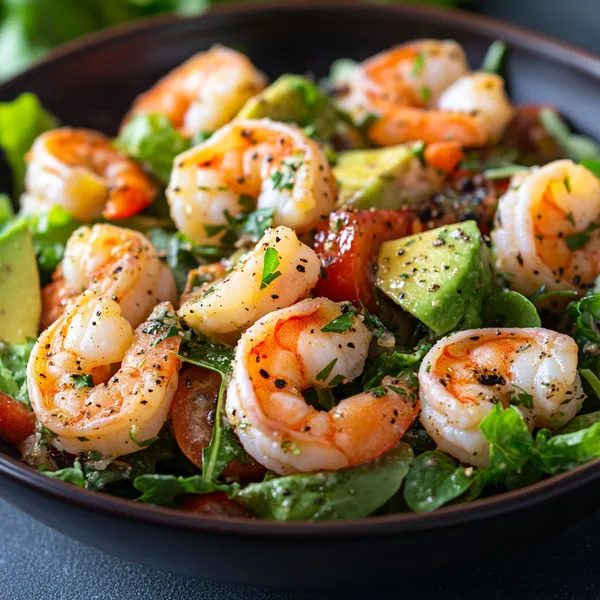
Seafood Options: Pan-seared salmon, grilled shrimp skewers, or poached white fish work well; the vibrancy of the vegetables highlights delicate seafood.
-
Plant-Based Proteins: Marinated tofu cubes, chickpea falafel, or grilled halloumi add substance while keeping the meal light.
-
-
Starch and Grain Pairings:
-
Quinoa or Farro Salad: Plate the cucumber–pepper mix atop a bed of cooked whole grains for a hearty grain bowl.
-
Crusty Bread or Pita: Offer slices of baguette, ciabatta, or warmed pita for scooping. A garlic-butter spread on the side elevates simplicity.
-
Roasted Potatoes or Sweet Potatoes: The contrast of warm, soft tubers with cool, crisp salad provides a pleasing textural interplay.
-
-
Complementary Side Dishes:
-
Dips and Spreads: Hummus, tzatziki, or muhammara make excellent partners for dipping both vegetables and bread.
-
Olive and Cheese Boards: A small platter of assorted olives, marinated artichokes, and cheese wedges (feta, goat, manchego) builds a Mediterranean–style spread.
-
-
Beverage Pairings:
-
White Wines: Sauvignon Blanc or a dry Riesling echo the salad’s bright acidity.
-
Non-Alcoholic: Sparkling water with lime, iced green tea, or a cucumber-mint cooler amplify hydration and freshness.
-
-
Presentation Tips:
-
Layering: Serve in a wide, shallow bowl so colors are prominent.
-
Garnishes: Sprinkle fresh herbs (basil, mint, dill) or toasted nuts/seeds just before serving to maintain their aroma and crunch.
-
Storing, Meal-Prep & Make-Ahead Tips
-
Storage: Transfer salad to an airtight container and refrigerate. Consume within 2–3 days for optimal texture.
-
Preventing Sogginess: Store dressing separately and toss just before serving. If pre-dressed, line the bottom of the container with paper towels to absorb excess moisture.
-
Make-Ahead: Prep vegetables up to 24 hours in advance—store cucumbers and peppers in separate, sealed bags. Whisk dressing and refrigerate. Assemble no more than one hour before serving for best freshness.
-
Batch Meal Prep: Portion into individual containers for grab-and-go lunches. Include a small dressing cup to keep components crisp until mealtime.

Troubleshooting Common Issues
-
Watery Salad:
-
Cause: Cucumbers release water after dressing.
-
Solution: Salt and drain cucumbers before assembly; pat thoroughly dry. Store dressed salad on a paper-towel–lined tray or container.
-
-
Bland Flavor:
-
Cause: Insufficient acid or seasoning.
-
Solution: Taste and adjust—add a squeeze of lemon or splash of vinegar, more salt, or a pinch of sugar to balance.
-
-
Overly Oily Dressing:
-
Cause: Too much oil in proportion to acid.
-
Solution: Whisk in additional acid (vinegar or citrus) or dilute with a tablespoon of water.
-
-
Vegetables Sticking Together:
-
Cause: Dressing glaze drying on surface.
-
Solution: Use a splash of water to loosen, then gently re-toss just before serving.
-
FAQs
-
Can I use pickled cucumbers instead of fresh?
Pickled cucumbers are much saltier and softer, which alters texture and flavor balance. If you opt for pickles, rinse and pat dry thoroughly, then reduce added salt and acid in the dressing. -
What’s the best way to seed sweet peppers?
Slice off the stem end, then cut around the core without detaching the flesh. Pull out the core and seeds in one piece, then trim any stubborn pith with a small knife. -
How do I keep the salad crisp overnight?
Store vegetables and dressing separately. If already combined, line the storage container with absorbent paper towels and change them if they become too damp. -
Can I add protein directly into the salad?
Yes—toss in cooked beans (chickpeas, white beans), shredded chicken, or cubed feta for a complete meal. Keep in mind that proteins may release moisture, so adjust storage time accordingly. -
Is this salad keto- or vegan-friendly?
The basic cucumber–pepper salad is both vegan and low in carbohydrates, making it suitable for vegan and keto diets. Choose dressings without added sugars or dairy for strict keto compliance. -
Can I substitute other vegetables?
Absolutely—zucchini ribbons, shaved fennel, or thinly sliced radishes integrate well. Adjust prep methods (e.g., blanching zucchini) to maintain crispness.
Conclusion & Call to Action
Cucumber Sweet Pepper Salad is a celebration of color, crunch, and clean flavors—an effortless way to elevate any meal or enjoy a light, healthful lunch. With its modular nature, you can adapt the core recipe to your pantry staples, dietary preferences, and regional tastes, whether leaning Mediterranean, Asian, or somewhere in between. The step-by-step guide ensures even novice cooks can achieve precise cuts, balanced dressings, and optimal texture.
Now it’s your turn: experiment with different herbs, oils, and mix-ins, share your favorite twists in the comments, and don’t forget to snap a photo of your vibrant creation. If you loved this guide, subscribe for more seasonal salad recipes and kitchen tips—your next culinary inspiration awaits!

Cucumber Sweet Pepper Salad
This Cucumber Sweet Pepper Salad is a bright, crisp accompaniment that brings together the cooling crunch of cucumbers with the vibrant sweetness of bell peppers. Dressed in a simple vinaigrette—or, if you prefer, a creamy yogurt-based dressing—its clean flavors marry beautifully with an array of cuisines, from Mediterranean mezze to Asian-inspired bowls. Quick to assemble with minimal prep, it works equally well as a light lunch, a colorful side for grilled meats and seafood, or a make-ahead option for potlucks and weeknight meal prep. Alongside its refreshing taste, the salad delivers a hydrating boost and a generous dose of vitamins A, C, and K, making it both delicious and nourishing.
Ingredients
- 2 large cucumbers, thinly sliced
- 1 red bell pepper, thinly sliced
- 1 yellow bell pepper, thinly sliced
- 1 orange bell pepper, thinly sliced
- ¼ cup red onion, thinly sliced
- ¼ cup fresh dill, chopped
- 3 tablespoons olive oil
- 2 tablespoons apple cider vinegar
- 1 tablespoon lemon juice
- 1 teaspoon honey
- Salt and pepper to taste
Instructions
- In a large bowl, combine the sliced cucumbers, red, yellow, and orange bell peppers, and red onion.
- In a small bowl, whisk together olive oil, apple cider vinegar, lemon juice, and honey until well combined.
- Pour the dressing over the cucumber and pepper mixture.
- Add the chopped fresh dill and toss everything together until the vegetables are well coated with the dressing.
- Season with salt and pepper to taste.
- Refrigerate the salad for at least 15 minutes before serving to allow the flavors to meld together.
- Serve chilled as a refreshing side dish or a light main course.