Refrigerator pickles are a simple and satisfying way to preserve fresh cucumbers without the need for traditional canning methods. Unlike shelf-stable pickles that require heat processing, refrigerator pickles are made with a cold brine and stored in the fridge. This method keeps the cucumbers especially crisp, resulting in a crunchy, refreshing snack or sandwich topping.
The growing popularity of refrigerator pickles stems from their ease of preparation and customization. You don’t need any special equipment or canning skills—just a few basic ingredients, a clean jar, and a refrigerator. In as little as 24 to 48 hours, you’ll have flavorful, crunchy pickles that rival any store-bought version.
This guide walks you through everything you need to know to make your own batch at home. From choosing the right cucumbers to understanding what makes pickles stay crisp, you’ll learn the step-by-step process, key ingredients, and ways to enhance your pickles with various flavors. Whether you’re looking for a healthy snack or a tangy addition to your meals, refrigerator pickles are a fun, fast, and foolproof solution for beginners and seasoned home cooks alike.
Benefits of Refrigerator Pickles
Refrigerator pickles offer several unique benefits that make them a top choice for home cooks. One of the biggest advantages is their simplicity. Since there’s no need for canning or heat processing, you can prepare a batch in under 30 minutes using ingredients you likely already have in your kitchen.
Another major benefit is the crunch. Because the cucumbers aren’t cooked, they retain their firm texture, resulting in pickles that are snappy and refreshing. This contrasts with canned pickles, which can sometimes become soft or mushy due to the heat involved in processing.
Refrigerator pickles are also highly customizable. You can adjust the salt, sugar, vinegar, and spice levels to suit your taste. Want spicy garlic pickles or a sweeter bread-and-butter style? It’s all possible with a few tweaks.
From a health perspective, making your own pickles means you can avoid preservatives, reduce sodium, and skip added sugars found in many commercial brands. They’re also a great way to reduce food waste by preserving cucumbers before they spoil.
Whether you’re new to pickling or simply looking for a quick homemade alternative, refrigerator pickles deliver convenience, flavor, and a crisp bite that keeps you coming back for more.
What Makes Pickles Crunchy?
One of the key reasons people turn to refrigerator pickles is the irresistible crunch. But what actually makes pickles stay crisp? It comes down to a few scientific and practical factors, including cucumber type, temperature, and brine composition.
First, the variety of cucumber matters. Pickling cucumbers like Kirby or Persian varieties are smaller, have thicker skins, and fewer seeds compared to slicing cucumbers. These traits help them stay firm even after brining.
Second, cold preservation is critical. Traditional canning involves boiling, which softens the cucumbers. Refrigerator pickles, by contrast, are stored in a cold environment, which helps preserve the cucumbers’ natural texture. Using cold water to make your brine can also help reduce the risk of sogginess.
Third, salt and acidity help maintain crunch. The salt in the brine draws out moisture from the cucumbers, firming them up. Vinegar not only adds flavor but also acts as a natural preservative that supports texture retention.
Some pickle recipes include tannin-rich ingredients like grape leaves, horseradish leaves, or green tea. These contain compounds that help prevent softening. Although not required, they can offer an extra layer of crispness.
Lastly, always use the freshest cucumbers possible. Even a day or two of refrigeration before pickling can cause a noticeable loss of crunch. For best results, pickle your cucumbers within a day of harvesting or buying them.
Core Ingredients You Need
Making refrigerator pickles requires just a few essential ingredients, most of which are pantry staples. Understanding each component helps ensure your pickles are flavorful, crunchy, and safe to eat.
Cucumbers are the star of the show. Use small pickling varieties like Kirby or Persian cucumbers. They’re firmer and less watery than slicing cucumbers, which helps preserve their crunch during brining.
Vinegar provides the necessary acidity to preserve the pickles and give them their signature tang. White distilled vinegar is the most common choice due to its neutral flavor, but apple cider vinegar and rice vinegar are popular alternatives that add a mild sweetness or unique depth.
Water is usually mixed with vinegar to dilute the acidity to a safe and palatable level. Always use filtered or distilled water to avoid chlorine and other chemicals that could affect the pickling process.
Salt is crucial not just for taste but for drawing moisture out of the cucumbers and supporting preservation. Use pickling salt or kosher salt; avoid table salt as it often contains additives that can cloud the brine.
Garlic, dill, and spices such as mustard seeds, black peppercorns, and red chili flakes add flavor. Fresh dill gives the pickles a classic taste, while garlic provides a pungent kick.
Optional ingredients include sugar for sweeter pickles, bay leaves, or even jalapeño slices for heat. The ingredients you choose will shape the final flavor and texture of your refrigerator pickles.

Step-by-Step Recipe for Crunchy Refrigerator Pickles
This step-by-step guide shows how to make a basic batch of crunchy refrigerator pickles. The recipe is flexible, allowing you to adjust spices and flavors to your taste.
Ingredients:
-
1½ pounds of pickling cucumbers (Kirby or Persian)
-
1½ cups white vinegar
-
1½ cups filtered water
-
2 tablespoons kosher or pickling salt
-
1 tablespoon sugar (optional)
-
4 cloves garlic, peeled
-
4 sprigs fresh dill
-
1 teaspoon mustard seeds
-
1 teaspoon black peppercorns
-
½ teaspoon red pepper flakes (optional)
Equipment:
-
2 quart-sized mason jars with lids
-
Saucepan
-
Knife and cutting board
Step 1: Prepare the cucumbers
Wash the cucumbers thoroughly. Slice them into spears or rounds, depending on your preference. Removing both ends can help preserve crunchiness.
Step 2: Make the brine
In a saucepan, combine vinegar, water, salt, and sugar. Bring the mixture to a gentle simmer just until the salt and sugar dissolve. Remove from heat and let it cool slightly.
Step 3: Pack the jars
Divide the cucumbers between the jars. Add 2 garlic cloves, 2 dill sprigs, and half the spices to each jar. Don’t overpack; allow space for the brine to fully cover the cucumbers.
Step 4: Pour the brine
Pour the warm (not hot) brine into each jar, making sure cucumbers are fully submerged. Tap the jars gently to release any trapped air bubbles.
Step 5: Seal and refrigerate
Screw on the lids and let the jars cool to room temperature. Once cool, place them in the refrigerator.
Step 6: Wait and enjoy
Let the pickles sit in the fridge for at least 24 hours before tasting. For best flavor and crunch, wait 48 to 72 hours. Pickles will keep in the refrigerator for up to 4 weeks.
Flavor Variations and Add-ins
One of the biggest advantages of refrigerator pickles is how easy it is to experiment with different flavors. Once you’ve mastered the basic recipe, you can customize each batch to suit your personal taste or complement specific dishes.
Spicy Pickles: Add red pepper flakes, jalapeño slices, or whole dried chilies to give your pickles a kick. For a bolder heat, try including a small amount of habanero or serrano pepper.
Sweet Pickles: Add more sugar—typically 2 to 4 tablespoons per jar—to create a sweeter flavor profile. You can also include thin slices of sweet onion and mustard seed for a bread-and-butter pickle variation.
Garlic-Dill Pickles: Increase the garlic and dill quantities for a more intense, savory taste. Adding a pinch of celery seed or coriander can enhance the complexity.
Asian-Inspired Pickles: Use rice vinegar and add ingredients like fresh ginger slices, sesame seeds, or a splash of soy sauce. These work especially well with sliced cucumbers and make great toppings for rice bowls or salads.
Herbal Infusions: Fresh herbs such as thyme, rosemary, or tarragon can offer unique flavors. Use sparingly to avoid overpowering the cucumber.
Feel free to mix and match these add-ins to create your signature pickle recipe. Just remember that stronger ingredients like garlic and chili will intensify over time, so taste your pickles after a couple of days and adjust future batches accordingly.
Common Mistakes and How to Avoid Them
Even though refrigerator pickles are relatively foolproof, a few common mistakes can compromise texture and flavor. Here’s what to watch out for:
1. Using the wrong cucumbers: Regular slicing cucumbers are often too watery and have thin skins, which can lead to soggy pickles. Always choose firm pickling cucumbers like Kirby or Persian varieties.
2. Boiling the brine too long or pouring it too hot: Excessive heat can partially cook the cucumbers, softening them. Heat the brine just enough to dissolve the salt and sugar, then let it cool slightly before pouring it over the cucumbers.
3. Not using enough salt or vinegar: Skimping on these key ingredients affects both flavor and food safety. Stick to tested ratios to ensure proper preservation.
4. Overpacking jars: Crowding the cucumbers can lead to uneven brining and soft spots. Leave enough space for the brine to fully surround each piece.
5. Storing at room temperature: Refrigerator pickles must be kept cold at all times. Leaving them out can lead to spoilage and loss of crunch.
Avoiding these mistakes ensures your pickles turn out crisp, flavorful, and safe to eat every time.

Storage, Shelf Life, and Food Safety Tips
Proper storage is essential to keeping refrigerator pickles safe, flavorful, and crisp. Since these pickles are not processed using heat or sealed for shelf stability, they must be refrigerated at all times.
Shelf Life: Refrigerator pickles typically last for up to 4 weeks, sometimes longer if stored correctly. The flavor continues to develop over time, and the cucumbers will soften slightly the longer they sit.
Storage Containers: Use glass jars with tight-fitting lids. Mason jars are ideal because they are non-reactive and seal well. Avoid plastic containers, especially if they are not food-safe or airtight.
Keep Pickles Submerged: To prevent mold or spoilage, always ensure the cucumbers are completely submerged in the brine. If needed, use a small weight or add extra brine to keep everything covered.
Check for Signs of Spoilage: Cloudy brine is normal, especially if spices or garlic are used. However, if you see mold, smell an off odor, or notice a slimy texture, discard the batch immediately.
Always use clean utensils when removing pickles from the jar to avoid introducing bacteria. Following these simple safety tips ensures your pickles stay fresh and safe to enjoy throughout their storage life.
Refrigerator Pickles vs. Canned Pickles
While both refrigerator and canned pickles are delicious ways to preserve cucumbers, they differ significantly in preparation, texture, and shelf life.
Refrigerator Pickles are quick-pickled in a vinegar-based brine and stored in the fridge. This method requires no boiling water bath or special canning equipment, making it ideal for beginners or small batches. The cucumbers stay raw, retaining a crisp texture and fresh flavor. However, refrigerator pickles must be kept cold and consumed within a month.
Canned Pickles, on the other hand, involve sterilizing jars and processing them in a boiling water bath to create a vacuum seal. This makes the pickles shelf-stable for up to a year or more. The downside is that the cucumbers are exposed to high heat, which can result in a softer texture.
The choice between the two methods often comes down to how long you want the pickles to last and how much effort you’re willing to put into the process. If you want fast, crunchy pickles with minimal equipment, refrigerator pickles are the way to go. If you’re looking to preserve large quantities for long-term storage, canning may be worth the extra time and effort.
FAQs Based on “People Also Ask”
Q1. How do you keep refrigerator pickles crisp?
The key to crunchy pickles lies in using fresh, firm cucumbers (like Kirby or Persian), avoiding high heat, and maintaining proper salt and vinegar ratios. Keeping the cucumbers fully submerged in brine and using ingredients like grape leaves or green tea for natural tannins can help preserve crispness.
Q2. Can you reuse pickle brine?
While it might be tempting to reuse leftover brine, it’s not recommended for making new batches of pickles. The brine loses its acidity and salt concentration after use, which could lead to improper preservation. You can, however, use old brine for flavoring dishes, salad dressings, or marinades.
Q3. Do refrigerator pickles taste like store-bought pickles?
Yes and no. They often taste fresher and crisper than store-bought versions, especially since they aren’t heat-processed. You can replicate or even improve upon commercial flavors by adjusting ingredients like garlic, dill, sugar, and spices.
Q4. How long before you can eat refrigerator pickles?
While you can technically eat them after 24 hours, most refrigerator pickles develop better flavor and texture after 48 to 72 hours. The longer they sit (within reason), the more intense the flavor becomes.
Q5. Can you pickle other vegetables the same way?
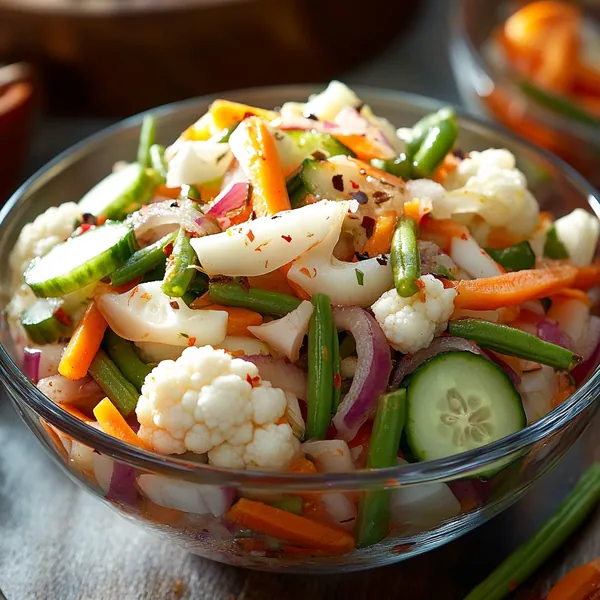
Absolutely. Many vegetables like carrots, onions, radishes, green beans, and even cauliflower can be pickled using the same brine technique. Just make sure they’re sliced appropriately and submerged completely in the brine.

Crunchy Refrigerator Pickles
These homemade crunchy refrigerator pickles are quick, easy, and full of fresh flavor. No canning required—just slice, brine, and chill. With a simple vinegar-based brine and customizable spices, these pickles stay crisp for weeks in the fridge. Ideal for topping burgers, snacking straight from the jar, or gifting to friends. Ready to enjoy in just 24 to 48 hours.
Ingredients
- 2-6 Fresh cucumbers (depending on type and size)
- 3/4 cup Water
- 3/4 cup Distilled white vinegar
- 1/2 cup Apple cider vinegar
- 2 tsp Sea salt, kosher or pickling salt
- 1 Tbsp Sugar
- 6 sprigs Fresh dill (a small handful), 2-3 dill flower heads, or 1 Tbsp dry dill
- 3 cloves Fresh garlic cloves, peeled
- 1 tsp Peppercorns, to taste (about a dozen per jar)
- 1 tsp Mustard seed
- 1 pinch Red chili flakes (scant 1/2 tsp), or 1 fresh hot chili pepper (optional)
- 2 whole Grape leaves – substitute with horseradish, oak, or black tea leaves (optional, for maximum crispness)
- Optional: onion slices
Instructions
- Wash the fresh dill and cucumbers (avoid using bruised or damaged ones).
- Trim off the ends of the cucumbers, and then cut them into your desired shape and size (slices, spears, halves, etc).
- Prepare the pickling brine by combining the water, vinegars, sugar, and salt in a saucepan on the stove. Heat lightly until the sugar and salt dissolve, but then allow the brine to cool to lukewarm/room temperature before adding to the jar.
- Add the fresh dill, garlic cloves, and remaining called-for spices to the bottom of a clean quart jar.
- Add recommended grape leaves (or oak, horseradish or black tea leaves) to the bottom of the jar now, or on top of the cucumbers.
- Add the cucumbers into the jar until full, carefully packing to reduce wasted space.
- Pour the brine over the top of the cucumbers until they are completely submerged. If you happen to run out, top off with plain white vinegar if needed.
- Place an air-tight lid on the jar, and then move to the refrigerator.
- For optimum flavor, allow the pickles to marinate in the refrigerator for at least 5 days before consuming.
- Enjoy your homemade pickles within 2 to 3 months for best quality and flavor. Maintain refrigerated at all times.