In this article
- What Defines the Perfect Crispy Bite?
- The Science Behind “Golden Brown” Perfection
- Popular Sweet Crispy Treats Around the World
- Popular Savory Crispy Delights Across Cultures
- How to Create Crispy Sweet and Savory Treats at Home
- Best Sweet and Savory Combinations to Try
- Healthier Options: Achieving Crispiness Without Deep-Frying
- How to Keep Crispy Foods Fresh and Crunchy
- Conclusion: The Joy of Every Bite
- FAQs Section
There’s something almost magical about the first bite of a perfectly crispy, golden treat. Whether it’s a flaky croissant, a sizzling piece of fried chicken, or a sugar-dusted churro, that unmistakable crunch awakens our senses in ways few other textures can. But what exactly makes crispy, golden bites so irresistible?
It all comes down to a powerful mix of science, psychology, and pure pleasure. From a scientific standpoint, the golden-brown color signals the Maillard reaction at work—a chemical transformation that occurs when heat meets amino acids and sugars. This process doesn’t just change the color; it intensifies aroma, deepens flavor, and creates complex, mouthwatering notes that our brains immediately recognize as delicious.
Texture plays an equally important role. Crispiness delivers an audible crunch, providing sensory feedback that enhances our eating experience. Studies have shown that foods making a satisfying crunch sound are perceived as fresher, tastier, and even more filling. It’s not just about flavor—it’s the full sensory package that makes crispy foods feel indulgent and rewarding.
Finally, there’s a timeless allure to the balance of sweet and savory. A golden piece of buttermilk fried chicken drizzled with honey, or a warm churro dipped in bittersweet chocolate—these combinations create a delightful push-and-pull between salty, sweet, crunchy, and tender. Each bite becomes a complex experience, tapping into our primal cravings for variety, richness, and contrast.
In this article, we’ll dive into the world of crispy, golden bites—from the science behind their perfect texture to beloved dishes across cultures, and even tips on how to master these delights at home. Get ready to explore why these little golden treasures have captured our hearts—and our taste buds—around the globe.
What Defines the Perfect Crispy Bite?
A perfect crispy bite engages more than just taste—it’s a full sensory experience that blends texture, sound, aroma, and appearance. True crispiness should offer an immediate, delicate crunch that gives way to tenderness inside, creating a satisfying contrast that keeps us coming back for more.
Texture is the primary factor. A crispy exterior should be light and shatter easily under gentle pressure, rather than feeling tough or chewy. This lightness is achieved through careful control of moisture content; the less water remaining in the surface of the food, the crispier it becomes.
Aroma is equally important. As food crisps up, it releases enticing smells that signal caramelization and roasting, both of which are associated with richness and indulgence. These aromas activate our hunger response even before the first bite.
Color plays a psychological role, too. A deep golden hue suggests that the food has reached peak flavor through the Maillard reaction, an essential chemical process that occurs when proteins and sugars interact under heat. Visually, the golden brown signals that a food item is both flavorful and properly cooked.
In essence, a perfect crispy bite is not accidental—it’s a deliberate harmony of texture, flavor, and visual appeal, carefully orchestrated to deliver maximum sensory satisfaction.

The Science Behind “Golden Brown” Perfection
Achieving the coveted golden-brown color in food is a precise blend of science and technique. The Maillard reaction, named after French chemist Louis-Camille Maillard, is primarily responsible for this transformation. When proteins and sugars in food are exposed to high heat, they undergo a series of complex chemical reactions, creating new flavor compounds and the distinctive browned exterior that signals deliciousness.
Temperature is critical. The Maillard reaction typically occurs between 280°F and 330°F (140°C and 165°C). Too low, and food remains pale and flavorless; too high, and it risks burning before developing complex flavors. This is why precise control over frying oil temperature, oven heat, or stovetop settings is crucial.
Moisture management is another key. High surface moisture can steam food instead of allowing it to brown, which is why items like potatoes or chicken are often patted dry before cooking. A dry surface promotes better caramelization and crispier textures.
Fat also plays an important role. It facilitates even heat distribution, accelerates the Maillard reaction, and imparts richness. Whether baking, frying, or roasting, the presence of the right amount and type of fat can make the difference between soggy and spectacular.
Understanding these principles ensures consistent, golden-brown perfection, making every crispy bite a rewarding experience.
Popular Sweet Crispy Treats Around the World
Crispy sweet treats are celebrated across the globe, each culture offering its own delightful twist on the combination of crunch and sugar.
In Spain, churros are a beloved classic. These ridged, golden pastries are fried until perfectly crisp, then dusted with cinnamon sugar and often served with a thick, rich chocolate dipping sauce. The contrast between the crunchy exterior and tender interior makes churros an irresistible street food favorite.
India’s jalebi offers a vibrant take on crispy sweets. Made by deep-frying spirals of fermented batter and soaking them in saffron-scented sugar syrup, jalebis are both sticky and shatteringly crisp. Their bright orange color and syrupy sweetness make them a staple during festivals and celebrations.
Italy’s cannoli deliver a crisp pastry shell filled with creamy, lightly sweetened ricotta cheese. The shell’s signature crunch, achieved through careful frying and the inclusion of wine or vinegar in the dough, provides the perfect contrast to the luscious filling inside.
In Mexico and parts of Asia, fried ice cream captivates diners with its playful texture. A scoop of ice cream is coated in a crunchy shell—often made of crushed cookies or tempura batter—then briefly fried to create a crispy exterior while keeping the inside cold and creamy.
Each of these global treats demonstrates the universal love for the magical combination of crispy texture and sweet indulgence, proving that no matter where you are, the appeal of a golden, sugary crunch transcends borders.
Popular Savory Crispy Delights Across Cultures
Savory crispy dishes are a cornerstone of comfort food traditions around the world, offering satisfying textures and bold flavors that are hard to resist.
In Japan, tempura showcases the beauty of light, airy crispness. Vegetables and seafood are dipped into a cold, delicate batter and fried quickly at high temperatures, creating an ethereal, non-greasy coating that highlights the freshness of the ingredients rather than overwhelming them.
The Middle East brings us falafel, a crispy favorite made from ground chickpeas or fava beans seasoned with herbs and spices. Shaped into balls or patties and deep-fried to a deep golden brown, falafel offers a crunchy shell that yields to a moist, flavorful interior. It is often served in pita bread with tahini sauce, pickles, and fresh vegetables.
South Asia’s samosas are another iconic crispy snack. Triangular pastries filled with spiced potatoes, peas, or meat are deep-fried until their thin dough wrappers turn golden and flaky. Samosas deliver a rich combination of spicy, savory filling encased in a satisfyingly crisp exterior.
In the American South, fried chicken reigns supreme. Marinated, dredged in seasoned flour, and fried to perfection, the best fried chicken features a crackling crust and juicy interior. Often paired with sweet sides like waffles or honey, it epitomizes the addictive nature of sweet and savory contrasts.
Across continents and cuisines, these crispy savory dishes demonstrate how different cultures perfect the balance between hearty flavors and craveable textures, making them beloved staples in every corner of the world.
How to Create Crispy Sweet and Savory Treats at Home
Creating crispy sweet and savory treats at home is a rewarding process that starts with a few essential techniques and ingredients. The key lies in moisture control, the right cooking temperature, and choosing the proper batter or coating for your dish.
For sweet treats, light batters made with flour, cornstarch, or even rice flour create a thin, shatteringly crisp exterior. For savory bites, a seasoned flour or breadcrumb coating adds texture and flavor. Ensuring that foods are dry before battering is crucial; moisture creates steam during cooking, preventing crispiness.
Oil temperature is another critical factor. For deep-frying, the sweet spot is typically between 350°F and 375°F (175°C to 190°C). If the oil is too cool, food absorbs excess grease and becomes soggy. If too hot, it can burn the exterior before the interior cooks through.
For baking, using a high oven temperature—around 400°F (200°C)—encourages crispness. Coating foods lightly with oil or an egg wash can mimic the effects of frying without submerging them in oil.
The type of fat also matters. Peanut oil, canola oil, and grapeseed oil are excellent for frying due to their high smoke points and neutral flavors. Butter and olive oil are better for finishing or adding flavor after baking.
Equipment can elevate your results as well. A wire rack allows air to circulate around food during baking, preventing soggy bottoms. Air fryers use convection heat to achieve a crispy texture with minimal oil.
Seasoning at the right time makes a difference too. Salt can draw out moisture, so it’s best to season fried foods immediately after cooking while they are still hot and slightly oily, helping the seasoning adhere without compromising crispness.
By mastering these techniques, you can consistently create golden, crispy treats at home that rival restaurant-quality favorites, whether you are aiming for a sweet, sugary crunch or a savory, seasoned crust.
Best Sweet and Savory Combinations to Try
The art of pairing sweet and savory flavors with crispy textures creates irresistible dishes that satisfy every craving. Some of the most memorable bites come from blending contrasting elements to achieve perfect harmony.
Honey-glazed fried chicken is a classic example. The savory crunch of the chicken is beautifully complemented by the sticky sweetness of honey, creating a multi-dimensional flavor experience.
Maple-bacon doughnuts combine the rich smokiness of crispy bacon with the delicate sweetness of maple glaze. The crispy, chewy texture of the bacon contrasts perfectly with the soft, pillowy doughnut base.
Cinnamon-spiced sweet potato fries offer a savory-sweet treat that combines the natural earthiness of sweet potatoes with a dusting of cinnamon and a pinch of salt. The result is a crispy snack that feels indulgent yet wholesome.
Another inventive combination is crispy prosciutto-wrapped melon. The saltiness of the prosciutto enhances the natural sweetness of the melon, while the prosciutto’s delicate crispiness provides a satisfying textural contrast to the juicy fruit.
Finally, consider tempura-fried apples with a light soy caramel drizzle. The crispy, airy batter and the firm, sweet fruit come together beautifully, with the soy caramel adding a subtle umami depth.
Experimenting with these combinations allows you to discover new favorites and appreciate how sweet, savory, and crispy elements work together to create unforgettable flavors.

Healthier Options: Achieving Crispiness Without Deep-Frying
You do not have to sacrifice health for the sake of crispiness. Several techniques allow you to achieve a satisfying crunch with significantly less oil.
Air frying has become a popular method for creating crispy foods without deep-frying. By circulating hot air around the food, air fryers mimic the effects of traditional frying while using up to 80% less oil. Foods like sweet potato fries, chicken tenders, and even churros can be made healthier while retaining their desirable texture.
Baking at a high temperature is another effective strategy. Coating foods lightly with oil or an egg wash before baking can help achieve a golden, crisp finish. Using panko breadcrumbs instead of regular breadcrumbs creates a lighter, crunchier crust.
Another trick is par-cooking. For instance, blanching potatoes before baking removes excess starch, helping them crisp up better in the oven.
Choosing the right flour matters as well. Rice flour or cornstarch-based batters tend to produce lighter, crispier results compared to traditional wheat flour.
Incorporating these healthier methods into your cooking allows you to enjoy the delightful experience of crispy foods without the added heaviness or guilt associated with deep-frying.
How to Keep Crispy Foods Fresh and Crunchy
Maintaining crispiness after cooking is a common challenge, but a few strategies can make a big difference.
Proper drainage immediately after frying is essential. Place fried foods on a wire rack set over a baking sheet rather than on paper towels, which can trap steam and make foods soggy.
If you need to store crispy foods, avoid sealing them in airtight containers while they are still warm. Instead, let them cool completely first. A loosely covered container can help maintain airflow and prevent condensation.
When reheating, avoid microwaving, as it introduces steam that softens crispy textures. Instead, use an oven or air fryer set to a moderate temperature to re-crisp foods gently without drying them out.
Keeping foods warm in a low oven (around 200°F or 95°C) until serving can also help maintain crispiness if you are cooking in batches.
Conclusion: The Joy of Every Bite
The allure of crispy, golden bites is timeless and universal. Whether sweet or savory, the satisfying crunch, rich flavors, and enticing aromas create a multi-sensory experience that brings joy to every meal.
By understanding the techniques and science behind achieving perfect crispiness, you can elevate your cooking and enjoy these textures whenever the craving strikes. From traditional fried favorites to healthier oven-baked or air-fried versions, the possibilities for crispy delights are endless.
Exploring sweet and savory combinations opens up a world of creativity, proving that contrast in flavors can heighten the enjoyment of both elements. Whether you are savoring a honey-drizzled fried chicken wing or biting into a cinnamon-dusted churro, each crispy bite offers a moment of pure pleasure.
With a little practice and experimentation, mastering the art of crispy cooking ensures that your table is always filled with golden, irresistible treats that delight and satisfy.
FAQs Section
Q1: What makes food crispy and golden?
Food becomes crispy and golden through the Maillard reaction, a chemical process between amino acids and sugars that occurs under high heat. Proper moisture control, correct oil or oven temperature, and the right choice of flour or batter contribute to creating a crisp, golden exterior.
Q2: Why does combining sweet and savory flavors work so well?
Sweet and savory flavors activate different taste receptors, creating a more dynamic and satisfying flavor profile. The contrast keeps the palate interested and enhances the overall eating experience, making dishes more memorable and indulgent.
Q3: How can I keep fried foods crispy after cooking?
To keep fried foods crispy, place them on a wire rack to drain, avoid covering them tightly while hot, and reheat them in an oven or air fryer rather than a microwave. Proper storage and reheating techniques preserve the texture.
Q4: What are some easy crispy sweet and savory recipes to try at home?
Easy recipes include honey-glazed fried chicken, air-fried sweet potato fries with cinnamon, tempura-battered apples, and churros made in an air fryer. These recipes combine accessible techniques with maximum flavor and texture.
Q5: Can I make crispy foods without deep-frying?
Yes, baking at high temperatures or using an air fryer can achieve crispy results without deep-frying. Techniques such as using light coatings, managing moisture, and utilizing convection heat ensure a satisfying crunch with less oil.

Crispy, Golden Bites of Sweet and Savory Delight
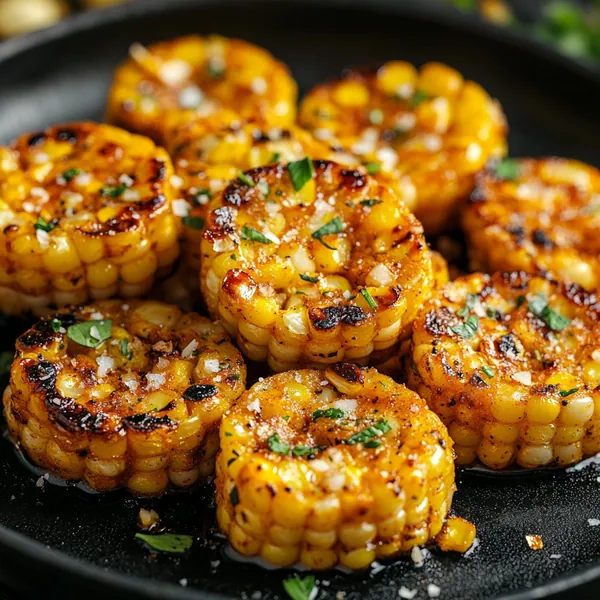
These crispy, golden bites are the ultimate treat for anyone who loves the magic of crunchy textures paired with sweet and savory flavors. Whether you're looking to impress guests at a brunch, add a gourmet twist to a family dinner, or simply satisfy your craving for something indulgent, this recipe delivers. A light, crisp coating surrounds a flavorful filling, giving you the perfect balance of texture and taste in every bite. Ideal as an appetizer, snack, or even a unique dessert, these bites are customizable, easy to make, and guaranteed to become a favorite.
Ingredients
- 1 can creamed corn 11 ounces
- 1 can whole kernel corn 11 ounces, drained
- 1/2 cup yellow cornmeal plus more as needed for thickening
- salt and pepper to taste
- oil for frying
Instructions
- In a large mixing bowl, combine the creamed corn, drained whole kernel corn, and 1/2 cup of yellow cornmeal. Mix well until slightly thickened. Add salt and pepper to taste and mix until evenly combined.
- Using a spoon or your hands, form small, round nuggets (about 1-2 inches in diameter). Place them on a parchment-lined tray to prevent sticking.
- Heat oil in a large skillet or deep fryer to 350°F (175°C). Carefully add the nuggets in batches, frying for 3-5 minutes, flipping occasionally, until crispy and golden brown. Use a slotted spoon to remove the nuggets and place them on a plate lined with paper towels to drain excess oil.
- Arrange the nuggets on a platter and serve hot. Pair with dipping sauces like ranch, honey mustard, spicy aioli, or ketchup for added flavor.