In this article
- Why Chickpeas & Cucumber Make a Perfect Pair
- Health Benefits of Mediterranean Wraps
- Ingredients List and Substitutions
- Step-by-Step Preparation Guide
- Creative Serving Suggestions
- Customization and Regional Variations
- Meal Prep and Storage Tips
- Nutritional Breakdown and Macros
- FAQs Section – Based on “People Also Ask”
The Chickpea & Cucumber Mediterranean Wrap is a refreshing, nutritious, and easy-to-prepare meal that brings the vibrant flavors of the Mediterranean to your kitchen. This plant-forward dish combines creamy chickpeas and crisp cucumber with a medley of fresh vegetables, herbs, and a tangy olive oil dressing, all wrapped in a soft, whole wheat or gluten-free flatbread. Whether you’re following a vegetarian, vegan, or clean eating lifestyle, this wrap offers a satisfying and wholesome option for lunch, dinner, or meal prep. Inspired by the traditional ingredients of Mediterranean cuisine, this wrap is not only flavorful but also rich in fiber, protein, and heart-healthy fats. It’s perfect for those seeking a quick, portable, and health-conscious meal. Easy to customize with different toppings or sauces, the Chickpea & Cucumber Mediterranean Wrap is an ideal choice for anyone looking to enjoy fresh, seasonal produce in a convenient and delicious format.
Why Chickpeas & Cucumber Make a Perfect Pair
Chickpeas and cucumbers complement each other exceptionally well, both in taste and texture. Chickpeas bring a creamy, slightly nutty flavor along with a dense, satisfying bite, while cucumbers offer a crisp, cool contrast that lightens up the overall dish. This pairing is a staple in many Mediterranean-inspired meals, where balance and freshness are key. Chickpeas serve as a robust base rich in plant-based protein and fiber, making the wrap more filling and nutritious. Meanwhile, cucumbers add hydration and a refreshing crunch that enhances the overall eating experience. From a flavor perspective, cucumbers cut through the richness of chickpeas and other ingredients like olive oil or tahini, creating a harmonious blend of earthy and crisp notes. Together, they deliver a sensory contrast that’s not only enjoyable but also highlights the simplicity and freshness characteristic of Mediterranean cuisine.
Health Benefits of Mediterranean Wraps
Mediterranean wraps are more than just tasty—they’re packed with health benefits thanks to the nutrient-dense ingredients common in this regional cuisine. Chickpeas, the main protein source in this wrap, are rich in fiber, plant-based protein, and essential minerals such as iron, magnesium, and zinc. They help support digestive health, stabilize blood sugar levels, and provide long-lasting satiety. Cucumbers are high in water content, which aids in hydration, and they contain antioxidants like beta-carotene and flavonoids that combat inflammation.
Olive oil, a cornerstone of the Mediterranean diet, is a healthy fat known to support heart health by reducing LDL (bad) cholesterol while maintaining HDL (good) cholesterol levels. Fresh herbs such as parsley or mint contribute antioxidants and essential micronutrients. Tomatoes and onions, often included in these wraps, provide vitamin C and phytonutrients that promote immune health. Altogether, a Mediterranean wrap like this one supports cardiovascular health, weight management, and overall wellness. It’s a well-rounded meal suitable for a variety of dietary preferences, from plant-based to flexitarian.
Ingredients List and Substitutions
To make a Chickpea & Cucumber Mediterranean Wrap, you’ll need a combination of fresh vegetables, legumes, herbs, and a flavorful dressing. Here’s a full list of ingredients:
Base Ingredients:
-
1 cup canned or cooked chickpeas (drained and rinsed)
-
1/2 large cucumber, chopped (preferably seedless or English cucumber)
-
1/4 red onion, thinly sliced
-
1/2 cup cherry tomatoes, halved
-
1/4 cup kalamata olives, sliced
-
1–2 tablespoons fresh parsley or mint, chopped
-
2 tablespoons crumbled feta cheese (optional for vegetarians)
-
1 tablespoon extra virgin olive oil
-
1 tablespoon lemon juice
-
1 garlic clove, minced
-
Salt and pepper to taste
-
2 whole wheat or gluten-free wraps
Optional Add-Ins/Substitutions:
-
Hummus: Spread inside the wrap for extra creaminess and flavor
-
Vegan feta or tofu: To make it fully plant-based
-
Avocado slices or tahini drizzle: For healthy fats and a creamy texture
-
Pickled onions or roasted red peppers: For added tang or sweetness
-
Lettuce or spinach: Adds volume and nutrients
-
Lettuce cups or pita bread: For a low-carb or traditional twist
This wrap is easily adjustable based on dietary needs and available ingredients, making it ideal for quick weeknight meals or customized meal prep.

Step-by-Step Preparation Guide
Making a Chickpea & Cucumber Mediterranean Wrap is straightforward and requires minimal cooking. Here’s a simple guide to assemble it:
-
Prepare the Chickpeas
Rinse and drain canned chickpeas thoroughly. Optionally, you can mash them lightly with a fork for a spreadable consistency or roast them in the oven at 400°F (200°C) with a drizzle of olive oil, salt, and spices for extra texture. -
Chop the Vegetables
Dice the cucumber, halve the cherry tomatoes, and thinly slice the red onion. Chop the olives and herbs. If using feta or avocado, prep those now as well. -
Make the Dressing
In a small bowl, whisk together the olive oil, lemon juice, minced garlic, and a pinch of salt and pepper. This dressing adds brightness and ties all the ingredients together. -
Assemble the Wrap
Lay the wrap flat on a plate or cutting board. Spread hummus (if using) across the base. Add the chickpeas and layer on the chopped vegetables, olives, herbs, and feta. Drizzle the dressing over the top. -
Wrap and Serve
Fold the sides of the wrap in, then roll it tightly from one end. Slice in half for easier serving. Serve immediately, or wrap in parchment for an on-the-go meal.
For meal prep, store components separately to maintain freshness and prevent sogginess.
Creative Serving Suggestions
The Chickpea & Cucumber Mediterranean Wrap is incredibly versatile and pairs well with a variety of sides and sauces. For a light lunch or dinner, serve it with a side of classic hummus, tzatziki, or a lemon-tahini dressing for added flavor and creaminess. A small bowl of lentil soup or a side of tabbouleh salad can complement the wrap and round out a Mediterranean-themed meal.
For a low-carb option, serve the filling over a bed of greens like arugula or baby spinach instead of in a wrap, turning it into a vibrant salad bowl. Alternatively, use butter lettuce or romaine hearts as lettuce cups for a lighter, handheld version. These wraps also pair well with pita chips, dolmas (stuffed grape leaves), or roasted vegetables like eggplant and zucchini for a heartier meal. The flavors are fresh and adaptable, making this dish suitable for both casual and more elevated meals.
Customization and Regional Variations
One of the strengths of this Mediterranean wrap is its adaptability. It can be easily tailored to fit different dietary needs and flavor preferences while keeping its core ingredients intact.
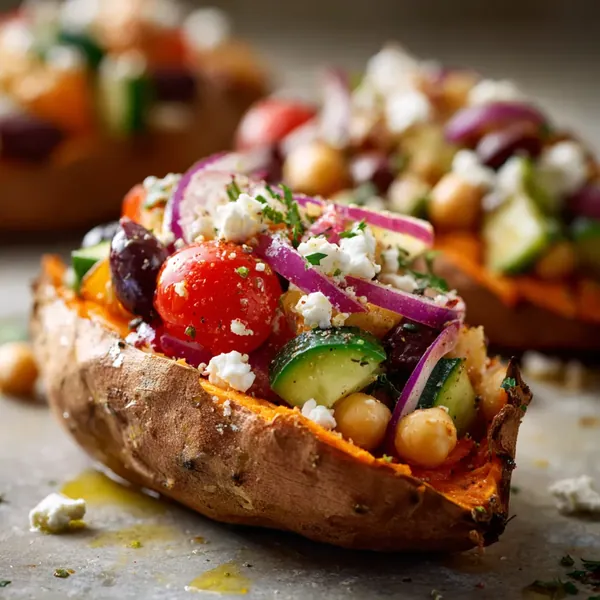
For a Greek-style variation, add crumbled feta, kalamata olives, and a dash of oregano. This version pairs well with tzatziki sauce and adds a briny, creamy profile. To give the wrap a Middle Eastern twist, incorporate spices like za’atar or sumac, and replace feta with a spoonful of tahini or baba ganoush. Adding pickled turnips or preserved lemon can also elevate the wrap with unique regional flavors.
If you’re looking for more protein, add grilled halloumi, baked falafel, or even seasoned tofu. For a spicy variation, include harissa paste or chili flakes in the dressing. For a heartier version, use a large pita or lavash bread and load it up with roasted vegetables like eggplant, bell peppers, or mushrooms.
The possibilities are almost endless, allowing this wrap to transition from a light summer meal to a robust dinner option simply by adjusting the ingredients or condiments.

Meal Prep and Storage Tips
The Chickpea & Cucumber Mediterranean Wrap is a great choice for meal prep, but a few simple strategies will help maintain its freshness and texture. To avoid sogginess, store each component—chickpeas, chopped vegetables, dressing, and wrap—separately in airtight containers. This prevents the cucumbers and dressing from softening the wrap prematurely.
Assemble the wrap just before eating, ideally within 3–5 days of prep. If you need to prepare wraps ahead of time, consider layering hummus or greens as a moisture barrier before adding the wetter ingredients. Wrapping the assembled wraps in parchment paper helps them hold their shape and keeps them portable for lunches or snacks on the go.
Store refrigerated wraps in a container or reusable wrap bag. Avoid freezing, as fresh vegetables like cucumber and tomato can lose their texture after thawing. With proper storage, this meal can be both convenient and fresh throughout the week.
Nutritional Breakdown and Macros
This Mediterranean wrap is both satisfying and nutrient-rich, offering a well-balanced profile of macronutrients. Below is an estimated breakdown for one wrap using whole wheat tortilla, chickpeas, vegetables, olive oil, and optional feta:
-
Calories: ~380–450 per wrap
-
Protein: 12–15 grams
-
Carbohydrates: 35–40 grams
-
Fiber: 8–10 grams
-
Fat: 16–20 grams
-
Saturated Fat: 3–4 grams
-
Sugar: 3–5 grams (naturally from vegetables)
This meal is rich in complex carbohydrates from chickpeas and whole grain wraps, providing long-lasting energy. Plant-based protein from chickpeas and optional tofu or hummus supports muscle maintenance, making it a good post-workout option. Healthy fats from olive oil and avocado (if included) support cardiovascular health and nutrient absorption.
It’s also high in dietary fiber, promoting digestion and satiety. By adjusting ingredients, the wrap can be made gluten-free, vegan, or higher in protein. It’s suitable for those following the Mediterranean diet, vegetarian diets, or those simply looking to include more whole foods in their daily meals.
FAQs Section – Based on “People Also Ask”
1. Are chickpea wraps healthy?
Yes, chickpea wraps are a nutritious option. Chickpeas are high in fiber, protein, and essential minerals like iron and magnesium. When combined with fresh vegetables and healthy fats, they make a balanced, heart-healthy meal that supports digestion, blood sugar control, and weight management.
2. What kind of wrap is best for Mediterranean recipes?
Whole wheat wraps are commonly used for added fiber and nutrients, but you can also use gluten-free tortillas, collard greens, or lettuce leaves if you’re avoiding grains. Pita bread or lavash are also traditional Mediterranean choices.
3. Can you eat chickpeas raw in a wrap?
Chickpeas should be cooked before eating. Canned chickpeas are pre-cooked and safe to eat straight from the can after rinsing. Raw, dried chickpeas must be soaked and boiled until tender to make them digestible and safe.
4. How do you keep cucumber from making a wrap soggy?
To prevent sogginess, pat the cucumber dry after chopping and keep it separate until you’re ready to assemble the wrap. You can also use greens like spinach as a barrier between wet and dry ingredients.
5. Can I make Mediterranean wraps ahead of time?
Yes, but it’s best to store ingredients separately and assemble right before eating. If pre-assembled, use ingredients that hold up well (like roasted chickpeas and firm cucumbers), and wrap tightly in parchment to preserve freshness.
6. Are these wraps good for weight loss?
They can be. Chickpea and vegetable wraps are nutrient-dense, high in fiber, and filling without being high in calories. Choosing whole grain or low-carb wraps and limiting added sauces can make them ideal for a weight loss plan.

Chickpea & Cucumber Mediterranean Wrap
This Chickpea & Cucumber Mediterranean Wrap is a fresh, healthy, and satisfying plant-based meal that’s perfect for lunch, dinner, or meal prep. Featuring creamy chickpeas, crunchy cucumber, juicy tomatoes, olives, and fresh herbs, all wrapped in a whole wheat or gluten-free flatbread and drizzled with lemony olive oil dressing. Inspired by the classic flavors of the Mediterranean, this wrap is vegan-friendly (or vegetarian with feta), customizable, and ready in under 20 minutes. Great for busy weekdays, picnics, or packed lunches.
Ingredients
- 2 whole grain wraps
- 2 tbsp beet hummus
- 2 tbsp vegan tzatziki
- ⅛ cup diced cherry tomatoes
- ⅛ cup finely diced cucumbers
- 2 small handfuls of spinach or other greens
- ⅛ cup sliced kalamata black olives
- ½ can rinsed and drained chickpeas
- 1 tbsp fresh squeezed lemon juice
- 2 tbsp extra virgin olive oil
- 2 tbsp balsamic vinegar
- ½ shallot thinly sliced (or 2 tbsp finely diced red onion)
- 1 tsp pure maple syrup
- salt and pepper to taste
Instructions
- Start by preparing the chickpea mixture. In a food storage container, add the chickpeas, lemon juice, balsamic, olive oil, onion, salt and pepper.
- Place the lid on the container and shake well to combine.
- Assemble the wraps by spreading 1 tbsp of beet hummus and 1 tbsp of vegan tzatziki on each wrap. Next, place a handful of spinach on each wrap. Top each wrap with half of the chickpea mixture, cucumber, tomato, and olives.
- Be careful not to overstuff the wraps.
- Optional: The wrap can be grilled on medium heat for about 1-1.5 minutes each side or until golden brown.
- Serve, and enjoy!