In this article
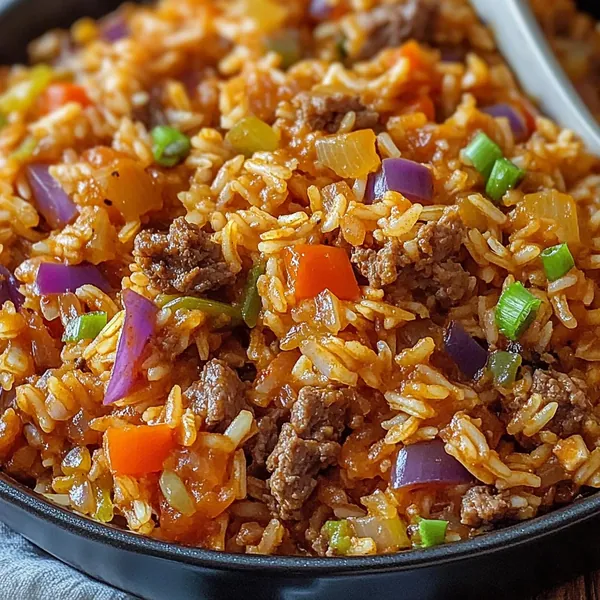
Cajun Cabbage Jambalaya is a bold, flavorful twist on a classic Southern favorite. Rooted deeply in Louisiana’s rich culinary traditions, jambalaya typically blends rice, spices, vegetables, and hearty proteins into one satisfying dish. In this version, cabbage steps into the spotlight, adding a fresh, slightly sweet crunch that perfectly balances the fiery kick of Cajun seasoning. This creative adaptation not only stays true to the spirit of one-pot comfort food but also introduces a lighter, low-carb option without sacrificing any flavor. Whether you’re a fan of spicy sausage, tender chicken, or savory shrimp, this dish is endlessly customizable and easy to prepare. Perfect for busy weeknights or festive gatherings, Cajun Cabbage Jambalaya brings the essence of Louisiana to your table with every bite. In this article, we’ll dive into its history, ingredients, step-by-step preparation, tasty variations, and essential tips to make the best version at home.
The Roots of Cajun Cuisine
Cajun cuisine is the proud legacy of the French-speaking Acadians who settled in Louisiana in the 18th century. Forced from Canada, these resilient people adapted to their new Southern environment by incorporating local ingredients such as seafood, game, rice, and vegetables into their cooking. Hearty, rustic, and full of bold flavors, Cajun dishes emphasize the importance of seasoning layers, starting with the “Holy Trinity” of onions, celery, and bell peppers. Over time, this food evolved to include influences from Spanish, African, and Native American culinary traditions. Central to Cajun cooking is the idea of simple, accessible meals prepared in large quantities, making them ideal for families and gatherings. Spices like cayenne, paprika, and thyme form the backbone of the unmistakable Cajun flavor profile. Dishes like jambalaya, gumbo, and étouffée remain beloved staples, each one carrying the rich cultural story of perseverance, adaptation, and community.
Traditional Jambalaya vs. Cabbage Jambalaya
Traditional jambalaya is a hallmark of Louisiana cuisine, known for its hearty mix of rice, meat (usually sausage, chicken, or seafood), vegetables, and bold seasonings. There are two primary styles: Creole jambalaya, which includes tomatoes, and Cajun jambalaya, which is typically made without tomatoes and has a smokier, spicier flavor. Rice plays a central role in soaking up the spices and juices from the proteins and vegetables, creating a dish that’s both rich and comforting.
Cabbage jambalaya, on the other hand, takes a refreshing detour from the classic formula by incorporating cabbage as a major component. Some recipes even swap out rice entirely in favor of cabbage, making it a lower-carb, gluten-free alternative. In this version, shredded cabbage absorbs the smoky, spicy flavors traditionally intended for rice, adding a mild sweetness and crunch that creates a lighter yet still satisfying dish.
Using cabbage also offers added nutritional benefits—it’s rich in fiber, vitamins C and K, and antioxidants—making cabbage jambalaya an appealing option for health-conscious eaters. Despite the swap, the dish retains the soulful essence of traditional jambalaya, offering the same depth of flavor with a slightly different texture. Whether you’re following a special diet or simply looking to try a creative twist, Cajun Cabbage Jambalaya delivers on flavor while offering an exciting new take on a Southern classic.
Key Ingredients for Cajun Cabbage Jambalaya
To make a flavorful Cajun Cabbage Jambalaya, it’s important to gather a balance of fresh ingredients, bold seasonings, and protein options that honor its roots. Here’s what you’ll need:
Vegetables:
-
Cabbage: Green cabbage is ideal for its mild flavor and tender texture when cooked.
-
Onion, Bell Pepper, Celery: This “Holy Trinity” forms the aromatic foundation essential in Cajun cooking.
-
Garlic: Adds a pungent depth.
Proteins:
-
Andouille Sausage: A smoky, spicy sausage that defines the dish’s Cajun character.
-
Chicken Thighs or Breasts: Tender and juicy, chicken soaks up the spices beautifully.
-
Shrimp (optional): Adds a seafood element traditional to Louisiana cooking.
Rice (optional):
-
Long-Grain White Rice: Preferred for traditional jambalaya.
-
Cauliflower Rice: A low-carb alternative for keto or paleo diets.
Spices and Seasonings:
-
Cajun Seasoning: A blend of paprika, cayenne, garlic powder, and herbs.
-
Salt and Pepper: Essential for balance.
-
Thyme, Oregano, Bay Leaf: Herbs that infuse deep flavor over slow cooking.
Liquids:
-
Chicken or Vegetable Broth: Helps simmer and meld the ingredients together.
-
Tomato Paste or Diced Tomatoes (optional): For those who enjoy a slight Creole twist.
These ingredients come together to create a robust, spicy, and satisfying one-pot meal that’s easy to adapt based on preference or dietary needs.

How to Make Cajun Cabbage Jambalaya Step-by-Step
Creating Cajun Cabbage Jambalaya at home is straightforward and rewarding. Here’s a simple step-by-step guide:
1. Prepare Your Ingredients
-
Chop cabbage into bite-sized pieces or thin shreds.
-
Dice onions, bell peppers, and celery.
-
Mince garlic.
-
Slice andouille sausage and dice chicken, if using.
2. Sauté the Aromatics
-
Heat oil in a large heavy-bottomed pot or Dutch oven.
-
Add onion, bell pepper, and celery, cooking until softened (about 5 minutes).
-
Stir in the garlic and cook for another minute, until fragrant.
3. Brown the Proteins
-
Add the sausage slices and cook until browned.
-
If using chicken, add it now and sauté until lightly browned on all sides (it doesn’t need to cook through yet).
4. Season and Layer Flavors
-
Sprinkle Cajun seasoning, thyme, oregano, and bay leaf into the pot.
-
Stir well to coat the meat and veggies with spices.
5. Add Cabbage and Liquids
-
Stir in chopped cabbage.
-
Add broth and optional diced tomatoes if desired.
-
Stir thoroughly to combine.
6. Simmer to Perfection
-
Cover the pot and simmer on low for 20–30 minutes, stirring occasionally.
-
Cabbage should soften and absorb flavors without becoming mushy.
-
If adding shrimp, stir them in during the last 5 minutes of cooking.
7. Optional: Add Rice
-
If using cooked rice or cauliflower rice, stir it in during the last 5–10 minutes, letting it heat through and soak up juices.
8. Final Seasoning
-
Taste and adjust seasoning with salt, pepper, or extra Cajun spice if desired.
9. Serve
-
Garnish with green onions, parsley, or a squeeze of lemon for brightness.
-
Serve hot with your favorite side dishes.
Following these steps ensures your Cajun Cabbage Jambalaya is richly flavored, perfectly textured, and authentically delicious!
Variations of Cajun Cabbage Jambalaya
One of the best things about Cajun Cabbage Jambalaya is its incredible versatility. With a few simple swaps, you can tailor the dish to suit different dietary needs and flavor preferences.
Low-Carb and Keto Versions:
-
Replace traditional rice with cauliflower rice for a lower-carb, keto-friendly version. Cauliflower absorbs spices well and keeps the dish light.
Vegetarian or Vegan Adaptations:
-
Skip the sausage and chicken, and instead use plant-based sausage alternatives or hearty vegetables like mushrooms and eggplant.
-
Use vegetable broth instead of chicken broth.
Extra Spicy or Mild Versions:
-
Amp up the heat by adding extra cayenne pepper or diced jalapeños.
-
For a milder version, reduce the amount of Cajun seasoning and substitute smoked paprika for heat.
Protein Swaps:
-
Swap out andouille sausage for smoked turkey sausage for a leaner option.
-
Use shrimp or crawfish for a seafood-forward variation.
Tomato-Based Versions:
-
Add crushed tomatoes or tomato paste if you prefer a Creole-style cabbage jambalaya.
These variations ensure that whether you’re cooking for a crowd with different tastes or just want to experiment, Cajun Cabbage Jambalaya can easily adapt without losing its soul-warming appeal.

Serving Suggestions and Side Dishes
Cajun Cabbage Jambalaya is hearty enough to stand alone, but pairing it with the right sides can elevate the meal even further.
Bread:
-
A slice of buttery cornbread or crusty French bread is perfect for soaking up the flavorful juices.
Greens:
-
Serve alongside collard greens or a fresh garden salad with a tangy vinaigrette to balance the spice.
Other Southern Favorites:
-
Try it with fried okra, sweet potato fries, or black-eyed peas for a true Southern spread.
Beverages:
-
Iced sweet tea, lemonade, or even a light beer complements the bold flavors of the jambalaya beautifully.
A well-rounded plate with these additions turns Cajun Cabbage Jambalaya into a feast perfect for family dinners or lively gatherings.
Storage and Reheating Tips
Cajun Cabbage Jambalaya stores exceptionally well, making it a fantastic make-ahead meal.
Refrigeration:
-
Store leftovers in an airtight container in the fridge for up to 4 days.
-
Allow the dish to cool completely before sealing it to prevent condensation and sogginess.
Freezing:
-
Freeze in portioned, freezer-safe containers for up to 3 months.
-
Label with the date for easy tracking.
Reheating:
-
For best results, reheat on the stovetop over medium heat with a splash of broth or water to prevent drying out.
-
You can also microwave individual servings in 1-minute intervals, stirring between each.
Proper storage preserves the flavors and texture, so you can enjoy delicious Cajun Cabbage Jambalaya anytime with minimal fuss.
Common Mistakes to Avoid
Even simple dishes like Cajun Cabbage Jambalaya can go wrong without the right techniques. Here are common pitfalls:
Overcooking the Cabbage:
-
Cabbage should be tender but not mushy. Watch it closely during the simmering stage.
Using Too Much Liquid:
-
Too much broth or tomatoes can turn the dish soupy. Add liquids gradually as needed.
Underseasoning:
-
Cajun dishes thrive on layered seasoning. Season proteins and vegetables separately for maximum flavor.
Choosing the Wrong Rice:
-
If using rice, opt for long-grain varieties. Short-grain rice can become sticky and heavy.
Skipping Browning Steps:
-
Properly browning sausage and chicken builds a flavor base essential to authentic jambalaya.
Avoiding these mistakes ensures a perfectly textured, richly flavored Cajun Cabbage Jambalaya every time.
FAQs
What is the difference between Cajun and Creole jambalaya?
-
Cajun jambalaya typically omits tomatoes and features a smoky, rustic flavor, while Creole jambalaya includes tomatoes and is slightly sweeter and more colorful.
Can I use purple cabbage instead of green cabbage?
-
Yes! Purple cabbage adds vibrant color, but it has a slightly stronger flavor and may tint the broth a purplish hue.
How do I make jambalaya less spicy?
-
Reduce the amount of Cajun seasoning or choose a mild brand. Add extra broth or tomatoes to dilute the heat without losing flavor.
Is jambalaya supposed to be wet or dry?
-
Traditional Cajun jambalaya is more dry, with the rice absorbing most of the cooking liquid. Cabbage jambalaya can be slightly saucier but should not be soupy.
What’s the best sausage for jambalaya?
-
Authentic jambalaya uses andouille sausage, known for its smoky, spicy flavor. However, kielbasa or smoked turkey sausage are great alternatives if needed.
Conclusion
Cajun Cabbage Jambalaya is a brilliant fusion of classic Southern cooking and modern creativity. With its hearty blend of spices, tender cabbage, savory sausage, and rich broth, it delivers all the satisfying flavors of traditional jambalaya with a fresh, health-conscious twist. Whether you prefer it spicy or mild, meaty or vegan, this dish proves endlessly adaptable and always delicious. Perfect for weeknight dinners, meal prepping, or festive gatherings, it captures the bold spirit of Louisiana in a single pot. Try experimenting with your own variations and make it your signature comfort food. No matter how you serve it, Cajun Cabbage Jambalaya is sure to win hearts around your table. Don’t forget to share your favorite twists or family versions — after all, Cajun cooking is all about community, sharing, and a deep love for vibrant, soulful flavors.

Cajun Cabbage Jambalaya
Bring bold Louisiana flavors to your table with this hearty Cajun Cabbage Jambalaya! A lighter twist on traditional jambalaya, this easy one-pot recipe features tender cabbage, spicy andouille sausage, savory chicken, and vibrant Cajun seasonings. It's low-carb friendly, packed with veggies, and bursting with rich, smoky flavor. Perfect for family dinners, meal prep, or cozy gatherings — ready in under an hour!
Ingredients
- 1 lb ground beef or pork sausage
- 1 medium onion, diced
- 1 green bell pepper, diced
- 2 cloves garlic, minced
- 1 small head green cabbage, chopped
- 1 (14.5 oz) can diced tomatoes, undrained
- 1 cup uncooked long-grain white rice
- 2 cups beef broth
- 1 tbsp Cajun seasoning
- ½ tsp smoked paprika
- ¼ tsp cayenne pepper (optional)
- Salt and black pepper, to taste
- 2 tbsp olive oil
- Fresh parsley, chopped (for garnish)
Instructions
- Heat olive oil; brown sausage or beef.
- Add onion, bell pepper, garlic—sauté until soft.
- Stir in cabbage and cook until wilted.
- Mix in tomatoes, rice, broth, and seasonings.
- Simmer covered for 20–25 mins until rice is tender.
- Let rest 5 mins; garnish and serve hot.