In this article
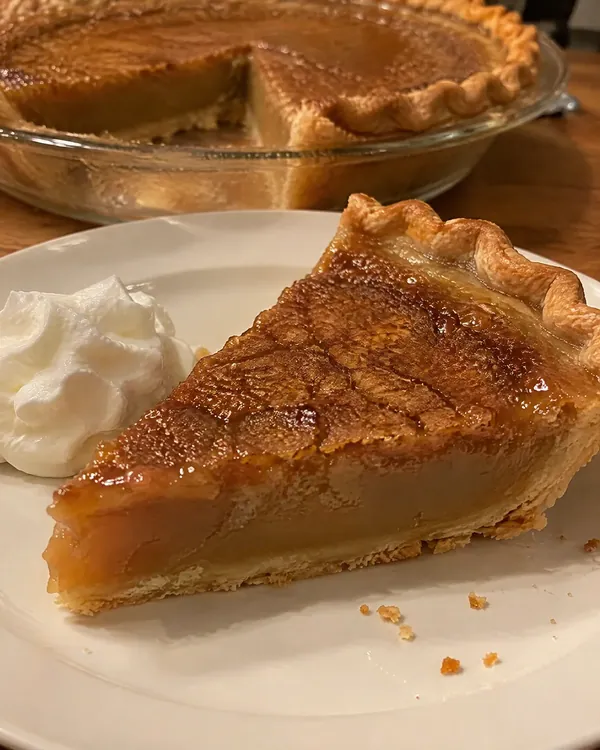
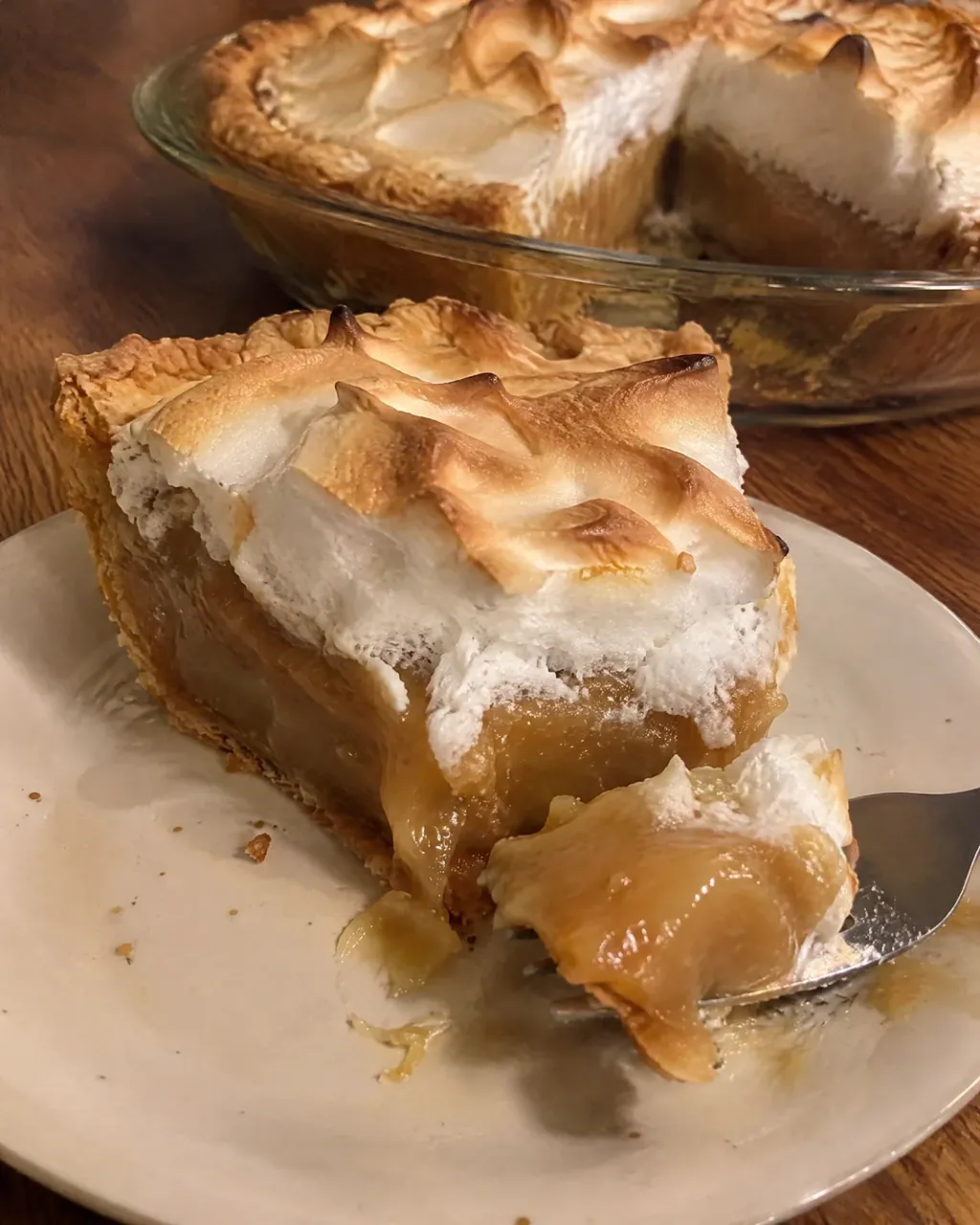
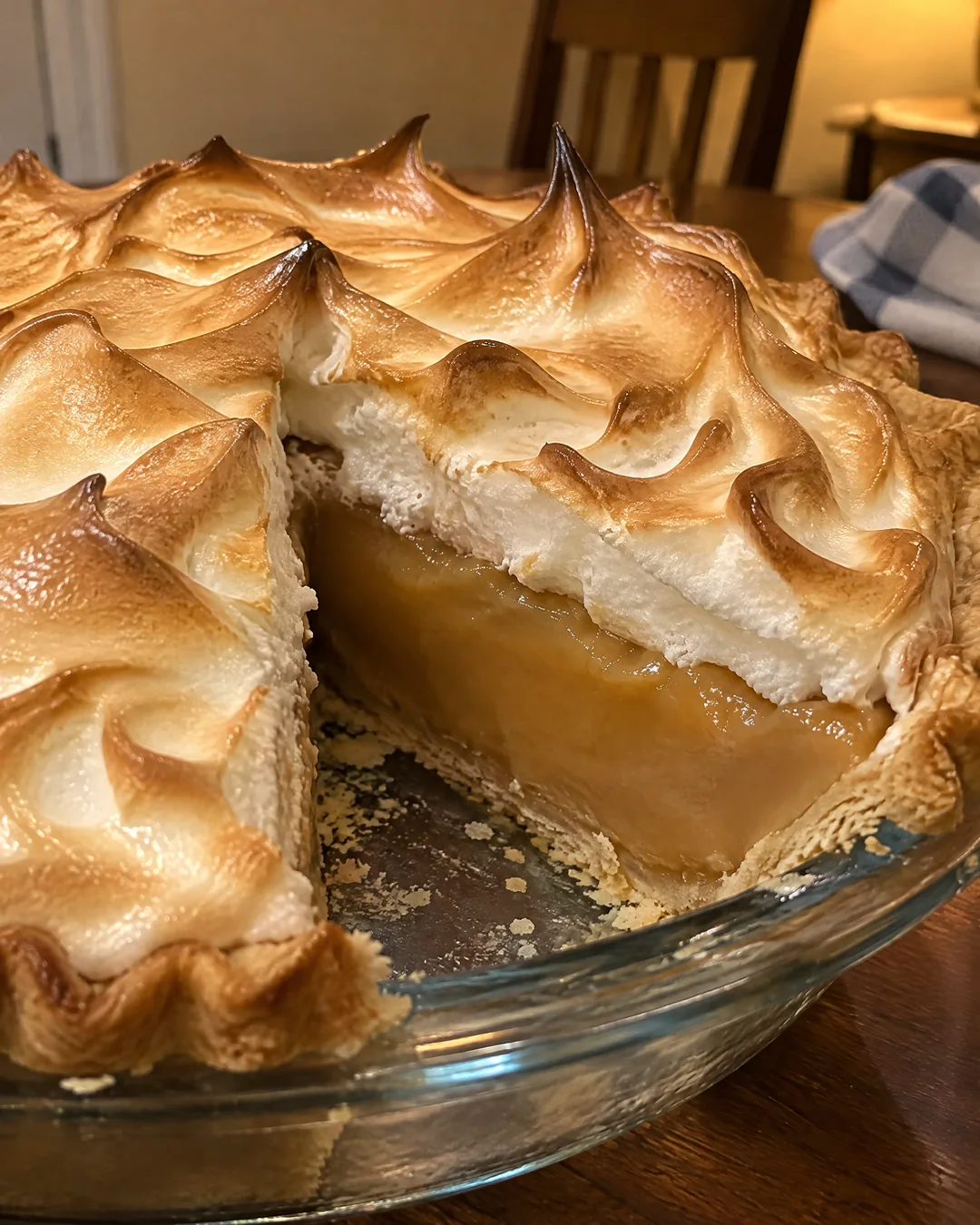
The neighbor man ate one slice of my mother’s butterscotch pie and asked her, very politely, which bakery she had bought it from. She told him it came from a skillet and a carton of eggs, and he did not believe her. He came back the next week and did not ask about the bakery again. He only asked whether there was any left. A real butterscotch pie is the color of an old penny, smooth and deep, with a tall meringue piled on top, and it tastes nothing like the pale yellow pudding that comes in a box.
The whole flavor comes from one step, and it is the step most recipes skip. Butter and dark brown sugar are melted together in a heavy pan and cooked, stirring, until the mixture bubbles thickly, smells of caramel and goes a shade darker. That is butterscotch. Stop too early and the pie is only sweet. Go too far and it turns bitter. Here is exactly how dark to cook the brown sugar, what to look and smell for, and how to bring the hot milk in without a lump.
Why this butterscotch pie works
- Cooked brown sugar. Cooking dark brown sugar in butter for 3 to 4 minutes deepens it from sweet to true butterscotch.
- Hot milk added slowly. Warm milk poured in a little at a time melts the hot sugar smoothly. Cold milk seizes it into hard lumps.
- Yolks tempered, then cooked. Warming the yolks with some of the hot custard before they go into the pan keeps them from scrambling.
- A baked crust. The crust is baked all the way first, so it stays crisp under a wet filling.
- Meringue on hot filling. Spread onto the filling while it is still hot, the meringue cooks from underneath and does not weep.
Ingredients
Makes one 9 inch pie, 8 slices. The measurements are in US cups with grams in brackets.
For the crust
- 1 single 9 inch pie crust, homemade or ready-made, fully baked and cooled
For the butterscotch filling
- 6 tablespoons unsalted butter (85g)
- 1 cup packed dark brown sugar (200g)
- 2 1/2 cups whole milk, warmed (600ml)
- 1/3 cup all-purpose flour (40g)
- 1/2 teaspoon fine salt
- 4 large egg yolks (keep the whites for the meringue)
- 2 teaspoons vanilla extract
For the meringue
- 4 large egg whites, at room temperature
- 1/4 teaspoon cream of tartar
- 1/2 cup granulated sugar (100g)
- 1/2 teaspoon vanilla extract
Dark brown sugar gives the deepest butterscotch flavor; light brown sugar works but tastes milder. Use a heavy pan so the sugar cooks evenly without scorching.
How to make butterscotch pie
- Heat the oven to 350 degrees (175°C). Have the baked pie crust ready.
- Whisk the flour and salt into 1/2 cup of the warm milk until smooth. Whisk the egg yolks in a separate bowl.
- Melt the butter in a heavy saucepan over medium heat. Stir in the dark brown sugar and cook, stirring constantly, for 3 to 4 minutes. It will melt, then bubble thickly all over. Cook it until it smells strongly of caramel and turns a shade darker, the color of an old penny, with a few wisps of steam. Do not let it smoke.
- Take the pan off the heat and pour in the remaining 2 cups warm milk a little at a time, whisking. It will hiss and the sugar may seize; keep whisking, then set the pan back on medium heat and stir until every bit of sugar has melted.
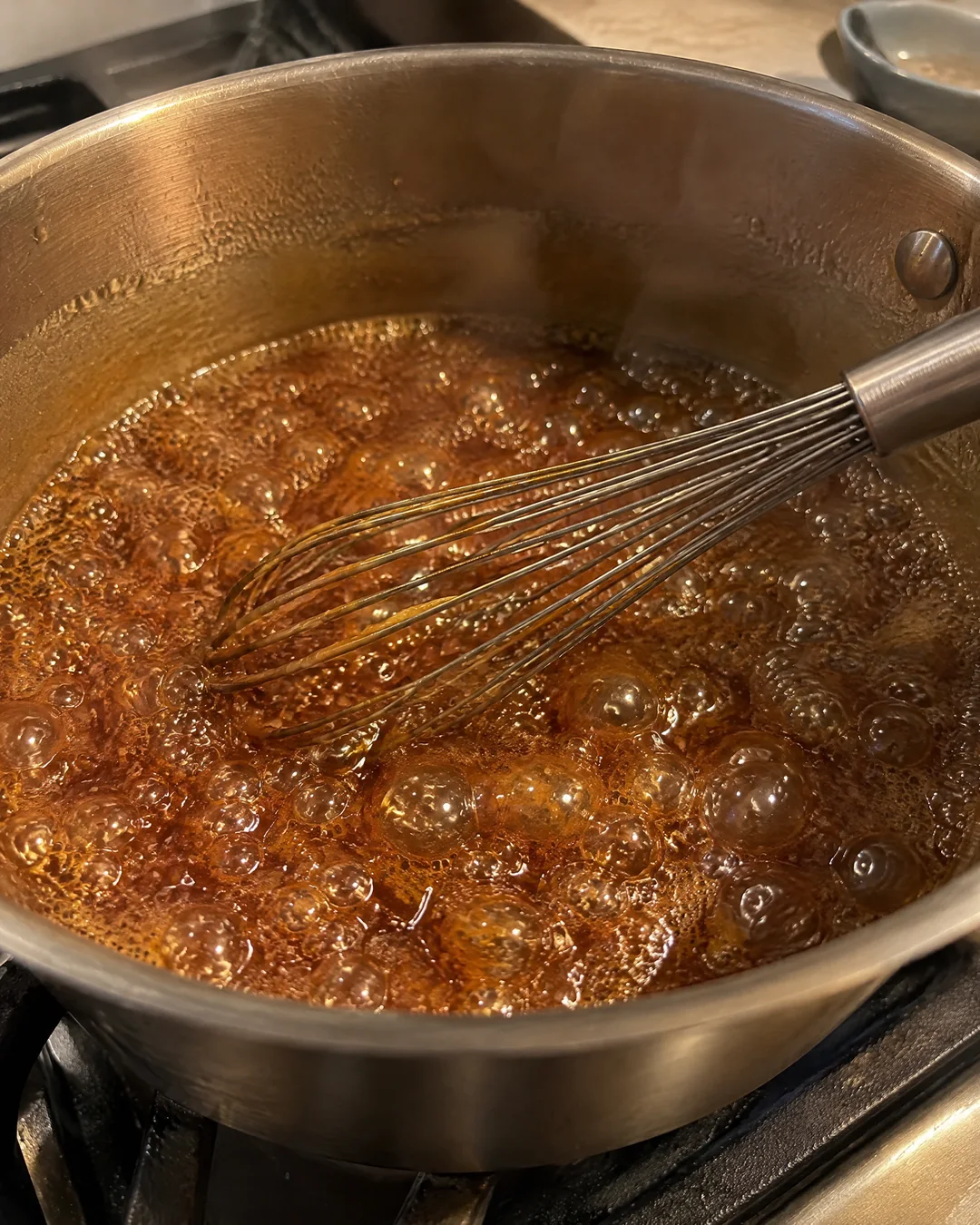
- Whisk the flour and milk mixture into the pan. Cook, whisking constantly, until it thickens and bubbles, about 5 minutes.
- Whisk a ladle of the hot filling into the egg yolks, then a second ladle. Pour the warmed yolks back into the pan and cook, whisking, for 2 more minutes, until very thick and glossy. Off the heat, stir in the vanilla. Pour it into the baked crust.
- Make the meringue right away. Beat the egg whites and cream of tartar until foamy, then add the sugar a spoonful at a time and beat until the meringue stands in stiff glossy peaks. Beat in the vanilla.
- Spread the meringue over the hot filling, starting at the edges so it touches the crust all the way around, then pile the rest in the middle and lift it into peaks with the back of a spoon.
- Bake for 12 to 15 minutes, until the peaks are golden brown.
- Cool the pie on a rack for 1 hour, then refrigerate for at least 3 hours before slicing. Wipe the knife with a wet cloth between slices.
Tips that make the difference
- Judge the sugar by smell and color, not only time. Caramel smell and a penny color mean it is ready; a sharp burnt smell means start over.
- Warm milk is not optional. Cold milk on hot sugar makes rock hard lumps that take a long time to melt.
- Seal the meringue to the crust all the way around, or it shrinks back as it cools.
- Cut the pie only when fully chilled, or the filling runs.
Variations
- Whipped cream top. Skip the meringue, chill the pie, and top with sweetened whipped cream just before serving.
- Graham cracker crust. Use a baked graham cracker crust for a softer, sweeter base.
- Salted butterscotch. Add an extra 1/4 teaspoon of salt to the filling and sprinkle a few flakes on each slice.
- Butterscotch pudding. Skip the crust and meringue and spoon the filling into small cups to chill.
Storage and make-ahead
Keep the pie covered loosely in the refrigerator for up to 2 days. Meringue is best the first day.
Do not freeze a meringue pie; the meringue turns spongy and weeps when thawed.
The filling can be made and chilled a day ahead in a covered bowl, then warmed gently, poured into the crust and topped with fresh meringue.
Frequently asked questions
How dark should I cook the brown sugar for butterscotch pie?
Cook it in the butter, stirring, for 3 to 4 minutes, until it bubbles thickly all over, smells strongly of caramel and turns a shade darker, about the color of an old copper penny. Take it off before it smokes.
Why is my filling lumpy?
The milk was cold, or it went in too fast. Warm the milk and pour it in slowly while whisking; any small lumps melt as the filling cooks.
Why did my meringue weep?
It went onto a cool filling, or the sugar was not fully dissolved. Spread it onto hot filling and beat the whites until no grains of sugar remain.
What is the difference between butterscotch and caramel?
Caramel is white sugar cooked alone until it browns. Butterscotch is brown sugar cooked with butter, which gives a deeper, softer flavor.
Cook the sugar darker than you dare, and keep a slice back. Someone will come asking which bakery it came from.
Old-Fashioned Butterscotch Pie with Meringue
Real butterscotch pie from scratch: dark brown sugar cooked in butter until it smells of caramel, made into a thick stovetop custard with milk and egg yolks, poured into a baked crust and topped with a tall meringue baked golden.
Ingredients
- 1 single 9 inch pie crust, homemade or ready-made, fully baked and cooled
- 6 tablespoons unsalted butter
- 1 cup packed dark brown sugar
- 2 1/2 cups whole milk, warmed
- 1/3 cup all-purpose flour
- 1/2 teaspoon fine salt
- 4 large egg yolks
- 2 teaspoons vanilla extract
- 4 large egg whites, at room temperature
- 1/4 teaspoon cream of tartar
- 1/2 cup granulated sugar
- 1/2 teaspoon vanilla extract
Instructions
- Heat the oven to 350 degrees (175°C). Have the baked pie crust ready.
- Whisk the flour and salt into 1/2 cup of the warm milk until smooth. Whisk the egg yolks in a separate bowl.
- Melt the butter in a heavy saucepan over medium heat. Stir in the dark brown sugar and cook, stirring constantly, for 3 to 4 minutes. It will melt, then bubble thickly all over. Cook it until it smells strongly of caramel and turns a shade darker, the color of an old penny, with a few wisps of steam. Do not let it smoke.
- Take the pan off the heat and pour in the remaining 2 cups warm milk a little at a time, whisking. It will hiss and the sugar may seize; keep whisking, then set the pan back on medium heat and stir until every bit of sugar has melted.
- Whisk the flour and milk mixture into the pan. Cook, whisking constantly, until it thickens and bubbles, about 5 minutes.
- Whisk a ladle of the hot filling into the egg yolks, then a second ladle. Pour the warmed yolks back into the pan and cook, whisking, for 2 more minutes, until very thick and glossy. Off the heat, stir in the vanilla. Pour it into the baked crust.
- Make the meringue right away. Beat the egg whites and cream of tartar until foamy, then add the sugar a spoonful at a time and beat until the meringue stands in stiff glossy peaks. Beat in the vanilla.
- Spread the meringue over the hot filling, starting at the edges so it touches the crust all the way around, then pile the rest in the middle and lift it into peaks with the back of a spoon.
- Bake for 12 to 15 minutes, until the peaks are golden brown.
- Cool the pie on a rack for 1 hour, then refrigerate for at least 3 hours before slicing. Wipe the knife with a wet cloth between slices.