Bold Asian-Style Tuna Cakes with Spicy Mayo

Hamza

No Comments

Flavor Nest

Daily Delicious Creations 👩‍🍳


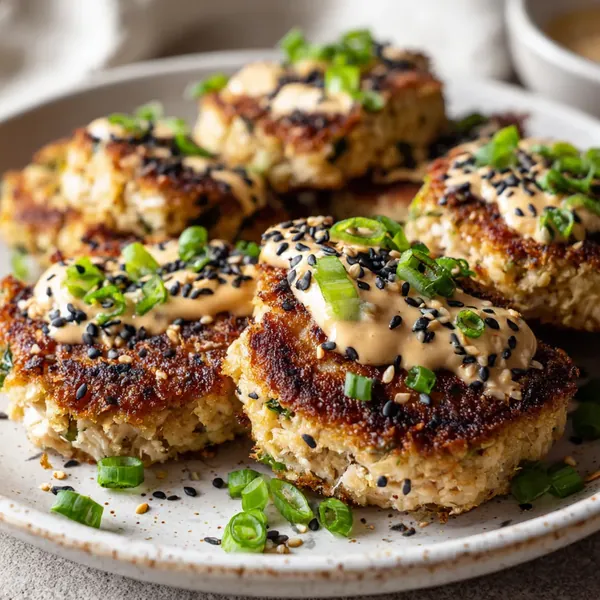
Transforming humble tuna into bold Asian-style cakes brings together familiar pantry staples and exotic seasonings in one irresistible bite. These golden patties combine flaky tuna with fragrant aromatics, savory soy, and a hint of heat, delivering a flavor profile that dances on the palate. Whether you’re hosting a casual gathering or seeking a protein-packed weeknight dinner, Asian-style tuna cakes offer a versatile solution that feels both elevated and approachable. With minimal prep and straightforward cooking techniques, you can achieve restaurant-worthy results without complicated steps. The addition of a creamy, spicy mayo elevates each bite, balancing richness with bright, zesty heat. In this guide, you’ll discover ingredient secrets, equipment tips, and step-by-step instructions to master every aspect—from perfectly binding the mixture to achieving a crisp, golden crust. By the end, you’ll be ready to customize these cakes to your taste and serve them as appetizers, main dishes, or snackable treats that impress at any occasion.

Why Choose Asian-Style Tuna Cakes?

Asian-style tuna cakes marry the comfort of classic fish cakes with the dynamic flavors of East Asia, creating a fusion that appeals to adventurous eaters and novices alike. The combination of soy sauce, sesame oil, and chili paste introduces layers of umami, nuttiness, and brightness, transforming canned or fresh tuna into something truly special. Unlike traditional Western-style fish cakes that often rely on mayonnaise-heavy binders, these cakes incorporate panko breadcrumbs and aromatics for a lighter texture and more nuanced taste. They cook in under twenty minutes, making them an ideal option for busy weeknights or last-minute entertaining. High in protein and rich in omega-3 fatty acids, tuna provides health benefits that support heart and brain function. Whether you’re seeking a gluten-free twist or craving a low-carb snack, this recipe adapts easily to dietary preferences. Ultimately, these Asian-inspired cakes stand out for their speed, nutrition, and depth of flavor.

Ingredient Breakdown

At the heart of these tuna cakes is high-quality tuna—either canned tuna in water for convenience or fresh sushi-grade tuna for a more refined texture. Canned tuna should be well-drained and flaked, while fresh tuna needs a quick dice after removing any sinew. Panko breadcrumbs serve as a light, airy binder, absorbing excess moisture without weighing down the cakes. Eggs provide structure, helping the patties hold their shape during cooking. Aromatics like garlic, ginger, and scallions infuse the mixture with fragrance and depth. Soy sauce and a splash of fish sauce introduce essential umami and saltiness, while toasted sesame oil adds a subtle nutty finish. For heat, you can choose between chili garlic paste, gochujang, or finely chopped fresh chiles. A small squeeze of lime juice brightens the entire mixture. Finally, neutral oil—such as grapeseed or avocado—is used for pan-frying to achieve a golden, crisp exterior.

Equipment & Prep

Gathering the right tools and organizing your workspace ensures a smooth cooking process. You’ll need a medium mixing bowl for combining ingredients, a sharp knife and cutting board for mincing aromatics and chopping fresh tuna if using, and measuring spoons or a digital scale for precise seasoning. A nonstick skillet or well-seasoned cast-iron pan is ideal for achieving a crisp crust without sticking. If you prefer baking, line a baking sheet with parchment paper or a silicone mat for easy cleanup. An ice-cold plate or tray helps set the formed cakes before cooking, preventing them from falling apart. Keep paper towels on hand to pat the tuna dry and absorb excess oil during frying. Finally, arrange all ingredients—tuna, binders, sauces, and seasonings—within arm’s reach in a mise en place layout to streamline assembly.

Prepping the Tuna & Aromatics

Begin by preparing your tuna: if using canned tuna, open the can and drain thoroughly, pressing gently to remove excess water. Transfer the flakes to a paper towel–lined plate and blot until nearly dry. For fresh tuna, trim away any sinew or dark bits, then dice into roughly quarter-inch pieces to maintain texture in the cakes. Next, mince two cloves of garlic until fine, grate a thumb-sized piece of ginger, and thinly slice two scallions—both white and green parts—to maximize flavor. Place aromatics in a small bowl and set aside. This separation allows you to control moisture levels in the fish mixture. If your tuna feels particularly wet, stir in an extra tablespoon of panko and let rest for five minutes so the crumbs can absorb moisture. Avoid over-mixing tuna with aromatics; gently fold ingredients to prevent a paste-like consistency. Proper prep guarantees each cake retains distinct flakes of tuna and bursts with fresh, bright notes from garlic, ginger, and scallion.

Crafting the Flavorful Binder

The binder does more than hold tuna cakes together—it’s the flavor backbone. In your mixing bowl, whisk one egg until frothy, then add two tablespoons of soy sauce, one teaspoon of fish sauce, and one teaspoon of toasted sesame oil for immersive umami. For heat, incorporate one tablespoon of chili garlic paste or gochujang, adjusting to taste. If you prefer dry spice, a pinch of red pepper flakes works well. Add a teaspoon of lime juice for acidity, which balances richness and tightens the binder. Gradually fold in half a cup of panko breadcrumbs, watching the mixture’s consistency; it should be moist but not soupy. If too wet, add a tablespoon more of panko; if too dry, a small splash of water or an extra egg white can help. Finally, toss in the prepped aromatics and tuna, folding in three to four gentle strokes to preserve tuna’s flakiness. The ideal binder feels cohesive enough to form a patty yet yields to pressure for a tender bite.

Forming Perfect Tuna Cakes

Shaping uniform cakes ensures even cooking and professional presentation. Scoop roughly three tablespoons of tuna mixture per cake—about two ounces—onto a lightly oiled plate or tray. Use a rice paddle, spatula, or your palm to flatten each mound into a disk approximately three inches wide and half an inch thick. Dip your hands in water to prevent sticking, then smooth edges for a clean silhouette. For extra stability, cover the tray and chill the cakes in the refrigerator for at least fifteen minutes; cold patties hold together better when hitting hot oil. If baking, arrange cakes two inches apart on the prepared sheet. To prevent cracks, avoid pressing too firmly; gentle shaping retains internal air pockets for a lighter texture. Once chilled, the cakes are ready for cooking—whether in a hot skillet or oven—or can be frozen individually on a tray before transferring to a storage bag for later use.


Cooking Methods: Pan-Fry vs. Bake

Pan-frying yields the crispiest, most deeply golden crust on your tuna cakes, but baking offers a lighter, hands-off approach. To pan-fry, heat 2 tablespoons of neutral oil (grapeseed, avocado, or light olive oil) in a nonstick skillet over medium-high heat until shimmering but not smoking. Carefully place chilled tuna cakes in the pan, leaving at least an inch between each. Cook 3–4 minutes per side, resisting the urge to move them until a deep golden crust forms. If the cakes brown too quickly, reduce heat slightly and cover loosely to ensure the interior cooks through without burning the exterior. Drain on paper towels and serve immediately.

For baking, preheat the oven to 400 °F (200 °C) and position a rack in the center. Lightly brush or spray both sides of the tuna cakes with oil and arrange on a parchment-lined baking sheet two inches apart. Bake for 12–15 minutes, flipping once at the halfway point. This method produces a gentler crust but ensures even cooking and minimal hands-on time. You can finish under the broiler for 1–2 minutes per side to deepen the color if desired.

Pros & Cons

  • Pan-Fry

    • Pros: Ultra-crispy crust, quick heat-up, flavorful fond

    • Cons: Splatter risk, requires attention, more oil usage

  • Bake

    • Pros: Hands-off, lower oil, larger batches

    • Cons: Milder crust, longer cook time, uneven browning without flipping

Choose pan-frying when texture and flavor intensity are paramount; opt for baking when you need convenience or are cooking for a crowd.

Spicy Mayo Sauce Recipe

A creamy, spicy mayo perfectly complements the savory crunch of Asian-style tuna cakes. Begin with ½ cup of high-quality Japanese or regular mayonnaise in a small bowl. Stir in 2 tablespoons of Sriracha—adjust between 1 tablespoon (mild heat) and 3 tablespoons (fiery kick) to suit your palate. For an additional layer of complexity, whisk in 1 teaspoon of gochujang, which adds umami depth, or substitute half the Sriracha with a tablespoon of sambal oelek for texture from chili seeds.

Brighten the sauce with 1 teaspoon of freshly squeezed lime juice or rice vinegar; the acidity cuts through richness. A pinch of granulated garlic or garlic powder and ¼ teaspoon of toasted sesame oil further round out the flavor profile. If you prefer a sweeter finish, add 1 teaspoon of honey or agave syrup and whisk until smooth. To thin the sauce for drizzling rather than dolloping, whisk in water one teaspoon at a time until you reach your desired consistency.

Transfer the spicy mayo to a squeeze bottle or piping bag fitted with a small round tip for elegant presentation. Alternatively, spoon the sauce into a small ramekin for dipping. Garnish with toasted sesame seeds, finely sliced scallions, or a dusting of Korean red pepper powder (gochugaru) to signal the heat within. Store any leftover sauce in an airtight container in the refrigerator for up to one week, stirring before each use to recombine separated oils.

Plating & Pairing Suggestions

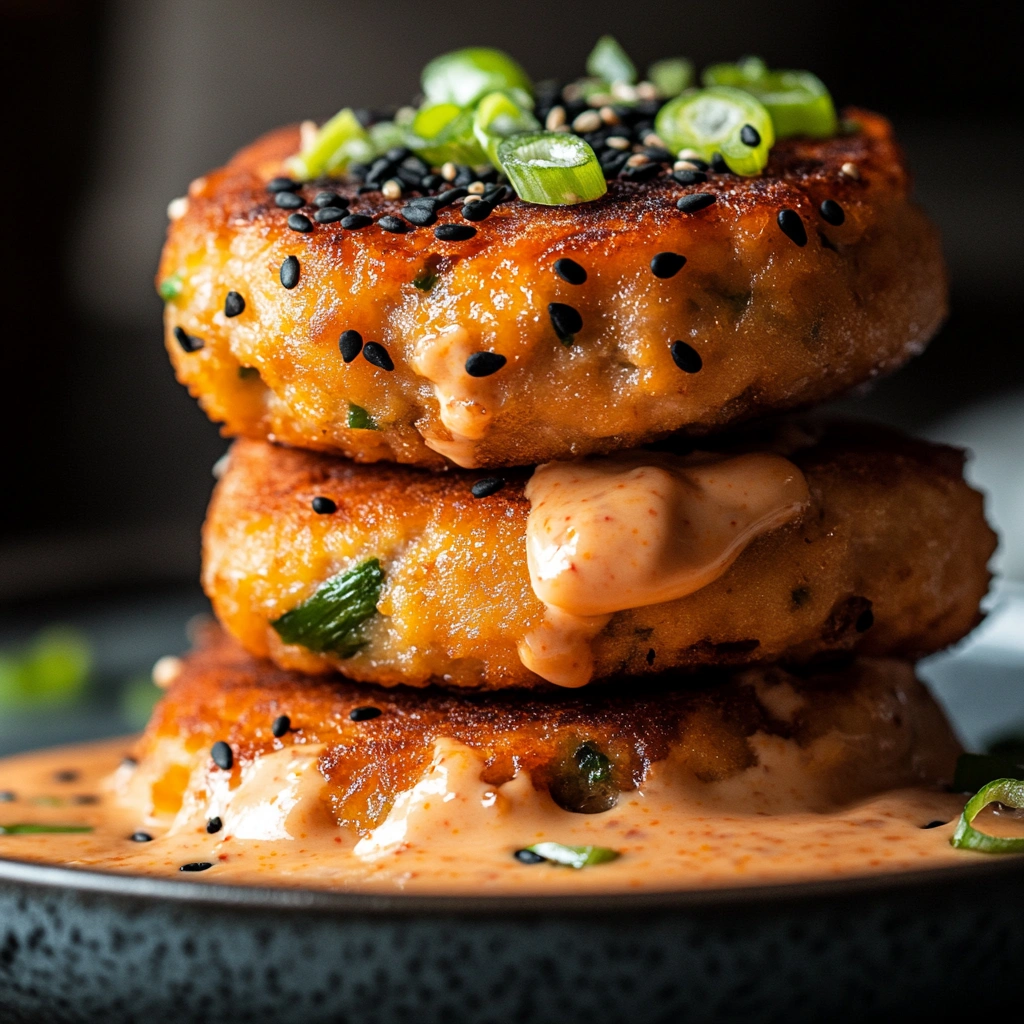
Elevate the visual and gastronomic appeal of your tuna cakes with simple plating flourishes and complementary sides. Arrange two to three cakes on a rectangular platter, spacing evenly. Pipe or drizzle spicy mayo in a zigzag pattern atop each cake, or serve sauce alongside in a narrow dipping dish. Scatter toasted black and white sesame seeds over the cakes, and nestle a few microgreens or cilantro sprigs for color contrast.

For a fresh, crunchy element, serve with cucumber ribbons or matchstick carrots tossed in a light rice-vinegar dressing. Pickled radish or daikon adds tangy brightness, while steamed jasmine rice or a small pile of soba noodles dressed with sesame oil can turn the cakes into a more substantial meal. Balance spicy heat with a cold beverage: an ice-cold lager, citrus-infused sparkling water, or a lightly oaked Chardonnay all complement the savory, umami-rich flavors.

Storage & Make-Ahead Tips

Prepare tuna cakes up to the “forming” stage and freeze individually on a parchment-lined tray for 1–2 hours. Once firm, transfer the frozen cakes to a resealable bag, separating layers with parchment or wax paper. They’ll keep up to one month. To cook from frozen, add an extra minute per side when pan-frying or 3–4 minutes per flip when baking.

For refrigerated make-ahead, shape and tightly wrap the cakes, storing them in a single layer in the fridge for up to 24 hours. This brief chilling time enhances structural integrity and deepens flavor melding. Prepare the spicy mayo up to one week in advance—keep it chilled and give it a fresh whisk before serving. Any leftover cooked cakes can be refrigerated in an airtight container for 2–3 days; reheat gently in a 350 °F oven or a lightly oiled skillet to restore crust crispness.

Nutritional Benefits & Considerations

Tuna is renowned for its high protein content—about 20 grams per 3-ounce serving—and is rich in heart-healthy omega-3 fatty acids, which support cardiovascular and cognitive function. Using canned tuna packed in water instead of oil reduces overall fat and calorie count. Eggs and panko breadcrumbs contribute additional protein and fiber, respectively, while aromatics like garlic and ginger offer antioxidant and anti-inflammatory compounds.

Be mindful of sodium: soy sauce and fish sauce can contribute up to 500 mg of sodium per serving. To lower sodium, choose low-sodium soy sauce or replace fish sauce with a dash of tamari and a sprinkle of sea salt. Gluten-free diners can swap panko for almond flour or gluten-free breadcrumbs without sacrificing texture. For a lower-fat version, bake rather than pan-fry and use light mayonnaise in the spicy mayo—this can cut calories by 20–30%.

Frequently Asked Questions

1. Can I use fresh tuna instead of canned?
Yes. Choose sushi- or sashimi-grade tuna, trim away sinew, and dice into small pieces. Fresh tuna yields a steak-like texture but follows the same bind and cooking instructions.

2. How do I prevent cakes from falling apart?
Chill formed cakes for at least 15 minutes before cooking to firm up the binder. Ensure the binder isn’t too wet: adjust panko proportions until the mixture holds its shape when pressed.

3. What oil is best for pan-frying?
Neutral, high-smoke-point oils like grapeseed, avocado, or light olive oil are ideal. Avoid extra-virgin olive oil, which smokes easily and can impart a bitter taste at high heat.

4. Can I customize the heat level?
Absolutely. Reduce chili garlic paste or Sriracha for milder cakes, or swap in fresh chiles (serrano or jalapeño) for more vibrant heat. Control spicy mayo by adjusting the ratio of hot sauce to mayonnaise.

5. Are these tuna cakes gluten-free?
They can be. Replace panko with almond flour or gluten-free breadcrumbs and use gluten-free soy sauce (tamari) to keep them gluten-free.

6. How do I reheat leftovers without losing crispness?
Reheat in a 350 °F oven for 8–10 minutes or in a lightly oiled skillet over medium heat for 2–3 minutes per side. Microwaving will soften the crust.

Conclusion & Call to Action

Bold Asian-style tuna cakes with spicy mayo offer a harmonious blend of textures and flavors that’s simple to execute yet impressive on the plate. From the umami-rich binder to the crisp golden crust and tangy heat of the mayo, each element plays its part in creating a memorable dish. Try both pan-frying and baking to find your preferred method, and experiment with spice levels and garnishes to make the recipe your own. Ready to delight guests or elevate a weeknight meal? Gather your ingredients, dive in, and don’t forget to share your colorful creations and tips in the comments below!

Leave a Comment

Recipe rating