In this article
Baked Feta Eggs marry the creamy tang of feta cheese with the rich silkiness of baked eggs for a breakfast or brunch dish that feels both indulgent and effortless. Originating from Mediterranean home kitchens, this one-pan recipe has surged in popularity thanks to social media, where its striking presentation and minimal prep have captivated food lovers worldwide. The core appeal lies in its simplicity: crumbled or sliced feta bathed in olive oil and aromatics, cracked eggs nestled on top, then roasted until the whites set and yolks remain luscious. In just a few minutes of hands-on time, you achieve a restaurant-worthy dish that can be customized endlessly with herbs, spices, vegetables, or proteins. Whether you’re hosting a leisurely weekend gathering or simply want to elevate your weekday breakfast, Baked Feta Eggs deliver maximum flavor with minimal fuss. In the sections that follow, you’ll discover the origins and inspiration behind the dish, ingredient insights, step-by-step instructions, clever variations, and more.
Origins & Inspiration
Baked Feta Eggs draw inspiration from various Mediterranean and Middle Eastern culinary traditions that celebrate baked egg dishes. One of the closest relatives is the classic North African shakshuka—eggs poached in a spiced tomato sauce—beloved for its communal appeal and vibrant flavors. While shakshuka relies on tomatoes and peppers, the baked feta variation highlights the cheese itself, allowing its briny depth to shine. Feta, a Protected Designation of Origin (PDO) cheese hailing from Greece, brings centuries of pastoral cheesemaking tradition to the table. Shepherds originally pressed fresh sheep’s and goat’s milk curds into wooden crates and aged them in brine, resulting in the crumbly, salty character we know today.
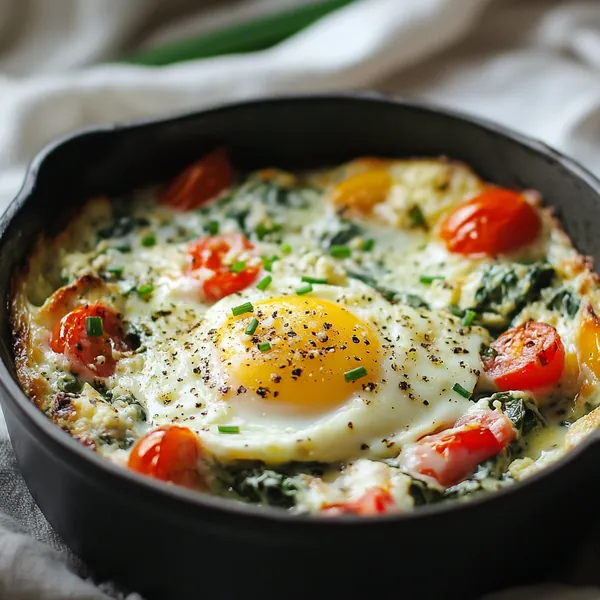
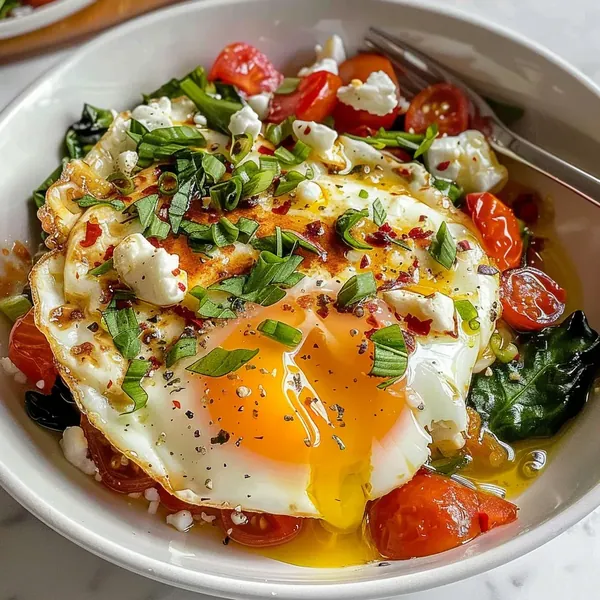
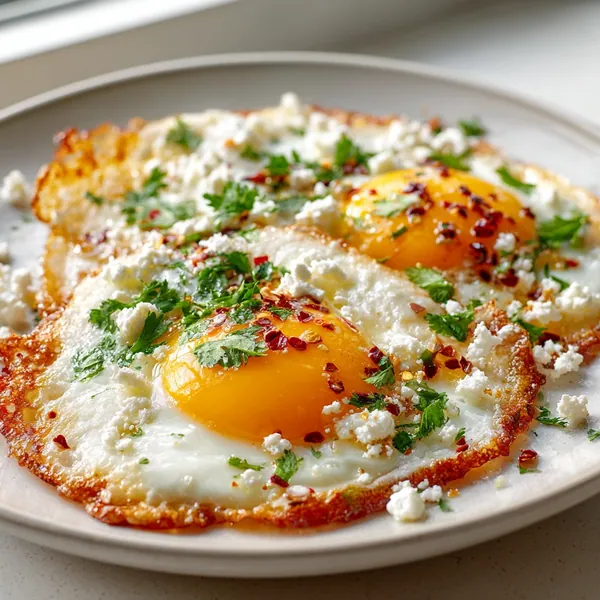
In recent years, home cooks and influencers on platforms like TikTok and Instagram have reimagined simple baked-cheese dishes—such as the viral tomato-feta bake—by adding eggs directly to the pan. This hybrid elevates the concept, combining breakfast protein and indulgent cheese in a single vessel. The result is visually arresting: white feta puck topped with glossy yolks, dotted with herbs, red pepper flakes, or halved cherry tomatoes. These social-media clips typically begin with a block of feta drizzled in olive oil, then escalate as someone cracks eggs over it and slides the dish into a hot oven. Viewers are hooked by the quick apparent transformation and the promise of a gourmet look with minimal effort.
Beyond its digital fame, Baked Feta Eggs resonate because they tap into broader trends: craving high-protein, low-carb meals; seeking easy “one-dish” recipes; and celebrating global flavors. By understanding its roots—from Greek cheesemaking to North African and Levantine bakes—you can appreciate how this dish sits at the intersection of tradition and modern convenience.
Ingredient Breakdown
Creating perfectly balanced Baked Feta Eggs hinges on selecting high-quality ingredients and understanding their roles.
-
Feta Cheese
-
Block vs. Crumbled: A block of feta held together by brine releases fewer microscopic crumbs, allowing it to form a base for the eggs; crumbled feta scatters more evenly but can bake down to grains. Choose according to texture preference.
-
Milk Source & Quality: PDO feta must be made from sheep’s and/or goat’s milk in specific Greek regions. Non-PDO varieties may include cow’s milk; seek well-rated producers for optimal flavor.
-
Saltiness: Taste a small cube before cooking—excessively salty feta can overshadow other ingredients. If it’s too salty, rinse briefly in cool water and pat dry.
-
-
Eggs
-
Size & Freshness: Large eggs are standard; very fresh eggs hold whites more firmly during baking. Older eggs spread more, so consider an extra minute in the oven if using past-prime eggs.
-
Room Temperature: Let eggs sit out for 10–15 minutes so they bake evenly, reducing risk of underdone whites with overcooked yolks.
-
-
Olive Oil & Aromatics
-
Oil: Use extra-virgin olive oil for fruitiness and depth; about 2 tablespoons per 8-ounce block of feta ensures even coating and prevents sticking.
-
Garlic & Shallots: Thinly sliced or minced garlic adds pungency; shallots bring a milder onion flavor. Sauté briefly in oil before adding feta to bloom flavors.
-
-
Seasonings
-
Red Pepper Flakes or Aleppo Pepper: For gentle heat and color.
-
Dried Herbs: Oregano, thyme, or za’atar complement feta’s tang.
-
Citrus Zest: Lemon or orange zest brightens the savory profile.
-
-
Optional Add-Ins
-
Vegetables: Halved cherry tomatoes roast alongside the feta, releasing juices that mingle with eggs. Baby spinach or kale adds color and nutrients; stagger its addition midway to prevent overcooking.
-
Olives or Capers: Introduce olive brine notes—choose pitted and halved for even distribution.
-
Equipment & Prep Tips
-
Baking Vessel: A small oven-safe skillet (cast iron or stainless steel) works best for heat retention and crisp edges; alternately, use a 6×8-inch ceramic or glass baking dish.
-
Oven Preheating: Preheat to 375°F (190°C) for consistent cooking. Place the rack in the center to avoid uneven browning.
-
Room-Temperature Ingredients: Let eggs and feta come to room temperature to promote uniform baking. Cold ingredients can lengthen cook time and cause overbrowning.
-
Prevent Sticking: Coat the pan with a thin film of olive oil or use nonstick spray. If using cast iron, ensure it’s well seasoned.
-
Prep Work: Mince garlic, slice shallots, zest citrus, and pre-crack eggs into small bowls. Having everything ready prevents scrambling at assembly time.
-
Timing: Arrange your mise en place so that once the oven is heated, you can assemble and bake without delays—this keeps eggs from warming prematurely and running in the bowl.
Step-by-Step Recipe Method
-
Preheat and Prep (50 words)
Preheat your oven to 375°F (190°C) with a rack in the center. Lightly oil a 6×8-inch oven-safe dish or 8-inch cast-iron skillet. Allow a block of feta and four large eggs to sit at room temperature for 10–15 minutes to ensure even cooking. -
Layer Feta & Oil (100 words)
Crumble or slice an 8-ounce block of feta into the prepared dish, arranging it in a single layer. Drizzle 2 tablespoons of extra-virgin olive oil evenly over the feta, ensuring most pieces have a glossy coating. The oil prevents sticking and creates crisp edges. Gently press the feta to compact it slightly, forming a stable base for the eggs. -
Add Aromatics & Seasonings (100 words)
In a small saucepan, warm 1 tablespoon of olive oil over medium heat. Add 1 minced garlic clove and 2 tablespoons of finely chopped shallots; sauté until fragrant and translucent (about 1–2 minutes). Spoon the garlic-shallot mixture over the feta. Sprinkle ¼ teaspoon of red pepper flakes, ½ teaspoon dried oregano, and the zest of half a lemon. Season lightly with cracked black pepper; omit additional salt unless the feta tasted mild. -
Crack Eggs on Top (50 words)
Create four small wells in the cheese with the back of a spoon. Crack one egg into each well, keeping the yolk intact. If shells fall in, use a larger piece of shell to fish them out—it adheres more easily than fingers. Ensure whites sit atop the cheese without swallowing too much cheese. -
Bake to Perfection (100 words)
Transfer the dish to the preheated oven. Bake for 12–15 minutes, checking at 10 minutes to gauge doneness. The whites should be just set and opaque, while yolks remain jiggly and golden. If you prefer firmer yolks, extend baking by 1–2 minutes—but watch closely to avoid overcooked, chalky whites. -
Garnish & Rest (100 words)
Remove from oven and immediately sprinkle with 2 tablespoons chopped fresh parsley or dill for brightness. Add a few torn basil leaves if desired. Let the dish rest for 2 minutes so residual heat finishes cooking whites without hardening yolks. Drizzle a little extra-virgin olive oil and a squeeze of fresh lemon juice over the top. Slide onto a cutting board or serve directly at the table with crusty bread for dipping. Encourage guests to swirl yolk, cheese, and aromatic oil together for each bite.

Serving Suggestions & Pairings
Baked Feta Eggs shine when paired with complementary breads, salads, and beverages that balance their richness. For dipping, choose slices of toasted sourdough or baguette brushed with olive oil and lightly rubbed with garlic. Rustic pita wedges or warm naan also soak up runny yolk and melted cheese, lending a Middle Eastern accent. For a lighter contrast, serve a crisp green salad of arugula, cucumber ribbons, and red onion dressed simply with lemon juice and olive oil; its peppery bite cuts through the savory creaminess.
If you prefer vegetables, arrange roasted asparagus or blistered cherry tomatoes alongside the baking dish. Quick-pickled red onions prepare in minutes and add tang. For heartier brunch spreads, offer smoked salmon, sliced avocado, or prosciutto on the side—each adds protein and textural contrast. Sprinkle chopped fresh herbs (parsley, dill, or mint) generously to introduce herbal brightness.
Beverage pairings can range from coffee to cocktails. A well-balanced Americano or latte complements the dish’s creaminess in the morning. For brunch gatherings, serve a crisp sparkling wine like Prosecco or a dry rosé; their effervescence refreshes the palate between bites. Alternatively, an herbal tea—such as mint or chamomile—soothes and underscores Mediterranean flavors. Don’t forget chilled still water with lemon slices to cleanse and hydrate.
Encourage diners to create open-faced “bites” by tearing bread into pieces, scooping up egg and cheese, and garnishing with a fresh herb leaf. This interactive approach enhances the communal spirit of the dish and makes each serving customized to individual taste.
Variations & Customizations
Transform the base Baked Feta Eggs into new flavor experiences by experimenting with vegetables, spices, and proteins.
1. Veggie-Forward
-
Spinach & Mushrooms: Sauté 1 cup baby spinach and ½ cup sliced cremini mushrooms in garlic-infused oil before layering beneath the feta. The earthiness of mushrooms and leafy spinach adds depth and color.
-
Bell Peppers & Zucchini: Dice small red or yellow peppers and zucchini; roast them alongside the feta for a sweeter, slightly smoky profile.
2. Spicy Variants
-
Harissa: Stir 1–2 teaspoons of harissa paste into the olive oil before drizzling over the feta, infusing North African heat and complexity.
-
Jalapeños & Chili Crisp: Thinly slice a jalapeño pepper and sprinkle chili crisp over the finished bake for a crunchy, spicy kick.
3. Herbal Infusions
-
Za’atar: Swap oregano for 1 teaspoon of za’atar spice blend to introduce thyme, sesame, and sumac flavors.
-
Fresh Cilantro & Mint: Garnish with chopped cilantro and mint for a Levantine twist.
4. Protein Add-Ins
-
Chorizo or Sausage: Brown ½ cup diced Spanish chorizo or Italian sausage, drain fat, and layer under the feta for a smoky, meaty element.
-
Smoked Salmon: After baking, top each egg with thin ribbons of smoked salmon and a few capers for an upscale brunch version.
5. Vegan Alternative
-
Tofu “Eggs”: Use firm tofu cubes marinated in kala namak (black salt) and turmeric for an eggy flavor; crumble vegan feta or blended cashews with nutritional yeast to mimic the cheese. Bake as usual, adjusting time for tofu’s firmness.
These variations allow you to match the dish to seasonal produce, dietary needs, or personal spice tolerance while preserving its signature appeal: a creamy cheese base crowned with perfectly baked eggs.
Make-Ahead & Storage
Prepare Baked Feta Eggs in advance for stress-free breakfasts or gatherings. Assemble the feta, oil, aromatics, and seasonings in the baking dish, cover tightly with plastic wrap or foil, and refrigerate for up to 12 hours. When ready to bake, remove from fridge 15 minutes beforehand to come to room temperature, then crack in the eggs and follow the baking instructions.
For leftovers, transfer any uneaten portions into an airtight container. Store in the refrigerator for up to three days. Reheat gently in a 325°F (160°C) oven for 5–7 minutes, or microwave on medium power in 30-second increments until warmed through—though oven reheating preserves texture best. Avoid freezing once eggs are baked, as thawing diminishes yolk quality and cheese texture. Instead, pre-assemble (without eggs) for freezing up to one month; thaw overnight in the fridge, then add eggs and bake according to the recipe.
Nutritional Information & Health Benefits
A single serving of Baked Feta Eggs (approximately one quarter of the dish) typically contains around 300–350 calories, making it a satisfying yet moderate-calorie meal. Each serving provides about 18–20 grams of protein from eggs and cheese, supporting muscle maintenance and satiety. Fat content averages 24 grams, primarily from olive oil and feta; the majority is heart-healthy monounsaturated fats, with some saturated fat from dairy. Carbohydrates remain low (under 4 grams) unless you accompany the dish with bread.
Feta cheese contributes calcium, phosphorus, and B vitamins, while eggs deliver choline for brain health and lutein for eye support. Extra-virgin olive oil adds polyphenols and antioxidants associated with cardiovascular benefits. By incorporating fresh herbs and optional vegetables, you further boost fiber, vitamin, and mineral content. To reduce sodium, choose a lower-salt feta or rinse the cheese briefly before use.

Troubleshooting Common Issues
-
Overcooked Yolks
-
Cause: Extended bake or oven too hot.
-
Fix: Reduce temperature by 25°F or shorten baking time by 1–2 minutes. Check at the 10-minute mark for doneness.
-
-
Undercooked Whites
-
Cause: Very fresh eggs take longer to set.
-
Fix: Let cold eggs sit at room temperature 15 minutes before baking; cover loosely with foil for the first 5 minutes to trap heat.
-
-
Soggy Feta Base
-
Cause: Excess moisture from rinsed cheese or fresh légumes.
-
Fix: Pat feta dry thoroughly; pre-roast vegetables separately or drain their liquid before adding.
-
-
Cheese Sticking to Pan
-
Cause: Insufficient oil or unseasoned cast iron.
-
Fix: Generously oil the dish and ensure cast iron is well seasoned. Use parchment paper if necessary.
-
-
Uneven Baking
-
Cause: Oven hot spots or overcrowding.
-
Fix: Rotate the dish midpoint; maintain consistent spacing on the rack without other pans.
-
FAQs
1. Can I use shredded mozzarella instead of feta?
Yes, but mozzarella yields a milder, less tangy flavor and a stretchier texture. If substituting, add 1–2 teaspoons of lemon juice or a sprinkle of sea salt to brighten the dish.
2. How long does it keep in the fridge?
Store baked leftovers in an airtight container for up to three days. Reheat gently in a 325°F oven for 5–7 minutes to maintain texture.
3. Why didn’t the eggs bake evenly?
Uneven baking often stems from cold ingredients or a non-preheated oven. Ensure eggs and cheese reach room temperature, preheat the oven fully, and place the dish centrally on the rack.
4. Can I make this dairy-free?
Yes. Replace feta with vegan cheese or marinated tofu, and use nutritional yeast for cheesy notes. Adjust seasonings to compensate for flavor differences.
5. What’s the best oven temperature?
375°F (190°C) strikes the right balance of gentle cooking for whites and tender yolks. If your oven runs hot, reduce to 350°F (175°C) and extend bake by 1–2 minutes.
Conclusion & Call to Action
Baked Feta Eggs offer an unbeatable combination of simplicity, flavor, and visual appeal—transforming everyday ingredients into a dish worthy of any brunch table. With a creamy cheese base, perfectly set eggs, and endless customization options, it’s a recipe that adapts to seasons, dietary needs, and personal tastes. Whether you stick to the classic version or explore spicy, veggie-packed, or vegan alternatives, this baked egg creation promises reliability and delight with every bite. Don’t let its Instagram fame intimidate you; the recipe’s straightforward steps ensure success for cooks of all skill levels. Gather friends or family, prepare your favorite accompaniments, and enjoy the communal ritual of dipping crusty bread into molten feta and runny yolk. If you loved this recipe, please share your photos and feedback—and bookmark this guide for your next leisurely weekend breakfast or effortless dinner upgrade.
Baked Feta Eggs Recipe
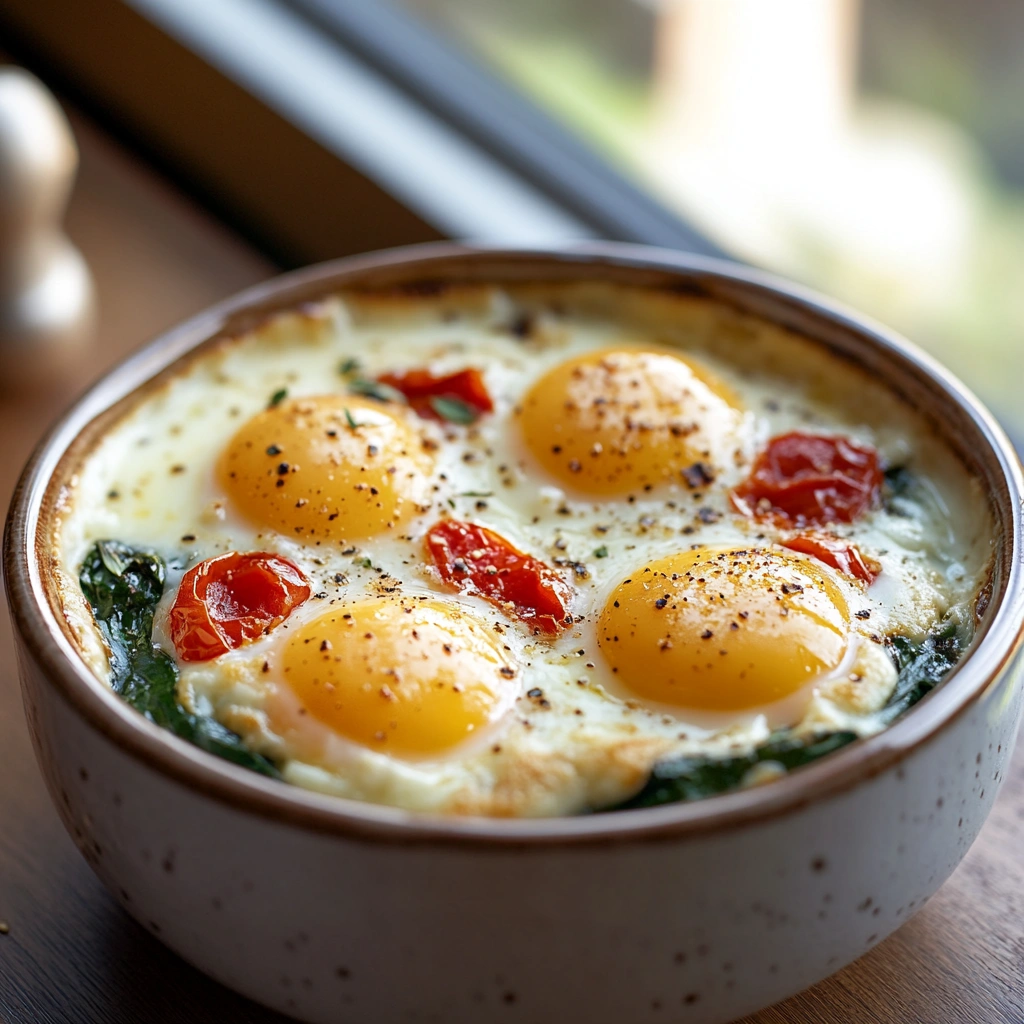
Baked Feta Eggs is a simple yet impressive one-pan dish that combines the tangy creaminess of feta cheese with perfectly baked eggs. In under 30 minutes, you’ll layer a block of feta with garlic-infused olive oil and aromatics, crack fresh eggs on top, then roast until the whites set and yolks remain luxuriously soft. The result is a visually striking, protein-rich breakfast or brunch centerpiece that pairs beautifully with crusty bread, pita, or a crisp green salad. With minimal hands-on time and endless customization options—from spinach and cherry tomatoes to spicy harissa or fresh herbs—this recipe fits effortlessly into busy mornings, leisurely weekends, or casual dinner gatherings.
Ingredients
- 1/2 cup (100 g) crumbled feta cheese
- 4 large eggs
- 1/2 cup (120 ml) cherry tomatoes, halved
- 2 tablespoons olive oil
- 1 teaspoon dried oregano (or fresh, chopped)
- 1/4 teaspoon crushed red pepper flakes (optional)
- Salt and black pepper, to taste
- 1 tablespoon chopped fresh parsley (for garnish, optional)
- Toasted bread or pita, for serving
Instructions
Step 1: Preheat the oven
- Preheat your oven to 375°F (190°C).
Step 2: Assemble the dish
- In an ovenproof skillet or small baking dish, drizzle 1 tablespoon of olive oil to coat the bottom.
- Scatter the crumbled feta and cherry tomato halves evenly in the dish. Sprinkle with oregano, red pepper flakes (if using), salt, and pepper.
Step 3: Add the eggs
- Make small wells in the feta and tomato mixture and carefully crack the eggs into the wells. Drizzle the remaining olive oil over the top.
Step 4: Bake the eggs
- Place the skillet in the preheated oven and bake for 10-15 minutes, or until the egg whites are set and the yolks are cooked to your liking.
Step 5: Garnish and serve
- Remove from the oven and garnish with fresh parsley, if desired. Serve warm with toasted bread or pita for dipping.