In this article
- What Makes Yogurt Bread Zero Carb?
- Benefits of Zero Carb Yogurt Bread
- Key Ingredients Breakdown
- Step-by-Step Recipe for Zero Carb Yogurt Bread
- Nutritional Information and Macros
- Common Mistakes and How to Avoid Them
- How to Store and Reheat Zero Carb Yogurt Bread
- Creative Serving Ideas
- FAQs (Frequently Asked Questions)
- Conclusion
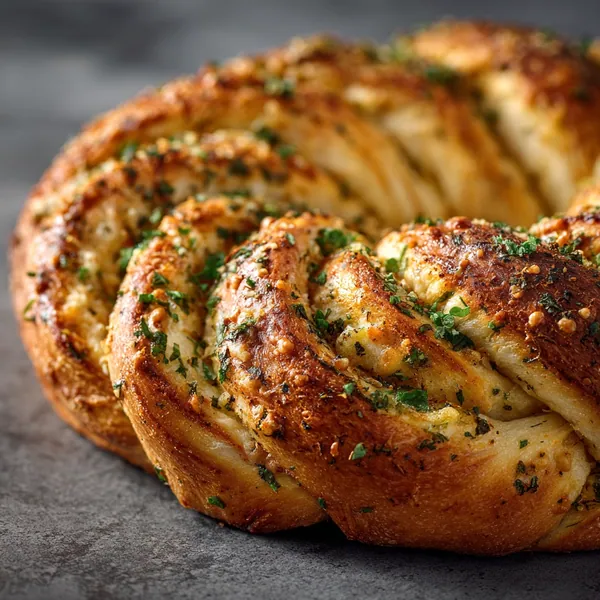
Bread is often one of the hardest foods to give up when switching to a low-carb or ketogenic lifestyle. For many, traditional bread is packed with carbohydrates that can quickly derail progress toward health and weight loss goals. Fortunately, innovative recipes like Zero Carb Yogurt Bread offer a satisfying alternative without the heavy carb load. This bread uses a combination of high-protein, low-carb ingredients to create a soft, moist loaf that’s perfect for sandwiches, toasting, or simply enjoying with a pat of butter.
Zero carb yogurt bread stands out because it uses Greek yogurt or other low-carb yogurts to provide structure and moisture. Unlike traditional bread that relies on flour made from wheat or other grains, this bread typically uses alternatives like almond flour, coconut flour, or even specialty low-carb baking blends. The result is a bread that mimics the texture and taste of conventional loaves without the high carbohydrate count.
Another major benefit of zero carb yogurt bread is its versatility. Whether you’re looking for a neutral base for savory sandwiches or a flavorful loaf infused with herbs, cheeses, or spices, this bread can easily be adapted to your preferences. Plus, it’s quick to prepare, often requiring just a few simple steps and minimal baking experience.
In this article, we’ll explore everything you need to know about making the perfect zero carb yogurt bread at home — from understanding key ingredients to troubleshooting common baking mistakes. Let’s dive into this delicious, guilt-free bread alternative!
What Makes Yogurt Bread Zero Carb?
At first glance, it might seem impossible to create a bread that contains virtually no carbohydrates. However, by carefully selecting low-carb ingredients and avoiding traditional wheat flour, zero carb yogurt bread successfully minimizes carbohydrate content without sacrificing flavor or texture. The foundation of this bread is a blend of protein-rich and fiber-rich components that replace conventional starch-heavy flours.
Greek yogurt plays a pivotal role in the recipe, offering both moisture and structure. Because it is high in protein and low in sugar, especially when unsweetened, it supports the bread’s texture without adding excess carbs. Low-carb flours such as almond flour or coconut flour substitute for wheat-based products, ensuring the bread stays within ketogenic or low-carb dietary guidelines.
Additionally, using baking powder rather than yeast allows the bread to rise without introducing the sugars that yeast typically feeds on. Egg whites contribute additional structure and fluffiness, keeping the loaf light rather than dense. By avoiding ingredients like honey, sugar, or starches often found in traditional bread recipes, zero carb yogurt bread remains a truly low-carb option ideal for those seeking healthier alternatives.
Benefits of Zero Carb Yogurt Bread
Zero carb yogurt bread offers a variety of benefits, making it an appealing choice for those on low-carb, ketogenic, or diabetic-friendly diets.
First and foremost, it provides a bread alternative that aligns with carb-restricted eating plans. Traditional breads often contain between 15 to 30 grams of carbohydrates per slice, but zero carb yogurt bread cuts that number dramatically, often resulting in just one to two grams of net carbs per serving. This can help individuals maintain ketosis or simply reduce daily carbohydrate intake for weight management and improved metabolic health.
Another major advantage is the high protein content. Greek yogurt and eggs create a bread that supports muscle maintenance and satiety, helping to keep hunger at bay longer than carb-heavy alternatives. The presence of probiotics in yogurt may also offer gut health benefits, promoting better digestion and immune function.
In addition to its nutritional strengths, zero carb yogurt bread is highly versatile. It can be used for sandwiches, toast, or even as a base for appetizers and snacks. Since the flavor is neutral and mild, it pairs well with both savory and sweet toppings, offering flexibility in meal planning. For those looking to enjoy the comfort of bread without the dietary setbacks, zero carb yogurt bread is an excellent choice.

Key Ingredients Breakdown
Creating a delicious and truly low-carb yogurt bread depends on using the right ingredients. Each element plays an important role in the bread’s flavor, texture, and nutritional profile.
Almond Flour or Coconut Flour: These two flours are the most common low-carb alternatives to wheat flour. Almond flour provides a moist, rich texture with a subtle nutty flavor. Coconut flour, on the other hand, is more absorbent and requires more liquid and eggs to achieve the desired consistency. Each option results in slightly different textures, so personal preference often dictates the choice.
Greek Yogurt: Unsweetened, full-fat Greek yogurt is ideal for zero carb bread recipes. It offers a thick, creamy consistency and is rich in protein with minimal carbohydrates. The yogurt not only moistens the bread but also acts as a binding agent to help the structure hold together without gluten.
Eggs and Egg Whites: Eggs add moisture, structure, and protein to the bread. Some recipes emphasize egg whites to create a lighter, fluffier loaf while reducing the calorie and fat content. Whole eggs can also be used for a richer texture, depending on dietary goals.
Baking Powder: As the leavening agent, baking powder helps the bread rise and prevents it from becoming overly dense. Unlike yeast, baking powder works without the need for sugar, keeping the carb count low.
Optional Ingredients: Flavorings like garlic powder, onion powder, Italian herbs, or shredded cheese can be added to customize the flavor. Seeds such as chia, flax, or sesame can provide additional texture and nutritional boosts without significantly increasing carbohydrates.
Step-by-Step Recipe for Zero Carb Yogurt Bread
Making zero carb yogurt bread at home is surprisingly simple. With a few carefully selected ingredients and some basic kitchen tools, you can enjoy fresh, homemade low-carb bread in no time.
Ingredients:
-
1 cup almond flour (or 1/4 cup coconut flour)
-
1/2 cup full-fat, unsweetened Greek yogurt
-
4 large eggs (or 6 egg whites for lighter bread)
-
1 tablespoon baking powder
-
1/2 teaspoon salt
-
Optional: 1 teaspoon garlic powder, 1 teaspoon Italian seasoning, 1/4 cup shredded cheese
Equipment Needed:
-
Mixing bowls
-
Whisk or electric mixer
-
Loaf pan (8×4 inches recommended)
-
Parchment paper
-
Oven
Instructions:
-
Preheat your oven to 350°F (175°C). Line the loaf pan with parchment paper or grease it lightly with oil or butter.
-
In a large mixing bowl, whisk together the eggs until frothy. If using egg whites, beat until soft peaks form for a fluffier texture.
-
Add the Greek yogurt to the eggs and mix until fully combined.
-
In a separate bowl, combine almond flour (or coconut flour), baking powder, salt, and any optional seasonings or cheese.
-
Gradually fold the dry ingredients into the wet ingredients, stirring gently to avoid overmixing. The batter should be thick but pourable.
-
Pour the batter into the prepared loaf pan, spreading it evenly.
-
Bake for 30 to 35 minutes, or until a toothpick inserted into the center comes out clean. The top should be golden brown and slightly firm to the touch.
-
Allow the bread to cool in the pan for 10 minutes, then transfer to a wire rack to cool completely before slicing.
Pro Tips:
-
If the batter seems too thick, add a tablespoon of water or extra yogurt to loosen it slightly.
-
For a more rustic texture, sprinkle seeds or cheese on top before baking.
-
Ensure the bread is completely cool before slicing to avoid crumbling.
With a basic understanding of the ingredients and a simple step-by-step process, baking zero carb yogurt bread becomes a stress-free, rewarding kitchen project.
Nutritional Information and Macros
Understanding the nutritional profile of zero carb yogurt bread is important for anyone closely tracking their macronutrient intake. While exact values can vary based on ingredient brands and portion sizes, a general breakdown per slice (assuming 10 slices per loaf) looks like this:
-
Calories: 90–110
-
Protein: 6–8 grams
-
Fat: 7–9 grams
-
Total Carbohydrates: 2–3 grams
-
Net Carbs: 1 gram or less (after subtracting fiber)
The high protein content, courtesy of the Greek yogurt and eggs, helps make this bread more filling than traditional breads, even in small portions. Meanwhile, the low carb count supports ketogenic and low-glycemic diets, making it a smart option for individuals managing diabetes or looking to maintain a state of ketosis.
Fat content remains moderate, especially when using full-fat yogurt and almond flour. If coconut flour is used instead, the fat profile shifts slightly, often resulting in lower overall fat and slightly higher fiber.
Additionally, this bread provides modest amounts of calcium, magnesium, and potassium, thanks to the natural nutrients found in yogurt and eggs. For those seeking to boost micronutrient intake while avoiding unnecessary carbs, zero carb yogurt bread fits well into a balanced, health-conscious diet.

Common Mistakes and How to Avoid Them
Even though zero carb yogurt bread is relatively straightforward to make, a few common mistakes can affect the final result. Being aware of these issues can help ensure consistent success.
1. Using the Wrong Type of Yogurt:
Always choose full-fat, unsweetened Greek yogurt. Yogurts labeled as “low-fat” or “light” often contain added sugars, which will raise the carbohydrate count and can affect texture.
2. Overmixing the Batter:
Mix the ingredients until just combined. Overmixing can cause the bread to become tough or rubbery because it disrupts the delicate structure of the eggs and yogurt.
3. Incorrect Oven Temperature:
Baking at a temperature that is too high can cause the bread to rise rapidly and then collapse. Always preheat your oven and, if possible, use an oven thermometer to ensure accurate baking temperatures.
4. Not Allowing Bread to Cool Properly:
Cutting into the bread while it is still hot can cause it to fall apart. Allow it to cool completely on a wire rack for the best slicing results.
5. Skipping Parchment Paper:
Because low-carb breads are more delicate than traditional loaves, lining your pan with parchment paper helps prevent sticking and ensures easy removal.
Following these simple tips will help achieve a tender, moist, and properly structured zero carb yogurt bread every time.
How to Store and Reheat Zero Carb Yogurt Bread
Proper storage is key to maintaining the freshness of zero carb yogurt bread. Once the bread has cooled completely, wrap it tightly in plastic wrap or place it in an airtight container. It can be stored at room temperature for up to two days, although refrigeration is recommended for longer freshness, extending its shelf life to about one week.
For freezing, slice the loaf first, then wrap individual slices in parchment paper before placing them into a freezer-safe bag. This method makes it easy to grab single servings without thawing the entire loaf.
When reheating, avoid using a microwave, as it can make the bread rubbery. Instead, toast slices in a toaster or warm them in an oven at 300°F (150°C) for a few minutes to restore their fresh-baked texture.
Creative Serving Ideas
Zero carb yogurt bread’s neutral flavor makes it a versatile base for countless meals and snacks. Here are a few creative ways to enjoy it:
1. Avocado Toast:
Top a toasted slice with mashed avocado, sea salt, and chili flakes for a low-carb twist on a classic favorite.
2. Breakfast Sandwiches:
Use slices to make a high-protein breakfast sandwich with eggs, cheese, and bacon or turkey sausage.
3. Grilled Cheese:
Layer your favorite low-carb cheese between two slices and grill for a satisfying, keto-friendly comfort meal.
4. Mini Pizzas:
Toast slices lightly, add marinara sauce, mozzarella, and toppings of choice, and bake until the cheese is melted.
5. Garlic Bread:
Brush slices with a mix of butter, garlic powder, and parsley, then toast in the oven for a flavorful side dish.
FAQs (Frequently Asked Questions)
Can I make zero carb yogurt bread dairy-free?
Yes, you can substitute Greek yogurt with a dairy-free alternative such as coconut yogurt. However, ensure it is unsweetened and low in carbs to maintain the bread’s low carbohydrate profile.
Is Greek yogurt better for keto bread than regular yogurt?
Absolutely. Greek yogurt is strained to remove much of its whey, resulting in higher protein content and lower sugar compared to regular yogurt. This makes it the superior choice for maintaining low carb counts in bread recipes.
Why is my keto bread gummy?
Gumminess often results from too much moisture or underbaking. Make sure to measure ingredients accurately, avoid overmixing, and bake the bread until a toothpick inserted into the center comes out clean.
Can I add flavorings like herbs or garlic to the bread?
Yes. Adding herbs, spices, shredded cheese, or even seeds can enhance the flavor and texture of your bread without significantly increasing the carb count.
How long does zero carb bread last in the fridge?
When properly stored in an airtight container, zero carb yogurt bread can last up to one week in the refrigerator without losing its flavor or texture.
Conclusion
Zero carb yogurt bread offers an easy, delicious way to enjoy bread without the heavy carb load of traditional loaves. Thanks to simple, wholesome ingredients like Greek yogurt, almond flour, and eggs, you can create a soft, flavorful bread perfect for a variety of meals. It fits beautifully into low-carb, keto, and diabetic-friendly diets, providing flexibility without sacrifice.
With the right techniques and a little creativity, you can customize your zero carb yogurt bread to suit your taste, from savory herb loaves to cheesy snack slices. Whether you are new to low-carb baking or a seasoned pro, this bread is sure to become a go-to staple in your kitchen.
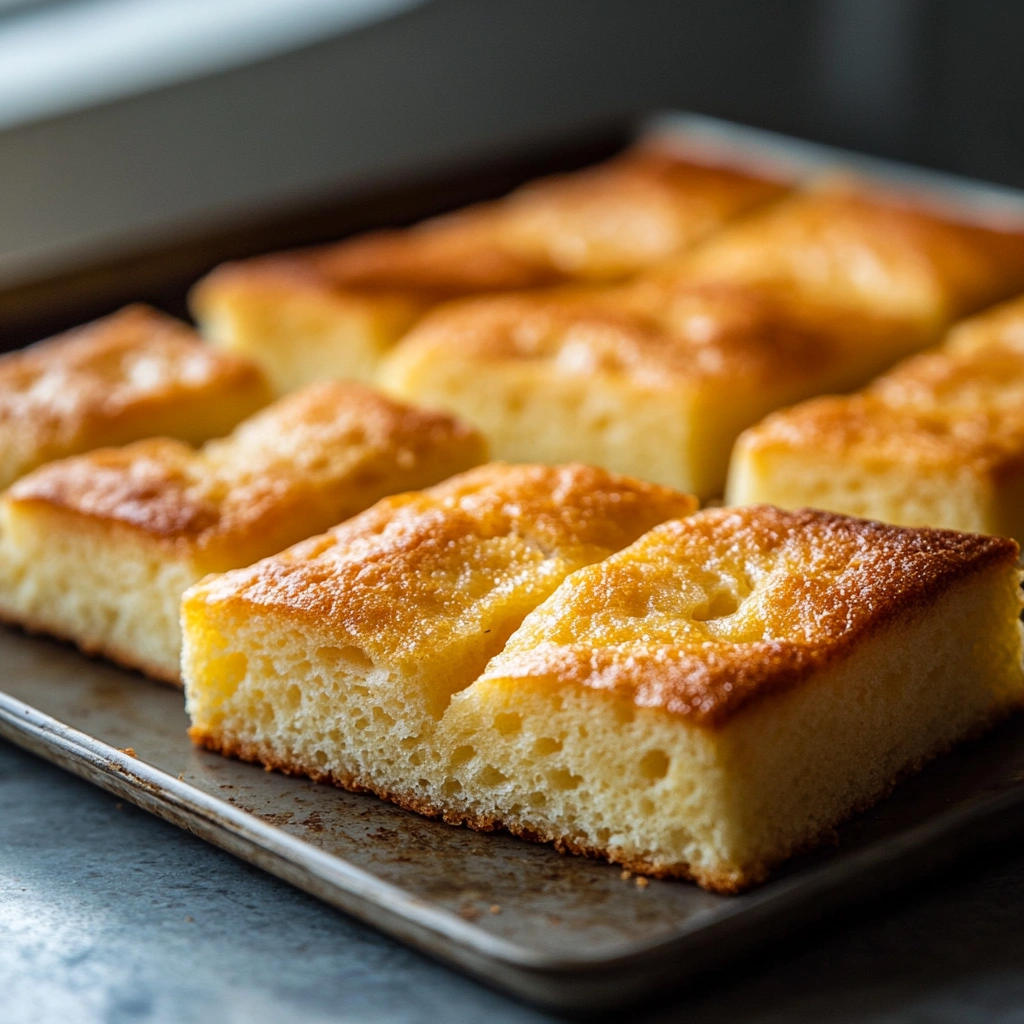
Zero Carb Yogurt Bread
This Zero Carb Yogurt Bread is soft, moist, and perfect for anyone following a low-carb, keto, or diabetic-friendly diet. Made with simple ingredients like Greek yogurt, almond flour, and eggs, this bread is incredibly versatile and easy to prepare. Enjoy it toasted for breakfast, as a sandwich base, or as a healthy snack. With just 1 gram of net carbs per slice, it is a guilt-free way to satisfy bread cravings without compromising your nutrition goals.
Ingredients
- 2 cups shredded mozzarella cheese (or a mix of mozzarella and cheddar for extra flavor)
- 1 cup plain Greek yogurt (unsweetened, full-fat for best results)
- 4 large eggs , divided
- 1/2 tsp baking powder
- Optional Add-Ins :
- 1/2 tsp garlic powder or Italian seasoning for savory flair
- 1/4 cup grated Parmesan cheese for extra richness
Instructions
- Preheat your oven to 350°F (175°C) . Line a small loaf pan (about 6×3 inches) with parchment paper or grease it lightly with butter or oil.
- In a microwave-safe bowl, melt the shredded mozzarella cheese in the microwave for 30–60 seconds , stirring halfway through, until fully melted and smooth.
- To the melted cheese, add the Greek yogurt and 3 of the eggs. Stir until the mixture forms a sticky dough.
- Sprinkle the baking powder (and optional seasonings) over the dough and mix until well combined.
- Transfer the dough to the prepared loaf pan and press it down evenly with a spatula or your hands to form a smooth surface.
- Beat the remaining egg and brush it lightly over the top of the dough. This will give the bread a golden, shiny crust after baking.
- Bake for 25–30 minutes , or until the bread is golden brown on top and a toothpick inserted into the center comes out clean.
- Let the bread cool in the pan for 5–10 minutes before transferring it to a wire rack to cool completely.
- Slice the bread into thin pieces and enjoy as-is or toasted with your favorite toppings like butter, avocado, or cream cheese.