In this article
- Defining Tuscan Mac and Cheese
- Historical Background and Origins
- Flavor Profile and Culinary Influences
- Core Ingredients Overview
- Ingredient Spotlight: Sun-Dried Tomatoes
- Ingredient Spotlight: Cheese Varieties
- Ingredient Spotlight: Spinach & Herbs
- Step-by-Step Recipe Instructions
- Expert Tips & Common Mistakes
- Variations & Substitutions
- Serving Suggestions & Pairings
- Nutritional Information Overview
- Frequently Asked Questions
- Conclusion
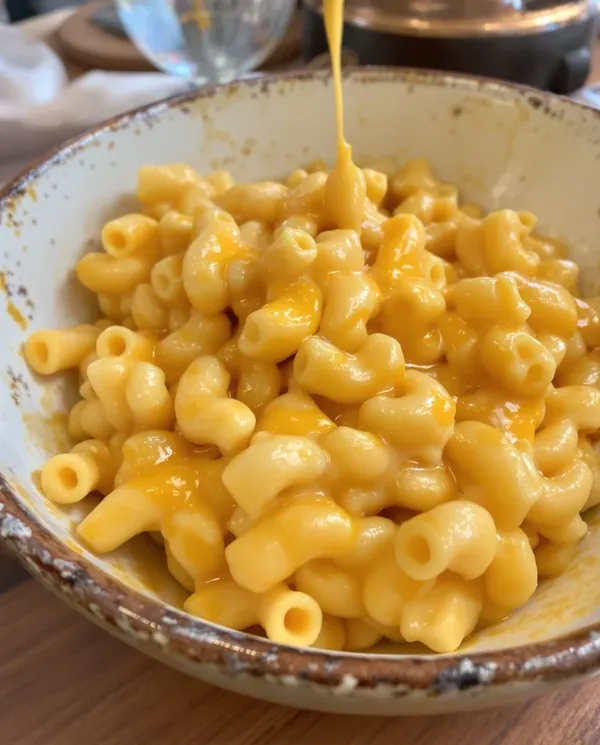
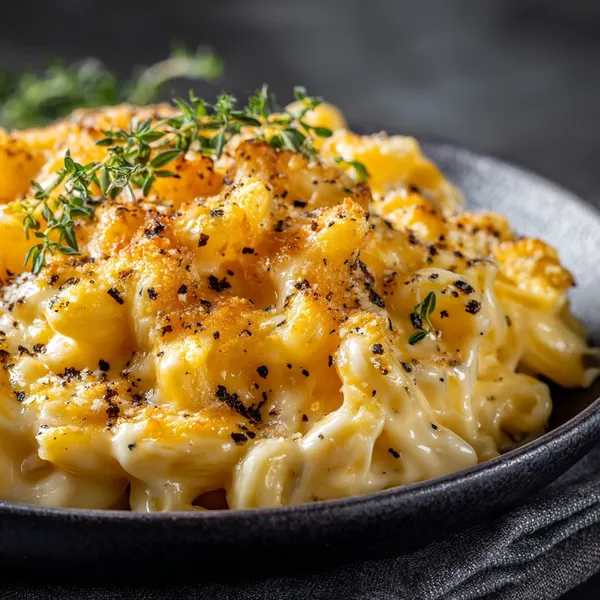
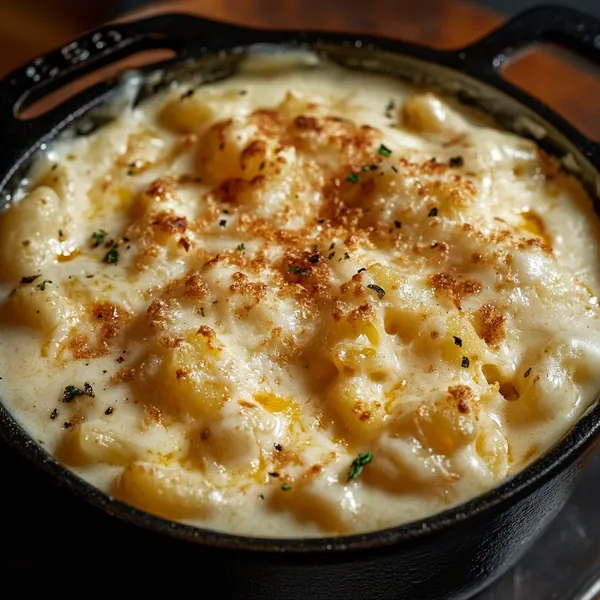
Tuscan Mac and Cheese is a comforting fusion of creamy American comfort food and the vibrant flavors of Italy’s Tuscany region. By marrying rich cheeses, sun-dried tomatoes, fragrant herbs, and tender pasta, this dish elevates the classic mac and cheese to a sophisticated weeknight dinner or a crowd-pleasing party side. Its luscious sauce, studded with bursts of umami and balanced by fresh greens, offers a medley of textures and tastes that delight every palate. Whether you’re hosting friends or craving a cozy solo meal, Tuscan Mac and Cheese brings the essence of Tuscan trattorias into your home kitchen. In this guide, you’ll discover not only the precise steps to achieve a silky sauce and perfectly al dente pasta, but also insight into ingredient selection, flavor layering, and expert tips to customize the recipe. Let’s embark on a culinary journey that transforms humble macaroni into an indulgent, herb-infused masterpiece.
Defining Tuscan Mac and Cheese
Tuscan Mac and Cheese takes the familiar components of macaroni, cheese, and milk, then infuses them with hallmark ingredients of Tuscany: olive oil, garlic, sun-dried tomatoes, and aromatic herbs. Unlike the pure cheesiness of traditional American mac and cheese, the Tuscan version balances creamy richness with bright, earthy notes. Sun-dried tomatoes introduce concentrated sweetness and tang, while fresh spinach or kale contributes a touch of green vibrancy. Herbs such as rosemary, thyme, and basil lend piney and floral undertones that echo the rolling hills and herb gardens of Tuscany. The choice of cheeses—often a blend of fontina, mozzarella, and Parmigiano-Reggiano—ensures both meltability and depth of flavor. Together, these elements create a layered dish that maintains the soul-soothing qualities of classic mac and cheese, yet resonates with the rustic elegance of Italian cucina.
Historical Background and Origins
Macaroni and cheese traces its roots back to medieval Europe, where simple pasta and cheese casseroles appeared in Italian cookbooks as early as the 13th century. A recipe resembling modern mac and cheese was published in England in the 18th century before Thomas Jefferson introduced it to America after encountering similar dishes in Paris and northern Italy. Over time, Americans embraced the creamy, cheesy casserole, turning it into a national comfort food staple. Separately, Tuscan cuisine evolved in central Italy’s Tuscany region, celebrated for its use of high-quality olive oil, garden-fresh vegetables, aged cheeses, and minimalistic preparation that highlights natural flavors. In recent decades, chefs and home cooks have combined these traditions—using Italian-seasoned oils, sun-dried or fresh produce, and regional cheeses—to craft a “Tuscan” interpretation of mac and cheese. This hybrid honors both the heartwarming familiarity of the American original and the refined simplicity of Tuscan fare, making it a modern classic in its own right.
Flavor Profile and Culinary Influences
Tuscan Mac and Cheese features a harmonious balance of creamy, tangy, herbaceous, and slightly sweet notes. The cheese sauce provides rich, velvety comfort, while sun-dried tomatoes add concentrated umami and bright acidity. Olive oil and garlic infuse the base with savory depth, and fresh herbs such as basil or thyme lend aromatic freshness. Spinach or kale contributes a mild vegetal bitterness that cuts through the richness. Influences stem from both American comfort cooking and Italian rustic traditions, resulting in a dish that feels indulgent yet balanced, familiar yet novel.
Core Ingredients Overview
Ideal Tuscan Mac and Cheese relies on high-quality components. Choose a short pasta—such as cavatappi, penne, or elbow macaroni—to capture sauce in every bite. For cheese, blend a smooth, melty variety like fontina or mozzarella with a sharper cheese—Parmigiano-Reggiano or Pecorino Romano—for depth. Sun-dried tomatoes, preferably oil-packed, lend sweetness and tang. Fresh spinach or kale boosts color and nutrition. Aromatics include garlic sautéed in extra-virgin olive oil, seasoned with salt, pepper, and optional red pepper flakes. A classic roux of butter and flour, combined with warm milk or cream, yields the silky sauce. Together, these ingredients form a cohesive ensemble that embodies both creamy indulgence and Tuscan brightness.
Ingredient Spotlight: Sun-Dried Tomatoes
Sun-dried tomatoes are prized for their intense, concentrated flavor, which adds a sweet-tart contrast to the cheese sauce. Opt for oil-packed varieties, as they rehydrate more readily and infuse additional olive oil richness. Before use, drain and pat dry, then chop into bite-sized pieces. If using dry-packed tomatoes, soak in warm water or broth for 10–15 minutes to rehydrate, then drain thoroughly. Incorporate them into the sauce just before combining with pasta to distribute their flavor without losing their chewy texture. Their natural acidity cuts through the creaminess, while their umami depths elevate the overall savory profile.
Ingredient Spotlight: Cheese Varieties
Selecting the right cheese balance is crucial for both flavor and texture. Fontina melts smoothly, creating a creamy base, while mozzarella contributes stringy, gooey appeal. For sharper notes, add grated Parmigiano-Reggiano or Pecorino Romano, which also enhances savory complexity. A small amount of goat cheese or ricotta can introduce tangy undertones and silkiness. Grate cheeses fresh to avoid additives and ensure optimal melt. Aim for roughly 60% melting cheese and 40% hard cheese by weight for perfect cohesion. Adjust proportions to taste—more sharp cheese for bite, more melters for creaminess.
Ingredient Spotlight: Spinach & Herbs
Fresh spinach or baby kale provides vibrant color, dietary fiber, and a mild vegetal flavor that complements the rich cheese sauce. Wilt the greens gently by stirring them into the hot sauce until just softened; avoid overcooking to prevent sogginess. For herbs, choose fragrant fresh basil, rosemary, or thyme. Strip leaves from woody stems and chop finely. Stir most of the herbs into the sauce for integrated aroma, reserving a pinch for sprinkling on top. Dried herbs may be used sparingly, but fresh herbs deliver the true essence of Tuscany’s herb gardens.
Step-by-Step Recipe Instructions
-
Prep Ingredients (50 words)
Bring a large pot of salted water to a boil. Meanwhile, grate 6 ounces fontina, 4 ounces mozzarella, and 2 ounces Parmigiano-Reggiano. Drain and chop ⅓ cup oil-packed sun-dried tomatoes. Rinse and roughly chop 4 cups fresh spinach. Mince 2 cloves garlic and finely chop 1 tablespoon fresh rosemary. -
Cook Pasta (40 words)
Add 12 ounces elbow macaroni or cavatappi to boiling water. Cook 1–2 minutes shy of al dente (about 7 minutes), stirring occasionally. Drain well and return pasta to the pot. Drizzle with 1 tablespoon olive oil to prevent sticking, then set aside. -
Make the Roux (60 words)
In a medium saucepan over medium heat, melt 2 tablespoons unsalted butter. Stir in 2 tablespoons all-purpose flour and cook for 1 minute until bubbly and pale golden. Slowly whisk in 2 cups warm whole milk (or half-and-half) until smooth. Continue whisking for 3–4 minutes, until the mixture thickens to coat the back of a spoon. -
Build the Cheese Sauce (80 words)
Reduce heat to low. Remove the sauce from the heat and stir in the grated cheeses in three additions, whisking until fully melted before each addition. Season with ½ teaspoon kosher salt, ¼ teaspoon freshly ground black pepper, and a pinch of red pepper flakes. Stir in the minced garlic and chopped rosemary. Fold in the chopped sun-dried tomatoes and wilted spinach until evenly distributed. -
Combine and Transfer (40 words)
Pour the hot cheese sauce over the reserved pasta in the pot. Gently stir until every piece is coated. Transfer the mixture into a 9×13-inch baking dish, smoothing the top for even baking. -
Bake or Finish Stovetop (80 words)
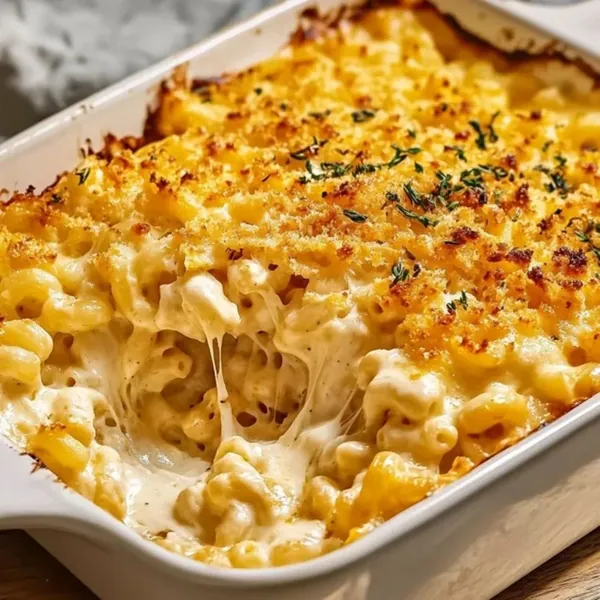
For a baked finish, preheat the oven to 375°F (190°C). Top with ¼ cup panko breadcrumbs tossed with 1 teaspoon olive oil and a light sprinkle of Parmesan. Bake 15–18 minutes until golden and bubbling. For a stovetop finish, cover and cook over very low heat for 5 minutes, then uncover and broil on high for 2–3 minutes until the topping is crisp. Let rest 5 minutes before serving to thicken and set.
Expert Tips & Common Mistakes
• Temperature control: Add cheese off-heat to prevent graininess.
• Overbaking: Watch the oven; remove when sauce bubbles to avoid dryness.
• Pasta timing: Undercook by 1–2 minutes; it’ll finish cooking in the oven.
• Liquid balance: Don’t skimp on milk; too-thick roux yields a gummy sauce.
• Cheese quality: Freshly grated cheeses melt smoother than pre-shredded.

Variations & Substitutions
• Protein add-ins: Brown 8 ounces Italian sausage or pancetta and stir in before baking.
• Gluten-free option: Use a 1:1 gluten-free flour blend for the roux and GF pasta.
• Dairy-free alternative: Swap milk for cashew cream and cheese for nutritional yeast plus dairy-free shreds.
• Vegetable boosts: Fold in roasted red peppers, artichoke hearts, or mushrooms for extra flavor.
• Herb variations: Substitute thyme or sage for rosemary to change the aromatic profile.
Serving Suggestions & Pairings
• Wine match: A crisp Vermentino or medium-bodied Chianti complements richness.
• Salad pairing: Serve with a simple arugula salad dressed in lemon vinaigrette.
• Antipasti board: Include marinated olives, prosciutto slices, and crostini.
• Bread side: Offer grilled garlic bread or focaccia to sop up sauce.
• Presentation: Garnish with fresh basil leaves and a light dusting of Parmigiano.
Nutritional Information Overview
Per serving (1¼ cups): ~520 calories, 22 g fat, 53 g carbohydrates, 18 g protein, 900 mg sodium. To lighten, reduce cheese by 25% and increase spinach volume, or substitute half the milk for low-fat.
Frequently Asked Questions
What makes mac and cheese “Tuscan”?
Tuscan Mac and Cheese incorporates key Tuscany ingredients—olive oil, garlic, sun-dried tomatoes, fresh herbs, and Italian cheeses—adding herbaceous and tangy notes to the classic creamy dish.
Can I prepare it ahead of time?
Yes. Assemble and refrigerate up to 24 hours before baking. Bring to room temperature for 30 minutes, then bake as instructed, adding a few extra minutes if still cold.
Which cheeses work best?
Ideal melts include fontina or mozzarella, balanced with sharp cheeses like Parmigiano-Reggiano or Pecorino Romano. A small amount of goat cheese or ricotta adds tang and silkiness.
How can I keep it creamy when reheating?
Reheat in a covered skillet over low heat, adding a splash of milk or cream. Stir gently until warmed through, then finish under a broiler for a fresh crust.
Is there a gluten-free version?
Absolutely. Use gluten-free pasta and substitute the roux with a gluten-free flour blend or cornstarch slurry. Ensure all other ingredients—like breadcrumbs—are GF.
Conclusion
Tuscan Mac and Cheese transforms a beloved comfort staple into an elegant, flavor-packed dish that bridges American indulgence and Italian rusticity. With its creamy cheese sauce, vibrant sun-dried tomatoes, and aromatic herbs, it’s perfect for weeknight dinners, family gatherings, or special occasions. The recipe’s flexible framework lets you tailor proteins, vegetables, and cheeses to your taste or dietary needs. Whether you bake it golden or finish it stovetop with a crisp topping, each bite delivers the sunny essence of Tuscany. Embrace this recipe as a canvas for creativity, and share your personalized twists with friends—cooking is all about community and discovery. Enjoy!
Tuscan Mac and Cheese
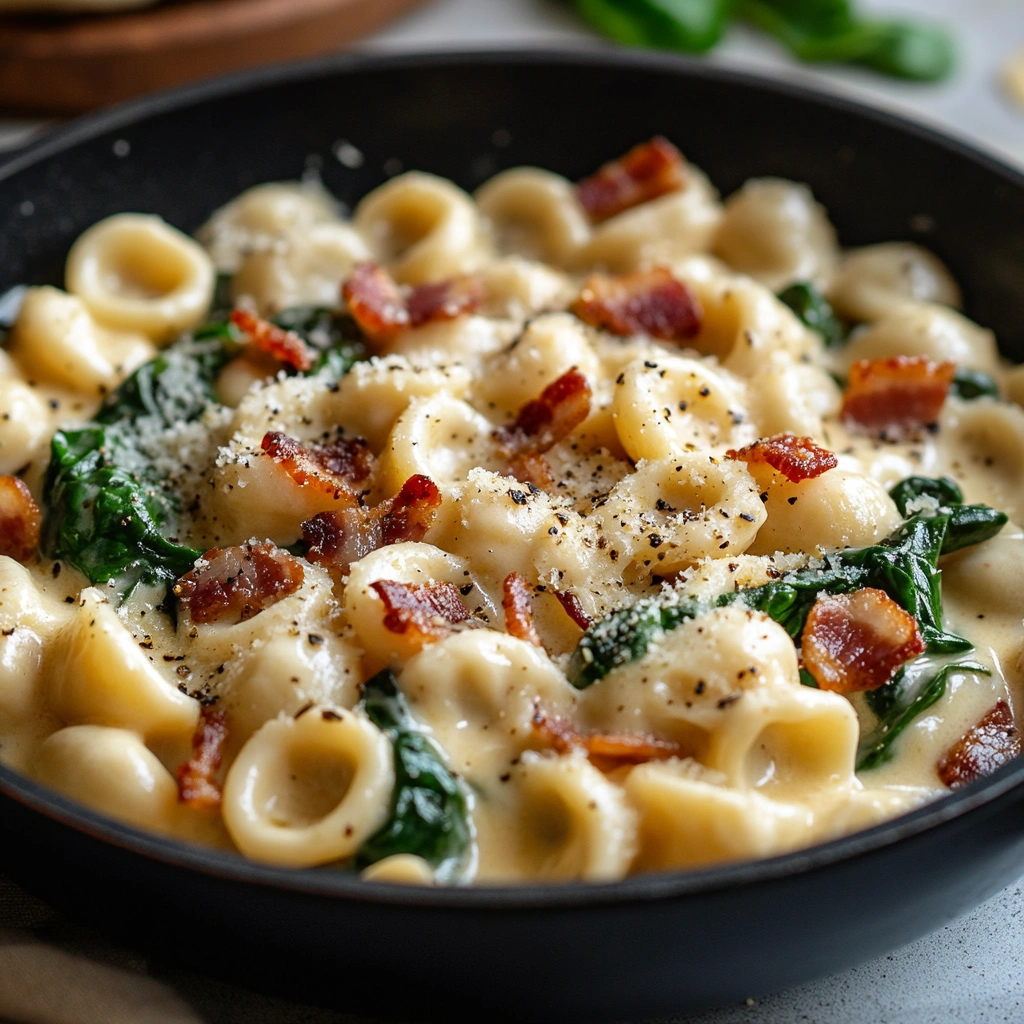
Elevate your weeknight dinner or next gathering with this Tuscan-style Mac and Cheese, where classic creamy comfort meets the bright, herb-infused flavors of central Italy. Tender pasta is enveloped in a velvety cheese sauce made from fontina, mozzarella, and Parmigiano-Reggiano, then studded with tangy sun-dried tomatoes and vibrant fresh spinach. Garlic-scented olive oil and aromatic rosemary deepen the savory profile, while a crisp panko–Parmesan topping adds textural contrast. Whether baked until bubbling and golden or finished briefly under the broiler for extra crunch, each bite delivers a harmonious balance of richness, acidity, and herbal freshness. Perfect for a cozy family dinner, potluck contribution, or as a luxurious side dish alongside grilled meats and salads, this recipe is as versatile as it is indulgent—and it’s easily customized with proteins, vegetables, or dietary substitutions to suit your preferences.
Ingredients
- 12 ounces elbow macaroni or pasta of choice
- 2 tablespoons butter
- 2 tablespoons all-purpose flour
- 2 cups milk (whole or 2%)
- 1 cup shredded mozzarella cheese
- 1 cup shredded sharp cheddar cheese
- ½ cup grated Parmesan cheese
- 1 cup fresh spinach, chopped
- ½ cup sundried tomatoes, chopped (oil-packed or dry, rehydrated)
- 1 teaspoon garlic powder or 2 cloves fresh minced garlic
- 1 teaspoon Italian seasoning
- Salt and freshly ground black pepper to taste
Instructions
- Cook macaroni according to package directions until al dente. Drain and set aside.Melt butter in a medium saucepan over medium heat. Stir in flour and cook 1-2 minutes until lightly golden.Gradually whisk in milk, stirring constantly until sauce thickens, about 5 minutes.Remove from heat and stir in mozzarella, cheddar, and Parmesan until melted and smooth.Add garlic powder, Italian seasoning, salt, and pepper. Stir in chopped spinach and sundried tomatoes.Combine cheese sauce with cooked pasta, mixing well.Transfer to a baking dish if desired and bake at 350°F (175°C) for 15-20 minutes until bubbly and golden. Alternatively, serve immediately.