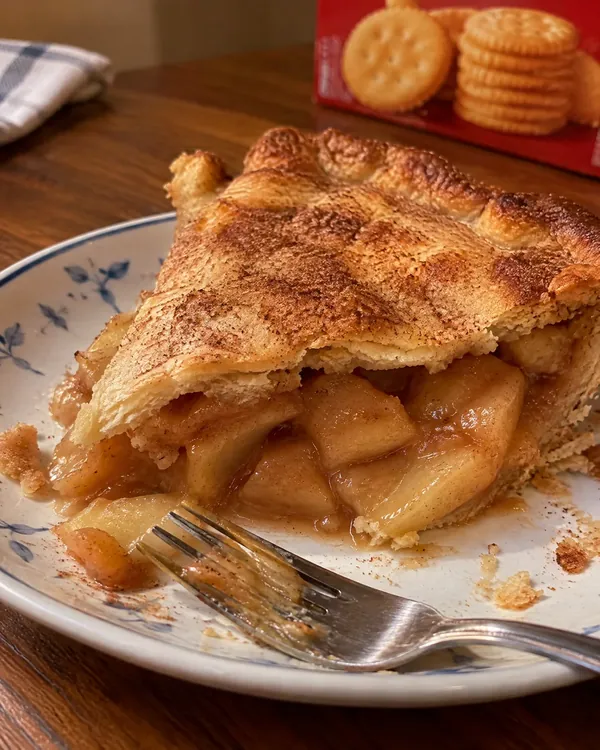
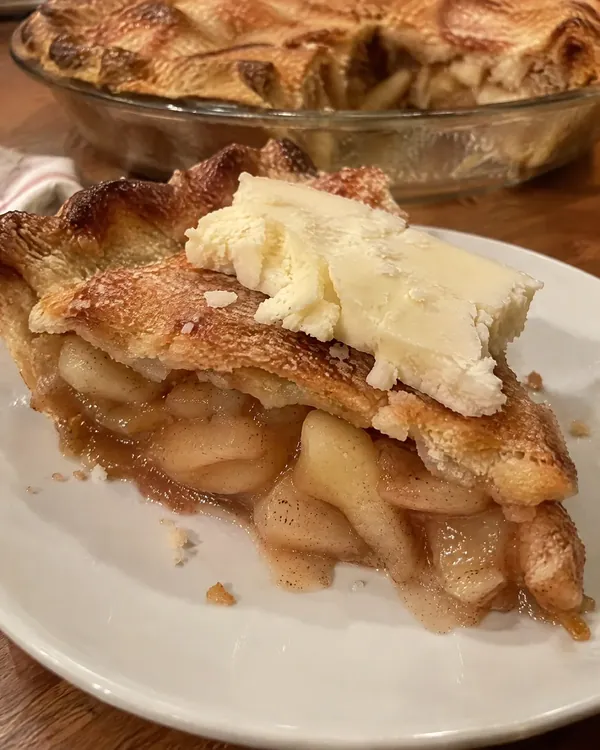
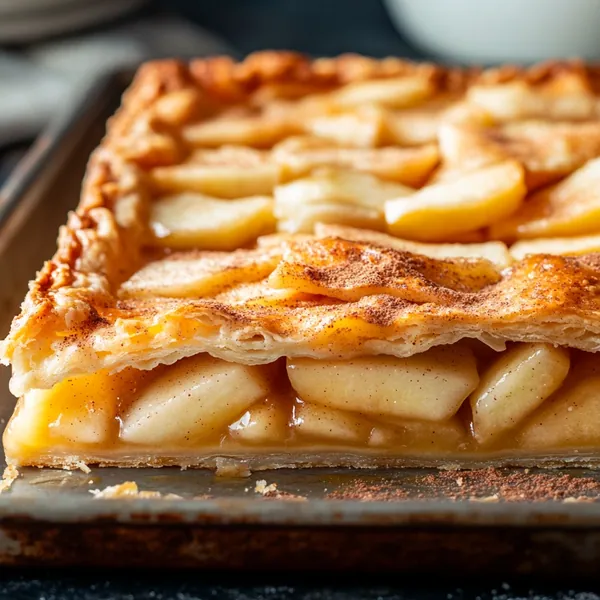
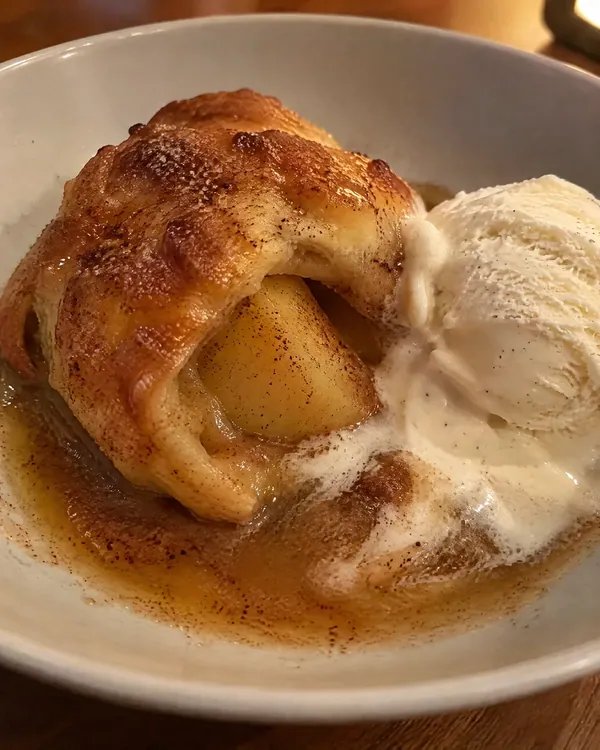
Apple pie has long been a symbol of comfort, home, and American tradition. Though its origins can be traced back to European roots, particularly in England and the Netherlands, the classic apple pie as we know it has become a staple in American kitchens. Often associated with holidays like Thanksgiving, Fourth of July, and family gatherings, a traditional apple pie evokes nostalgia through its rich aroma, golden flaky crust, and warm spiced filling.
What sets traditional apple pie apart is its simplicity. It focuses on using wholesome ingredients—fresh apples, sugar, cinnamon, and butter—encased in a buttery, homemade crust. There’s nothing overly complex or fancy; instead, the goal is balance: sweet but not cloying, tart but not sour, flaky yet sturdy.
For many, baking an apple pie is a rite of passage. Whether passed down from grandparents or discovered through trial and error, the process of crafting this dessert by hand is deeply satisfying. Unlike store-bought versions, a homemade apple pie offers a deeper flavor and texture, often enhanced with personal touches. In this article, we’ll walk through how to make a traditional apple pie from scratch, with everything from the crust to the filling covered in detail.
What Makes It a ‘Traditional’ Apple Pie?
A traditional apple pie is characterized by its straightforward ingredients and classic double-crust design. Unlike modern variations that might include caramel drizzles, crumb toppings, or exotic spices, the traditional version sticks to the basics: tart apples, sugar, flour, cinnamon, nutmeg, lemon juice, and a flaky, buttery crust.
What truly defines the traditional apple pie is the method. The apples are usually peeled, sliced, and mixed with sugar and spices before being layered into a homemade crust. The pie is then topped with a second crust—either solid with slits or woven into a lattice—sealed and baked until golden brown and bubbling.
This classic dessert avoids artificial thickeners or shortcuts, relying on natural fruit juices and flour or cornstarch to bind the filling. The end result is a pie that celebrates the natural sweetness and tartness of apples without overwhelming them, delivering a warm, spiced flavor in every bite.
Best Apples for Apple Pie
Choosing the right apples is crucial for the perfect traditional apple pie. Ideally, you want apples that maintain their shape during baking and offer a balance of sweet and tart flavors. Granny Smith apples are a popular choice due to their firm texture and tart flavor, which contrasts well with sugar and spices.
However, many bakers prefer to use a combination of apples for depth and complexity. Mixing Granny Smith with Honeycrisp, Braeburn, or Jonagold apples adds natural sweetness and a more rounded apple flavor. Honeycrisp apples, in particular, are known for their juicy, crisp bite and slightly floral sweetness.
Avoid apples that become too soft or mealy when baked, such as Red Delicious or Macintosh. These can break down too much and result in a mushy filling. The key to a great apple pie is to use apples that hold their structure while releasing just enough juice to make the filling moist and flavorful.
Essential Tools & Equipment
To make a traditional apple pie from scratch, you’ll need a few basic kitchen tools. A sturdy rolling pin is essential for evenly rolling out your pie crust. A 9-inch pie dish, preferably glass or ceramic, ensures even baking and a golden bottom crust.
You’ll also need an apple peeler and corer to prepare your fruit quickly and evenly. A pastry cutter or food processor will help you blend the butter into your flour for the crust. Optional but helpful tools include a pastry brush for egg wash and a pie shield or foil to prevent the edges from over-browning during baking.
Traditional Apple Pie Ingredients List
Here’s a comprehensive list of ingredients for a traditional apple pie that serves 8:
For the crust:
-
2 ½ cups all-purpose flour
-
1 teaspoon salt
-
1 cup (2 sticks) unsalted butter, chilled and cut into cubes
-
6–8 tablespoons ice water
For the filling:
-
6–8 medium apples (Granny Smith, Honeycrisp, or a mix), peeled and sliced
-
¾ cup granulated sugar
-
¼ cup brown sugar (optional for richer flavor)
-
2 tablespoons all-purpose flour or cornstarch
-
1 teaspoon ground cinnamon
-
¼ teaspoon ground nutmeg
-
1 tablespoon lemon juice
-
Pinch of salt
Optional topping:
-
1 egg, beaten (for egg wash)
-
1 tablespoon granulated sugar (for sprinkling)
This ingredient list ensures a well-balanced, flavorful pie with a flaky crust and perfectly spiced apple filling.

How to Make Homemade Pie Crust from Scratch
Making pie crust from scratch is easier than it seems and makes a significant difference in taste and texture. Start by combining 2 ½ cups of all-purpose flour and 1 teaspoon of salt in a large bowl. Cut in 1 cup of cold, unsalted butter using a pastry cutter or food processor until the mixture resembles coarse crumbs with pea-sized bits of butter remaining.
Next, add ice water one tablespoon at a time (6 to 8 tablespoons total), gently mixing with a fork or your hands after each addition. Stop adding water once the dough begins to hold together but isn’t sticky. Be careful not to overwork the dough, as this can lead to a tough crust.
Divide the dough into two equal parts, shape into disks, and wrap each in plastic wrap. Chill in the refrigerator for at least one hour. Chilling helps the gluten relax and the butter to firm up, both essential for a flaky crust.
When ready to use, roll out one disk on a floured surface into a 12-inch circle for the bottom crust. Carefully transfer it to a 9-inch pie plate and gently press it into place. Roll out the second disk for the top crust or lattice topping after adding the filling.
This homemade crust should be tender, crisp, and slightly buttery—perfectly complementing the sweet, spiced apple filling.
Making the Apple Pie Filling
Preparing the filling is one of the most important steps in making a traditional apple pie. Start by peeling, coring, and thinly slicing 6 to 8 medium apples. Keep the slices uniform in size to ensure even baking. Place the sliced apples in a large mixing bowl and toss them with ¾ cup of granulated sugar, ¼ cup of brown sugar (optional for added depth), 1 teaspoon of cinnamon, ¼ teaspoon of nutmeg, and a tablespoon of lemon juice to prevent browning and enhance flavor.
To help thicken the filling, add 2 tablespoons of all-purpose flour or cornstarch. This prevents the pie from becoming too runny during baking. Let the mixture sit for 10 to 15 minutes. This resting time allows the apples to release some of their natural juices, which can then be slightly drained or thickened in the baking process.
Some bakers prefer to sauté or simmer the apple mixture briefly before adding it to the crust. Pre-cooking helps reduce excess moisture and softens the apples slightly, ensuring a well-textured pie. Whether raw or pre-cooked, the key is balance—maintaining a filling that is sweet, slightly tart, and spiced just enough to complement the buttery crust without overpowering the apples.
Assembling the Pie
Once your crust and filling are ready, it’s time to assemble the pie. Begin by preheating your oven to 400°F (204°C). Roll out one disk of your chilled pie dough on a floured surface to about a 12-inch circle. Carefully transfer it into a 9-inch pie dish, gently pressing it into the base and sides without stretching the dough.
Pour the apple filling into the crust, spreading it evenly. Try to avoid adding too much excess liquid from the filling bowl, as it can lead to a soggy bottom crust. Dot the filling with small cubes of butter (about 1–2 tablespoons total) for added richness.
Roll out the second dough disk and place it over the apples as a full top crust, or cut it into strips to create a lattice pattern. If using a full crust, cut a few small slits in the top to allow steam to escape. Seal the edges by pressing the top and bottom crusts together and crimping with your fingers or a fork.
Brush the top crust with a beaten egg and sprinkle with sugar for a golden, glossy finish. Place the assembled pie on a baking sheet to catch any drips and prepare for baking.
Baking Instructions & Temperature Guide
Bake the assembled apple pie in a preheated oven at 400°F (204°C) for 20 minutes. After 20 minutes, reduce the oven temperature to 375°F (190°C) and continue baking for another 30 to 40 minutes. The pie is done when the crust is golden brown and the filling is bubbling through the vents or lattice.
To prevent the crust edges from overbaking, use a pie crust shield or cover the edges loosely with aluminum foil during the first 30–40 minutes of baking. Remove the shield for the last 10–15 minutes to allow even browning.
Watch for signs of doneness: the filling should be visibly bubbling, which indicates the thickener has activated. If the crust browns too quickly but the filling isn’t done, tent the pie with foil to prevent burning while allowing the filling to finish cooking. Every oven varies slightly, so keep an eye on your pie in the final 10 minutes.

Cooling & Serving Tips
After baking, allow the apple pie to cool on a wire rack for at least two hours. This cooling time is essential for the filling to set properly; slicing too soon can result in a runny pie. For best results, let it cool to room temperature before serving.
Apple pie can be served warm, at room temperature, or chilled, depending on preference. It pairs beautifully with a scoop of vanilla ice cream, a dollop of whipped cream, or even a slice of sharp cheddar cheese for a savory-sweet contrast. Reheat slices briefly in the oven for a freshly baked texture.
Storage & Reheating Instructions
Store leftover apple pie covered at room temperature for up to two days. For longer storage, keep it refrigerated in an airtight container for up to five days. To freeze, wrap the pie tightly in plastic wrap and foil, and store for up to three months.
Reheat refrigerated or frozen pie in a 350°F (177°C) oven until warmed through—about 10 to 15 minutes for individual slices or 30 minutes for a whole pie. Avoid microwaving if possible, as it can make the crust soggy. For a crisp crust and warm filling, oven reheating is recommended.
Traditional Apple Pie Variations
While the traditional apple pie is beloved for its simplicity, there are a few popular variations that maintain its spirit while adding a twist. Dutch apple pie replaces the top crust with a sweet crumble topping made from flour, butter, and brown sugar. Caramel apple pie incorporates caramel sauce into the filling for a richer, sweeter flavor.
For dietary preferences, try a gluten-free crust made with almond or rice flour, or a vegan version using plant-based butter and egg substitutes. These variations keep the essence of apple pie while catering to modern tastes and needs.
FAQs Section
What is the best apple for apple pie?
Granny Smith apples are commonly recommended due to their tartness and firm texture. Mixing varieties like Honeycrisp or Jonagold adds sweetness and complexity.
How do you keep apple pie from getting soggy?
Drain excess juice from the filling, use a thickener like flour or cornstarch, and bake at the proper temperature to fully cook the crust.
Should I cook apples before putting them in pie?
Not necessarily. Raw apples work well, but pre-cooking them can help control moisture and create a thicker filling.
Why do you put lemon juice in apple pie?
Lemon juice prevents the apples from browning and balances the sweetness of the filling with a touch of acidity.
How long should you let apple pie cool before serving?
Let the pie cool for at least two hours so the filling can set. Slicing too early may result in a runny pie.

Traditional Apple Pie Recipe
This traditional apple pie recipe features a flaky, buttery homemade crust and a perfectly spiced apple filling made with fresh, crisp apples. Whether you’re baking for the holidays or craving a classic dessert, this step-by-step recipe delivers a comforting, homemade flavor that never goes out of style. Simple ingredients, clear instructions, and plenty of helpful tips make this the go-to recipe for beginners and seasoned bakers alike. Serve it warm with a scoop of vanilla ice cream or enjoy it plain—it’s delicious either way.
Ingredients
- 2 recipes Homemade Pie Crust (1 for bottom crust and 1 for lattice top)
- Egg wash: 1 egg beaten with 1 TB heavy cream (may sub milk)
- Optional: Coarse raw sugar for sprinkling on lattice topping
- 3 1/2 pounds Honeycrisp apples
- 1 1/2 pounds Granny Smith apples
- 2/3 cup packed light brown sugar
- 1/2 cup granulated sugar
- 1/3 cup + 1 TB all-purpose flour
- 2 tablespoons lemon juice, divided
- 1 1/2 teaspoons ground cinnamon
- 1/2 tsp EACH ground ginger, ground nutmeg, allspice
- 1/8 teaspoon salt
- 1 teaspoon vanilla extract
Instructions
- The Apple Pie Filling can be made at any time and refrigerated until ready to add to the pie pan. See Note/Warning if using a glass pie pan before you begin.
- Make the Pie Dough: Prepare one pie crust recipe through step 6 under Make Dough (click HERE for the recipe.) Prepare the second pie crust through step 2 under Roll Dough using a standard 9-10-inch pie pan (1 1/2-inches deep).
- Make the Bottom Pie Crust: Lightly brush the bottom and sides of the crust in the pan (not edges that will be fluted) with the egg wash. Reserve the egg wash in the refrigerator for later. Tip: I find it easiest to add the egg wash after the pie dough has firmed up a bit, so I place the pie in the freezer for 20 minutes. After adding the egg wash, immediately cover the pie and refrigerate it while you prep the rest of the recipe (at least 45 minutes up to 5 days before baking).
- Roll Out the Dough for the Lattice Top: Place a large piece of parchment paper on a baking sheet and generously dust with flour. Roll the dough disc into a rough 11×11-inch rectangle on the parchment paper. At this point, I cover and freeze the dough (on the baking sheet) for 20-30 minutes for easier/cleaner slices.
- Make the Lattice Strips: After chilling, use a ruler and a pizza cutter, pastry wheel, or sharp knife to cut the dough into 1-inch-wide strips. Cover with plastic wrap and freeze for 30 minutes or refrigerate for up to 24 hours for MUCH easier-to-handle lattices. When you’re ready to use the lattices, make the apple pie filling first:
- Slice the apples: Peel the apples and make 4 slices around the core to remove it. Lay the 4 remaining apple segments, cut side down, on a cutting board, and slice into 1/8-inch slices. Transfer the apples to a large Dutch oven as you go to keep the workspace clean.
- Apple pie filling: Add the sugars, flour, 1 tablespoon of lemon juice, and spices to the sliced apples and set over medium heat. Gently stir until evenly coated. Cover and cook for 15-20 minutes, stirring every couple minutes and replacing the lid. The apples are done when they reach YOUR desired apple pie tenderness – they will not become more tender in the oven. They should be fork-tender but still hold their shape. (They will not become mushy when baked; see the science behind it in the post.) Once tender, stir in the remaining 1 tablespoon of lemon juice and the vanilla.
- Cool the Apples: Line a rimmed baking sheet with parchment paper or a silicone baking mat for easy cleanup. Transfer the apples and their caramel juices to the baking sheet. Pop the pan in the fridge or freezer to cool to room temperature for about 25 minutes.
- Assemble: Once the apples have cooled, transfer them and the sauce to the chilled pie shell, rearranging and layering them horizontally to compact.
- Weave the Lattice Top (See Post for Photos): If the strips become too stiff to work with, let them rest on the counter for 10 minutes. Start by laying five horizontal strips evenly spaced over the pie (center the middle strip). Fold the first, third, and fifth horizontal strips back and place a vertical strip on the left side. Unfold the first, third, and fifth strips over the perpendicular strip and fold the second and fourth strips back. Add a second vertical strip, then unfold the second and fourth strip. Repeat the process for a total of ten strips, five running in each direction.
- Make the Edges: Press the edges of the strips into the edges of the crust to seal. Flute, crimp, or create whatever edge design you prefer. Lightly brush the edges and the lattice top with the egg wash. Sprinkle the lattice top (avoid the edges) with coarse sugar if using.
- Refrigerate: Chill the unbaked pie for 30 minutes. Don’t skip this step—it will help the crust not shrink unless you have a glass pie pan. Then, bake without chilling, or the pan can shatter (see Notes).
- Preheat the Oven: Immediately after transferring the pie to the fridge, place a baking sheet on the bottom rack of your oven and preheat the oven to 425 degrees F so the baking sheet can get very hot.
- Bake: Transfer the chilled pie to the rimmed baking sheet. Bake at 425 degrees F for 25 minutes (keep an eye on the crust so it doesn’t become too brown). Reduce the heat to 375 degrees F and continue to bake for 35-45 minutes or until the filling is bubbling around the edges (if you don’t wait for it to bubble, your filling will be runny). Cover the edges with a pie shield or the top with foil if they are browning too quickly.
- Cool: Transfer the pie to a cooling rack and let it rest for 4 hours to cool to room temperature so the filling can set. You can pop the pie in the fridge or freezer to speed up the cooling process. The pie can rest at room temperature for up to 2 days or be refrigerated for up to 5.
- Reheat: After the pie has cooled, you can reheat/refresh it in the oven. Tent the pie with foil and place it in a cold oven. Turn the oven to 375 degrees F, and when the preheat bell dings, leave the pie in for another 10-15 minutes or until warmed.