In this article
In a Southern kitchen, grits were not breakfast food and not a side dish. They were what was on the table, morning and evening, the way potatoes are further north. A pot sat on the back burner with the lid on, and whatever else was cooking, eggs at seven or fried fish at six, went next to a spoonful of grits.
The sugar question comes up every time this dish leaves the South, so we will settle it plainly. In the South, grits are savory: cooked in salted water, finished with butter, eaten with salt and pepper, with eggs, cheese, gravy or shrimp. Sugar and milk go on oatmeal. It is a matter of geography, not of taste, and the two dishes simply grew up in different places. If your family eats them sweet, that version is in the variations below.
What actually matters is the grits and the time. Instant grits are precooked and dried, and they turn to paste in five minutes because they have nothing left to give. Stone-ground or old-fashioned grits are whole dried corn broken coarse, and they need 30 to 45 minutes of slow cooking to swell, soften and give up the starch that makes the pot creamy. There is no hurrying that, only a low flame, a lid and a spoon.
Why this Southern grits works
- Stone-ground or old-fashioned, never instant. Coarse whole corn has starch and flavor to release over a long cook. Instant grits were cooked once already and can only go soft, never creamy.
- Four to one. Four cups of salted liquid to one cup of grits gives them room to swell without ever cooking dry.
- Whisked into boiling water. A slow stream and a moving whisk keep them from clumping; the pale hulls that float up are chaff, skimmed away.
- Low heat, a lid and the spoon. Thirty to 45 minutes on the lowest flame, stirred from the bottom every few minutes, is what turns grit into cream and keeps the pot from scorching.
Ingredients
Serves 4 as a breakfast bowl, 6 as a side. The measurements are in US cups with grams in brackets.
- 4 cups water (960ml), or 2 cups water and 2 cups whole milk (480ml each)
- 1 teaspoon fine salt, plus more to taste
- 1 cup stone-ground or old-fashioned grits (160g), white or yellow, not instant and not quick
- 3 tablespoons unsalted butter (42g), plus more for the bowls
- Freshly ground black pepper
The bag should say stone-ground or old-fashioned and give a cooking time of 20 minutes or more. Anything that promises five minutes has been cooked already. Yellow grits taste a little more of corn; white grits are the old Lowcountry habit. Both work the same way.
How to make Southern grits
- Bring the water, or the water and milk, and the salt to a boil in a heavy saucepan of at least 2 quarts. A thin pot will scorch the bottom over a long simmer.
- Pour the grits in slowly in a steady stream, whisking the whole time so they do not clump, and keep whisking for a minute as the pot comes back to a boil. Skim off any pale hulls that float to the top.
- Turn the heat as low as the stove will go and set the lid on, a little ajar so it does not boil over. If the pot is spitting, the heat is too high.
- Every 5 minutes or so, take the lid off and stir with a wooden spoon, scraping the bottom and corners where the grits settle and stick. This is the whole job.
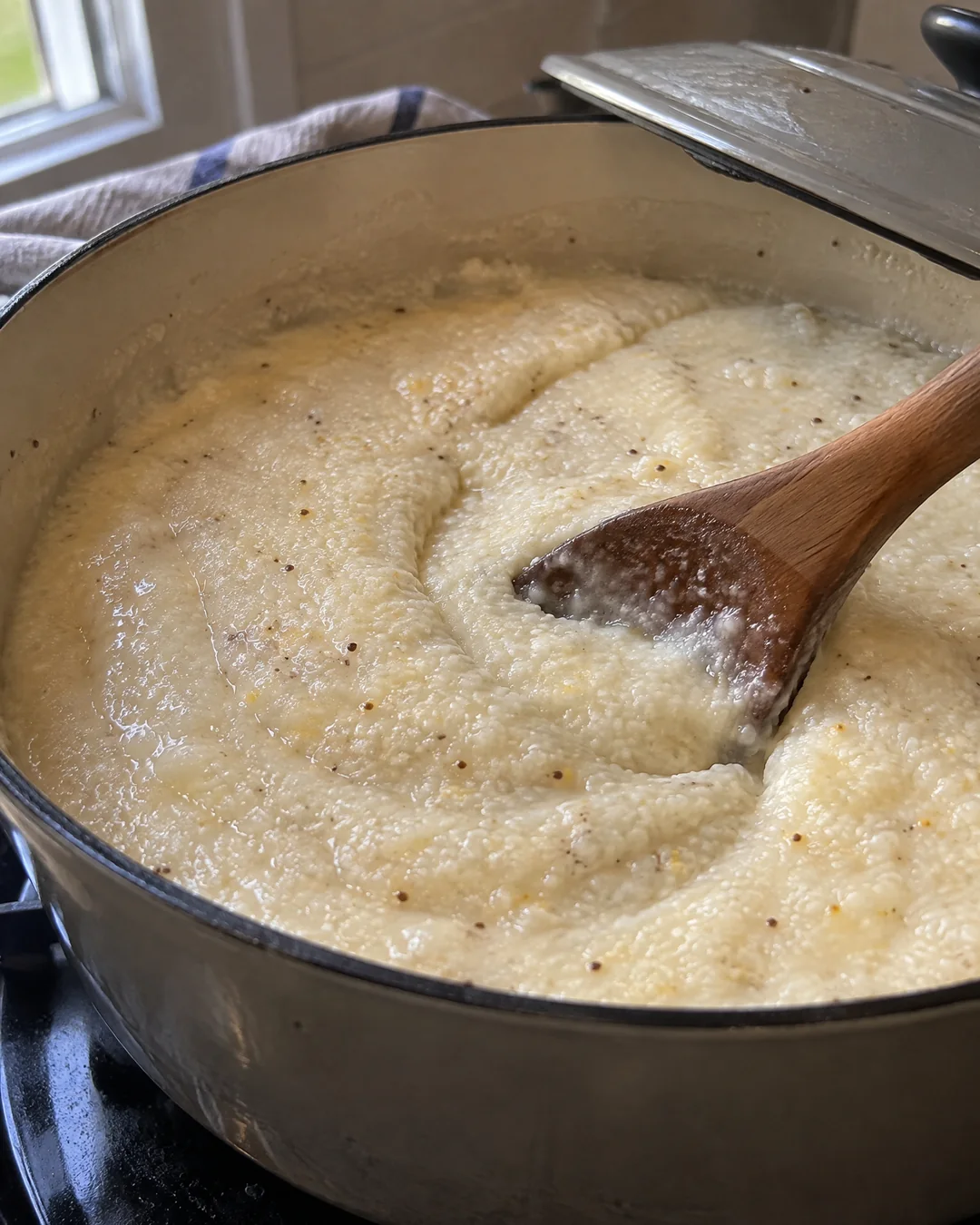
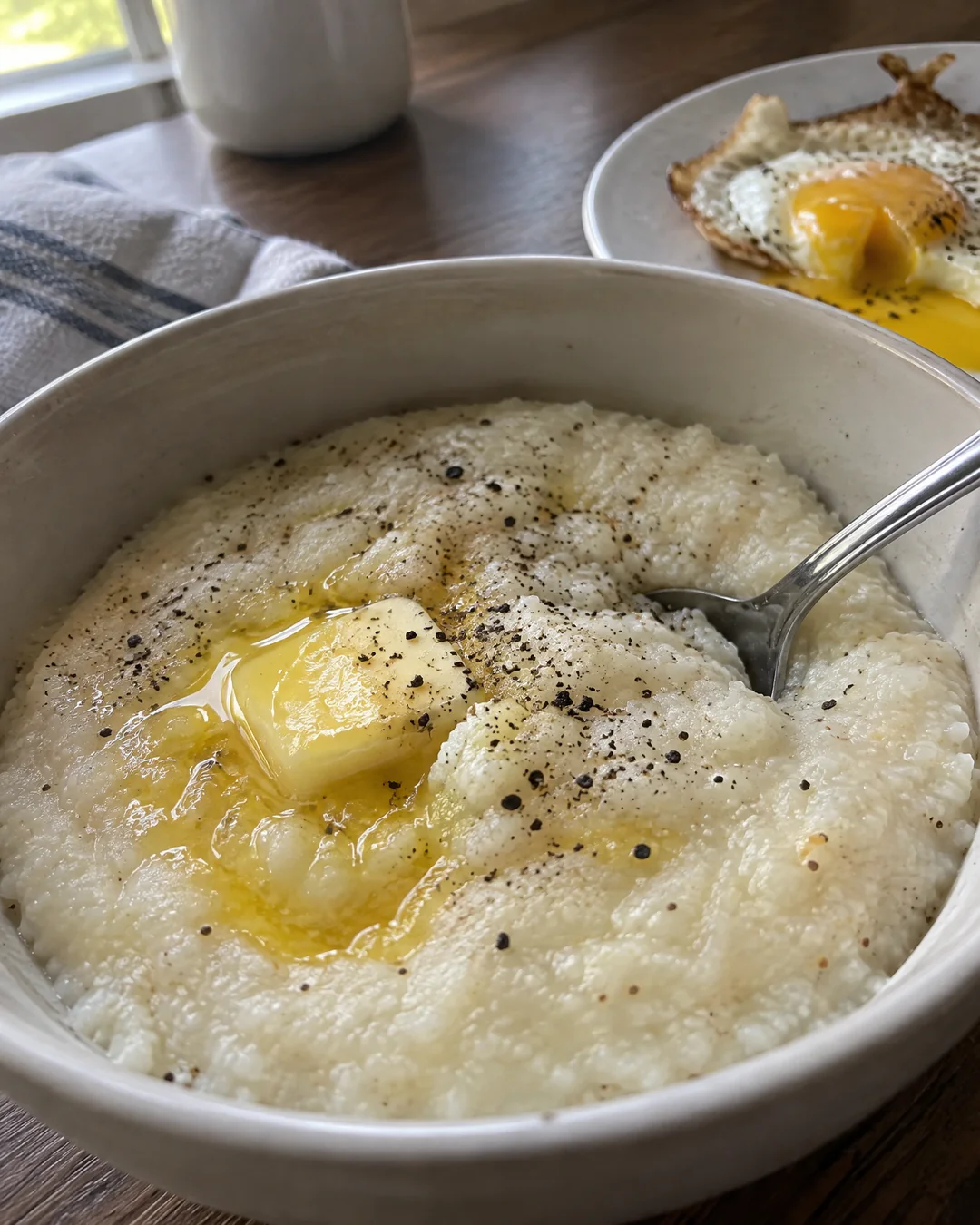
- Cook for 30 to 45 minutes in all. If the pot gets too thick to stir before the grits are tender, add hot water or milk a quarter cup at a time. They are done when they are thick and creamy, hold on a spoon, and a taste finds no hard bits, only a soft, slightly nubby texture.
- Take the pot off the heat. Add the butter and stir until it disappears completely. Taste, and add salt until the grits taste of themselves. Grits need more salt than you think.
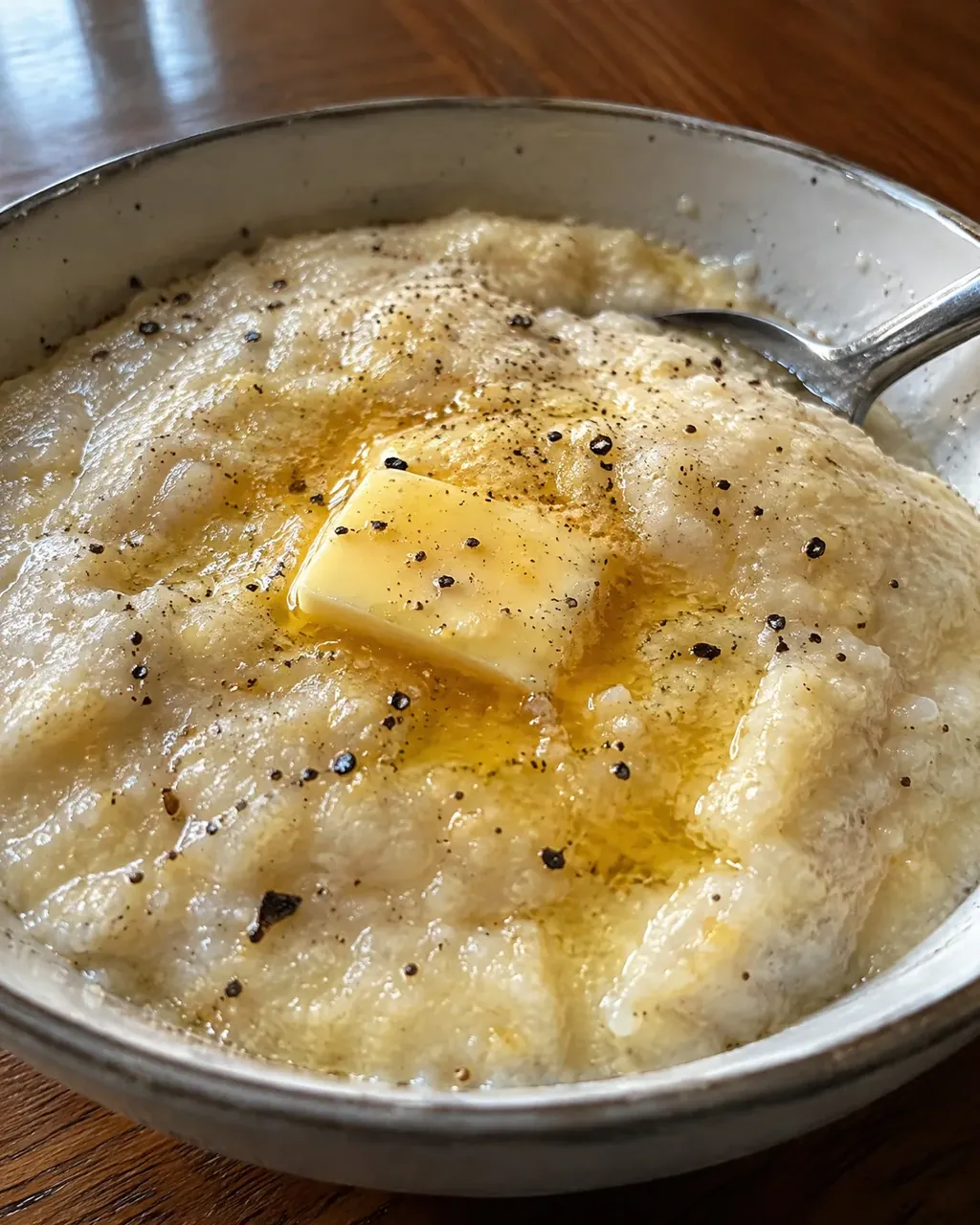
- Serve hot in warmed bowls with a good grind of black pepper and another pat of butter on top. Eggs go on the side, and the yolk gets broken into the grits.
Tips that make the difference
- Keep the lid on between stirs. It holds the steam in and keeps the top from drying into a skin.
- Thin them with hot liquid, never cold, which drops the temperature and can make the pot seize.
- Grits keep thickening as they sit. If they will wait for the eggs, take them off the heat a little looser than you want them.
- Salt at the end as well as the beginning. Grits absorb a surprising amount, and most bland grits are simply undersalted.
Variations
- Sweet grits. For the families who grew up this way, cook them in half water and half milk, leave out the pepper, and finish each bowl with butter, a spoonful of sugar or honey and a splash of cold milk.
- Cheese grits. Stir in 1 cup grated sharp cheddar (115g) with the butter, off the heat. The supper version, with fried fish or fried chicken.
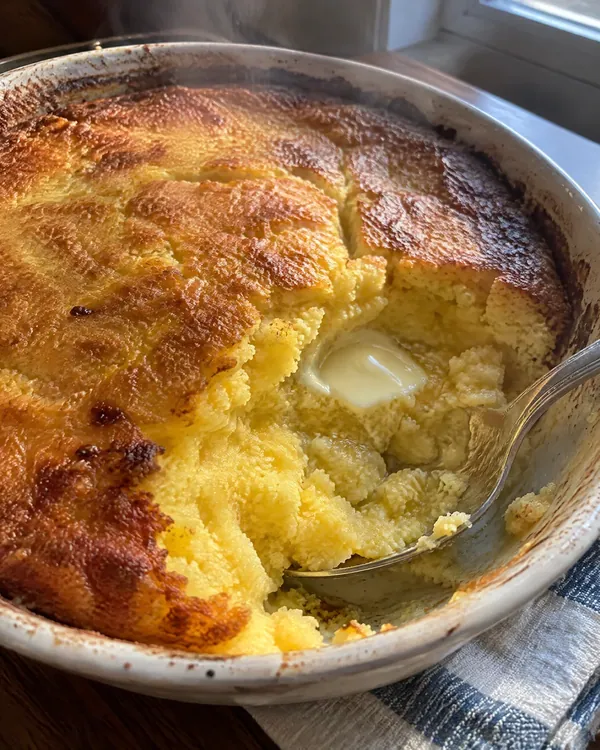
- Baked cheese grits. Beat 2 eggs into the finished cheese grits, pour into a buttered 2-quart dish and bake at 350°F for 35 to 40 minutes until set. The potluck version.
- Shrimp and grits. Spoon savory grits into shallow bowls and top with shrimp cooked quickly in butter with garlic, a little lemon and chopped scallion.
Storage and make-ahead
Grits keep in a covered container in the refrigerator for 4 days. They set firm and solid when cold, which is normal.
To reheat, warm them in a saucepan over low heat with a splash of milk or water, stirring and breaking them up, until creamy again. They come back almost exactly as they were.
Leftover grits have a second life. Pour them hot into a buttered loaf pan, chill overnight, slice 1/2 inch thick and fry the slices in butter until crisp. Fried grits with eggs is a breakfast some people prefer.
Frequently asked questions
Do Southern grits have sugar in them?
Not in the pot, no. Southern grits are cooked in salted water and eaten with butter, salt and pepper, or with cheese, eggs, gravy or shrimp. Sweetened grits are a real habit in some families, and that version is in the variations, but it is a different dish.
What is the difference between stone-ground, old-fashioned, quick and instant grits?
Stone-ground grits are whole dried corn broken coarse with the germ left in; they take 30 to 45 minutes or more. Old-fashioned grits are milled a little finer and take 20 to 30 minutes. Quick grits are ground fine and take 5 to 10 minutes, acceptable but pasty. Instant grits are precooked and dried and will never turn creamy.
Why are my grits lumpy or gritty?
Lumpy grits went into the water too fast or without whisking. Gritty grits were simply not cooked long enough; keep the heat low, add a little hot water and give them another 10 minutes. Very coarse stone-ground grits can take an hour.
Can I cook grits in milk?
Yes, half water and half milk is a common Southern habit and makes a richer, softer bowl. All milk scorches more easily and hides the corn flavor.
Buy the slow kind, whisk them into boiling salted water, keep the flame low and the spoon moving, and finish with butter. What goes on top after that is between you and where you were raised.
Southern Grits (Stone-Ground, Slow, and No Sugar)
Real Southern grits: stone-ground or old-fashioned grits, never instant, whisked into salted boiling water and stirred low and slow for 30 to 45 minutes until creamy, then finished with butter, salt and pepper. The sugar question answered plainly.
Ingredients
- 4 cups water
- 1 teaspoon fine salt, plus more to taste
- 1 cup stone-ground or old-fashioned grits (160g), white or yellow, not instant and not quick
- 3 tablespoons unsalted butter (42g), plus more for the bowls
- Freshly ground black pepper
Instructions
- Bring the water, or the water and milk, and the salt to a boil in a heavy saucepan of at least 2 quarts. A thin pot will scorch the bottom over a long simmer.
- Pour the grits in slowly in a steady stream, whisking the whole time so they do not clump, and keep whisking for a minute as the pot comes back to a boil. Skim off any pale hulls that float to the top.
- Turn the heat as low as the stove will go and set the lid on, a little ajar so it does not boil over. If the pot is spitting, the heat is too high.
- Every 5 minutes or so, take the lid off and stir with a wooden spoon, scraping the bottom and corners where the grits settle and stick. This is the whole job.
- Cook for 30 to 45 minutes in all. If the pot gets too thick to stir before the grits are tender, add hot water or milk a quarter cup at a time. They are done when they are thick and creamy, hold on a spoon, and a taste finds no hard bits, only a soft, slightly nubby texture.
- Take the pot off the heat. Add the butter and stir until it disappears completely. Taste, and add salt until the grits taste of themselves. Grits need more salt than you think.
- Serve hot in warmed bowls with a good grind of black pepper and another pat of butter on top. Eggs go on the side, and the yolk gets broken into the grits.