In this article
- What Is Slow Cooker Peanut Chicken?
- Benefits of Using a Slow Cooker
- Key Ingredients & Substitutions
- Equipment You’ll Need
- Step-by-Step Cooking Method
- Flavor Variations & Add-Ins
- Side Dishes & Serving Ideas
- Make-Ahead, Storage & Freezing
- Nutritional Information & Health Tips
- Troubleshooting Common Issues
- Frequently Asked Questions
- Conclusion & Next Steps
Slow Cooker Peanut Chicken is the ultimate weeknight hero: a hands-off meal that marries tender chicken with a creamy, savory peanut sauce. Over the past decade, slow cooker recipes have surged in popularity among busy home cooks, driven by the promise of “set it and forget it” convenience without sacrificing flavor. This particular dish brings together influences from Thai and African peanut stews, offering a harmonious balance of salty, sweet, and subtly spicy notes. Whether you’re juggling work deadlines, family commitments, or simply craving a comforting dinner, Slow Cooker Peanut Chicken delivers a restaurant-quality experience with minimal effort.
In this article, you’ll discover everything you need to master this recipe: from selecting the best ingredients and equipment, to customizing flavors and troubleshooting common issues. You’ll learn how to play with textures—choosing between chicken breasts or thighs, stirring in crunchy peanuts or silky smooth peanut butter—and explore add-ins like fresh vegetables and aromatic herbs. We’ll also walk you through step-by-step instructions for assembling and cooking, as well as tips for storing, reheating, and serving. By the end, you’ll be equipped to write your own slow cooker masterpiece, impress guests, and simplify your dinner routine. Let’s dive into the world of Slow Cooker Peanut Chicken!
What Is Slow Cooker Peanut Chicken?
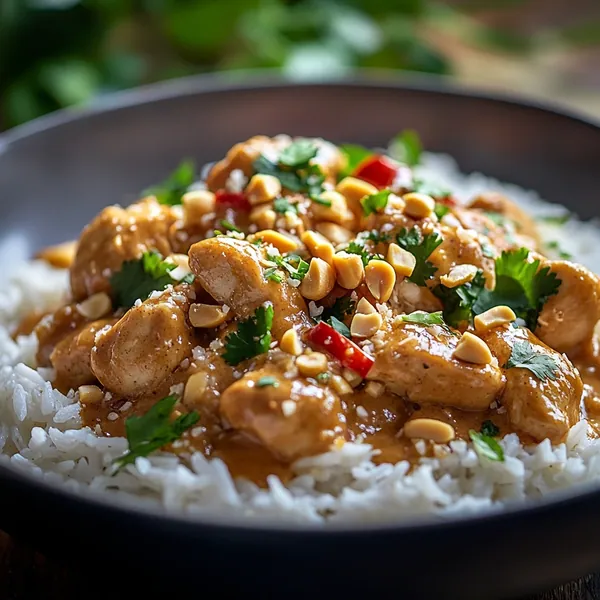
Slow Cooker Peanut Chicken is a comfort dish that simmers chicken pieces in a rich, creamy sauce made primarily from peanut butter, broth, and seasonings. The slow cooker—also known as a Crock-Pot—allows the chicken to cook gently over several hours, resulting in meat so tender it practically falls apart. The base sauce typically combines smooth or crunchy peanut butter with soy sauce (or tamari), garlic, ginger, and sometimes coconut milk, creating a flavor profile that’s simultaneously nutty, savory, and slightly sweet.
Though peanut-based stews have long roots in West African and Southeast Asian cuisines, this adaptation is specifically tailored for the convenience of a slow cooker. Rather than standing over a hot stovetop, you layer ingredients into the pot, set the timer, and let the appliance do the work. During cooking, the flavors meld: the peanuts deepen into a complex nuttiness, aromatics like garlic and ginger soften, and any added vegetables (peppers, sweet potatoes, or greens) absorb the sauce. The result is a wholesome, one-pot meal that pairs beautifully with rice, noodles, or flatbreads. This dish’s popularity stems from its versatility, big-batch potential, and ability to satisfy diverse palates with minimal hands-on time.
Benefits of Using a Slow Cooker
The slow cooker’s main allure is its unparalleled convenience. By allowing you to combine ingredients and walk away for hours, it frees up time for work, errands, or leisure. This “set-it-and-forget-it” approach means fewer dishes and less active cooking time—ideal for busy families, meal preppers, or anyone who dislikes standing over a stove.
Beyond ease, slow cooking imparts unique textural benefits. The low, steady heat breaks down collagen in chicken thighs and even in leaner breasts, yielding ultra-tender meat that effortlessly shreds with forks. Flavors also develop more deeply: spices and aromatics mellow and integrate fully into the sauce, delivering a richer taste than quick-stovetop methods.
Nutritionally, slow cookers can help preserve heat-sensitive vitamins that might degrade under high-heat sautéing. They’re also energy-efficient: a slow cooker typically uses less electricity than an oven over the same period. For those watching their budget, it’s a smart way to transform inexpensive cuts of meat into gourmet-style dishes. Finally, its one-pot nature lends itself to large batches—perfect for batch cooking, leftovers, or feeding a crowd—making it an indispensable tool for modern kitchens.
Key Ingredients & Substitutions
-
Chicken
-
Breasts: leaner, milder flavor, can dry out if overcooked.
-
Thighs: higher fat content, more forgiving, yield juicier results.
-
-
Peanut Butter
-
Smooth: creates a silky sauce.
-
Crunchy: adds textural interest.
-
Substitution: almond butter for a different nut profile; sunflower seed butter for nut-free version.
-
-
Liquid Base
-
Broth: chicken or vegetable for depth of flavor.
-
Coconut Milk: for extra creaminess and subtle sweetness.
-
Substitution: water plus a bouillon cube, or dairy-free creamer.
-
-
Seasonings & Aromatics
-
Soy Sauce or Tamari: provides umami and salt; tamari for gluten-free option.
-
Garlic & Ginger: fresh or powdered.
-
Sweetener: brown sugar, honey, or maple syrup.
-
-
Thickener
-
Cornstarch Slurry: mix 1 Tbsp cornstarch with 1 Tbsp water.
-
Substitution: arrowroot powder or reduce sauce by cooking uncovered.
-
-
Optional Add-Ins
-
Vegetables: bell peppers, onions, sweet potatoes, spinach.
-
Heat: chili paste, Sriracha, or red pepper flakes.
-
Equipment You’ll Need
-
Slow Cooker/Crock-Pot: 4- to 6-quart capacity works for 4–6 servings.
-
Cutting Board & Knife: for chopping aromatics, veggies, and trimming chicken.
-
Measuring Cups & Spoons: ensure accurate proportions of peanut butter, liquids, and seasonings.
-
Mixing Bowl & Whisk: to combine sauce ingredients into a smooth emulsion before pouring.
-
Tongs or Slotted Spoon: for handling cooked chicken and vegetables.
-
Optional: sauté pan if you choose to brown chicken or aromatics before slow cooking.
Step-by-Step Cooking Method
-
Prep Ingredients (50 words)
Rinse and pat dry 1.5 lbs of chicken (breasts or thighs). Chop 1 medium onion, mince 3 garlic cloves, and grate a 1-inch piece of fresh ginger. If using vegetables, dice 1 bell pepper and peel and cube 1 medium sweet potato. -
Mix Sauce (75 words)
In a medium bowl, whisk together ½ cup smooth peanut butter, 1 cup chicken broth (or coconut milk), ¼ cup soy sauce (or tamari), 2 Tbsp brown sugar or honey, and 1 Tbsp lime juice (optional for brightness). Stir until fully combined and smooth. If you prefer a thinner sauce, add up to ¼ cup more broth. For a spicier kick, whisk in 1–2 Tbsp Sriracha or chili paste. -
(Optional) Sauté Aromatics & Chicken (75 words)
For deeper flavor, heat 1 Tbsp oil in a skillet over medium-high heat. Sear chicken pieces 2–3 minutes per side until lightly browned; transfer to slow cooker. Sauté onion, garlic, and ginger in the same pan until fragrant (about 1 minute), then add to the cooker. This step enhances flavor but can be skipped for true “dump-and-go” convenience. -
Assemble in Slow Cooker (75 words)
Layer chicken and any vegetables in the slow cooker insert. Pour the peanut sauce evenly over the top, ensuring all pieces are coated. Gently stir once to distribute ingredients without removing heat. Cover with the lid. -
Cook (50 words)
-
Low Setting: 4–6 hours for tender, shreddable chicken.
-
High Setting: 2–3 hours if you’re short on time. Avoid opening the lid during cooking to maintain temperature.
-
-
Finish & Thicken (75 words)
Remove chicken and shred with two forks on a cutting board or in the pot. Return shredded chicken to the sauce. If the sauce is too thin, whisk 1 Tbsp cornstarch with 1 Tbsp water and stir into the hot sauce; cook on high, uncovered, for 10–15 minutes to thicken. Taste and adjust seasoning: add salt, more lime juice, or sweetener as desired. -
Serve (50 words)
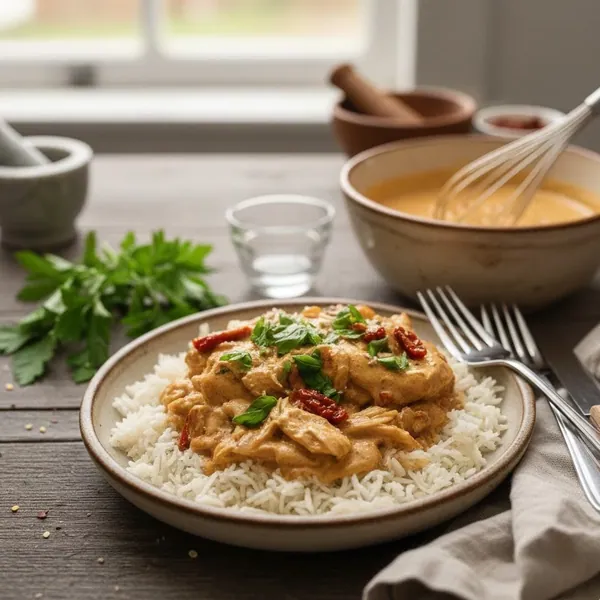
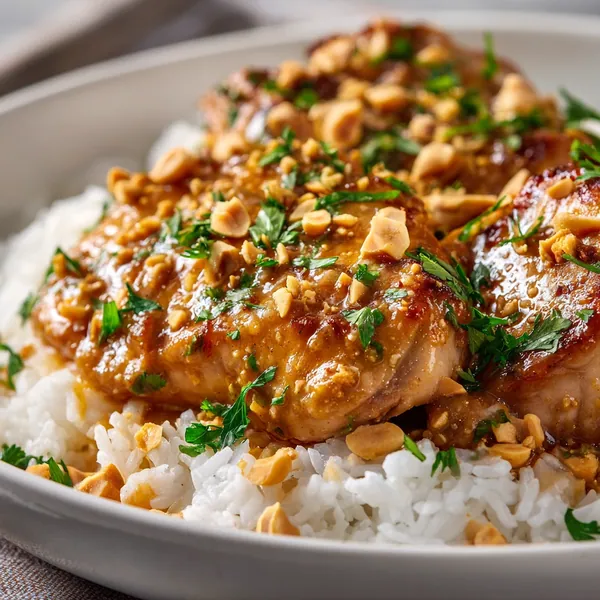
Spoon the peanut chicken over steamed rice, rice noodles, or warm flatbreads. Garnish with chopped cilantro, sliced green onions, and a sprinkle of crushed peanuts for crunch. Offer lime wedges or chili flakes on the side for extra acidity and heat. Leftovers keep well in an airtight container for up to 4 days.

Flavor Variations & Add-Ins
To keep Slow Cooker Peanut Chicken fresh and exciting, experiment with these flavor twists and mix-ins:
1. Spicy Kick
Elevate the heat level by stirring in 1–2 tablespoons of chili paste (such as sambal oelek) or Sriracha when you whisk together the sauce. For a smoky undertone, add ½ teaspoon of smoked paprika. If you prefer whole-chile textures, toss in 1–2 chopped fresh Thai chilies or a pinch of red pepper flakes on top just before serving.
2. Veggie Boosters
Turn this dish into a complete one-pot meal by adding vegetables with different cook times:
-
Hardier veg: Sweet potato cubes or carrot slices added at the start will soften alongside the chicken.
-
Tender greens: Spinach, kale, or Swiss chard stirred in during the last 15 minutes wilts perfectly without overcooking.
-
Bell peppers & onions: Diced peppers and onion rings can go in at the beginning or halfway through for a bit of crunch.
3. Protein Swaps & Extras
-
Tofu or Tempeh: For a vegetarian variation, replace chicken with 14 oz extra-firm tofu cubes or tempeh strips; reduce cooking time by 30 minutes.
-
Shrimp: Add peeled, deveined shrimp in the final 30 minutes on “high” for a seafood twist.
-
Legumes: Stir in a can of drained chickpeas or black beans in the last hour for extra fiber and protein.
4. Flavor Accents
Finish with a squeeze of fresh lime juice and a handful of chopped cilantro to brighten the rich sauce. Toasted sesame oil (½ teaspoon) drizzled over each serving adds an aromatic nutty layer. A small spoonful of fish sauce can deepen the umami if you’re craving a Thai-style profile.
Side Dishes & Serving Ideas
Rice & Grains
-
Steamed Jasmine or Basmati Rice: The classic pairing; its fragrant grains absorb the creamy peanut sauce.
-
Brown Rice or Quinoa: Boosts fiber and adds a nuttier chew that complements the dish’s richness.
-
Couscous or Pearl Barley: Offer unique textures and soak up sauce beautifully.
Noodles & Flatbreads
-
Rice Noodles: Soft, slippery strands make it feel like an Asian-fusion bowl.
-
Egg Noodles: Hearty and eggy; perfect for colder evenings.
-
Warm Flatbreads or Naan: Tear-and-dip style servings let guests scoop up every last drop of sauce.
Fresh Side Salads
-
Cucumber-Mint Salad: Thinly sliced cucumbers tossed with rice vinegar, mint, and a pinch of sugar cool the palate alongside the rich chicken.
-
Simple Slaw: Shredded cabbage, carrots, and red onion, dressed with lime juice and a dash of sesame oil, add crunch and acidity.
Garnishes & Condiments
Plate bowls with a scattering of chopped peanuts, sliced scallions, and cilantro sprigs. Offer lime wedges for squeezing and extra chili flakes or Sriracha on the side so each person can adjust heat and brightness to taste.
Make-Ahead, Storage & Freezing
Make-Ahead
Assemble the sauce and chop all ingredients the night before. Store the prepared chicken, veggies, and sauce separately in airtight containers in the refrigerator. In the morning, simply layer everything into the slow cooker and start the cycle.
Refrigeration
After cooking, cool the peanut chicken to room temperature within two hours. Transfer to sealed containers and refrigerate for up to four days. Reheat gently on low heat in a saucepan, stirring occasionally, or microwave in 1-minute intervals until warm.
Freezing
To freeze, divide portions into freezer-safe bags or containers, removing excess air to prevent ice crystals. Freeze for up to three months. Thaw overnight in the refrigerator before reheating. If the sauce has separated or thickened excessively, stir in a splash of broth or water while warming to restore a silky consistency.
Nutritional Information & Health Tips
A typical 1½-cup serving of Slow Cooker Peanut Chicken delivers approximately:
-
Calories: 450–550 kcal
-
Protein: 30–35 g
-
Fat: 25–30 g (depending on peanut butter and coconut milk)
-
Carbohydrates: 20–25 g (including 2–4 g fiber and 6–8 g sugar)
Lighten Up
-
Swap half the peanut butter for powdered peanut butter mixed with water to cut fat by up to 50%.
-
Use light coconut milk or omit it entirely, substituting extra broth.
-
Increase vegetables (bell peppers, greens) and reduce chicken by 25% to lower calories per serving.
Allergen & Dietary Notes
-
Peanuts: For tree-nut allergies, replace peanut butter with sunflower seed butter and omit crushed peanuts garnish.
-
Gluten: Use tamari or gluten-free soy sauce.
-
Vegan: Replace chicken with tofu or tempeh, use maple syrup instead of honey, and ensure your broth is vegetable-based.
Balancing Macros
Pair with high-fiber sides (brown rice or quinoa) and add leafy greens to increase micronutrient density and satiety. A small side salad can round out the meal while keeping calories in check.

Troubleshooting Common Issues
1. Sauce Too Thin
-
Whisk 1 tablespoon cornstarch with 1 Tbsp water to form a slurry; stir into hot sauce and cook on “high,” uncovered, for 10–15 minutes until thickened.
-
Alternatively, remove the lid for the last 20–30 minutes of cooking to reduce liquid by evaporation.
2. Sauce Too Thick or Pastelike
-
Stir in 2–4 tablespoons of warm broth or water until the desired consistency is reached.
-
Avoid adding extra peanut butter at the end, as this intensifies thickness.
3. Chicken Overcooked or Dry
-
Use chicken thighs instead of breasts, which are more forgiving.
-
Cook on the “low” setting rather than “high,” and check doneness 30 minutes before the minimum time.
-
If meat appears dry, shred and toss back into sauce immediately to rehydrate.
4. Undercooked Vegetables
-
Add quick-cooking vegetables (spinach, zucchini) in the last 30 minutes.
-
Harder veggies (sweet potatoes, carrots) should go in at the start or par-cooked.
5. Bland Flavor
-
Adjust seasoning at the end: a splash of lime juice brightens, a pinch of salt or 1 tsp fish sauce deepens umami, and a touch more sweetener balances acidity.
Frequently Asked Questions
Q1: Can I use natural peanut butter that separates?
Yes—stir the natural peanut butter thoroughly before measuring, and whisk it into the warm liquid base to ensure a smooth emulsion.
Q2: Is there a difference between cooking on high versus low?
Cooking on low (4–6 hours) yields more tender, juicy chicken. High (2–3 hours) works in a pinch but can lead to slightly drier meat if left too long.
Q3: What’s the best way to thicken the sauce without cornstarch?
Remove the lid and cook on high for 20–30 minutes to reduce liquid. Alternatively, stir in 2 Tbsp powdered peanut butter.
Q4: Can I leave the slow cooker unattended overnight?
It is safe to cook unattended, but avoid leaving perishable ingredients at “warm” for over two hours. Plan so that “warm” time is minimal, or switch it off when done.
Q5: How do I double the recipe for a larger crowd?
Use a 6- to 7-quart slow cooker. Double all ingredients but do not exceed the “max” fill line. Cooking time remains roughly the same, though it may extend by 30–45 minutes on low.
Conclusion & Next Steps
Slow Cooker Peanut Chicken is a versatile, crowd-pleasing meal that fits any schedule. With simple pantry staples and minimal hands-on time, you can customize flavors, boost nutrition, and troubleshoot common hiccups to achieve perfect results every time. Now that you have ingredient guides, detailed methods, and creative variations at your fingertips, gather your slow cooker and experiment with your favorite add-ins and sides. Don’t forget to share your culinary creations on social media, tag us, and sign up for our newsletter to receive more one-pot recipe ideas and meal-planning tips. Happy cooking!

Slow Cooker Peanut Chicken
Slow Cooker Peanut Chicken is a creamy, savory one-pot meal that combines tender chicken with a rich peanut sauce infused with garlic, ginger, and soy. Simply layer chicken, vegetables, and sauce ingredients into your slow cooker, set it on low, and let the flavors meld for hours. The result is a hands-off dinner that’s effortlessly customizable—add extra spice, swap in seasonal vegetables, or finish with a squeeze of lime. Serve over rice, noodles, or flatbread for a comforting weeknight supper that reheats beautifully and makes excellent leftovers.
Ingredients
- 1.5 lb chicken breasts
- 1 red bell pepper diced
- ½ large yellow onion diced
- 2 garlic cloves chopped
- ½ cup peanut butter creamy (or use crunchy, but with minimal ingredients)
- ½ cup chicken broth
- ¼ cup soy sauce
- 1 tablespoon honey
- 1 teaspoon sesame oil
- 1 teaspoon chili garlic paste
- 1 tablespoon lime juice
- 2 tablespoon cilantro chopped
Instructions
- Add the bell pepper, onion and garlic to the bottom of your slow cooker, then place the chicken breasts on top.
- In a bowl or glass measuring cup, whisk the peanut butter, chicken broth, soy sauce, honey, sesame oil, and chili garlic paste together.
- Pour the sauce over the chicken, then cook on HIGH for 2-3 hours or on LOW for 4-5 hours.
- Remove the lid, then stir in the lime juice and cilantro. Enjoy!