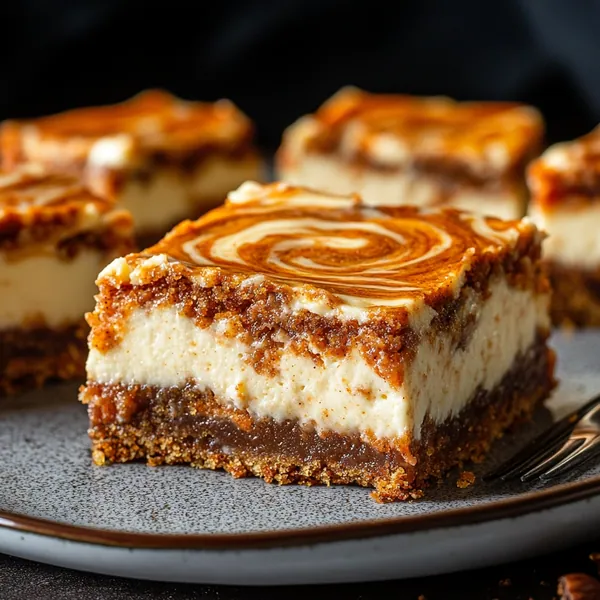
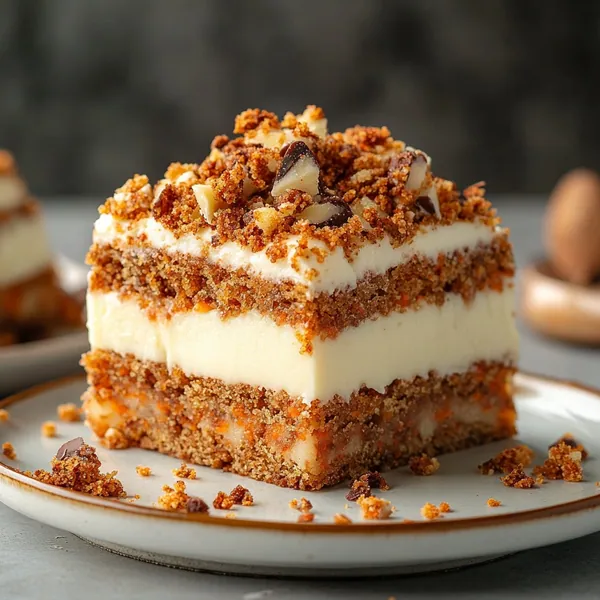
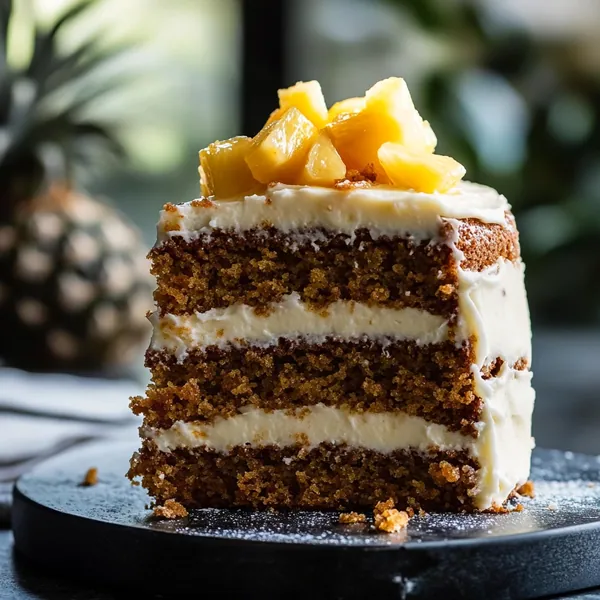
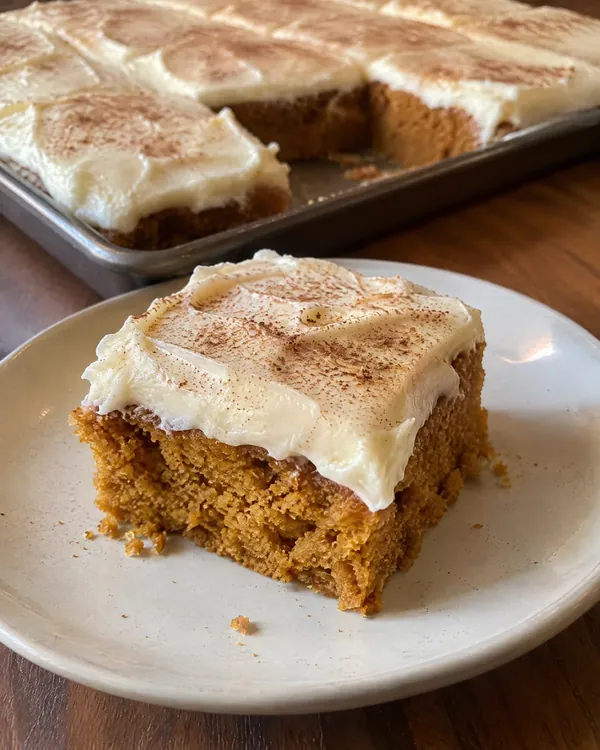
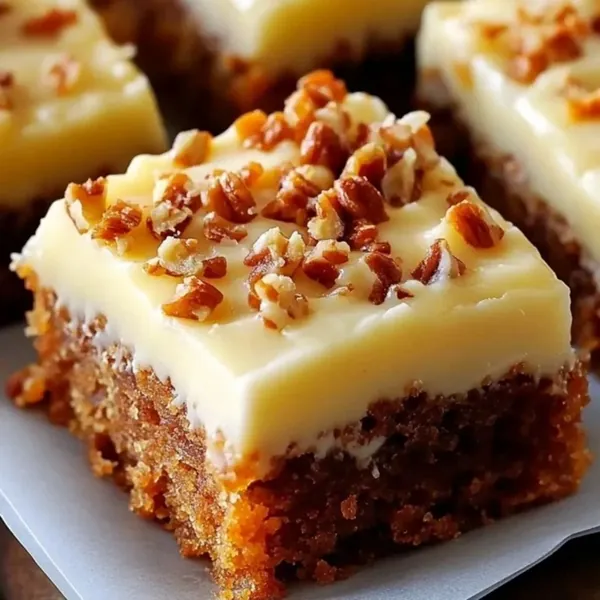
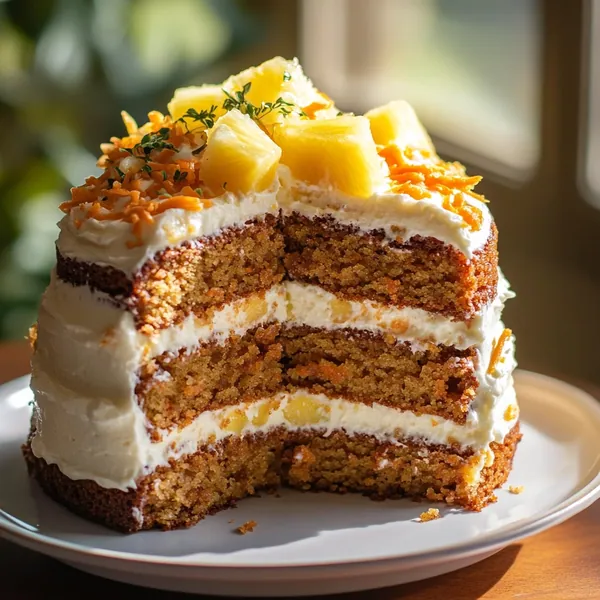
Sheet pan carrot cake bars are a simple, crowd-pleasing twist on the classic layered carrot cake. Baked flat in a rimmed sheet pan, these bars offer all the warm, spiced flavor and moist texture of traditional carrot cake, but with much less hassle. They’re perfect for potlucks, family gatherings, holiday desserts, or just a casual weekend treat. Instead of dealing with layers, crumb coats, and lengthy bake times, you get a quick-baking, easy-to-serve dessert that cuts neatly into individual portions. Whether you enjoy them plain or topped with a generous layer of cream cheese frosting, these bars are versatile and consistently delicious. Plus, they’re a great way to use up fresh carrots and pantry staples. From their ease of preparation to their nostalgic flavor, sheet pan carrot cake bars deliver comfort and convenience without sacrificing quality.
What Makes Sheet Pan Carrot Cake Bars Different?
Sheet pan carrot cake bars stand out for their simplicity and efficiency. Unlike a traditional carrot cake, which often requires layering, delicate frosting, and long baking times, these bars are designed for convenience. Baked in a large sheet pan, they cook faster and more evenly, making them ideal for busy home bakers or anyone who needs to serve a crowd. The result is a moist, dense bar with the familiar flavors of carrot cake—warm spices, sweet carrots, and optional mix-ins like nuts or pineapple—without the complexity.
Texture-wise, sheet pan bars have a slightly denser crumb, similar to a brownie or blondie, compared to the fluffier structure of a layered cake. This makes them easier to cut and transport. They’re also incredibly adaptable. Whether you’re adding a swirl of cream cheese frosting, folding in raisins, or using alternative flours for dietary needs, the sheet pan format is forgiving. These bars are often enjoyed as a snack, lunchbox treat, or quick dessert, and their informal, no-fuss presentation makes them suitable for both everyday and special occasions. It’s the perfect solution when you want the taste of carrot cake with half the effort.

Essential Ingredients & Substitutions
Creating the perfect sheet pan carrot cake bars starts with a handful of essential ingredients, many of which are pantry staples. At the heart of the recipe are freshly grated carrots, which provide moisture, sweetness, and texture. Avoid pre-shredded carrots, as they tend to be drier and less flavorful.
You’ll need all-purpose flour, though it can be swapped with a gluten-free 1:1 baking flour if needed. Brown sugar and granulated sugar work together to add depth and balance, with brown sugar contributing a subtle molasses flavor. Eggs provide structure, while vegetable oil ensures a moist crumb—though unsweetened applesauce can replace some or all of the oil for a lighter version.
Spices are key. Classic choices include cinnamon, nutmeg, and ginger. For a stronger spice profile, add clove or allspice. Vanilla extract rounds out the flavor.
Optional mix-ins let you customize your bars. Add crushed pineapple for extra moisture, chopped walnuts or pecans for crunch, or raisins for chewiness. Make sure mix-ins are evenly distributed to prevent soggy or overly dense areas.
For vegan baking, replace eggs with flax eggs and use plant-based cream cheese for the frosting. Dairy-free milks like almond or oat can also be used in recipes that require a bit of liquid. With these flexible ingredients, sheet pan carrot cake bars can be adapted to fit nearly any dietary preference.
How to Make Sheet Pan Carrot Cake Bars – Step-by-Step
Making sheet pan carrot cake bars is a straightforward process, but a few small tips can elevate the final result. Here’s a step-by-step guide to ensure your bars turn out moist, flavorful, and easy to slice.
1. Prepare the ingredients:
Start by peeling and finely grating the carrots. You’ll need about 2 to 2½ cups of packed grated carrots. Using a box grater or food processor ensures fine shreds that bake evenly. If you’re adding mix-ins like nuts or raisins, chop and measure them in advance.
2. Preheat the oven and prep your pan:
Preheat your oven to 350°F (175°C). Lightly grease a rimmed sheet pan (typically 10×15 inches or jelly roll pan) and line it with parchment paper for easy removal.
3. Mix the wet ingredients:
In a large bowl, whisk together eggs, oil (or applesauce), both sugars, and vanilla extract until smooth and fully combined.
4. Combine dry ingredients:
In a separate bowl, mix flour, baking powder, baking soda, salt, and spices. Slowly add the dry mixture into the wet mixture, stirring until just combined.
5. Fold in the carrots and mix-ins:
Gently fold in the grated carrots and any optional ingredients like nuts, pineapple, or raisins. Be careful not to overmix.
6. Spread the batter evenly:
Pour the batter into the prepared sheet pan and spread it into an even layer using an offset spatula or the back of a spoon.
7. Bake and cool:
Bake for 20–25 minutes, or until a toothpick inserted in the center comes out clean. Let the bars cool completely in the pan before frosting or cutting.
With these steps, you’ll have a pan of soft, spiced carrot cake bars ready for any occasion.
Cream Cheese Frosting: The Perfect Topping
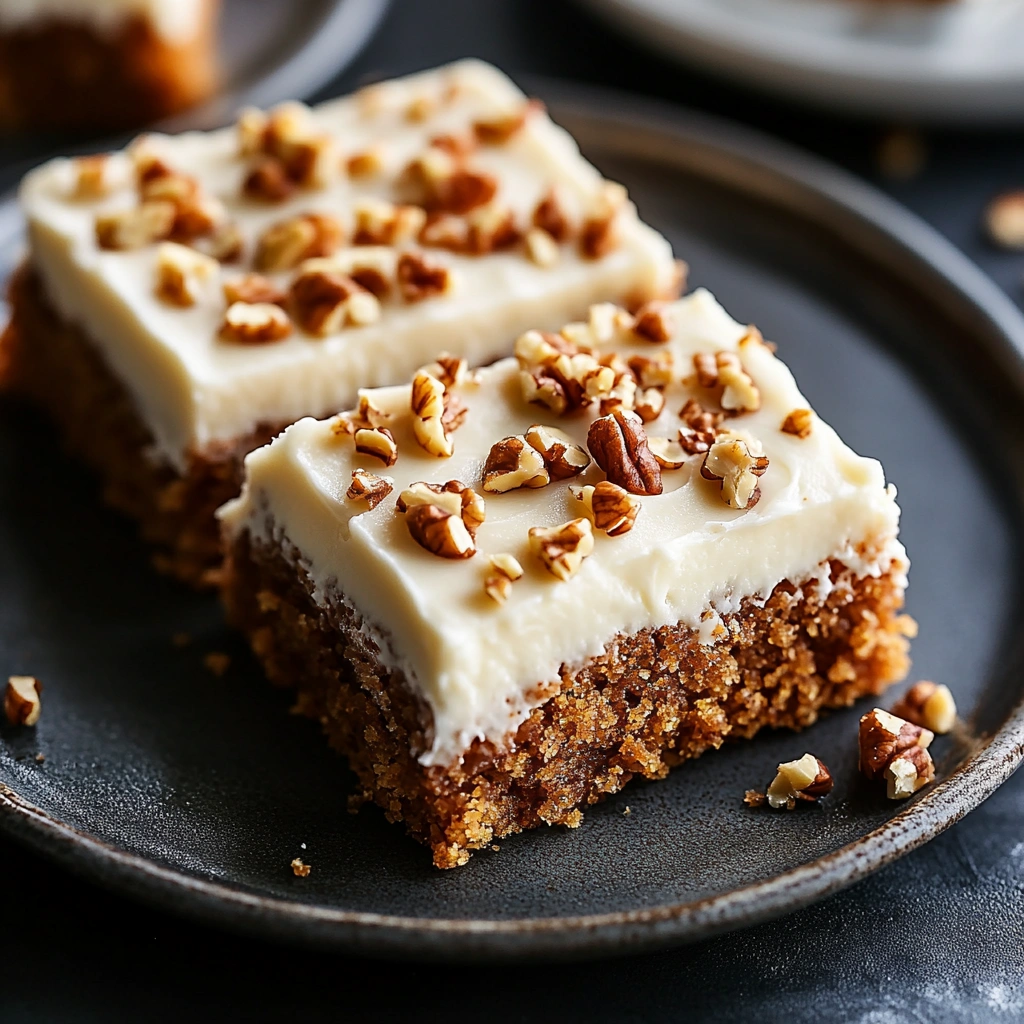
A thick layer of cream cheese frosting turns carrot cake bars from simple to irresistible. To make a classic version, beat together softened cream cheese, unsalted butter, powdered sugar, and vanilla extract until smooth and fluffy. For a flavor boost, add a dash of orange zest or a teaspoon of maple syrup. Spread the frosting over the cooled bars with an offset spatula for an even finish. If you prefer a thinner glaze, add a splash of milk to loosen the texture. For extra flair, sprinkle chopped nuts or a dusting of cinnamon on top before serving.
How to Store & Freeze Carrot Cake Bars
Proper storage is key to keeping your carrot cake bars moist and fresh. Once cooled and frosted, the bars should be stored in an airtight container in the refrigerator. They will stay fresh for up to 5 days when properly chilled. If your bars are unfrosted, you can store them at room temperature for 2 to 3 days, as long as they are in a sealed container and kept away from heat or direct sunlight.
To freeze carrot cake bars, it’s best to do so before frosting, though they can be frozen with frosting if properly wrapped. First, allow the bars to cool completely. Then cut them into individual portions and wrap each one tightly in plastic wrap, followed by a layer of aluminum foil or a freezer-safe bag. This double layer helps prevent freezer burn and maintains moisture.
When you’re ready to enjoy them, thaw the bars in the refrigerator overnight or at room temperature for a couple of hours. If they were frozen unfrosted, add the cream cheese frosting after thawing for best texture and flavor. Frozen bars are best consumed within 2 to 3 months for optimal taste.
If you need to warm them slightly, a quick 10-second microwave burst (without frosting) will refresh the texture. Avoid reheating frosted bars, as cream cheese frosting can separate under heat. With the right storage methods, your carrot cake bars can be a make-ahead treat that’s always ready when you need it.
Serving Ideas for Carrot Cake Bars
Sheet pan carrot cake bars are incredibly versatile and can be served in a variety of creative ways, depending on the occasion. For casual gatherings or potlucks, cut the bars into evenly sized squares or rectangles and place them on a platter lined with parchment paper. You can sprinkle the tops with a light dusting of cinnamon or finely chopped nuts for a decorative finish.
For more elegant presentations, serve the bars on individual dessert plates with a dollop of whipped cream or a drizzle of caramel sauce. You could even use a cookie cutter to shape the bars into rounds or hearts for themed events or holidays.
Want to turn them into something special for kids or parties? Try making carrot cake bar sandwiches by spreading frosting between two thinner bar layers. This adds visual appeal and extra sweetness in every bite.
Carrot cake bars also pair well with hot beverages like coffee or spiced chai, making them ideal for afternoon tea or brunch. Because they are easy to transport and don’t require refrigeration for short periods, they are perfect for lunchboxes or bake sales. Whether dressed up or kept simple, these bars make a satisfying and flexible dessert.
Variations and Customizations
One of the best things about sheet pan carrot cake bars is how adaptable they are. Whether you’re accommodating dietary preferences or simply trying something new, there are many ways to make this recipe your own.
Healthier versions: For a more wholesome take, reduce the sugar by a third and use whole wheat flour or oat flour in place of all-purpose. You can also substitute some or all of the oil with Greek yogurt or unsweetened applesauce to lower the fat content. Adding ground flaxseed or chia seeds can also boost nutrition without affecting flavor too much.
Vegan carrot cake bars: To make the recipe vegan, replace eggs with flax eggs (1 tablespoon ground flaxseed + 3 tablespoons water per egg), and use plant-based milk and vegan butter. Vegan cream cheese is widely available and makes for an excellent dairy-free frosting.
Nut-free and kid-friendly: For school-safe versions, leave out the nuts and raisins. Add mini chocolate chips or a swirl of cinnamon sugar for a fun twist that appeals to children.
Spice-forward: Enhance the warm flavor profile by increasing the cinnamon and adding cardamom or ground cloves. You could also add a pinch of black pepper for depth.
Fruit-forward: Add chopped apples or crushed pineapple for moisture and a touch of natural sweetness. Be sure to drain the pineapple well to avoid excess moisture.
With so many options, these bars can suit almost any taste or occasion while maintaining their signature soft, spiced texture.
Troubleshooting Common Issues
Even with a simple recipe like carrot cake bars, things can occasionally go wrong. Here are some common issues and how to fix them:
Bars are too dry: This usually results from overbaking or using pre-shredded carrots that lack moisture. Make sure to check for doneness a few minutes before the suggested bake time, and always use freshly grated carrots for best texture.
Bars are dense or gummy: Overmixing the batter or using too much liquid (especially from add-ins like pineapple) can cause dense or sticky results. Mix just until the ingredients are combined and drain any wet add-ins thoroughly.
Center is undercooked: If the edges are done but the center remains raw, your oven may be running hot or the pan size may be too small, causing uneven baking. Use an oven thermometer to verify accuracy, and stick to the recommended sheet pan dimensions.
Frosting is too runny: This often happens if the cream cheese or butter is too warm. Chill the frosting for 10–15 minutes before spreading and avoid overbeating it, which can cause it to thin out.
Bars fall apart when cutting: Allow bars to cool completely before slicing. Use a sharp knife and wipe it clean between cuts for neat squares.
Being aware of these issues can help you troubleshoot and adjust, ensuring consistently great results.
Frequently Asked Questions (FAQ)
Can I make carrot cake bars ahead of time?
Yes. You can bake the bars 1–2 days in advance and store them in the refrigerator. For best results, wait to frost them until the day you plan to serve them, especially if presentation matters.
Can I use pre-shredded carrots instead of grating my own?
While pre-shredded carrots save time, they are often too dry and thick for this recipe. Freshly grated carrots provide better moisture and texture.
What’s the best pan size to use?
A 10×15-inch jelly roll pan is ideal for achieving the perfect thickness and even baking. Using a smaller pan may result in thicker bars that take longer to cook through.
Can I make these bars without frosting?
Absolutely. The bars are sweet and flavorful enough to enjoy on their own. For a lighter option, you could dust them with powdered sugar or add a simple glaze instead.
Are carrot cake bars healthy?
While they contain carrots and can include nuts or fruit, traditional recipes are still considered a dessert. However, you can make them healthier by reducing sugar, using whole grain flours, or adding nutrient-dense mix-ins.
Can I add pineapple to the recipe?
Yes, crushed pineapple adds moisture and subtle sweetness. Be sure to drain it well before adding it to avoid making the batter too wet.
Sheet Pan Carrot Cake Bars
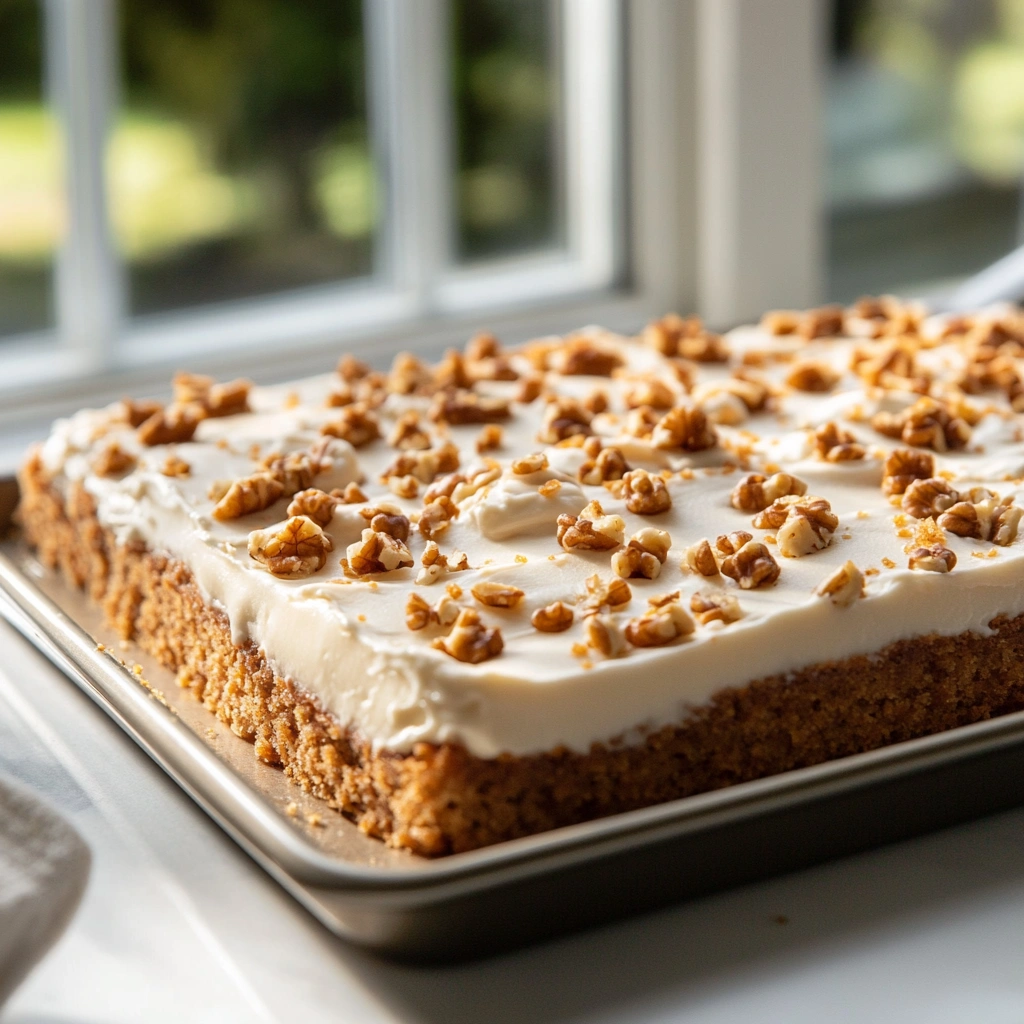
These sheet pan carrot cake bars are a fuss-free twist on the classic carrot cake, baked in a single layer for easy slicing and serving. Moist, warmly spiced, and topped with a rich cream cheese frosting, they’re perfect for potlucks, holidays, or a casual dessert. This recipe is versatile and customizable, with options to include nuts, pineapple, or raisins. Whether you're making them for a crowd or prepping ahead for the week, these bars deliver all the flavor of traditional carrot cake in a quick, no-fuss format.
Ingredients
- 2 cups (400 g) granulated sugar
- 1 ¼ cups (250 g) vegetable oil
- 1 teaspoon pure vanilla extract
- 3 large eggs, room temperature
- 2 ¾ cups (352 g) all-purpose flour
- 2 teaspoons ground cinnamon
- ¼ teaspoon nutmeg
- 2 teaspoons baking soda
- 1 ½ teaspoons kosher salt
- 1 cup (117 g) walnuts, roughly chopped
- 2 ¼ cups (248 g) finely grated carrots, about 5 medium carrots
- ½ cup (98 g) crushed pineapple, drained
- 1 cup (2 sticks / 227 g) unsalted butter, room temperature
- ⅓ cup (105 g) pure maple syrup
- 1 teaspoon maple extract
- 3-4 cups (375-500 g) confectioners’ sugar
- walnuts, chopped for garnish (optional)
Instructions
- Preheat oven to 350°F. Line a 10×15-inch sheet pan (jelly roll pan) with parchment paper.
- To the bowl of a stand mixer fitted with the paddle attachment, add sugar, oil, vanilla extract, and eggs. Mix on medium speed until the mixture is light yellow and slightly thickened, about 3 minutes.
- To a medium mixing bowl, add all-purpose flour, ground cinnamon, ground nutmeg, baking soda, and kosher salt. Whisk to combine.
- With the mixer on low speed, gradually add the dry ingredients to the wet ingredients. Mix until just combined, being careful not to over-mix.
- Remove the bowl from the stand mixer. Gently fold in the chopped walnuts, grated carrots, and drained pineapple. Mix until the ingredients are evenly distributed throughout the batter.
- Pour the batter into the prepared pan, spreading it evenly to ensure it bakes uniformly. Bake for 24-28 minutes. Begin checking at the 22-minute mark by inserting a toothpick into the center. If it comes out with a few moist crumbs (but not wet batter), the cake is ready.
- Once done, remove the cake from the oven and let it cool completely before frosting.
- To a large bowl, add the butter, maple syrup, and maple extract. Using a hand mixer or stand mixer fitted with the paddle attachment, beat on medium speed until the mixture is smooth and creamy.
- Gradually add the confectioners’ sugar, about ½ cup at a time, mixing well after each addition. Continue adding sugar until the frosting reaches a thick and creamy consistency. Adjust the amount of sugar based on your desired sweetness and creaminess level.
- Once the cake is completely cool, spread a thick, even layer of the maple frosting over the top. Smooth with a spatula. Or, if preferred, pipe decorative swirls for a special touch.
- Sprinkle with chopped walnuts for garnish (optional). Cut and serve.