In this article
- Benefits of Roasted Veggie Tahini Bowls
- Ingredients Breakdown
- Step-by-Step Guide to Making a Roasted Veggie Tahini Bowl
- How to Customize Your Bowl
- Serving Suggestions and Pairings
- Storing and Reheating Tips
- Nutritional Information (with Sample Values)
- FAQs – Based on “People Also Ask”
- Conclusion and Final Thoughts
Roasted veggie tahini bowls have become a go-to choice for anyone seeking a balanced, plant-based meal that’s full of flavor and texture. These nourishing bowls typically combine an assortment of roasted seasonal vegetables, a hearty grain base like quinoa or brown rice, and a creamy tahini dressing that ties everything together. Whether you follow a vegan, vegetarian, gluten-free, or simply health-conscious diet, this dish offers flexibility and satisfaction.
What makes roasted veggie tahini bowls stand out is their adaptability. You can tailor them to what’s in season, what you have in your pantry, or your preferred flavor profile. They’re ideal for weekly meal prep, offering both convenience and variety without sacrificing nutritional value.
Tahini, a paste made from ground sesame seeds, is the heart of the bowl’s signature sauce. It adds richness, depth, and a slightly nutty flavor that enhances the natural sweetness of roasted vegetables. With endless ways to customize your bowl—from protein add-ins to spice levels—it’s no wonder these bowls are beloved by home cooks and food bloggers alike.
In this guide, you’ll learn about the health benefits of this dish, the essential ingredients, how to prepare it step by step, and how to tweak it to suit your own tastes and dietary needs.
Benefits of Roasted Veggie Tahini Bowls
Roasted veggie tahini bowls offer more than just delicious flavor—they’re packed with essential nutrients and align with various dietary lifestyles. The vegetables used in these bowls—such as sweet potatoes, carrots, Brussels sprouts, and cauliflower—are rich in fiber, vitamins A and C, and antioxidants. Roasting enhances their natural sweetness while preserving their nutritional content.
Tahini adds another layer of health benefits. Made from ground sesame seeds, it’s a great source of healthy fats, plant-based protein, calcium, magnesium, and iron. Its rich texture also makes it a healthy alternative to cream-based dressings, especially for those avoiding dairy.
This dish can easily be made gluten-free, nut-free, and entirely plant-based, making it suitable for a wide range of dietary preferences. It also aligns well with the principles of the Mediterranean diet, which emphasizes whole grains, vegetables, and healthy fats.
Moreover, the balance of macronutrients—complex carbs from grains, fiber and vitamins from vegetables, and healthy fats and protein from tahini—makes this bowl filling and energy-sustaining. It supports blood sugar stability, gut health, and long-term satiety, making it an excellent option for lunch or dinner, especially for those aiming to eat clean or manage their weight.
Ingredients Breakdown
Creating the perfect roasted veggie tahini bowl starts with a thoughtful selection of ingredients. Each component brings something unique to the table, both in terms of taste and nutrition.
1. Vegetables for Roasting
Some of the most commonly used vegetables include:
-
Sweet potatoes – Naturally sweet, rich in fiber and beta-carotene.
-
Cauliflower and broccoli – Provide texture and are high in vitamin C and fiber.
-
Carrots and bell peppers – Add color, crunch, and antioxidants.
-
Brussels sprouts – Offer a slight bitterness that balances the creamy tahini.
2. Tahini Sauce Ingredients
The star of the bowl, the tahini dressing is typically made with:
-
Tahini paste – Rich, nutty base loaded with nutrients.
-
Lemon juice – Adds acidity and freshness.
-
Garlic – Provides sharpness and depth.
-
Olive oil – Enhances smoothness and flavor.
-
Salt and water – For seasoning and desired consistency.
Optional additions: cumin, paprika, maple syrup, or a dash of cayenne for heat.
3. Grains and Base Options
Use these as a hearty foundation:
-
Quinoa – Gluten-free and protein-rich.
-
Brown rice – High in fiber and has a mild, nutty flavor.
-
Farro or bulgur – Great for a more Mediterranean twist.
4. Add-ons and Extras
-
Chickpeas or lentils – Boost protein and fiber.
-
Toasted sesame seeds – Add crunch.
-
Fresh herbs – Parsley, mint, or cilantro for a burst of freshness.

Step-by-Step Guide to Making a Roasted Veggie Tahini Bowl
Building a roasted veggie tahini bowl from scratch may seem involved, but it’s a straightforward process that gets easier with practice. Here’s a detailed step-by-step guide.
Step 1: Choose and Prepare Your Vegetables
Select 3–5 vegetables based on your preference or seasonal availability. Chop them into even-sized pieces to ensure they cook at the same rate. Popular combinations include:
-
Sweet potatoes (cubed)
-
Cauliflower florets
-
Sliced carrots
-
Red onion wedges
-
Bell peppers (sliced)
Toss the vegetables with olive oil, salt, and pepper. Add spices such as cumin, smoked paprika, or za’atar for added depth.
Step 2: Roast the Vegetables
Preheat your oven to 400°F (200°C). Spread the vegetables on a lined baking sheet in a single layer, giving them room to roast evenly. Roast for 25–35 minutes, flipping halfway through, until they’re golden brown with slightly crispy edges. Avoid overcrowding the pan, which can cause steaming instead of roasting.
Step 3: Make the Tahini Sauce
While the veggies roast, prepare the tahini dressing:
-
1/3 cup tahini
-
Juice of 1 lemon
-
1 garlic clove, minced
-
1–2 tbsp olive oil
-
Pinch of salt
-
3–5 tbsp water to thin
Whisk until smooth. Adjust seasoning and texture as desired.
Step 4: Assemble the Bowl
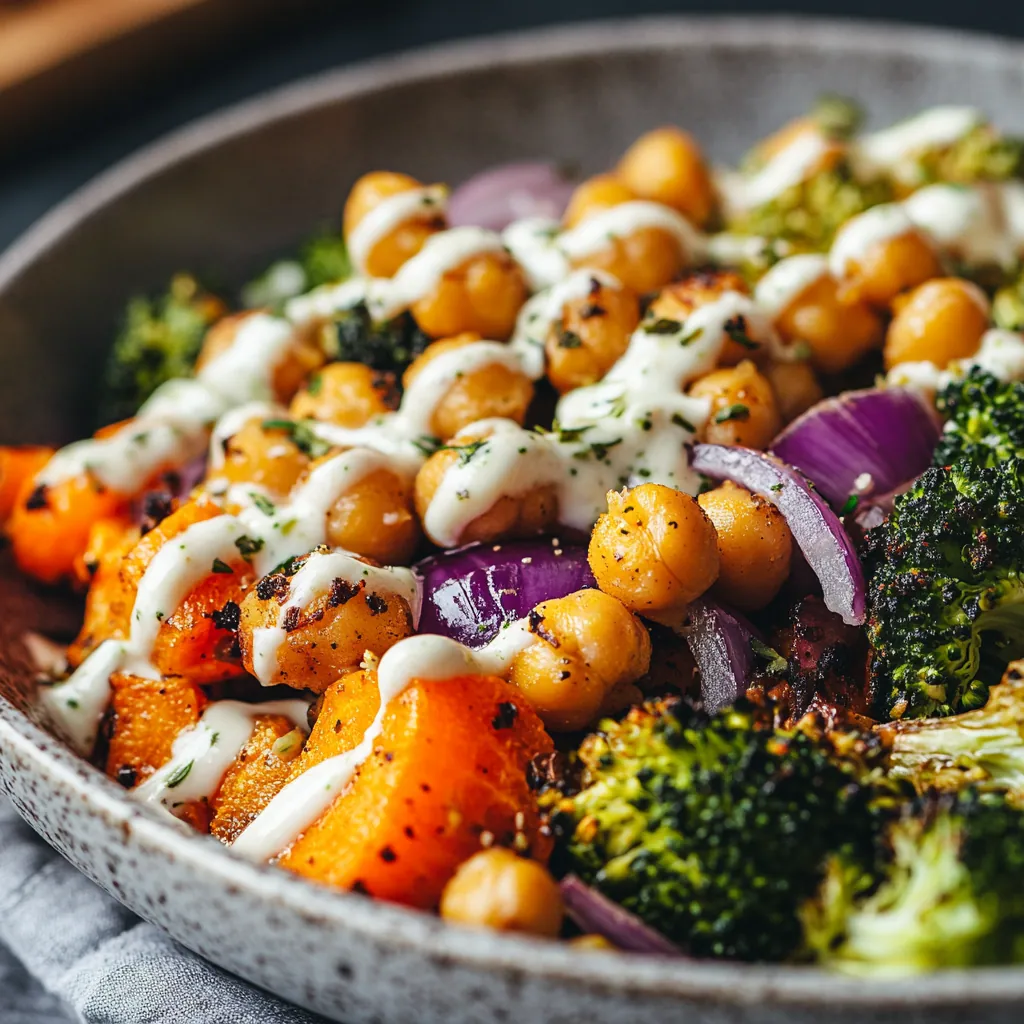
Start with a grain base (like cooked quinoa or brown rice). Top with a generous portion of roasted vegetables. Add protein like chickpeas if using. Drizzle the tahini sauce over everything.
Optional: garnish with herbs, sesame seeds, or a dash of chili flakes.
This simple formula—grain + roasted veggies + tahini—can be adapted endlessly, making it a reliable go-to for meal prepping or quick weeknight dinners.
How to Customize Your Bowl
One of the best features of roasted veggie tahini bowls is their versatility. You can easily modify the ingredients to suit your taste preferences, dietary needs, or what’s available in your kitchen.
1. Seasonal Vegetable Swaps
Change up the veggies based on what’s in season:
-
Winter: Butternut squash, parsnips, kale.
-
Spring: Asparagus, peas, radishes.
-
Summer: Zucchini, cherry tomatoes, corn.
-
Fall: Pumpkin, red cabbage, mushrooms.
These swaps keep your bowl exciting year-round and maximize freshness.
2. Protein Boosts
To make your bowl more filling or to support higher protein needs:
-
Plant-based: Roasted chickpeas, lentils, marinated tofu, or tempeh.
-
Vegetarian: Soft- or hard-boiled eggs, halloumi.
-
High-protein grains: Use quinoa, farro, or add hemp seeds.
3. Grain Alternatives
For a low-carb or unique twist:
-
Cauliflower rice for fewer carbs.
-
Couscous for a Mediterranean flair.
-
Millet or buckwheat for a gluten-free option.
4. Flavor Enhancements
Small additions can elevate your bowl’s flavor:
-
Fermented elements: Kimchi or pickled onions add acidity and probiotics.
-
Spicy add-ins: Harissa, chili oil, or Sriracha.
-
Sweet contrast: A drizzle of pomegranate molasses or maple syrup.
Customizing lets you tailor your bowl for different cuisines—think Mediterranean with olives and hummus, or Middle Eastern with za’atar and dates. The formula remains the same, but the experience changes with every variation.

Serving Suggestions and Pairings
Roasted veggie tahini bowls are versatile enough to serve as a complete meal or as part of a larger spread. For a well-balanced lunch or dinner, serve the bowl warm or at room temperature, allowing the flavors of the roasted vegetables and creamy tahini sauce to shine.
These bowls also pair well with simple sides. Add a slice of warm pita or flatbread to soak up the sauce, or serve alongside a scoop of classic hummus for extra protein and texture. A light soup, such as lentil or tomato-based varieties, complements the richness of the tahini and rounds out the meal.
For drinks, consider refreshing options like sparkling water with lemon, herbal teas such as mint or chamomile, or a glass of kombucha. These light beverages cleanse the palate and enhance the bowl’s earthy flavors. Whether served casually or plated more formally, these bowls are as visually appealing as they are delicious.
Storing and Reheating Tips
Roasted veggie tahini bowls are excellent for meal prep and can be stored for several days without sacrificing quality. To maintain optimal texture and flavor, store each component separately in airtight containers. Keep roasted vegetables and grains in the refrigerator for up to 4 days. The tahini dressing can last 5 to 7 days when stored in a sealed jar or container.
When it’s time to reheat, use an oven or stovetop for the roasted vegetables to preserve their crisp edges. Microwave reheating is quicker but may soften the vegetables more than desired. Grains can be reheated with a splash of water to restore moisture.
If packing for lunch or meal prep, consider assembling the bowl in layers and adding the sauce just before eating to prevent sogginess. For a cold version, the bowl can be enjoyed without reheating—just allow it to come to room temperature and drizzle with tahini before serving.
Nutritional Information (with Sample Values)
Roasted veggie tahini bowls are nutrient-dense and well-balanced, offering a mix of complex carbohydrates, healthy fats, and plant-based protein. A standard serving (based on 1 cup of roasted vegetables, ½ cup cooked quinoa, and 2 tablespoons tahini sauce) offers the following approximate nutritional values:
-
Calories: 450–550
-
Protein: 12–15 grams
-
Carbohydrates: 45–55 grams
-
Fats: 20–25 grams
-
Fiber: 8–10 grams
The bowl provides a substantial amount of vitamins A and C from the vegetables, calcium and iron from the tahini, and additional minerals such as magnesium and potassium from the grains and legumes.
For those tracking macros or following specific dietary plans, the recipe can be easily adjusted by reducing sauce portions, swapping grains, or increasing protein with chickpeas or tofu. Tools like MyFitnessPal or Cronometer can help you calculate exact values based on your customized ingredients.
FAQs – Based on “People Also Ask”
Is tahini healthy for you?
Yes, tahini is a healthy addition to many diets. It’s made from sesame seeds, which are rich in healthy fats, plant-based protein, and key minerals such as calcium, magnesium, and iron. Tahini also contains antioxidants and supports heart and bone health when consumed in moderation.
Can I make this bowl ahead of time?
Absolutely. Roasted veggie tahini bowls are ideal for meal prep. Store each component separately for the best texture. Assemble the bowl just before serving, and add the tahini sauce last to avoid sogginess.
What vegetables are best for roasting?
Firm, hearty vegetables roast well and develop a caramelized flavor. Good choices include sweet potatoes, carrots, Brussels sprouts, cauliflower, broccoli, and red onions. Softer vegetables like zucchini or tomatoes can be added in the last 10 minutes of roasting.
Is this recipe gluten-free?
Yes, if you use a gluten-free grain like quinoa, brown rice, or cauliflower rice, the dish remains gluten-free. Always check the labels on tahini and seasoning mixes to ensure they’re free from gluten-containing additives.
Can I make tahini without a blender?
Yes. Store-bought tahini paste does not require a blender. Simply whisk it with lemon juice, garlic, and water in a bowl. If your tahini is thick, gradually add warm water to achieve a smooth, pourable consistency.
How long does tahini sauce last in the fridge?
Homemade tahini sauce can be stored in an airtight container in the refrigerator for 5 to 7 days. If it thickens over time, stir in a small amount of warm water before using.
Are roasted veggie bowls good for weight loss?
Yes, when portioned appropriately. They are high in fiber and nutrients, helping you stay full longer. Avoid excess oil in roasting and keep tahini servings moderate to control calorie intake.
Conclusion and Final Thoughts
Roasted veggie tahini bowls are a delicious and nourishing meal that can easily fit into any dietary lifestyle. Their customizable nature, vibrant colors, and rich textures make them a staple for both quick weeknight dinners and weekly meal prep. With a balance of wholesome grains, fiber-rich vegetables, and flavorful tahini dressing, this bowl is more than just a healthy choice—it’s a satisfying and versatile culinary experience. Whether you’re eating clean, going plant-based, or simply looking for a new favorite recipe, roasted veggie tahini bowls offer the flavor, nutrition, and flexibility to keep you coming back for more.

Roasted Veggie Tahini Bowls
These roasted veggie tahini bowls are a nutrient-packed, plant-based meal that’s perfect for lunch, dinner, or weekly meal prep. Featuring caramelized roasted vegetables over a hearty grain base and drizzled with a creamy, lemon-garlic tahini sauce, this bowl delivers big flavor, texture, and nutrition. Easily customizable with seasonal vegetables, proteins like chickpeas or tofu, and your favorite herbs or toppings, it’s a versatile and satisfying dish that suits vegan, vegetarian, and gluten-free diets.
Ingredients
- 2 cups broccoli florets
- 2 cups Brussels sprouts, halved
- 1 medium-large sweet potato, cut into 1-inch pieces (about 2 cups)
- 1 can (15 oz) chickpeas, drained, rinsed, and patted dry
- ½ onion, sliced
- 2 tablespoons olive oil
- 1 teaspoon garlic powder
- 1 teaspoon dried oregano
- ½ teaspoon smoked paprika
- ½ teaspoon cumin
- Salt and black pepper, to taste
- ½ cup cherry tomatoes, halved
- ¼ cup Kalamata olives, sliced
- ¼ cup crumbled feta cheese (optional)
- ¼ cup fresh parsley, chopped
- ¼ cup toasted pine nuts or sunflower seeds
- ¼ cup tahini
- 1 tablespoon maple syrup
- 1 tablespoon Dijon mustard
- 1 tablespoon lemon juice
- 1 tablespoon olive oil
- 1 clove garlic, minced
- 2-3 tablespoons warm water (to thin)
- Salt and black pepper, to taste
Instructions
- Step 01: Preheat oven to 400°F (200°C). Toss broccoli, Brussels sprouts, sweet potato, onion, and chickpeas with olive oil, garlic powder, oregano, paprika, cumin, salt, and black pepper. Spread on a baking sheet and roast for 25-30 minutes, stirring halfway through, until golden and crispy.
- Step 02: In a small bowl, whisk together tahini, maple syrup, Dijon mustard, lemon juice, olive oil, garlic, salt, and pepper. Add warm water gradually to reach your desired consistency.
- Step 03: Divide the roasted veggies and chickpeas into bowls. Top with cherry tomatoes, Kalamata olives, feta cheese, parsley, and toasted pine nuts.
- Step 04: Pour the Maple Dijon Tahini Dressing over the bowls and enjoy!