In this article
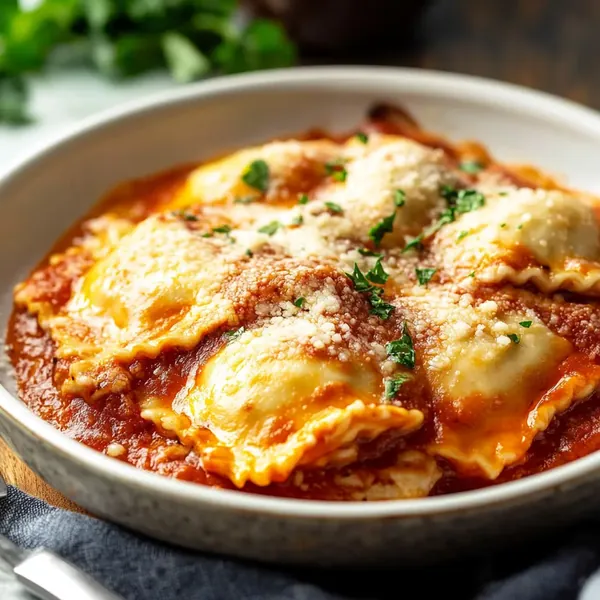
Ravioli with tomatoes, asparagus, garlic, and fresh herbs is a vibrant, seasonal dish that brings together bold Mediterranean flavors in a simple, comforting way. With its combination of tender pasta, juicy tomatoes, crisp asparagus, and aromatic herbs, it’s the perfect choice for a quick weeknight meal or a light, satisfying dinner. This dish is especially popular in spring and summer, when asparagus and tomatoes are at their peak. It also fits beautifully into vegetarian and Mediterranean-style diets. Unlike heavy cream-based pasta dishes, this recipe relies on fresh ingredients and simple techniques to deliver flavor without overwhelming richness. The balance between garlic and herbs creates a fragrant base that elevates the natural sweetness of the tomatoes and the earthiness of the asparagus. Whether you’re using store-bought ravioli or homemade, this meal comes together quickly and with minimal cleanup, making it both elegant and practical for everyday cooking.
Ingredient Breakdown & Health Benefits
This dish highlights a handful of key ingredients that are not only flavorful but also packed with nutritional benefits.
Ravioli: This stuffed pasta can be found in many varieties, including cheese, spinach, or meat-filled. Cheese ravioli pairs best with the light vegetable-based sauce in this recipe. For a healthier option, whole wheat or spinach-infused ravioli can be used. Ravioli provides a source of carbohydrates and protein, especially when filled with ricotta or other cheeses.
Tomatoes: Cherry or grape tomatoes are ideal due to their natural sweetness and fast cooking time. Tomatoes are rich in lycopene, a powerful antioxidant linked to heart health, and are also a good source of vitamin C and potassium.
Asparagus: A quintessential spring vegetable, asparagus offers fiber, folate, and vitamins A, C, and K. Its subtle bitterness and tender texture balance the sweetness of the tomatoes.
Garlic: Used for its pungent, savory depth, garlic is known for its anti-inflammatory and antimicrobial properties. It contains allicin, which has been studied for its potential cardiovascular benefits.
Fresh Herbs: Basil, parsley, and oregano are commonly used. These herbs contribute both aroma and antioxidants. Fresh basil, in particular, adds a sweet, peppery note that complements tomatoes and garlic.
Together, these ingredients form a dish that is colorful, nutritious, and full of natural flavor, without the need for heavy sauces or processed ingredients.
How to Choose the Best Ingredients
The quality of this dish depends heavily on selecting fresh, seasonal ingredients. For the best results, start with firm, bright green asparagus. Look for spears with tight tips and avoid any that are limp or woody. If the base is too tough, simply trim off the fibrous ends. For tomatoes, choose ripe cherry or grape tomatoes that are plump and deeply colored. Avoid those with wrinkled skin or soft spots, as they can be overripe.
When selecting ravioli, opt for fresh or refrigerated versions over frozen, as they typically have better texture and flavor. Choose a filling that complements the light vegetable sauce—cheese, spinach-ricotta, or even mushroom ravioli work well.
For herbs, fresh is always preferred, especially basil and parsley, which wilt into the warm pasta and release aromatic oils. If using dried herbs, reduce the quantity since their flavors are more concentrated. High-quality ingredients are essential for a dish with such a simple preparation.

Step-by-Step Cooking Instructions
-
Prepare the Vegetables: Rinse the asparagus thoroughly and trim off the woody ends. Cut the stalks into 1 to 2-inch pieces for even cooking. Rinse and halve the cherry tomatoes.
-
Sauté the Garlic: In a large skillet over medium heat, add 1 to 2 tablespoons of olive oil. Once hot, add 3 to 4 cloves of minced garlic. Sauté for about 30 seconds, stirring constantly to prevent burning.
-
Cook the Tomatoes: Add the halved cherry tomatoes to the skillet. Cook for 5–7 minutes until they begin to soften and burst, releasing their juices. This creates a natural light sauce base. Season with salt, pepper, and a pinch of red pepper flakes for heat, if desired.
-
Add the Asparagus: Stir in the asparagus and cook for another 4–5 minutes until tender-crisp. The color should remain vibrant green, and the asparagus should be slightly firm to the bite.
-
Cook the Ravioli: In a separate pot, bring salted water to a boil and cook the ravioli according to package instructions—typically 3–4 minutes for fresh varieties. Drain gently to avoid breaking the pasta.
-
Combine and Finish: Add the cooked ravioli to the skillet with the vegetables. Toss gently to coat with the tomato-garlic mixture. Add 2 tablespoons of pasta water if needed to loosen the sauce.
-
Add Herbs: Turn off the heat and stir in chopped fresh basil and parsley. Optional garnishes include shaved Parmesan, a drizzle of extra virgin olive oil, or a splash of lemon juice for brightness.
Tips for Perfect Texture and Flavor Pairing
To achieve the best texture and flavor, timing and technique are key. Avoid overcooking ravioli, as they are delicate and can break apart easily. Use a slotted spoon to transfer them into the pan, minimizing handling. For the vegetables, maintain a slight crunch in the asparagus to keep the dish fresh and vibrant.
Balance the sweetness of the tomatoes with savory elements like garlic, herbs, and a hint of salt. A splash of balsamic vinegar or lemon juice at the end can help brighten the overall flavor profile.
For a richer taste, consider adding shaved Parmesan or a drizzle of high-quality olive oil just before serving. If desired, crushed red pepper flakes can introduce a subtle heat that complements the garlic and herbs. The key is to keep the ingredients harmonious, allowing each one to shine without overpowering the others. The result is a well-balanced, satisfying dish with both freshness and depth.
Creative Variations and Substitutions
This versatile ravioli dish can be adapted in many ways to suit different tastes, dietary preferences, or whatever ingredients you have on hand.
Vegetable additions: Try adding sautéed mushrooms, baby spinach, artichoke hearts, or sun-dried tomatoes to deepen the flavor profile. These ingredients pair well with the base of garlic, tomatoes, and asparagus.
Protein options: For a heartier version, include grilled chicken, sautéed shrimp, or crispy pancetta. These proteins add texture and make the dish more filling, especially if served as a main course.
Dairy-free and vegan alternatives: Substitute regular ravioli with vegan-friendly versions made from lentils, spinach, or tofu. To replace the richness of cheese, drizzle a bit of cashew cream or nutritional yeast before serving.
Gluten-free options: Use gluten-free ravioli or replace the pasta entirely with gluten-free gnocchi or zucchini ribbons for a lower-carb meal.
Flavor enhancements: Fresh lemon zest, a touch of crushed red pepper, or a drizzle of balsamic glaze can elevate the dish. Herbs like dill or mint can offer a different seasonal twist, especially in warmer months.
These substitutions make the dish flexible for different occasions and dietary needs without sacrificing taste.
Serving Suggestions and Pairings
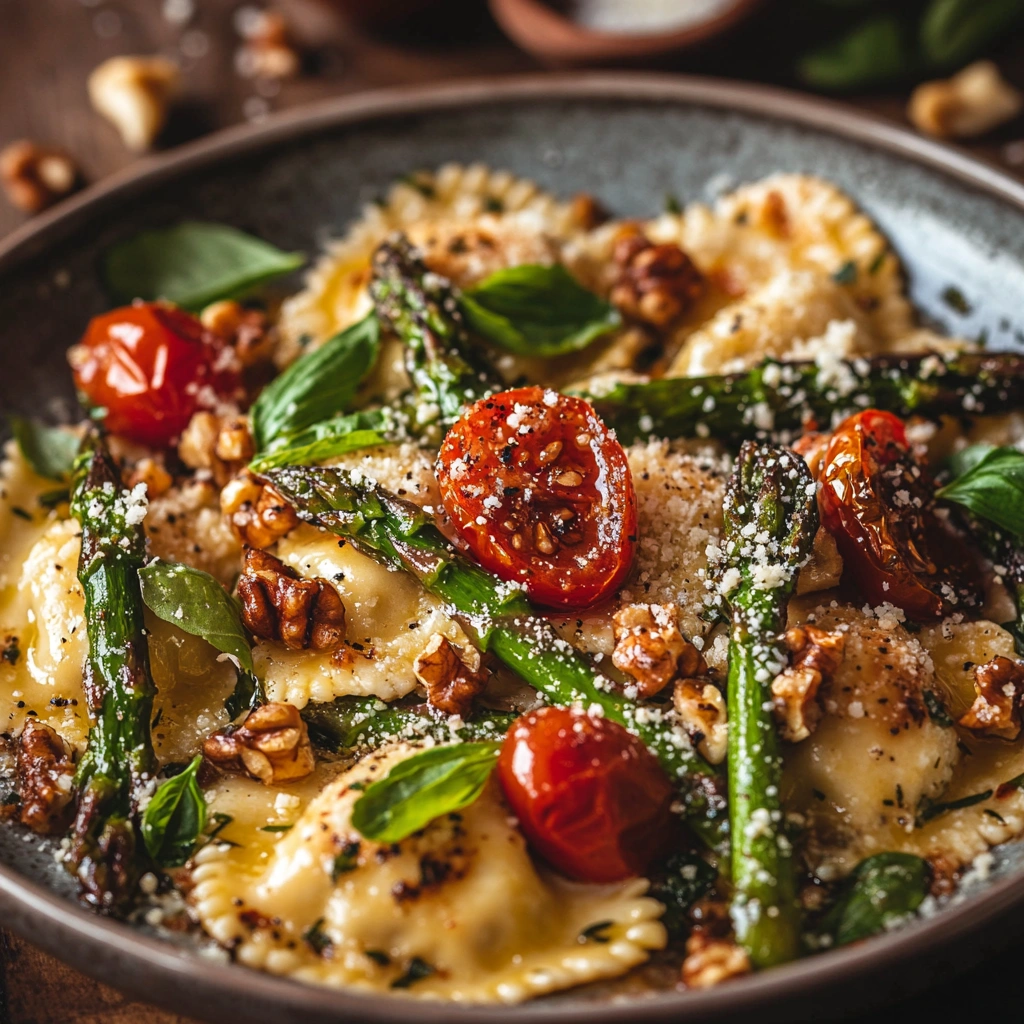
Ravioli with tomatoes, asparagus, garlic, and herbs is flavorful enough to serve on its own but also pairs well with a variety of side dishes and drinks.
Side dishes: Serve alongside a crisp green salad with lemon vinaigrette or arugula tossed in olive oil and balsamic. Crusty bread or garlic bread is ideal for soaking up any remaining sauce. Roasted vegetables like zucchini or bell peppers can round out the meal.
Wine pairings: A light, dry white wine such as Pinot Grigio or Sauvignon Blanc complements the bright flavors of the dish. A light rosé also works well, especially in spring and summer.
Serving styles: This dish can serve as a main course or as a side for a larger Italian-inspired meal. It also works well plated individually or served family-style in a large dish for gatherings.
Storage and Reheating Tips
Leftover ravioli with vegetables can be stored and reheated with care to preserve its texture and flavor.
Refrigeration: Store the dish in an airtight container in the refrigerator for up to 3 days. To keep herbs fresh, add them only after reheating.
Freezing: While freezing is possible, it’s best to store the cooked ravioli and vegetables separately to avoid sogginess. Place them in freezer-safe containers for up to 2 months.
Reheating: For best results, reheat on the stovetop over low heat with a splash of water or broth to loosen the sauce. Avoid high heat, which can cause the ravioli to break. If using a microwave, cover the container loosely and heat in 30-second intervals, stirring gently between each to ensure even warming.
By storing the components properly, you can enjoy this dish again without a loss in quality or texture.
Seasonal and Meal Prep Appeal
This ravioli dish shines during the spring and summer when asparagus and tomatoes are in peak season, offering the freshest flavor and best texture. Its vibrant ingredients and quick cooking time make it a great choice for warmer months when lighter meals are preferred.
From a meal prep perspective, this recipe is ideal. You can prep the vegetables in advance—wash and cut the asparagus, halve the tomatoes, and mince the garlic. The herbs can also be chopped and stored in the fridge in an airtight container lined with a paper towel.
For faster assembly during the week, cook the vegetables ahead of time and refrigerate them. When you’re ready to eat, simply reheat the veggie mixture while cooking the ravioli fresh. This method preserves the pasta texture while saving time.
Its versatility, minimal prep work, and seasonal appeal make this dish a smart option for both everyday meals and entertaining.
FAQs – People Also Ask
Can you use frozen ravioli for this recipe?
Yes, frozen ravioli works well in this dish. Just be sure to boil it according to package instructions before adding it to the pan. Avoid overcrowding the pot, and stir gently to prevent sticking or tearing. Once cooked, transfer the ravioli directly into the vegetable mixture and toss gently to combine.
How do you keep ravioli from falling apart when cooking?
To keep ravioli intact, use plenty of boiling water and stir occasionally but gently. Do not overcook—follow the package timing closely. Use a slotted spoon or spider strainer to remove ravioli from the water, reducing the chance of tearing compared to draining through a colander. Avoid excessive handling once cooked.
What herbs go best with tomatoes and asparagus?
Classic pairings include basil, parsley, and oregano. These herbs bring out the natural sweetness in tomatoes and complement the earthy, slightly bitter taste of asparagus. For a more complex flavor, consider adding thyme or a touch of tarragon. Always use fresh herbs when possible for brighter flavor and aroma.
Can this dish be made vegan or gluten-free?
Absolutely. For a vegan version, use plant-based ravioli and skip any cheese toppings. Drizzle with a cashew-based cream sauce or add nutritional yeast for depth. For gluten-free, opt for gluten-free ravioli or substitute with alternatives like rice noodles or spiralized vegetables. Double-check ingredient labels for hidden allergens.
Is this recipe suitable for meal prep?
Yes, it’s great for meal prep. You can cook the vegetable mixture ahead of time and store it separately. Boil the ravioli just before serving for the best texture. Herbs should be added fresh, just before eating. The full dish can also be portioned into containers for quick lunches or dinners.
Ravioli with Tomatoes Asparagus Garlic and Herbs
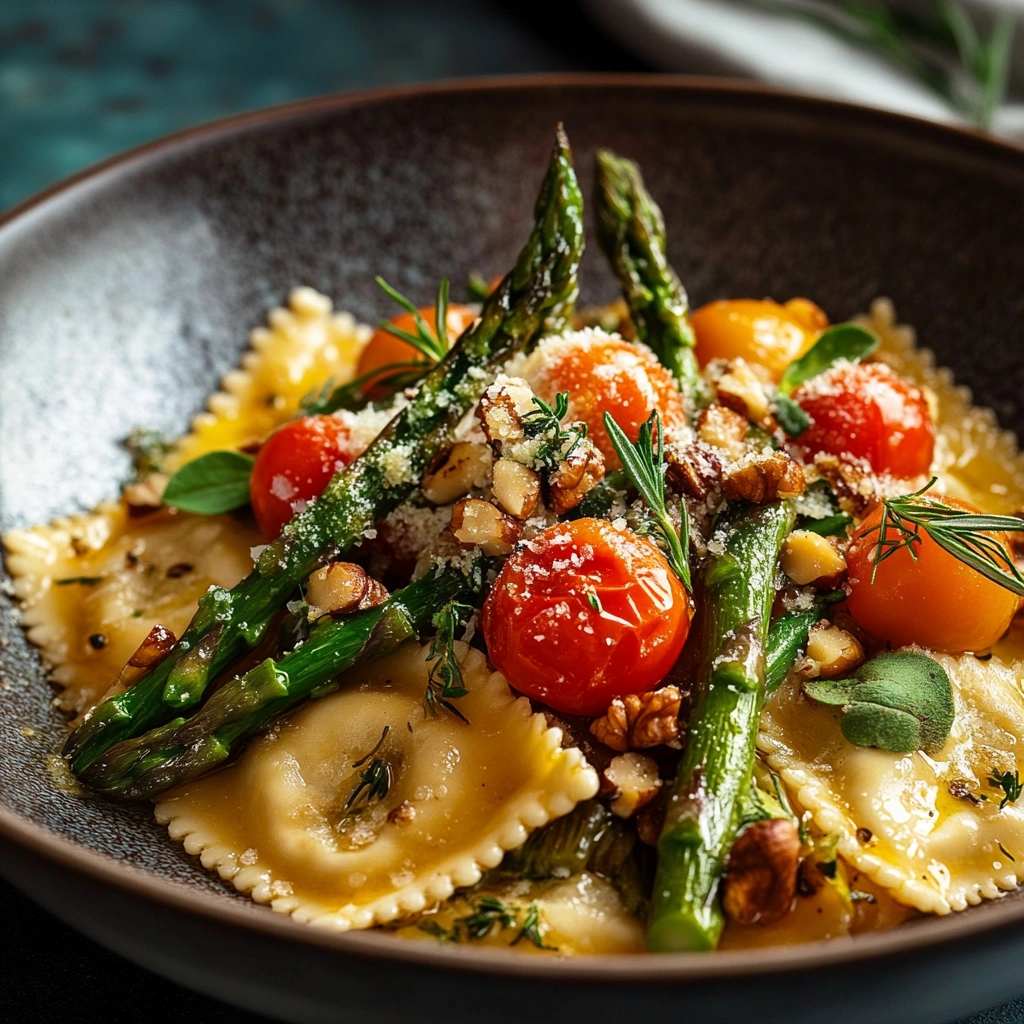
A fresh, flavorful pasta dish that highlights seasonal vegetables and herbs, this Ravioli with Tomatoes, Asparagus, Garlic, and Herbs is quick to make and packed with natural flavor. Juicy cherry tomatoes, tender-crisp asparagus, and aromatic garlic come together in a light skillet sauce that pairs beautifully with cheese-filled ravioli. Finished with fresh basil and parsley, this one-pan meal is perfect for spring and summer dinners or anytime you're craving a satisfying yet simple vegetarian pasta dish.
Ingredients
- 1 (20 oz) pkg. refrigerated four cheese ravioli
- 2 Tbsp olive oil
- 2 Tbsp butter
- 1 lb thin asparagus, woody ends trimmed, chopped into 2-inch pieces
- 1 (10.5 oz) pkg. grape tomatoes, halved
- 3 garlic cloves, minced (1 Tbsp)
- 1 Tbsp balsamic vinegar
- 2/3 cup Fisher Walnuts, chopped and toasted
- 1/4 cup minced fresh basil
- 1/4 cup minced fresh parsley
- Salt and pepper
- 1/3 cup shredded parmesan cheese
Instructions
- Cook ravioli in boiling water according to package instructions.
- Meanwhile heat olive oil and melt butter in a large skillet over medium-high heat.
- Add asparagus to skillet and saute until tender, about 4 minutes.
- Add tomatoes and garlic and saute about 1 longer, then toss in balsamic vinegar.
- Drain water from pasta once cooked through then pour into a large serving bowl.
- Add asparagus mixture to serving bowl along with walnuts, basil and parsley. Season with salt and pepper to taste and toss.
- Sprinkle in parmesan and serve warm.
- Recipe source: Cooking Classy