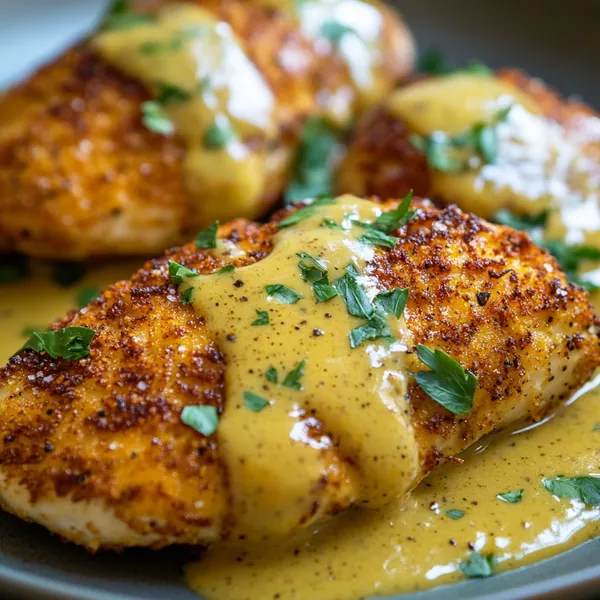
Pretzel Chicken with Mustard-Cheddar Sauce delivers a satisfying crunch and a zesty, creamy finish in every bite. The golden-brown pretzel crust encases tender chicken breast strips, creating an irresistible textural contrast. Paired with a tangy mustard-cheddar sauce, this dish elevates ordinary chicken fingers to gourmet status. Ideal for weeknight dinners, casual gatherings, or game-day snacks, it strikes the perfect balance between comfort food and impressive fare. Readers will learn how to achieve the optimal pretzel coating, master a velvety cheese sauce with just the right acidity, and combine the two into a cohesive dish. Whether you’re a seasoned home cook or new to breading and sauce-making, this recipe offers practical tips for foolproof results. By the end of this article, you’ll understand the why behind each step, empowering you to customize flavors and textures to suit your palate—and win over every guest at your table.
Origins and Inspiration
The practice of coating proteins in crushed pretzels traces back to German baking traditions, where pretzels have been a staple since the Middle Ages. In the United States, home cooks began experimenting with crushed breakfast cereals and breadcrumbs in the mid-20th century; substituting pretzels for standard breadcrumbs added new flavor dimensions while harnessing pretzels’ inherent saltiness. Simultaneously, cheddar cheese sauces gained popularity in American comfort cuisine, often appearing atop vegetables or poured over fries. Mustard, with its piquant tang, frequently accompanies cheese in classic dishes like Welsh rarebit. The convergence of these elements—crunchy pretzel coating, tender chicken, sharp cheddar, and tangy mustard—emerged naturally as cooks sought to marry texture and taste. Today’s recipe owes its inspiration to this culinary fusion: a celebration of German-American breading ingenuity and the timeless pairing of cheese and mustard.
Key Ingredients Overview
To achieve the best flavor and texture, choose high-quality ingredients. Chicken: Boneless, skinless chicken breast or tenderloins work equally well; tenders cook faster, while breast strips yield larger portions. Pretzels: Use hard, salted pretzels—classic twists or rods—crushed to a coarse crumb. Their salt and malted-wheat notes create a robust crust. Flour: All-purpose flour seasoned lightly with salt and pepper ensures the egg wash clings evenly. Eggs: Whisked with a splash of milk, they create a moist binder between flour and pretzel crumbs. Seasonings: Paprika, garlic powder, onion powder, and a pinch of cayenne deliver depth and subtle heat. For the Mustard-Cheddar Sauce, select Dijon mustard for its smooth texture and nuanced spice, or grainy mustard for extra bite. Sharp cheddar cheese—preferably aged at least six months—melts into a rich, tangy base. Heavy cream or whole milk contributes silkiness, while minced garlic and a hint of Worcestershire sauce round out the savory profile. Optional add-ins include chopped chives, smoked paprika, or a dash of hot sauce.
Preparing the Pretzel Coating
Begin by processing the pretzels: place 3 cups of hard pretzels in a food processor and pulse until coarse crumbs remain—avoid over-processing into fine powder. Transfer crumbs to a shallow dish and stir in 1 teaspoon each of smoked paprika and garlic powder, ½ teaspoon onion powder, and a pinch of cayenne for warmth. In two additional shallow dishes, add seasoned flour (1 cup all-purpose flour mixed with ½ teaspoon salt and pepper) and a beaten egg mixture (2 large eggs whisked with 2 tablespoons milk). Pat chicken strips dry, then dredge each piece first in flour, shaking off excess, then dip into the egg wash, ensuring full coverage. Finally, press firmly into the pretzel crumb mixture, coating all sides. For maximum adhesion, place coated strips on a wire rack for 10 minutes before cooking; this resting period allows the binder to set, reducing crumb fall-off.
Making the Mustard-Cheddar Sauce
To craft a smooth, balanced sauce, start by melting 2 tablespoons of butter in a medium saucepan over medium heat. Add 1 clove minced garlic and sauté until fragrant, about 30 seconds. Whisk in 2 tablespoons of all-purpose flour and cook for one minute to form a roux. Gradually whisk in 1 cup of warm heavy cream until no lumps remain. Reduce heat to low, stir in 2 tablespoons Dijon mustard and 1 teaspoon grainy mustard, then add 1½ cups shredded sharp cheddar cheese in small handfuls, stirring until melted before each addition. Season with ½ teaspoon salt, ¼ teaspoon freshly ground black pepper, and a few drops of Worcestershire sauce. If the sauce seems too thick, whisk in a splash of milk; if too thin, simmer gently until it coats the back of a spoon. For variation, stir in a teaspoon of honey for a touch of sweetness or a few dashes of hot sauce for heat. Keep warm over the lowest heat, stirring occasionally to prevent a skin from forming.
Combining Chicken and Sauce
Once chicken strips are cooked—whether baked or fried—transfer them immediately to a serving platter and drizzle with mustard-cheddar sauce. Alternatively, serve the sauce alongside in a shallow bowl for dipping. Arrange strips in a single layer to highlight the crunchy coating, spooning extra sauce over those in the center for visual appeal. Garnish with chopped fresh chives or parsley for color contrast. Encourage guests to dip the chicken into the creamy, tangy sauce to experience the harmonious blend of textures and flavors. Serve hot for the best combination of crisp exterior and gooey cheese sauce.

Cooking Methods: Baking vs. Frying
Choosing between baking and frying influences texture, flavor, and ease of preparation. Frying yields an ultra-crisp, golden crust: heat 2 inches of neutral oil (canola or peanut) to 350 °F and fry chicken strips in batches for 3–4 minutes each, turning once, until the internal temperature reaches 165 °F. Drain on paper towels to remove excess oil. This method delivers the deepest crunch but requires more cleanup and vigilant temperature control to prevent burning. Baking offers a lighter, hands-off approach: preheat the oven to 425 °F, arrange coated strips on a lightly oiled wire rack set over a baking sheet, and bake for 15–18 minutes, flipping halfway through. Baking reduces oil usage and kitchen splatter, produces a crisp exterior when using a rack, and frees you to prepare sides or sauce. If you prefer an air-fryer, cook at 400 °F for 10–12 minutes, shaking the basket once. Regardless of method, rest cooked strips for two minutes before saucing to maintain crunch.
Variations and Flavor Twists
Customize your pretzel chicken to suit any palate. For spicy lovers, mix ½ teaspoon cayenne or chili powder into the pretzel crumbs and add a few dashes of hot sauce to the mustard-cheddar. To create a beer-cheddar sauce, substitute half of the cream with a pale ale, whisking it into the roux before adding cheese. For herbaceous notes, fold finely chopped rosemary or thyme into both coating and sauce. A honey-mustard sauce variation calls for equal parts honey and Dijon mixed with melted butter—skip the cheese altogether for a lighter dip. Those seeking gluten-free options can swap crushed gluten-free corn or rice crackers for pretzels and use gluten-free flour in the roux. For dairy-free, replace cheddar with a vegan cheese alternative and use coconut or oat milk. Even picky eaters will appreciate a kid-friendly version: mild cheddar sauce with a touch of ketchup for familiarity.
Serving Suggestions & Perfect Pairings
Pretzel Chicken with Mustard-Cheddar Sauce shines alongside a variety of sides and drinks. For crunchy contrast, serve with sweet potato fries dusted in smoked paprika or classic shoestring fries tossed in sea salt. A crisp coleslaw—made from shredded cabbage, carrots, and apple cider vinegar—cuts through the richness. Roasted seasonal vegetables like asparagus or Brussels sprouts add color and nutrition. Assemble a dipping platter featuring extra mustard, garlic aioli, and spicy ketchup to satisfy diverse tastes. For gatherings, arrange chicken strips on a large wooden board, garnish with chopped chives, and place sauce in shallow ramekins for easy access. As for beverages, a pilsner or wheat beer complements the malted pretzel crust, while a chilled Chardonnay balances the dish’s saltiness and creaminess. Non-alcoholic options such as a ginger-lemonade or iced tea with a sprig of mint also work beautifully.
Nutritional Information
A typical serving (three strips and ¼ cup sauce) contains approximately 450–500 calories, 25 g protein, 30 g fat, and 20 g carbohydrates. The pretzel coating contributes the majority of carbs and sodium, while the cheese sauce is the primary fat source. To lighten up, bake instead of fry and swap heavy cream for 2% milk or half-and-half; use reduced-fat cheddar or a blend of cheddar and mozzarella. For low-carb, replace pretzel crumbs with crushed pork rinds or almond meal and thicken the sauce with xanthan gum rather than flour. Those tracking allergens should note that the recipe contains gluten, dairy, and eggs; gluten-free flours and dairy-free cheese alternatives can accommodate dietary restrictions. Always verify labels on processed ingredients to ensure compliance with specific diet plans.

Troubleshooting & Expert Tips
-
Soggy coating: Ensure chicken strips are patted thoroughly dry before breading. Rest coated pieces on a rack for at least 10 minutes to set the binder.
-
Uneven browning: Fry in small batches to maintain oil temperature or rotate baking-sheet position halfway through oven cooking.
-
Lumpy sauce: Whisk continuously when adding dairy to the roux, and temper cold cheese by letting it sit at room temperature for 15 minutes before shredding.
-
Too-thin sauce: Simmer gently to reduce volume or whisk in an extra tablespoon of flour slurry (1:1 flour and water).
-
Scaling up: Use a three-tiered breading station for efficiency—prepare multiple shallow pans—and keep finished strips warm in a 200 °F oven on a rack.
-
Reheating leftovers: Re-crisp in a 375 °F oven for 8–10 minutes; avoid the microwave to prevent sogginess.
Frequently Asked Questions (FAQs)
-
Can I bake instead of frying the pretzel chicken?
Yes—bake at 425 °F on a wire rack for 15–18 minutes, flipping once halfway through. -
How do I thicken the mustard-cheddar sauce?
Simmer gently to reduce, or whisk in a slurry of 1 teaspoon flour and 1 tablespoon water. -
What type of pretzels work best for coating?
Use hard, plain salted pretzels crushed to coarse crumbs for optimal texture and flavor. -
Is there a gluten-free alternative for this recipe?
Substitute gluten-free pretzel crackers and gluten-free all-purpose flour; verify other ingredients are certified gluten-free. -
How should I reheat leftovers to keep them crisp?
Reheat in a 375 °F oven for 8–10 minutes on a wire rack to restore crunch without drying out.
Conclusion & Call to Action
Pretzel Chicken with Mustard-Cheddar Sauce marries the satisfying crunch of a malted pretzel crust with the tangy richness of a homemade cheese-and-mustard dip. From selecting the right chicken cuts and crushing pretzels to mastering a silky, balanced sauce, each step contributes to a dish that appeals to both home cooks and entertaining hosts. Whether you choose to bake for a lighter option or fry for maximum crispiness, the resting and temperature-control tips ensure foolproof results. Variations—such as spicy cayenne, beer-infused cheese, or gluten-free coatings—provide endless customization, making this recipe adaptable to any dietary need or flavor preference.
Now it’s your turn: gather your ingredients, don your apron, and embark on this flavorful journey. Share your culinary triumphs and any creative twists in the comments below or on social media using #PretzelChickenPerfection. If you found this guide helpful, subscribe for more inventive recipes, time-saving kitchen hacks, and expert tips delivered straight to your inbox. Don’t forget to bookmark this page and return whenever you need the perfect appetizer, dinner, or party snack. Happy cooking—and may every bite be as unforgettable as the first!
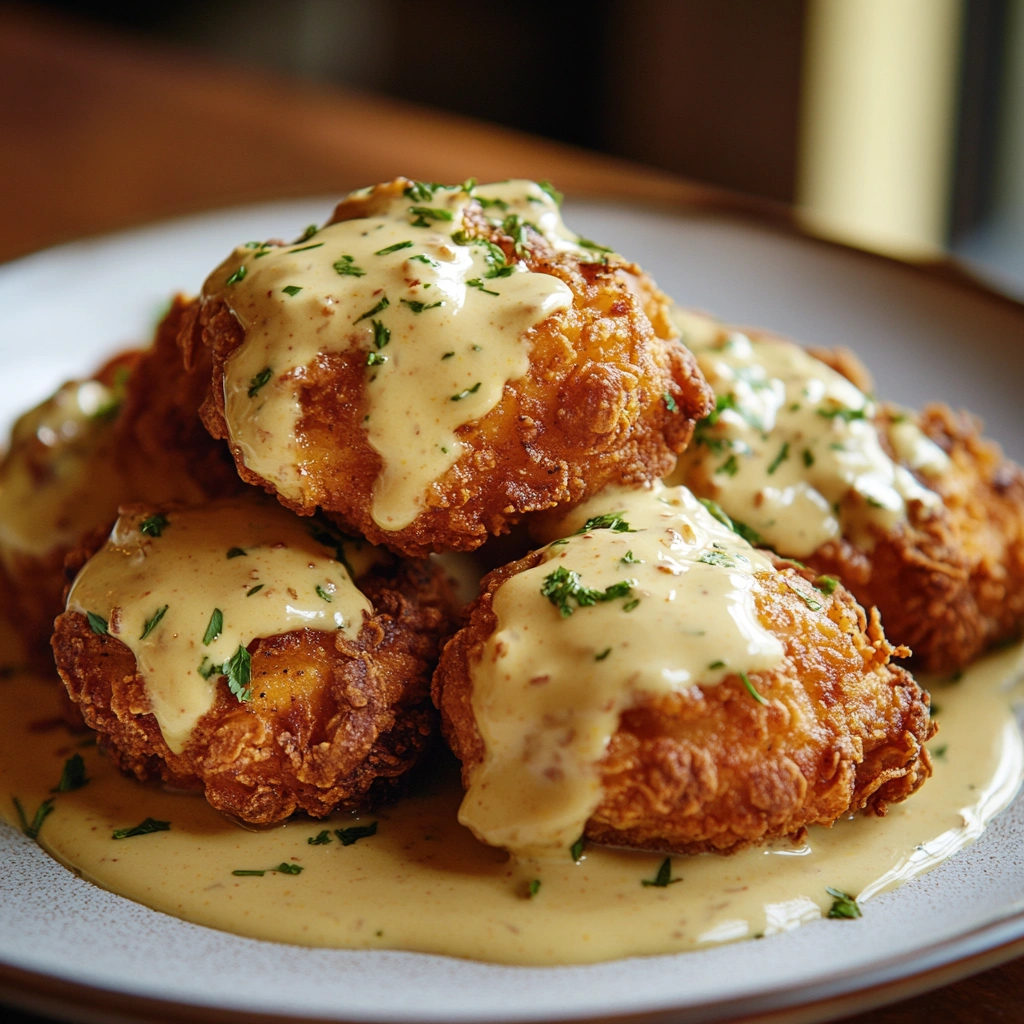
Pretzel Chicken with Mustard-Cheddar Sauce
Pretzel Chicken with Mustard-Cheddar Sauce transforms simple chicken strips into a crave-worthy centerpiece. Tender chicken breasts are coated in a crunchy, seasoned pretzel crust, then baked or fried to golden perfection. Paired with a silky mustard-cheddar dip—brightened by Dijon mustard and melted sharp cheddar—this dish strikes the ideal balance of tang, creaminess, and crunch. It’s perfect for weeknight dinners, game-day spreads, or casual entertaining. Whether you serve it as an appetizer or main course, guests will love dunking each crispy strip into the flavorful sauce.
Ingredients
- 4 boneless, skinless chicken breasts
- 2 cups crushed pretzels
- 1/2 cup all-purpose flour
- 2 large eggs
- 1/4 cup milk
- Salt and pepper to taste
- 2 tablespoons vegetable oil
- 2 tablespoons butter
- 2 tablespoons all-purpose flour
- 1 cup milk
- 1 cup shredded cheddar cheese
- 2 tablespoons Dijon mustard
- Salt and pepper to taste
Instructions
For the Chicken:
- Prepare the Coating: Preheat your oven to 400°F (200°C) and line a baking sheet with parchment paper.
- Place the crushed pretzels in one shallow bowl, flour in another, and beat the eggs with milk in a third bowl.
- Coat the Chicken: Season the chicken breasts with salt and pepper.
- Dredge each chicken breast in flour, shaking off excess. Dip in the egg mixture, then press into the crushed pretzels, ensuring an even coating.
- Cook the Chicken: Heat the vegetable oil in a large skillet over medium-high heat.
- Add the chicken breasts and cook until golden brown on both sides, about 3-4 minutes per side.
- Transfer the chicken to the prepared baking sheet and bake in the preheated oven for 15-20 minutes, or until the chicken is cooked through and the internal temperature reaches 165°F (74°C).
For the Mustard-Cheddar Sauce:
- Make the Sauce: In a medium saucepan, melt the butter over medium heat.
- Whisk in the flour and cook for 1-2 minutes, or until the mixture is lightly browned and bubbly.
- Gradually whisk in the milk, stirring constantly until the mixture thickens and comes to a simmer.
- Reduce the heat to low and stir in the shredded cheddar cheese until melted and smooth.
- Add the Dijon mustard and season with salt and pepper to taste.
- Serve: Remove the chicken from the oven and let it rest for a few minutes.
- Serve the chicken breasts drizzled with the mustard-cheddar sauce.