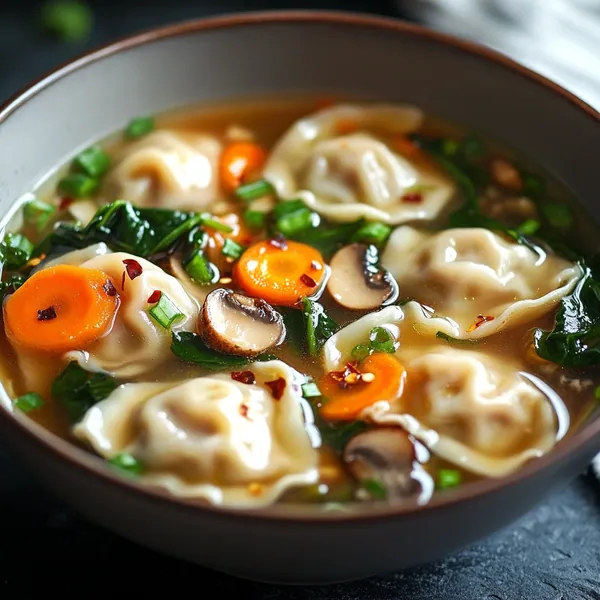
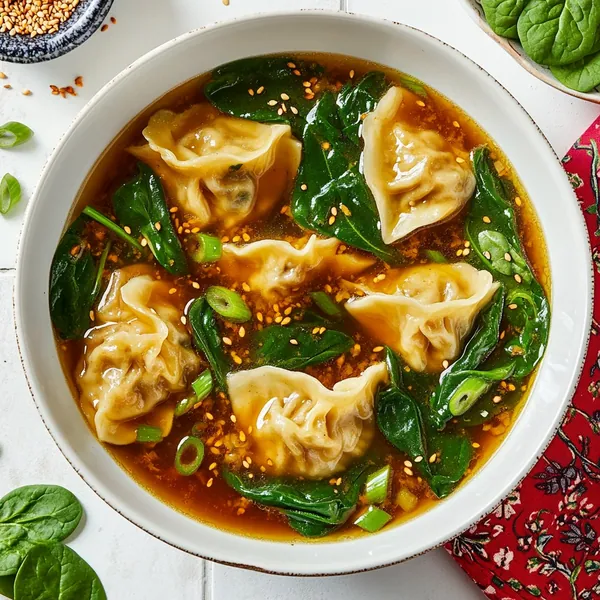
Potsticker soup is a flavorful and comforting dish that combines the savory goodness of dumplings with the warmth of a hearty broth. Often seen as a fusion between traditional Chinese dumplings and Western-style soup, potsticker soup has gained popularity for being quick to prepare and deeply satisfying. It features potstickers—pan-fried or boiled dumplings—simmered in a seasoned broth with fresh vegetables and aromatic spices.
This dish is perfect for busy weeknights or as a cozy meal on a cold day. It allows for plenty of customization, from protein-filled pork dumplings to vegetarian potstickers paired with mushrooms and bok choy. The ease of using frozen dumplings also makes it an accessible choice for home cooks. Whether you’re exploring Asian-inspired cuisine or looking for a new twist on soup, potsticker soup offers both flavor and convenience in one delicious bowl.
What Is Potsticker Soup?
Potsticker soup is a savory, broth-based dish that incorporates dumplings—commonly known as potstickers—into a flavorful, often Asian-inspired soup. These dumplings, typically filled with pork, chicken, or vegetables, are either pan-seared or boiled before being added to a seasoned broth. The result is a rich, layered soup that balances textures and flavors.
The broth is usually made from a base of chicken, vegetable, or miso broth, enhanced with soy sauce, ginger, garlic, and green onions. Fresh vegetables like bok choy, napa cabbage, mushrooms, and carrots are often added for texture and nutrition. Some variations include ingredients like tofu, chili oil, or egg for added complexity.
What makes potsticker soup unique is its versatility. It can be adapted for different dietary needs, including vegetarian or gluten-free options. The dumplings can be homemade or store-bought, fresh or frozen, making it a convenient yet satisfying meal.
Unlike traditional dumpling soups, where dumplings are soft and often submerged throughout the cooking process, potsticker soup sometimes incorporates lightly pan-fried dumplings that retain a slight crispiness. This adds a contrast in texture, which elevates the overall experience.
Potsticker soup is popular in both Asian cuisine and Western adaptations, thanks to its balance of comfort, flavor, and convenience. It’s an ideal dish for those looking for a quick dinner solution that doesn’t compromise on taste.
The History and Cultural Origins of Potstickers
Potstickers, known as “guotie” in Mandarin, trace their roots back over a thousand years to Northern China. The name “potsticker” refers to the traditional method of cooking dumplings in a wok—first searing them until crispy, then adding water and steaming them until done. This technique was said to be invented by accident, when a chef allowed dumplings to stick to the pot but found the crispy texture appealing.
These dumplings became a staple in Chinese cuisine, especially during festivals and family gatherings. While guotie are typically served dry or with dipping sauces, the concept of potsticker soup evolved later, particularly in Western kitchens seeking to adapt Asian ingredients into more familiar formats like soup.
This fusion creation gained popularity due to its ability to combine bold flavors with ease of preparation. Today, potsticker soup represents a modern twist on a classic tradition, blending cultural influences with culinary creativity.
Key Ingredients in Potsticker Soup
Creating a delicious potsticker soup starts with selecting the right ingredients. The beauty of this dish lies in its adaptability, but there are a few essential components that form its flavorful foundation.
1. Broth:
The broth serves as the soul of the soup. Chicken broth is the most commonly used, offering a rich, savory base. Vegetable broth is an excellent alternative for vegetarians. Some recipes also incorporate miso or dashi for a deeper umami flavor.
2. Potstickers:
These are the star of the dish. Potstickers can be filled with pork, chicken, shrimp, or vegetables. Frozen store-bought dumplings work well, but homemade versions add a personal touch. They can be boiled, steamed, or pan-seared before adding to the broth.
3. Aromatics and Seasonings:
Garlic, ginger, and scallions are the key aromatics that infuse the broth with Asian-inspired flavor. Soy sauce adds depth and saltiness, while sesame oil gives a nutty aroma and smooth finish. Rice vinegar or a touch of lime juice can brighten the broth.
4. Vegetables:
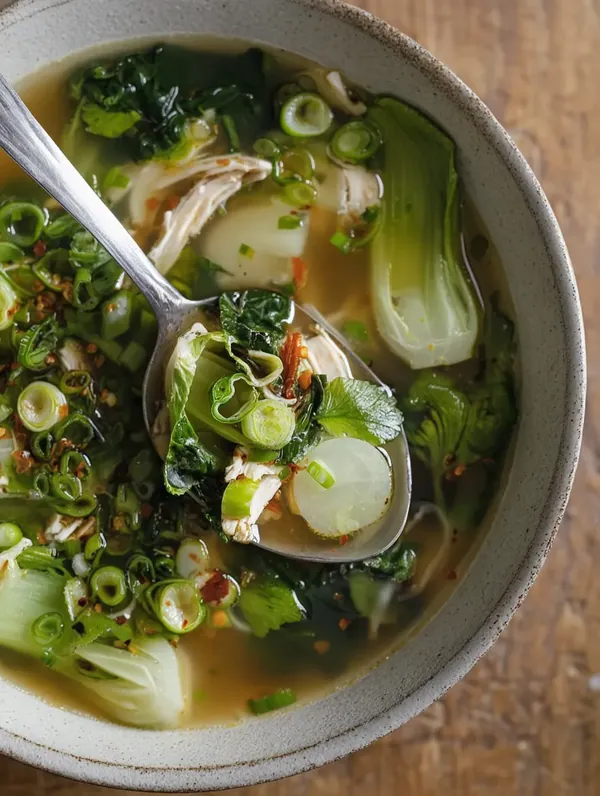
Fresh vegetables enhance both flavor and nutrition. Common choices include bok choy, napa cabbage, mushrooms, snow peas, and carrots. They should be sliced thinly and added near the end of cooking to preserve texture.
5. Optional Add-ins:
For added protein and variety, consider ingredients like tofu cubes, a poached or beaten egg (added in a swirl), or even shredded rotisserie chicken. To spice things up, drizzle in some chili oil or sprinkle crushed red pepper flakes.
These components come together to create a soup that’s not only comforting but deeply satisfying. Whether you’re looking to use pantry staples or explore new flavors, potsticker soup allows for creativity without sacrificing simplicity.
Best Potstickers to Use for Soup
The best potstickers for soup are those that hold their shape during cooking and have flavorful, juicy fillings. Both frozen and homemade options work well, depending on your time and preference.
Frozen potstickers are a convenient choice and widely available in most grocery stores. Brands like Ling Ling, Trader Joe’s, and Bibigo offer pork, chicken, or veggie varieties that are pre-seasoned and easy to use. Look for dumplings labeled “potstickers” or “gyoza” with a sturdy wrapper that won’t break apart in hot broth.
Homemade potstickers allow for complete control over ingredients and seasoning. If you choose this route, make sure to seal them well and use a slightly thicker wrapper to avoid splitting in the soup.
For the best texture, consider pan-frying the potstickers first to get a crispy bottom before adding them to the soup. This not only prevents sogginess but also adds an appealing contrast in texture.

How to Make Potsticker Soup: Step-by-Step Guide
Making potsticker soup is straightforward and customizable. Here’s a simple step-by-step guide:
1. Prepare the broth:
In a large pot, heat 1 tablespoon of oil. Sauté minced garlic and ginger until fragrant (about 1 minute). Add 4–6 cups of chicken or vegetable broth. Stir in 2 tablespoons of soy sauce, 1 teaspoon of sesame oil, and optional chili oil for heat. Bring to a simmer.
2. Add vegetables:
Add sliced carrots, mushrooms, and bok choy or cabbage. Simmer for 5–7 minutes until vegetables are tender but not mushy.
3. Cook the potstickers:
You can pan-fry or boil frozen or fresh potstickers. For extra texture, sear them in a skillet until the bottoms are golden, then add a splash of water and cover to steam. Alternatively, drop them directly into the simmering broth and cook for 5–6 minutes until heated through.
4. Final touches:
Taste and adjust the seasoning with more soy sauce or vinegar. Optionally, stir in a beaten egg or tofu cubes.
5. Serve:
Ladle soup into bowls and garnish with sliced green onions, cilantro, and sesame seeds. Serve hot.
Potsticker Soup Variations
One of the best features of potsticker soup is its versatility. Whether you’re catering to dietary needs or looking to experiment with flavor, there are numerous ways to customize this dish.
1. Spicy Potsticker Soup:
Add chili oil, sriracha, or gochujang to the broth for a kick of heat. Top with sliced red chili or crushed red pepper flakes for extra spice.
2. Miso-Based Potsticker Soup:
Replace part or all of the broth with miso soup base. White or red miso paste adds umami depth and a subtle sweetness, pairing well with vegetable or seafood dumplings.
3. Vegetarian/Vegan Version:
Use vegetable broth and meat-free dumplings. Tofu, mushrooms, napa cabbage, and edamame make excellent additions. Opt for dumplings with sweet potato, spinach, or mushroom fillings.
4. Thai-Inspired Potsticker Soup:
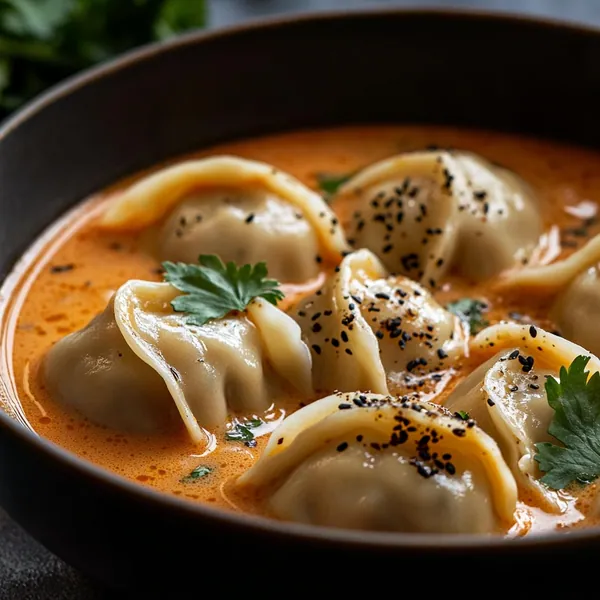
Infuse the broth with Thai curry paste, coconut milk, and lemongrass. Garnish with fresh basil and lime juice to enhance the Southeast Asian flavor profile.
5. Low-Carb or Keto-Friendly:
Skip the dumplings entirely and use zucchini noodles, shirataki noodles, or simply extra vegetables in a richly seasoned broth. Alternatively, add just one or two potstickers to reduce carbs.
6. Egg Drop Potsticker Soup:
Swirl in a beaten egg while the broth simmers to create silky egg ribbons, adding protein and texture.
These variations allow home cooks to adapt potsticker soup to their taste preferences and nutritional goals, making it a highly flexible and crowd-pleasing dish.
Serving Suggestions & Garnishes
Presentation and accompaniments can elevate potsticker soup from a simple meal to a restaurant-worthy experience. Here are a few ways to serve it for maximum enjoyment:
Garnishes:
Top each bowl with freshly sliced green onions, chopped cilantro, or sesame seeds. A dash of chili oil or a spoonful of garlic crisp can add both flavor and visual appeal. For added crunch, crushed roasted peanuts or fried shallots work beautifully.
Serving Style:
Potsticker soup is best served hot in wide, shallow bowls to allow the dumplings and vegetables to be displayed. Offer chopsticks and a soup spoon for an authentic touch.
Side Dishes:
Pair with steamed edamame, cucumber salad, or a light Asian slaw. For a heartier meal, serve alongside scallion pancakes, spring rolls, or steamed buns.
Customizing the presentation and pairings adds a thoughtful touch to an already flavorful and satisfying dish.
Potsticker Soup for Meal Prep & Storage Tips
Potsticker soup can be an excellent option for meal prep, but there are a few guidelines to follow to maintain its quality and texture over time.
Make in Components:
For best results, prepare the broth and vegetables separately from the dumplings. Store them in separate containers in the refrigerator. This prevents the potstickers from becoming soggy or breaking apart.
Refrigerator Storage:
The soup base can be stored in an airtight container in the fridge for up to 4 days. Reheat on the stovetop or in the microwave before serving. If dumplings have already been added, try to reheat them gently to avoid overcooking.
Freezing Tips:
You can freeze the broth and vegetables together, but freeze potstickers separately on a tray before transferring to a freezer bag. Add frozen dumplings directly to hot broth when ready to serve.
Reheating Suggestions:
When reheating, bring the broth to a simmer, then add frozen or refrigerated potstickers just before serving. Avoid prolonged boiling to maintain their texture.
Batch Cooking:
Consider doubling the broth recipe and freezing it in individual portions. This allows for quick assembly of potsticker soup anytime, using frozen dumplings and fresh veggies.
With these tips, potsticker soup becomes a reliable go-to meal for busy weeks.
Common Mistakes to Avoid
Despite its simplicity, there are a few common mistakes that can impact the taste and texture of potsticker soup.
1. Overcooking the Potstickers:
Leaving dumplings in the soup too long causes them to break apart or become mushy. Always add them last and cook only until heated through.
2. Using a Weak Broth:
A bland broth can make the entire dish taste flat. Use high-quality chicken or vegetable broth and don’t skip the aromatics like garlic, ginger, and soy sauce. Taste and adjust seasoning before serving.
3. Not Pre-cooking Potstickers:
If using pan-fried dumplings, crisp them first in a skillet before adding to the soup. This provides texture and prevents sogginess. Boiling dumplings directly in the broth is fine, but requires gentle handling.
4. Overloading with Vegetables:
While veggies add nutrition, too many or the wrong types (like starchy potatoes) can overwhelm the broth. Stick to light, quick-cooking greens like bok choy or napa cabbage.
5. Skipping Acid or Heat:
Balance is key. A touch of rice vinegar or citrus can brighten the broth, and a bit of chili adds contrast. Without these elements, the flavor may fall flat.
Avoiding these mistakes ensures a consistently flavorful and satisfying soup every time.

Nutritional Value and Dietary Considerations
Potsticker soup is a balanced meal that can be adjusted to meet various dietary needs. Its nutritional profile will vary based on the ingredients used, particularly the type of potstickers and broth.
General Nutrition (per serving):
-
Calories: 300–500 (depending on dumpling quantity and filling)
-
Protein: 12–20g
-
Fat: 10–20g
-
Carbohydrates: 30–40g
-
Sodium: 700–1200mg (largely from broth and soy sauce)
Low-Sodium Tips:
Use low-sodium broth and reduced-sodium soy sauce to keep sodium levels in check.
Gluten-Free Option:
Choose gluten-free potstickers and tamari instead of soy sauce. Be cautious with broth ingredients, as some store-bought versions contain wheat.
Vegan and Vegetarian Versions:
Substitute animal-based dumplings with tofu, vegetable, or mushroom dumplings. Use vegetable broth and skip animal-based seasonings like fish sauce.
Keto or Low-Carb Variation:
Limit or exclude dumplings and add more low-carb vegetables like mushrooms, cabbage, or zucchini. A rich broth with high-fat ingredients like sesame oil helps boost satiety.
Potsticker soup can easily be tailored to fit a range of dietary lifestyles, making it a flexible and inclusive meal option.
Expert Tips from Chefs & Home Cooks
Experienced chefs and home cooks alike offer tips to elevate your potsticker soup from basic to exceptional.
Chef Tip – Layer Your Aromatics:
Sauté garlic, ginger, and scallions in oil before adding broth. This deepens the flavor profile and creates a more aromatic base.
Home Cook Hack – Crisp First, Then Simmer:
For extra texture, pan-fry potstickers until golden before adding to soup. It prevents sogginess and adds a satisfying bite.
Use High-Quality Broth:
Many recommend using homemade or premium broth for the best results. If using store-bought, fortify it with a splash of soy sauce, a few slices of ginger, and a drizzle of sesame oil.
Add a Finishing Oil:
A spoonful of chili crisp or sesame oil added at the end of cooking adds complexity and visual appeal.
Don’t Overcrowd the Pot:
Cook potstickers in batches if necessary to maintain their structure and prevent sticking.
These simple adjustments can dramatically improve the taste and texture of the final dish.
FAQs Section
Can I use frozen potstickers in soup?
Yes, frozen potstickers are ideal for potsticker soup. They can be cooked directly in the broth or pan-fried first for added texture. Just be sure to follow cooking instructions to avoid overcooking.
How do you keep potstickers from falling apart in soup?
Avoid overcooking them and handle gently. If using frozen dumplings, don’t thaw them beforehand. Add them to simmering broth and cook just until done, or cook separately and add them just before serving.
Can you make potsticker soup in a slow cooker or Instant Pot?
Yes, you can make the broth and vegetables in either. However, it’s best to cook potstickers separately and add them at the end to prevent disintegration. Use the sauté function on the Instant Pot for more control.
What kind of broth is best for potsticker soup?
Chicken or vegetable broth works well. For more depth, add aromatics like ginger, garlic, scallions, and soy sauce. Miso or dashi broths can also add umami.
How long does potsticker soup last in the fridge?
If stored properly, the broth and vegetables last up to 4 days. Potstickers are best kept separate and added just before reheating for best texture.
Can you air fry potstickers before adding to soup?
Yes. Air frying gives them a crispy exterior, which adds great texture to the soup. Add them right before serving to maintain crispness.
Is potsticker soup healthy?
It can be. Use lean dumplings, low-sodium broth, and load up on veggies. It’s easily adjustable for specific dietary needs like vegan, low-carb, or gluten-free.
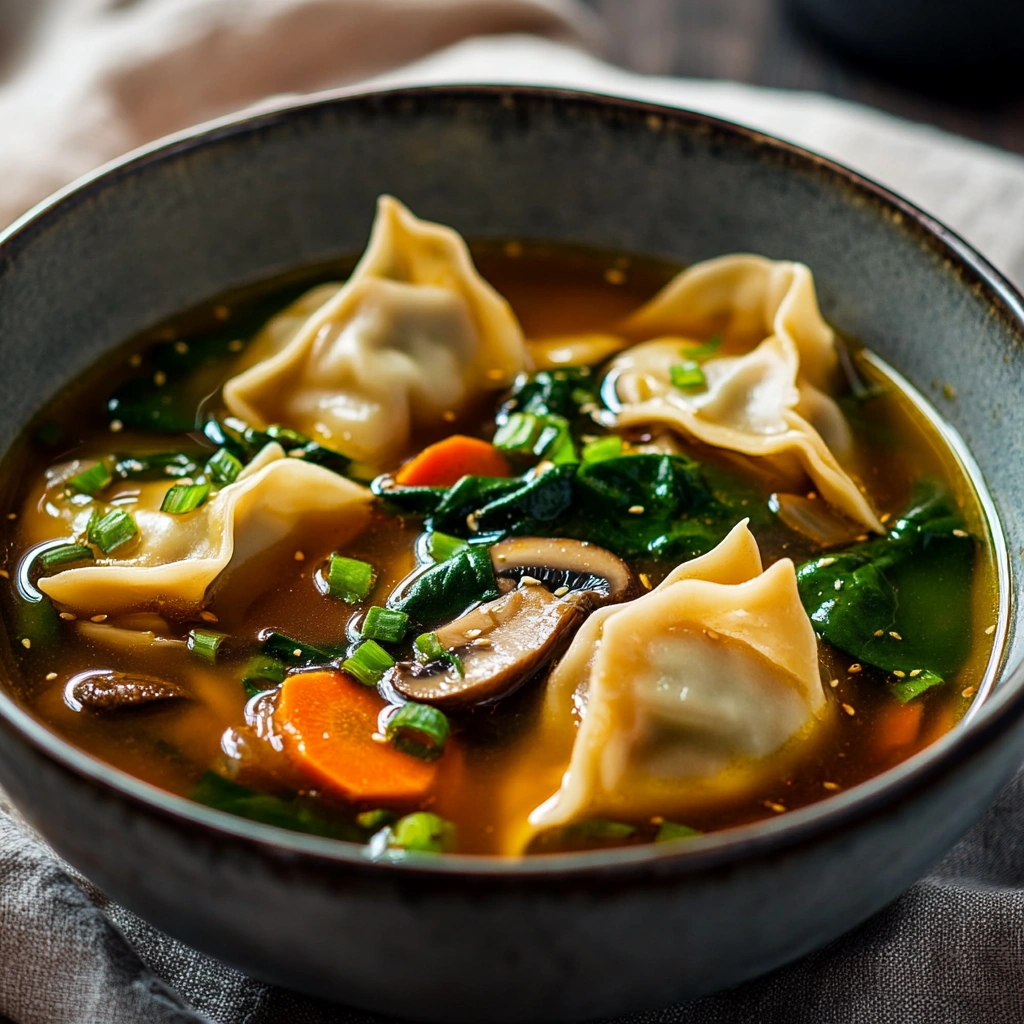
Potsticker Soup
This Potsticker Soup is a fast, flavorful, and comforting meal that combines tender dumplings with a rich, aromatic broth. Perfect for a weeknight dinner or a cozy weekend lunch, this soup is made with frozen or homemade potstickers simmered in a savory broth flavored with garlic, ginger, soy sauce, and fresh vegetables. Easily customizable, you can make it spicy, vegetarian, or even low-carb. It’s a one-pot dish that delivers satisfying flavor with minimal prep and cleanup.
Ingredients
- 12–15 frozen potstickers (store-bought or homemade)
- 4 cups chicken broth (or vegetable broth for vegetarian option)
- 1 tablespoon soy sauce
- 1 tablespoon sesame oil
- 2 teaspoons grated ginger
- 2 cloves garlic, minced
- 2–3 green onions, chopped (for garnish)
- 1/2 cup sliced mushrooms (optional)
- 1/2 cup spinach or bok choy (optional)
- 1 tablespoon rice vinegar (optional)
- Salt and pepper to taste
- 1 teaspoon chili oil or red pepper flakes (optional)
Instructions
- Prepare the Broth: Heat sesame oil in a large pot over medium heat. Add garlic and ginger, sautéing for 1 minute until fragrant. Pour in chicken or vegetable broth, soy sauce, and optional rice vinegar. Simmer for 5–10 minutes.
- Cook the Potstickers and Vegetables: Add frozen potstickers to the simmering broth, cooking for 5–7 minutes until heated through. Stir in mushrooms or spinach during the last few minutes.
- Season the Soup: Adjust seasoning with salt, pepper, and chili oil for a spicy kick. Remove the pot from heat.
- Serve and Garnish: Ladle soup into bowls, ensuring an even mix of broth, potstickers, and vegetables. Garnish with green onions and a drizzle of sesame oil.