Few dishes capture the heartwarming appeal of comfort food like potsticker soup. A harmonious marriage of pan-fried dumplings and savory broth, this dish delivers both texture and depth of flavor in every spoonful. Whether served as a weeknight supper or an elegant starter at a dinner party, potsticker soup appeals to cooks of all skill levels: store-bought wrappers and frozen dumplings streamline preparation, while homemade fillings and stocks reward the adventurous with deeper character. In this article, you’ll discover how to select and prepare ingredients, master essential techniques, and customize the soup to suit your taste—plus tips for equipment, troubleshooting, and creative variations. By the end, you’ll have everything you need to create a steaming bowl of potsticker soup that balances crisp, golden-seared dumplings with an aromatic, umami-rich broth. Let’s embark on a culinary journey that transforms humble components into a dish worthy of any menu.
What Is Potsticker Soup?
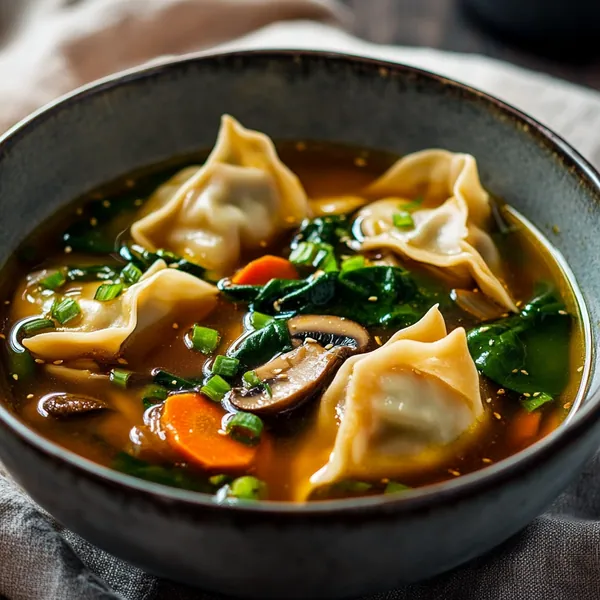
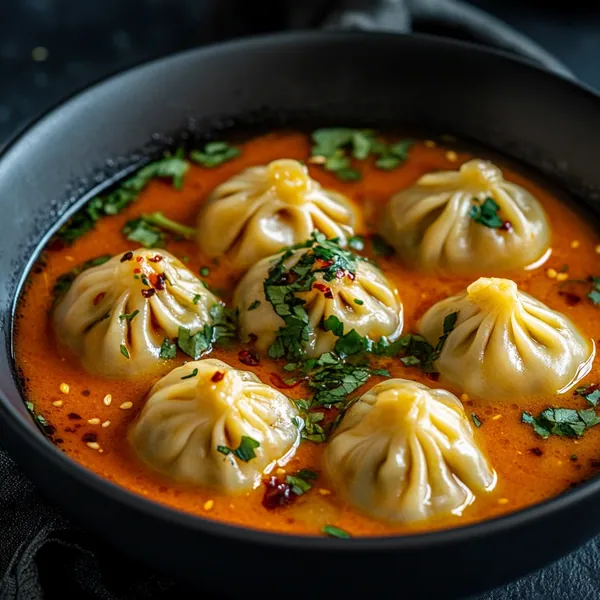
Potsticker soup elevates the classic potsticker—also known as a Chinese pan-fried dumpling—by immersing it in a seasoned broth instead of serving it alongside dipping sauces. Traditional potstickers feature a thin wheat wrapper filled with minced meat (often pork), vegetables, and aromatics; they are typically pan-seared on one side to achieve a crispy “skirt,” then steamed to cook through. In potsticker soup, that same wrapper-encased parcel is poached or briefly pan-fried before simmering in broth, allowing the dough to soften slightly while retaining enough bite to contrast with the liquid. The result is a textural interplay between tender, juicy dumplings and flavorful stock redolent of ginger, garlic, soy, and scallions. Often garnished with fresh herbs, chili oil, or a splash of vinegar, potsticker soup is both hearty and nuanced, bridging the gap between dumpling appetizers and comforting Asian-inspired soups.
Origins & Culinary History
The story of potstickers begins with the Chinese jiaozi, believed to have been invented during the Eastern Han Dynasty (25–220 CE) by Zhang Zhongjing, a distinguished physician who used meat-filled dumplings to combat frostbite and nourish patients in winter. These early jiaozi were boiled; over centuries, cooks experimented with pan-frying techniques to create variations that were crisp on one side and tender elsewhere. The term “potsticker” emerged in English-language Chinese restaurants in mid-20th-century America—likely a translation of the Mandarin “guōtiē” (锅贴), meaning “pot stick”—and quickly became a staple of American-style Chinese menus.
While jiaozi remain integral to regional Chinese New Year celebrations and family gatherings, potstickers gained fame for their pleasing contrast of textures. In parallel, the idea of serving dumplings in soup appears in northern Chinese cuisine, where hearty broths often carried meatballs or filled dough pockets to stretch ingredients and satisfy colder climates. It wasn’t until the late 20th century that chefs began combining the pan-frytasted potsticker with soup presentation, creating a crossover dish that appeals to both dumpling aficionados and soup lovers. In contemporary kitchens worldwide, potsticker soup reflects global tastes: chefs riff on the broth (incorporating miso, coconut, or tom yum flavors) and fillings (pork, chicken, seafood, or vegetables), while home cooks embrace shortcuts like frozen dumplings. The result is a dynamic, hybrid comfort food that honors ancient traditions while adapting to modern, fast-paced lifestyles.
Key Ingredients
-
Dumplings: At the heart of the dish are potstickers—choose high-quality fresh or frozen wrappers filled with pork, chicken, shrimp, or vegetables. Pork mixed with napa cabbage, ginger, garlic, and scallion is classic; vegetarian versions often combine tofu, shiitake mushrooms, and spinach.
-
Broth Base: A rich, clear broth is essential. Homemade chicken stock yields the deepest flavor, but good-quality low-sodium store-bought stock works well in a pinch. Vegetable stock makes the soup vegetarian-friendly, and beef or pork broth can add unctuous depth.
-
Aromatics & Seasonings: Fresh ginger and garlic provide warmth and complexity; thinly sliced scallions add brightness. Season the broth with soy sauce (light or dark), a dash of sesame oil for nuttiness, and rice vinegar or Shaoxing wine for acidity.
-
Vegetable Add-Ins: To bulk out the soup and add color, include bok choy, baby spinach, shiitake or enoki mushrooms, or thinly sliced carrots. Pea shoots or bean sprouts lend freshness.
-
Garnishes: Offer versatility with toppings like chopped cilantro, chili oil or sliced fresh chile, toasted sesame seeds, or fried garlic. A drizzle of chili crisp or a sprinkle of white pepper can elevate the final bowl.
Tools & Equipment You’ll Need
-
Heavy-Bottomed Pot or Dutch Oven: Ideal for simmering broth and cooking dumplings without hot spots.
-
Nonstick Skillet (Optional): If you want to pan-fry dumplings first for extra crispness, use a wide nonstick or cast-iron skillet.
-
Mixing Bowls: For combining any homemade filling ingredients and seasoning the broth separately before adding to the pot.
-
Slotted Spoon or Spider Strainer: Makes retrieving poached dumplings easy while leaving excess broth behind.
-
Ladle and Soup Bowls: Deep, wide bowls allow each serving to accommodate both dumplings and broth comfortably; a large ladle ensures even portioning.
-
Sharp Knife and Cutting Board: For chopping vegetables, aromatics, and garnishes.
-
Measuring Spoons and Cups: Accurate seasoning and liquid ratios ensure a balanced soup.

Step-by-Step Recipe
-
Prepare the Broth (10 minutes prep, 20 minutes simmer)
-
In your heavy pot, heat 1 Tbsp neutral oil over medium heat. Add 2 Tbsp minced ginger and 2 Tbsp minced garlic; sauté until fragrant (about 1 minute).
-
Pour in 6 cups of chicken or vegetable stock. Stir in 2 Tbsp light soy sauce, 1 Tbsp rice vinegar, and 1 tsp sesame oil. Bring to a gentle boil, then reduce heat and simmer while you prep other components.
-
-
Make or Thaw Dumplings (If Homemade: 15 minutes; If Frozen: skip ahead)
-
Homemade Filling: In a bowl, combine ½ lb ground pork (or alternative protein) with ¼ cup finely chopped napa cabbage, 2 tsp grated ginger, 1 tsp minced garlic, 1 Tbsp soy sauce, 1 tsp sesame oil, and a pinch of salt. Stir until sticky.
-
Assemble Wrappers: Place 1 tsp filling in center of each wrapper, moisten edges with water, fold into half-moon shapes, pleating to seal.
-
Frozen Dumplings: Remove wrappers from freezer; no need to thaw before cooking.
-
-
Cook the Dumplings
-
Option A: Pan-Fry + Poach (Extra Crisp): In a nonstick skillet over medium-high, add 1 Tbsp oil. Arrange dumplings flat-side down and cook until the bottoms turn golden (2–3 minutes). Transfer seared dumplings gently into the simmering broth.
-
Option B: Direct Poach (Simplest): Gently drop dumplings into simmering broth, stir once to prevent sticking, and cook for 6–8 minutes (fresh) or 8–10 minutes (frozen), until wrappers are translucent and filling is cooked through.
-
-
Add Vegetables (Optional, 2 minutes)
-
In the last 2 minutes of cooking, add 2 cups chopped bok choy or spinach and 1 cup sliced mushrooms. Cook until just wilted.
-
-
Finish and Serve (2 minutes)
-
Taste and adjust seasoning with soy sauce or salt.
-
Ladle soup and dumplings into bowls. Top each serving with chopped scallions, cilantro sprigs, and a drizzle of chili oil or sesame oil. Serve immediately.
-
Estimated total time: 35–40 minutes. Enjoy your homemade potsticker soup, a versatile dish that combines the best of dumplings with comforting broth!
Flavor Variations & Customizations
Potsticker soup lends itself beautifully to creative reinterpretations. By swapping proteins, altering the broth base, adjusting the heat level, or experimenting with garnishes, you can tailor the dish to your palate or dietary needs.
-
Protein Swaps
-
Shrimp or Seafood: Replace pork or chicken with chopped shrimp, scallops, or a seafood blend. Combine with minced garlic, ginger, and a touch of fish sauce for a briny accent.
-
Tofu & Vegetable: For a vegetarian or vegan option, use firm tofu crumbles mixed with finely chopped shiitake mushrooms, carrots, and greens. Season with soy sauce, sesame oil, and a pinch of white pepper.
-
Lamb or Beef: Ground lamb or beef can yield a richer, heartier dumpling. Incorporate cumin, coriander, and chili flakes to echo Middle Eastern flavors.
-
-
Broth Twists
-
Miso Broth: Stir 2–3 tablespoons of white or red miso paste into the simmering stock for umami depth. Add a splash of mirin and sliced green onions.
-
Tom Yum–Style: Infuse the broth with crushed lemongrass, kaffir lime leaves, galangal, and bird’s-eye chilies. Finish with fish sauce and lime juice to balance heat and acidity.
-
Coconut Curry: Blend coconut milk and red curry paste into the stock. Garnish with fresh cilantro and a squeeze of lime for a Southeast Asian flair.
-
-
Spice Levels & Heat
-
Chili Crisp or Oil: Drizzle homemade or store-bought chili crisp over each bowl for crunchy, aromatic heat.
-
Szechuan Peppercorn: Lightly toast and grind peppercorns into the broth to introduce a numbing, tongue-tingling sensation.
-
Fresh Chiles: Thinly slice jalapeño, Thai bird’s-eye, or serrano peppers and float on top.
-
-
Garnish Ideas
-
Herbs & Greens: Cilantro, Thai basil, or mint bring freshness.
-
Aromatics: Sprinkle fried garlic or shallots for texture.
-
Seeds & Nuts: Toasted sesame seeds, crushed peanuts, or cashews add crunch.
-
Citrus Zest: A bit of lime or lemon zest brightens the broth.
-
-
Textural Add-Ins
-
Noodles: Add rice noodles, soba, or udon to make the soup more substantial.
-
Vegetable Noodles: Spiralized zucchini or carrot ribbons provide a low-carb option.
-
Beans & Legumes: A handful of edamame or white beans can increase protein and fiber.
-
By mixing and matching these elements, you can reinvent potsticker soup as often as you like—each version showcasing a new interplay of flavor, texture, and aroma.
Pairing & Serving Suggestions
Presenting potsticker soup alongside complementary dishes and beverages elevates it from a simple weeknight meal to a memorable dining experience.
-
Side Dishes
-
Scallion Pancakes: Crispy, flaky, and savory, scallion pancakes contrast nicely with the silky broth and tender dumplings.
-
Pickled Vegetables: Quick-pickled cucumbers, daikon radish, or kimchi cut through richness and add a refreshing crunch.
-
Asian Slaw: A slaw of shredded cabbage, carrots, and cilantro dressed in rice vinegar and sesame oil brings brightness.
-
-
Beverage Matches
-
Green or Jasmine Tea: The light astringency of tea cleanses the palate between bites without overpowering subtle broth notes.
-
Sake (Cold or Warm): A dry Junmai pairs well with seafood or vegetable versions, while a richer Honjozo complements pork or lamb dumplings.
-
Light Lager or Pilsner: A crisp beer harmonizes with the umami and spice elements, offering effervescence to cut through fat.
-
-
Presentation Tips
-
Wide, Shallow Bowls: Showcase both broth and dumplings, allowing garnishes to float elegantly.
-
Layering: First ladle broth, then arrange dumplings on top; finish with garnishes for visual appeal.
-
Communal Serving: Set bowls family-style with bowls of condiments—soy sauce, chili oil, sesame seeds—so guests can customize.
-
-
Accompaniments for Entertaining
-
DIY Assembly Station: Offer pre-made dumplings, broth, and toppings separately for an interactive soup bar.
-
Small Plates: Provide rice crackers, edamame, or seaweed salad as light starters.
-
Dessert Pairing: Conclude with a light fruit sorbet or mango sticky rice to contrast savory flavors.
-
These pairings and serving ideas ensure that every aspect of your potsticker soup meal—from first sip to last bite—delights the senses and leaves guests satisfied.

Nutritional Breakdown
A standard serving of homemade potsticker soup (approximately 2 cups with 6 dumplings) offers a balanced blend of macronutrients, though exact values will vary based on ingredients and portion sizes.
| Component | Per Serving (Estimate) |
|---|---|
| Calories | 350–400 kcal |
| Protein | 20–25 g |
| Carbohydrates | 30–35 g |
| Fat | 15–18 g |
| Fiber | 2–4 g |
| Sodium | 800–1,000 mg* |
-
Protein comes primarily from the meat, seafood, or tofu in the dumplings.
-
Carbohydrates derive from the wrappers and any added noodles or vegetables.
-
Fat reflects the oil used for pan-frying and the filling’s fat content.
-
Sodium can be significant due to soy sauce and broth; opting for low-sodium stock and light soy sauce helps moderate it.
Lightening Tips
-
Use whole-wheat or lower-carb wrappers and lean fillings (chicken breast or tofu).
-
Substitute half the broth with water and increase aromatics for flavor.
-
Minimize oil in pan-frying or skip crisping to reduce added fat.
-
Bulk up the soup with extra vegetables (bok choy, mushrooms, zucchini ribbons) to increase volume and fiber without many calories.
Expert Tips & Common Pitfalls
-
Preventing Dumplings from Falling Apart
-
Seal Thoroughly: Moisten wrapper edges with water, press firmly, and pleat to lock in filling. Ensure no air pockets remain.
-
Gentle Handling: Use a slotted spoon or spider strainer; avoid stirring vigorously once in the broth.
-
-
Achieving Perfect Crisp on Pan-Fried Dumplings
-
Hot Pan & Oil: Preheat skillet and oil until shimmering before adding dumplings to avoid sticking.
-
Even Spacing: Arrange dumplings without crowding for uniform browning.
-
Steam-Finish: After searing, add a small amount of water and cover briefly to steam through without burning the bottoms.
-
-
Maintaining Clear, Flavorful Broth
-
Skim Impurities: As the stock simmers, skim any foam or fat that rises to keep the liquid clear.
-
Don’t Boil Vigorously: A gentle simmer preserves clarity and prevents dumplings from breaking apart.
-
-
Balancing Seasoning
-
Layer Saltiness: Season aromatics, broth, and finishing garnishes incrementally. Taste before serving.
-
Acidity & Heat: A dash of rice vinegar or squeeze of lime balances richness; chili oil or fresh chiles add dimension.
-
-
Avoiding Soggy Wrappers
-
Timing: Don’t add dumplings too early; cook them just before serving to maintain wrapper texture.
-
Portion Control: Serve immediately rather than letting soup sit, which softens wrappers excessively.
-
FAQs
-
Can I use frozen potstickers instead of making my own?
Absolutely. Frozen potstickers save prep time and can go straight into simmering broth or be pan-fried first. Increase cook time by 1–2 minutes to ensure they heat through. -
What’s the best broth for potsticker soup?
Homemade chicken stock provides the richest flavor, but low-sodium store-bought chicken or vegetable broth works well. For deeper umami, mix in a tablespoon of mushroom soy or add dried shiitake soaking liquid. -
How do I prevent dumplings from sticking to the pot?
Ensure enough liquid covers the dumplings, stir gently once after adding, and use a nonstick or well-seasoned pot. A drizzle of oil in the broth can also help. -
Can I make this recipe vegetarian or vegan?
Yes. Use vegetable stock, replace meat with tofu or mushroom-vegetable filling, and swap dark soy for tamari. Garnish with sesame oil and fresh herbs for extra flavor. -
How should I store and reheat leftovers?
Refrigerate soup (without garnishes) in an airtight container for up to 3 days. Reheat gently on the stovetop over low heat—avoid boiling to prevent dumplings from disintegrating. Add fresh garnishes just before serving. -
Is it possible to freeze homemade potsticker soup?
Freezing dumplings in broth can lead to soggy wrappers. Instead, freeze uncooked dumplings separately; store broth in freezer-safe containers. Thaw broth and cook dumplings fresh for best texture. -
What variations can I make for dietary restrictions?
For gluten-free, seek rice-flour wrappers or make your own with tapioca and rice flour. For low-sodium diets, opt for reduced-salt stock and minimal added salt, emphasizing fresh aromatics to boost flavor.

Potsticker Soup
Potsticker Soup combines the irresistible chew of pan-seared dumplings with a fragrant, umami-rich broth for a meal that’s both comforting and refined. Tender pork (or your choice of protein) and vegetable-filled wrappers are first crisped on one side, then gently simmered in a seasoned stock redolent of ginger, garlic, soy, and sesame. Bright greens and mushrooms lend color and texture, while finishing touches—scallions, cilantro, chili oil—add vibrancy to every spoonful. Whether you choose to assemble dumplings from scratch or streamline with frozen potstickers, this adaptable soup comes together in under an hour, making it perfect for busy weeknights, weekend gatherings, or when you simply crave a bowl of homemade warmth.
Ingredients
- 12-15 frozen potstickers (store-bought or homemade)
- 4 cups chicken broth (or vegetable broth for a vegetarian option)
- 1 tablespoon soy sauce
- 1 tablespoon sesame oil
- 2 teaspoons grated ginger
- 2 cloves garlic, minced
- 2-3 green onions, chopped (for garnish)
- 1/2 cup sliced mushrooms (optional)
- 1/2 cup spinach or bok choy (optional)
- 1 tablespoon rice vinegar (optional, for a little tang)
- Salt and pepper to taste
- 1 teaspoon chili oil or red pepper flakes (optional, for a spicy kick)
Instructions
- Prepare the Broth (10 minutes prep, 20 minutes simmer) In your heavy pot, heat 1 Tbsp neutral oil over medium heat. Add 2 Tbsp minced ginger and 2 Tbsp minced garlic; sauté until fragrant (about 1 minute).
- Pour in 6 cups of chicken or vegetable stock. Stir in 2 Tbsp light soy sauce, 1 Tbsp rice vinegar, and 1 tsp sesame oil. Bring to a gentle boil, then reduce heat and simmer while you prep other components.
- Make or Thaw Dumplings (If Homemade: 15 minutes; If Frozen: skip ahead) Homemade Filling: In a bowl, combine ½ lb ground pork (or alternative protein) with ¼ cup finely chopped napa cabbage, 2 tsp grated ginger, 1 tsp minced garlic, 1 Tbsp soy sauce, 1 tsp sesame oil, and a pinch of salt. Stir until sticky.
- Assemble Wrappers: Place 1 tsp filling in center of each wrapper, moisten edges with water, fold into half-moon shapes, pleating to seal.
- Frozen Dumplings: Remove wrappers from freezer; no need to thaw before cooking.
- Cook the Dumplings Option A: Pan-Fry + Poach (Extra Crisp): In a nonstick skillet over medium-high, add 1 Tbsp oil. Arrange dumplings flat-side down and cook until the bottoms turn golden (2–3 minutes). Transfer seared dumplings gently into the simmering broth.
- Option B: Direct Poach (Simplest): Gently drop dumplings into simmering broth, stir once to prevent sticking, and cook for 6–8 minutes (fresh) or 8–10 minutes (frozen), until wrappers are translucent and filling is cooked through.
- Add Vegetables (Optional, 2 minutes) In the last 2 minutes of cooking, add 2 cups chopped bok choy or spinach and 1 cup sliced mushrooms. Cook until just wilted.
- Finish and Serve (2 minutes) Taste and adjust seasoning with soy sauce or salt.
- Ladle soup and dumplings into bowls. Top each serving with chopped scallions, cilantro sprigs, and a drizzle of chili oil or sesame oil. Serve immediately.