In this article
Pastel de Nata – Portugal’s Sweetest Icon
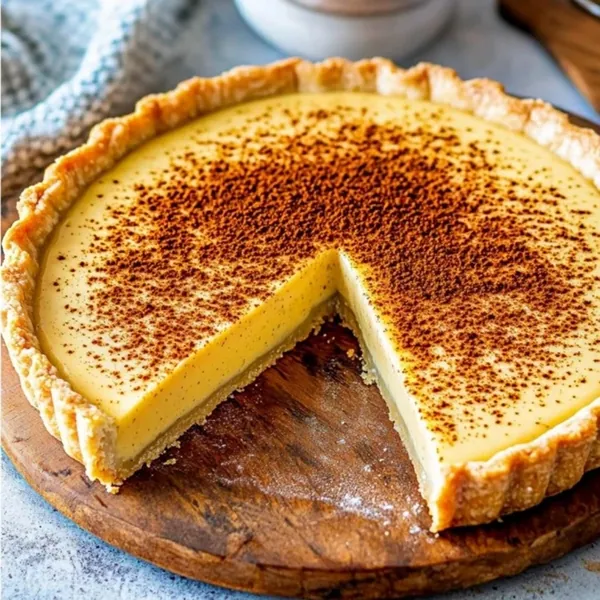
Few pastries in the world are as enchanting as Pastel de Nata, Portugal’s beloved custard tart. With a gloriously flaky puff pastry shell and a creamy, blistered custard filling, they’re a bite-sized treat that somehow manages to feel both rustic and luxurious.
Whether you’ve tasted these iconic tarts in the winding streets of Lisbon or you’re curious to try them at home, this simplified version makes them totally achievable for any level of baker. No special tins or obscure ingredients required—just patience, good-quality puff pastry, and a few clever techniques.
The magic of a good Pastel de Nata lies in contrast: the shattering crisp of pastry against silky, eggy custard; the deep caramelised tops against subtle citrus and spice. Serve them warm with a dusting of cinnamon and a cup of coffee, and you’re halfway to Portugal without leaving your kitchen.
🧾 Ingredients Breakdown
For the custard:
-
Whole milk – 250ml
-
Cinnamon stick – 1
-
Lemon zest – 1 strip (use a vegetable peeler for a clean strip)
-
Plain flour – 15g
-
Caster sugar – 150g
-
Water – 50ml
-
Egg yolks – 4 (room temperature)
-
Vanilla extract – 1 tsp
For the pastry:
-
Ready-rolled puff pastry – 1 sheet (about 320g)
-
Butter – 25g, melted (for brushing)
To dust:
-
Ground cinnamon
🔪 Method: Part 1 – Infuse, Mix, and Prep
1. Infuse the Milk
Start by infusing flavour into the milk. In a small saucepan, heat the 250ml of whole milk with the cinnamon stick and strip of lemon zest until it’s steaming—not boiling. Remove from the heat and let it steep for about 15 minutes. This step builds that subtle but signature flavour into the custard. Strain and set aside.
2. Make the Sugar Syrup
While your milk is steeping, combine 150g caster sugar and 50ml water in a small saucepan. Bring to a gentle boil and let it simmer for about 3 minutes, just until slightly thickened but not caramelised. Remove from heat.
3. Mix the Custard Base
In a large bowl, whisk 15g plain flour with a splash of your warm milk to make a smooth paste. Gradually whisk in the remaining infused milk, then slowly add the warm sugar syrup while continuing to whisk. Let the mixture cool slightly before whisking in the 4 egg yolks and 1 tsp vanilla extract. Strain the whole mixture through a fine sieve for a smooth custard.
Next up: shaping your pastry, baking at high heat, and achieving that irresistible caramelised top.

Roll, Shape, Bake – The Secret to Perfect Pastel de Nata
4. Prepare the Pastry
Now for the signature spiral crust. Lay out your ready-rolled puff pastry sheet, then brush it evenly with 25g melted butter. Starting from one short edge, roll the pastry tightly into a log, like a cinnamon roll. This helps form those flaky, layered sides.
Wrap the pastry log in cling film and chill for 10–15 minutes—this helps it slice neatly and hold its shape when baked.
5. Slice and Press
Once chilled, slice the pastry log into 12 equal rounds. Each round should resemble a little swirl. Place one round into each cup of a greased muffin tin. Using your thumbs, press the pastry evenly across the base and up the sides to create a thin, even shell.
Don’t worry if it doesn’t look perfect—those uneven edges actually create the beautifully rustic tarts you see in Portugal.
6. Fill and Bake
Preheat your oven to 220°C fan (or 240°C conventional). Spoon the custard mixture into each pastry cup, filling them about ¾ full. Carefully transfer to the oven and bake for 15–18 minutes, or until the custard is set and the tops have developed blistered, dark golden spots.
If your oven has a hot top heat setting or grill, you can blast the tarts for 1–2 extra minutes at the end for more caramelised tops—just watch closely to avoid burning.
7. Cool and Serve
Let the tarts cool in the pan for a few minutes, then carefully lift them out and transfer to a wire rack. Serve them warm, lightly dusted with ground cinnamon.
💡 Expert Tips
-
Crisper pastry? Chill the rolled pastry log before slicing for defined layers.
-
No muffin tin? Use silicone muffin moulds or even free-form tartlets on a greased tray—just make sure the base is sealed.
-
Make ahead: The custard can be prepped 1–2 days in advance and stored in the fridge. Just bake the pastry fresh for best texture.
Now let’s wrap it all up with FAQs, tips, and a full recipe summary for easy saving.
FAQ + Final Thoughts
Frequently Asked Questions
1. Can I use store-bought puff pastry?
Yes, ready-rolled puff pastry works perfectly and saves a lot of time. Just make sure it’s well-chilled before slicing.
2. How do I avoid soggy bottoms?
Bake at a high heat and don’t overfill the pastry. Let the tarts rest in the pan briefly before removing to avoid steam softening the bottoms.
3. Can I make these dairy-free?
You can try with a full-fat oat milk or almond milk, but the texture may be less creamy.
4. What causes the dark spots on top?
That’s traditional! The dark, blistered spots form when the sugar in the custard caramelises under high heat—it’s a sign of authenticity.
5. How long do they keep?
They’re best eaten the day they’re baked, but you can store leftovers in the fridge for up to 2 days and reheat gently before serving.
6. Can I freeze them?
Yes, freeze once cooled. Reheat at 180°C for 8–10 minutes to restore crispness.
🥧 Final Thoughts: Bring Lisbon to Your Kitchen
Whether you’ve had these iconic tarts at Pastéis de Belém or it’s your first time baking custard from scratch, this recipe is a reliable and rewarding way to bring a little Lisbon sunshine to your table.
Pastel de Nata might look fancy, but with just a few basic ingredients and a bit of care, you’ll be surprised how accessible they are at home. That contrast of crackly, golden pastry and luscious vanilla-cinnamon custard is worth every step.
Bake them once, and they’ll become a regular request in your kitchen. Serve them warm, share with friends, and enjoy the compliments.

Pastel de Nata (Portuguese Custard Tarts)
Make authentic Pastel de Nata—Portugal’s beloved custard tarts—at home with this simplified, no-fuss recipe. Featuring flaky puff pastry and a smooth, cinnamon-vanilla custard, these mini tarts are baked at high heat for that signature caramelised top. Perfect for coffee breaks, desserts, or impressing guests, they’re easier to make than you think and absolutely irresistible fresh from the oven.
Ingredients
- 250ml whole milk
- 1 cinnamon stick
- 1 strip of lemon zest
- 15g plain flour
- 150g caster sugar
- 50ml water
- 4 egg yolks
- 1 tsp vanilla extract
- 1 sheet ready-rolled puff pastry (320g)
- 25g butter, melted
- Ground cinnamon
Instructions
- Heat milk with cinnamon and lemon zest. Let steep 15 mins, then strain.
- Boil sugar and water for 3 mins. Mix flour with a little milk, then add remaining milk and sugar syrup gradually.
- Cool slightly, whisk in yolks and vanilla. Strain the custard.
- Brush pastry with butter, roll into a log, chill, and cut into 12 slices.
- Press slices into greased muffin tin. Fill ¾ full with custard.
- Bake at 220°C (fan) for 15–18 mins until golden and blistered.
- Cool slightly, then dust with cinnamon and serve warm.