In this article
- What Makes “Not Yo’ Mama’s Banana Pudding” Unique?
- Origins and History of Banana Pudding
- Core Ingredients and Their Roles
- Equipment and Prep Checklist
- Step-by-Step Recipe: Making the Custard
- Assembling the Layers: Techniques and Tips
- Baking vs. No-Bake Variations
- Creative Mix-ins and Flavor Twists
- Serving Suggestions and Presentation
- Storage and Make-Ahead Strategies
- Troubleshooting Common Issues
- Conclusion and Key Takeaways
- FAQs
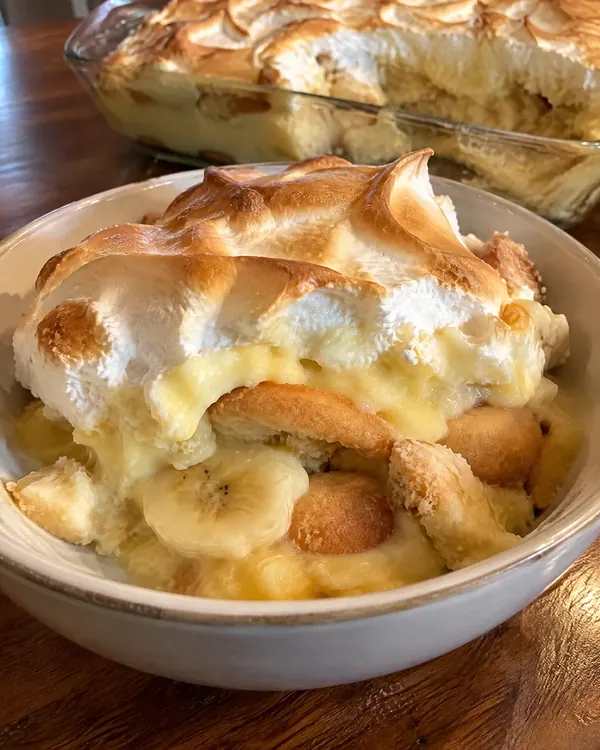
Banana pudding is a beloved Southern dessert, but “Not Yo’ Mama’s Banana Pudding” elevates this classic to new heights. This modern rendition layers velvety custard with thin, crisp cookie slices and ripe bananas, then crowns the ensemble with a light, airy meringue that’s toasted to golden perfection. The result is a symphony of textures—silky cream, tender fruit, and delicate crunch—that dance on the palate. Beyond its irresistible mouthfeel, this version emphasizes high-quality ingredients: Madagascar vanilla bean paste, Himalayan pink salt, and farm-fresh dairy. Designed to impress at gatherings or to satisfy solo cravings, it bridges nostalgic comfort and contemporary flair. Whether you’re seeking a standout dessert for a potluck or a show-stopping finale for a dinner party, this banana pudding promises depth of flavor and visual appeal. It proves that a cherished recipe can be reimagined without losing its soul, making every spoonful feel like a celebration of tradition and innovation.
What Makes “Not Yo’ Mama’s Banana Pudding” Unique?
Unlike the classic banana pudding your grandmother may have served—often relying on instant mixes or overly soft wafers—this version focuses on texture and purity of flavor. First, the custard is made from scratch, enriched with egg yolks and real vanilla bean specks, offering a richer, smoother mouthfeel compared to box mixes. Second, instead of marshmallow or whipped cream alone, a torched Italian meringue sits atop the pudding, providing a crisp exterior and a billowy interior. Third, the choice of cookies matters: lightly toasted vanilla wafers absorb moisture without becoming mushy, retaining a subtle crunch in every bite. Finally, a hint of sea salt layered between custard and bananas heightens sweetness, creating a balanced profile. These thoughtful tweaks transform banana pudding from a homely staple into a sophisticated, multi-dimensional dessert that surprises and delights with every forkful.
Origins and History of Banana Pudding
Banana pudding traces its roots to early 20th-century America, when banana imports became affordable and ubiquitous. Cookbooks from the 1920s often feature simple custard-and-banana desserts layered with vanilla wafers—an economical treat for families. Over decades, home cooks adapted the recipe, sometimes adding whipped cream or marshmallows, giving rise to myriad regional variations. In the South, church socials and potlucks cemented banana pudding as a communal favorite, with recipes passed down through generations. The dessert’s simplicity made it versatile: custard could be cooked on the stovetop or thickened with instant pudding, and cookies ranged from ladyfingers to shortbread. Television chefs in the late 20th century began to reinterpret the pudding, incorporating fresh fruit purees and artisanal biscuits. Today, home bakers and professional pastry chefs alike embrace banana pudding as a canvas for creativity, while still honoring its humble, nostalgic beginnings.
Core Ingredients and Their Roles
Bananas: Select firm-yet-ripe Cavendish bananas, ideally yellow with a few brown speckles. Too-green fruit lacks sweetness; overly ripe slices turn mushy and darken the layers. Slice uniformly to ensure consistent texture and presentation.
Custard Base: A blend of whole milk and heavy cream yields a balance between lightness and richness. Egg yolks provide structure and silkiness; cornstarch or flour—whisked in gradually—stabilizes the mixture without imparting a starchy aftertaste. Vanilla bean paste delivers visual appeal and pure flavor, while a pinch of sea salt sharpens sweetness.
Cookies: Traditional vanilla wafers toasted in the oven absorb just enough moisture to soften without dissolving. For variation, fine ladyfingers or butterscotch wafers can introduce new flavor notes.
Meringue Topping: Italian meringue—made by whipping egg whites and hot sugar syrup—creates a stable, glossy foam. Torched quickly, it develops a caramelized crust that contrasts the creamy custard.
Sweeteners and Flavor Boosters: Caster sugar dissolves evenly in custard; demerara or superfine sugar can be sprinkled between layers for subtle crunch. Optional liqueurs (such as rum or banana schnapps) add depth, but use sparingly to avoid overpowering the banana essence.
Equipment and Prep Checklist
-
Saucepan: Medium, heavy-bottomed for even heat distribution during custard cooking.
-
Mixing Bowls: One for tempering eggs, another for whipping meringue. Glass or stainless steel recommended.
-
Whisk and Spatula: Silicone spatula for scraping and folding; balloon whisk for smooth custard.
-
Electric Mixer or Stand Mixer: Ensures glossy, stiff meringue; handheld beaters sufficient in a pinch.
-
Toaster Oven or Blowtorch: For gently browning meringue—choose based on kitchen setup.
-
Fine-Mesh Sieve: Strains custard to eliminate any cooked egg bits, yielding a pristine texture.
-
Baking Sheet: To toast vanilla wafers evenly before assembly.
-
Serving Dish: Clear glass trifle bowl or individual ramekins to showcase layered colors.
-
Prep Tasks: Slice bananas and place in lemonade-soaked bowl to prevent browning. Chill mixing bowls in the freezer for 10 minutes. Separate eggs while cold, then bring whites to room temperature before whipping.

Step-by-Step Recipe: Making the Custard
Begin by heating 2 cups of whole milk and ½ cup heavy cream in a saucepan over medium heat. Split and scrape one vanilla bean pod into the milk mixture, then bring to a gentle simmer—bubbles should form around the edges, not a rolling boil. Meanwhile, in a separate bowl, whisk together four egg yolks with ½ cup caster sugar until pale and thick. Stir in 3 tablespoons cornstarch until no lumps remain.
Once the milk simmers, remove vanilla pod and slowly pour one-third of the hot mixture into the yolk-sugar bowl, whisking constantly (this is tempering). Return the tempered yolk mixture to the saucepan and cook over medium-low heat, whisking continuously. The custard will begin to thicken after about five minutes; it should coat the back of a spoon. Don’t let it boil, or the eggs may curdle.
When the desired thickness is reached—similar to pudding—remove from heat and pass through a fine-mesh sieve into a clean bowl. Press plastic wrap directly onto the surface to prevent skin from forming. Chill for at least one hour, stirring once or twice to encourage even cooling. Once cool, the custard is ready to layer with bananas and cookies in your chosen serving vessel.
Assembling the Layers: Techniques and Tips
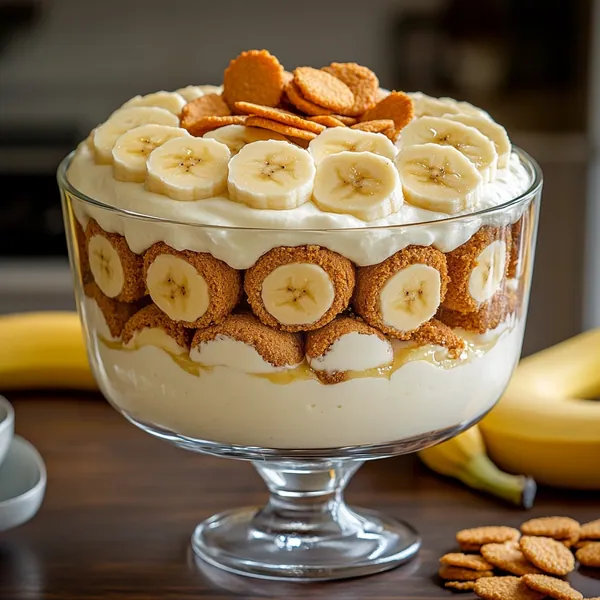
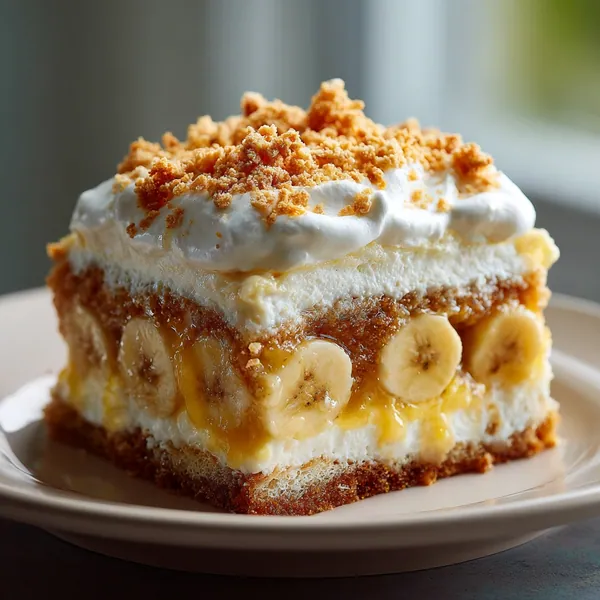
Begin by laying a thin layer of custard in the bottom of your serving dish to act as a glue, then arrange a single layer of cookies. Place banana slices atop the cookies in a single, even layer—overlapping them slightly creates a continuous fruit ribbon. Spoon custard over the bananas, tilting the dish to spread it evenly without disturbing the cookies below. Repeat layering: cookies, bananas, custard, finishing with a generous custard cap to anchor the meringue.
To maintain textural contrast, toast vanilla wafers on a baking sheet for three to five minutes at 325°F until they’re just golden, then cool completely before layering. If you notice juice pooling at the edges, use a slotted spatula to lift the cookies briefly, allowing excess moisture to drain. For individual servings, use clear glasses or mason jars; this showcases the layers and portion control.
Use an offset spatula or the back of a spoon to smooth each custard layer, working from the center outwards and wiping the spatula clean between strokes. For uniform slices, chill the assembled pudding for 10 minutes before torching the meringue; this helps the custard set slightly, preventing slippage. Finally, if you prefer a uniform height on each serving vessel, line them up on a level countertop and adjust custard volumes by eye or with a tablespoon measure.
Baking vs. No-Bake Variations
For a baked finish, spread an Italian meringue topping evenly over the chilled pudding and place under a broiler set to low, watching closely until the peaks turn golden brown. Alternatively, use a kitchen blowtorch to achieve controlled browning without reheating the pudding beneath. Baking develops deeper caramel notes in the meringue’s exterior, but risks warming the layers if left too long.
In no-bake versions, replace meringue with lightly sweetened whipped cream stabilized with a teaspoon of cornstarch or a spoonful of mascarpone. Pipe or dollop the cream over the custard, then sprinkle with crushed wafers or toasted nuts for crunch. This option is faster, avoids heating the assembled pudding, and suits hot-weather entertaining.
Creative Mix-ins and Flavor Twists
Enhance the custard with a tablespoon of citrus zest—lemon or orange—for bright, aromatic lift. Fold in a swirl of fruit purée, such as strawberry or passionfruit, between layers to introduce contrasting color and tang. For an adult version, brush each cookie layer with a splash of rum or banana liqueur before adding bananas and custard.
Incorporate chopped toasted nuts—pistachios or pecans—for an unexpected savory crunch. For chocolate lovers, sprinkle a thin layer of bittersweet chocolate shavings atop the custard before layering cookies. You can also swap half of the bananas for diced tropical fruits like mango or pineapple, creating a hybrid dessert that still honors the banana pudding base but surprises with exotic notes.
Serving Suggestions and Presentation
Serve in clear glass trifle bowls or individual parfait glasses to highlight the layered interplay of custard, banana, and wafer. Garnish with banana chips or a fan of fresh slices at the center of the meringue. A dusting of finely grated nutmeg or cinnamon over the meringue adds a warm, fragrant finish.
For an elegant buffet display, place small trivets under each serving vessel and provide mini spoons or dessert forks for guests. If making family-style, set a large spoon alongside the trifle bowl. Complement the pudding with fresh berries on the side, offering a tart counterpoint to the sweet cream. Place sprigs of mint or edible flowers near the base of individual servings for a pop of color and a hint of freshness.
Storage and Make-Ahead Strategies
Assembled pudding keeps in the refrigerator, covered, for up to two days; beyond that, the cookies absorb too much moisture and lose their structure. If planning ahead, prepare the custard and cookies separately: toast the wafers and slice bananas, storing each in airtight containers. Custard can be made up to 48 hours in advance and kept under plastic wrap.
Layer everything except the meringue topping, cover with a tight lid, and refrigerate. When ready to serve, whip and torch the meringue on the assembled pudding for maximum visual impact. Avoid freezing once fully assembled, as ice crystals will degrade the cream and fruit textures.

Troubleshooting Common Issues
If your custard is too thin, it likely didn’t reach the correct temperature or lacked sufficient thickener; return it to low heat and whisk in an extra half tablespoon of cornstarch slurry, then strain again. Should the eggs scramble, immediately transfer the mixture to a bowl set over ice and whisk vigorously to smooth it out.
For soggy cookies, reduce the resting time after layering or choose a sturdier biscuit. If bananas brown too quickly, toss slices in a teaspoon of lemon juice or assemble just before serving. Meringue that weeps can be caused by undercooking the sugar syrup; ensure it reaches the soft-ball stage (235–240°F) before pouring into the whites.
Conclusion and Key Takeaways
“Not Yo’ Mama’s Banana Pudding” reinvents a nostalgic favorite through from-scratch custard, toasted wafer layers, and a perfectly bronzed meringue. Key tips include using ripe-but-firm bananas, tempering custard properly to avoid curdling, and selecting sturdy cookies that hold texture. Creative add-ins—from citrus zest to liqueurs—allow customization, while make-ahead strategies ensure stress-free entertaining. Whether you choose a baked or no-bake finish, presentation in clear vessels showcases the dessert’s visual appeal. By mastering layering techniques and understanding ingredient roles, you can deliver a banana pudding that’s both comforting and show-stopping, delighting guests and honoring Southern culinary heritage with contemporary flair.
FAQs
Can I substitute gluten-free cookies?
Yes. Use sturdy, gluten-free vanilla wafer alternatives and toast gently to prevent crumbling when layered.
What’s the best way to prevent banana browning?
Toss slices in a light citrus juice bath (lemon or lime) immediately after cutting to slow oxidation.
Can I prepare this for a large crowd?
Absolutely. Scale ingredients proportionally and assemble in multiple trifle dishes or large hotel pans; torch meringue just before serving.
Is there a vegan version?
Use coconut milk custard thickened with cornstarch, replace eggs with aquafaba meringue, and choose plant-based wafers.
How do I reheat leftovers?
Warm individual portions in a microwave for 15–20 seconds to revive creaminess, but avoid reheating the meringue topping.

Not Yo’ Mama’s Banana Pudding
A modern twist on the classic Southern favorite, “Not Yo’ Mama’s Banana Pudding” layers a velvety, from-scratch vanilla custard with just-toasted vanilla wafers and perfectly ripe banana slices, all finished beneath a torch-brushed Italian meringue. Each spoonful offers a harmonious contrast of textures—the creamy custard, tender fruit, and crisp wafer—and flavors that are brightened by a hint of sea salt and the pure aroma of real vanilla bean. Whether you’re serving it family-style in a trifle bowl or in individual parfait glasses, this show-stopping dessert marries nostalgic comfort with contemporary technique, making it ideal for dinner parties, potlucks, or an indulgent weeknight treat.
Ingredients
- 1 (12-oz) container frozen whipped topping, thawed, or equal amount sweetened whipped cream
- 1 (14-oz) can sweetened condensed milk
- 1 (8-oz) package cream cheese, softened
- 2 cups milk
- 1 (5-oz) box instant French vanilla pudding mix
- 6 to 8 bananas, sliced
- 2 bags chessmen cookies
Instructions
- Line the bottom of a 13x9x2-inch dish with 1 bag of cookies and layer bananas on top.
- In a bowl, combine the milk and pudding mix and blend well using a handheld electric mixer. Using another bowl, combine the cream cheese and condensed milk together and mix until smooth. Fold the whipped topping into the cream cheese mixture. Add the cream cheese mixture to the pudding mixture and stir until well blended. Pour the mixture over the cookies and bananas and cover with the remaining cookies. Refrigerate until ready to serve.