In this article
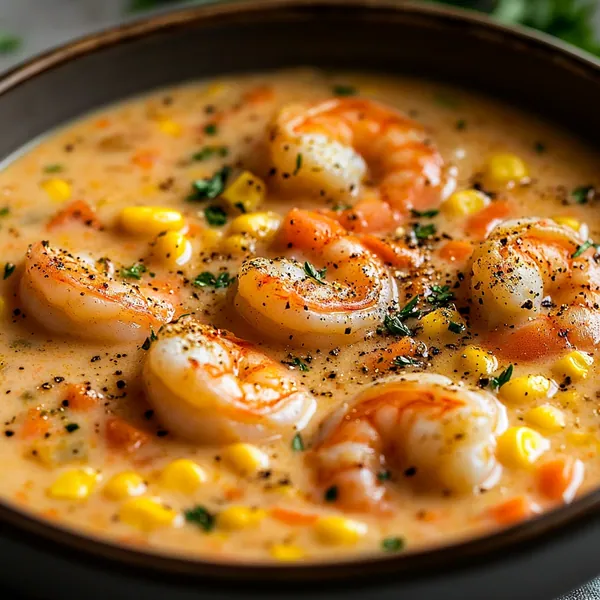
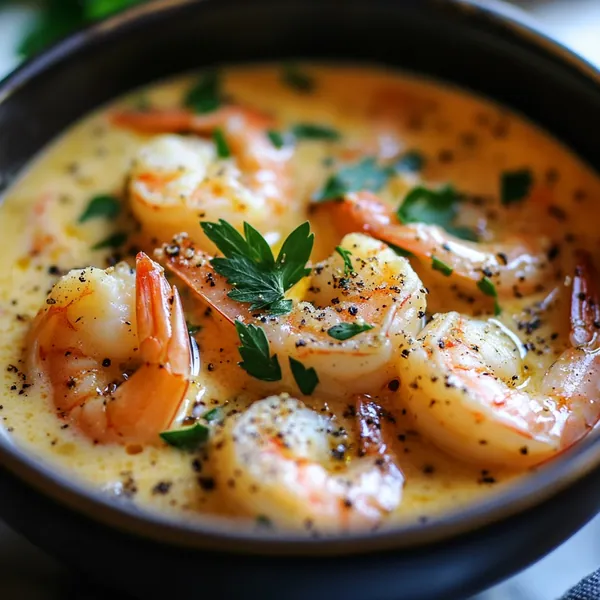
New Orleans Shrimp and Corn Bisque is a beloved Southern classic that perfectly captures the rich culinary heritage of Louisiana. A velvety, creamy soup brimming with plump shrimp, sweet corn, and aromatic Cajun spices, this dish is a staple in many homes and restaurants across the Gulf Coast. It’s more than just comfort food—it’s a reflection of the region’s deep French, African, and Creole influences, all simmered into one flavorful bowl.
Bisque, a traditionally French dish, was originally made with puréed shellfish and heavy cream. Over time, as it found its way to Louisiana, local ingredients and traditions reshaped it into something uniquely Southern. In the New Orleans version, Gulf shrimp take center stage, often paired with fresh, seasonal corn, sautéed vegetables known as the “Holy Trinity” (onion, celery, and bell pepper), and a base thickened with a dark roux or cream. The result is a decadent dish with a balance of sweetness, spice, and seafood richness.
This bisque is commonly served during special occasions, Mardi Gras gatherings, or as a warming meal on cool evenings. It can be elegant enough for a dinner party or down-home enough for a casual family supper. Whether enjoyed with crusty French bread or a scoop of rice, shrimp and corn bisque is the kind of dish that brings people together around the table.
In this article, we’ll explore the origins, ingredients, variations, and step-by-step instructions to help you recreate this soulful dish at home.
History and Cultural Significance
Shrimp and corn bisque holds a special place in Louisiana’s culinary history, blending Old World techniques with New World ingredients. Originating from the French bisque tradition—typically a creamy, puréed seafood soup—this dish was reimagined by Creole and Cajun cooks in the American South. These communities adapted the recipe to suit locally available seafood, fresh produce, and regional spices, creating a bisque with a distinctly Louisiana flair.
In New Orleans and across southern Louisiana, seafood plays a central role in daily cooking, thanks to the region’s proximity to the Gulf of Mexico. Shrimp, in particular, has long been a staple in both home kitchens and restaurant menus. Corn, another integral ingredient, was introduced by Native Americans and became a core part of Southern agriculture and cuisine. By marrying these two elements with French-inspired cooking techniques, local chefs created a dish that is both comforting and deeply rooted in the region’s diverse history.
Shrimp and corn bisque is often served at family gatherings, Sunday dinners, and festive events like Mardi Gras. It reflects the celebratory nature of Louisiana cooking, where food is a key part of community and culture. Whether thickened with a roux, enriched with cream, or spiced with a Cajun kick, each version of this bisque tells a story of culinary evolution. It is a perfect example of how food in New Orleans serves not only to nourish but also to preserve tradition, tell stories, and bring people together.

Key Ingredients and Their Roles
Each component in a New Orleans shrimp and corn bisque plays a crucial role in building its signature flavor and texture. At the heart of the dish are shrimp and corn, which offer a natural sweetness and briny depth that define the bisque’s profile.
Shrimp: Fresh Gulf shrimp are preferred for their flavor and texture. When sautéed or simmered in the bisque, they provide protein and a subtle oceanic richness. The shells can also be used to make a homemade stock, which intensifies the seafood base.
Corn: Sweet corn adds a balance of texture and sweetness. It can be used fresh, frozen, or canned, though fresh corn cut from the cob provides the best flavor and consistency. Some versions include pureed corn for added creaminess.
Aromatics: The Cajun “Holy Trinity” of onions, celery, and bell peppers is sautéed to build a foundational flavor. Garlic, thyme, and bay leaves often follow, layering in complexity.
Roux: A butter and flour roux acts as the thickener. Depending on how long it’s cooked, it can be light and buttery or darker with a toasted, nutty flavor. It adds body and depth to the bisque.
Stock and Cream: Seafood or shrimp stock creates a rich, flavorful liquid base. Heavy cream or half-and-half adds smoothness and luxurious mouthfeel, balancing the spice.
Seasonings: Typical seasonings include cayenne pepper, smoked paprika, black pepper, and salt. Some recipes include a splash of hot sauce or a pinch of Cajun seasoning for added heat.
Choosing the Right Shrimp
Selecting the right shrimp is essential for achieving the best flavor and texture in your bisque. Ideally, use fresh Gulf shrimp, which are prized for their natural sweetness and firm bite. However, high-quality frozen shrimp can be a convenient and effective alternative, especially if you’re cooking outside of shrimp season or don’t have access to a coastal seafood market.
Fresh shrimp should have a mild scent, not a strong “fishy” odor. They should appear translucent, with firm, plump bodies. If you’re buying whole shrimp, you’ll need to peel and devein them. The shells can be reserved to make a rich, homemade shrimp stock by simmering them with onion, garlic, celery, and herbs.
When using frozen shrimp, choose unbreaded, uncooked shrimp without additives. Look for packages labeled “IQF” (Individually Quick Frozen), which helps preserve freshness and prevents clumping. Always thaw frozen shrimp properly—preferably overnight in the refrigerator or under cold running water.
Size matters when it comes to shrimp in bisque. Medium to large shrimp work best, providing a satisfying bite without overpowering the soup’s smooth consistency. You can leave the tails on for presentation or remove them for easier eating.
To keep shrimp tender and juicy, add them toward the end of the cooking process. Overcooking will make them rubbery and tough. Shrimp only need a few minutes in hot liquid before turning opaque and curling into a “C” shape—this is your cue that they’re done.
Corn Choices and Preparation
Corn plays a starring role in shrimp and corn bisque, offering sweetness and texture that balance the richness of cream and seafood. You can use fresh, frozen, or canned corn, but each has its pros and cons.
Fresh corn on the cob is the top choice for flavor. Cut the kernels off with a sharp knife, then scrape the cobs to release their milky juices for extra sweetness. For a smoky twist, grill or roast the corn before adding it to the bisque.
Frozen corn is a convenient option that retains much of its flavor and texture, especially if flash-frozen after harvest. Just rinse it before using to remove any ice crystals.
Canned corn is the least fresh but still usable in a pinch. Choose low-sodium varieties and drain well before adding.
Some recipes call for partially blending the corn with broth or cream to thicken the bisque, creating a smooth, velvety finish.

Tools & Equipment Needed
Making shrimp and corn bisque doesn’t require advanced kitchen tools, but a few essentials will help streamline the process and enhance the final result.
Large soup pot or Dutch oven: A heavy-bottomed pot allows for even heat distribution when making a roux and simmering ingredients without scorching.
Sharp chef’s knife and cutting board: You’ll need these for prepping vegetables, shrimp, and corn.
Ladle: Ideal for portioning the bisque and serving it neatly.
Immersion blender or countertop blender (optional): If you prefer a smooth bisque, blending part or all of the soup will give you a creamy texture. An immersion blender is especially convenient since you can use it directly in the pot.
Fine mesh strainer (optional): Helpful if you’re making homemade shrimp stock and want to remove shells and solids for a clear broth.
Measuring cups and spoons: Precision matters when balancing the roux, liquids, and seasonings.
With these tools, you’ll be well-equipped to create an authentic and delicious bisque at home.
Step-by-Step Cooking Method
Crafting a flavorful New Orleans shrimp and corn bisque involves building layers of flavor through careful preparation and cooking. Here’s a classic method to guide you:
1. Prepare Ingredients
-
Peel and devein the shrimp, reserving shells if you’re making stock.
-
Dice the onion, celery, and bell pepper (the Holy Trinity).
-
Mince garlic and chop fresh herbs if using.
-
Cut corn from the cob or measure frozen/canned corn.
2. Make a Shrimp Stock (Optional but Recommended)
-
Sauté shrimp shells in a bit of oil with onion, celery, garlic, and a bay leaf.
-
Add water and simmer for 30–45 minutes.
-
Strain and reserve the liquid.
3. Make the Roux
-
In a large soup pot, melt 4 tablespoons of butter over medium heat.
-
Whisk in 4 tablespoons of flour.
-
Cook, stirring constantly, until the roux reaches a light brown color (about 5–7 minutes).
4. Add Aromatics
-
Stir in diced onions, celery, and bell pepper.
-
Cook until softened (about 5 minutes).
-
Add garlic and cook for 1 minute more.
5. Add Corn and Stock
-
Add the corn kernels and your shrimp stock (or seafood/chicken broth).
-
Stir to combine and bring to a gentle simmer.
6. Add Seasonings
-
Season with salt, black pepper, paprika, cayenne, bay leaf, and thyme.
-
Let it simmer for 10–15 minutes to develop flavor.
7. Blend (Optional)
-
Use an immersion blender to purée part of the bisque for a creamier texture.
-
Alternatively, transfer half to a blender and blend, then return to the pot.
8. Add Cream and Shrimp
-
Stir in heavy cream or half-and-half.
-
Add the shrimp and cook just until they turn pink and opaque (3–5 minutes).
9. Final Adjustments
-
Taste and adjust seasoning.
-
Garnish with fresh herbs or green onions before serving.
Tips for Perfect Bisque Texture and Flavor
To achieve a restaurant-quality bisque at home, attention to detail is key. These tips will help you get the texture and flavor just right:
1. Don’t Rush the Roux
The roux adds depth and body to the soup. Cook it slowly to a golden brown without burning. A too-dark roux can overpower the sweet shrimp and corn, while an undercooked roux will lack complexity.
2. Layer Flavors Gradually
Build flavor step by step—start by sautéing vegetables in butter or oil, then deglaze with stock before adding cream. Let each ingredient cook fully before moving on.
3. Add Shrimp at the End
Shrimp cook quickly and become rubbery if overcooked. Add them just before serving, and pull the bisque off the heat as soon as they’re opaque and curled.
4. Control the Heat When Adding Cream
To prevent curdling, lower the heat before stirring in dairy. If necessary, temper the cream by slowly adding a bit of the hot bisque to it before combining.
5. Consider Texture Preferences
For a smoother bisque, blend part of it before adding shrimp. For a more rustic version, leave everything chunky. You can also blend the corn with a bit of stock for added creaminess without sacrificing texture.
6. Season Carefully
Cajun seasoning and cayenne add heat, but balance them with the natural sweetness of the corn. Taste frequently and adjust with salt, pepper, and acidity (a splash of lemon juice or hot sauce can brighten the flavor).
Common Variations and Add-ins
New Orleans shrimp and corn bisque is highly adaptable. Depending on your taste and what’s in your pantry, you can try a range of delicious variations:
1. Andouille Sausage:
Add sautéed andouille sausage for a smoky, spicy twist. This is popular in Cajun-style versions and adds a heartier, meatier flavor.
2. Tomato-Based Bisque:
Some recipes include diced tomatoes or tomato paste for a slightly tangy and richer flavor. It’s especially common in Creole-inspired variations.
3. Potato-Thickened Bisque:
Instead of using a roux, some recipes blend in boiled potatoes to thicken the soup naturally while adding a silky texture.
4. Vegetarian Version:
Skip the shrimp and use vegetable broth and mushrooms for an earthy alternative. Corn still shines as the star ingredient.
5. Spicy Variations:
Amp up the heat with extra cayenne, jalapeños, or hot sauce for those who like a bit more kick in every bite.
Serving Suggestions
Shrimp and corn bisque is versatile enough to be served as a comforting starter or a satisfying main course. Here are some classic and creative serving ideas:
1. Bread Pairings:
Serve with crusty French bread, garlic toast, or a buttery biscuit to soak up the bisque. Cornbread also pairs perfectly with the Southern flavors.
2. Rice or Grits:
Ladle the bisque over white rice or creamy grits for a more filling meal. This is a common serving style in Louisiana kitchens.
3. Garnishes:
Top with chopped green onions, fresh parsley, or a drizzle of hot sauce for a pop of color and flavor. A small dollop of sour cream can also add tanginess and cool down the spice.
4. Wine Pairing:
Pair with a crisp white wine like Sauvignon Blanc or a lightly oaked Chardonnay to complement the seafood and creamy base.
5. Presentation:
Serve in warmed bowls and accompany with a lemon wedge on the side for added brightness.
FAQ Section (Based on “People Also Ask”)
What is the difference between bisque and chowder?
Bisque is a smooth, creamy soup traditionally made with puréed shellfish and thickened with cream or a roux. Chowder, on the other hand, is often chunkier, typically made with potatoes, cream, and sometimes corn or seafood. Bisques are usually silkier and richer.
Can I use frozen shrimp in shrimp and corn bisque?
Yes, frozen shrimp are a convenient and effective option. Choose raw, deveined shrimp without additives and thaw them properly before cooking. Avoid pre-cooked shrimp, as they may become rubbery when reheated.
Is shrimp and corn bisque gluten-free?
Not by default. Traditional bisque uses a flour-based roux for thickening. However, you can make it gluten-free by using cornstarch, arrowroot, or a gluten-free flour blend as a thickener instead.
How do I thicken shrimp bisque without flour?
Alternatives include using puréed corn, potatoes, or a slurry of cornstarch and water. Blending a portion of the soup also helps create a thicker consistency without flour.
Can I make shrimp and corn bisque ahead of time?
Yes. Prepare the bisque up to the point before adding shrimp. Store it in the fridge for up to two days. When ready to serve, reheat the soup gently and add the shrimp just before serving to ensure they stay tender and fresh.

New Orleans Shrimp and Corn Bisque
This creamy New Orleans Shrimp and Corn Bisque is a rich, flavorful Southern-style soup made with sweet corn, Gulf shrimp, the classic Cajun “Holy Trinity” of vegetables, and a silky, spiced cream base. Whether you're preparing it for a cozy weeknight dinner or a festive gathering, this bisque delivers bold Louisiana flavor in every bite. Serve it with crusty bread, cornbread, or over rice for a comforting dish that warms from the inside out. The recipe is easy to customize with smoky sausage, extra heat, or even a vegetarian twist.
Ingredients
- 1 lb large shrimp, peeled and deveined
- 1 cup fresh or frozen corn kernels
- 2 tablespoons butter
- 1 medium onion, finely chopped
- 2 celery stalks, finely chopped
- 1 bell pepper, finely chopped
- 4 cloves garlic, minced
- 3 cups low-sodium chicken broth
- 1 cup heavy cream
- 1 cup whole milk
- 2 tablespoons flour
- 1 teaspoon Cajun seasoning
- ½ teaspoon smoked paprika
- ½ teaspoon thyme
- ½ teaspoon oregano
- Salt and black pepper to taste
- 2 tablespoons fresh parsley, chopped (for garnish)
- 1 tablespoon lemon juice (optional, for added brightness)
Instructions
Prepare the Ingredients:
- Finely chop the onion, celery, and bell pepper. Mince the garlic and set all ingredients aside.
- Peel and devein the shrimp, then roughly chop them into bite-sized pieces. Set aside.
Cook the Vegetables:
- In a large pot, melt the butter over medium heat. Add the chopped onion, celery, and bell pepper, and cook until softened, about 5 minutes.
- Stir in the minced garlic, Cajun seasoning, smoked paprika, thyme, and oregano. Cook for another minute until fragrant.
Make the Bisque Base:
- Sprinkle the flour over the cooked vegetables and stir to combine. Cook for about 2 minutes to form a roux, which will thicken the bisque.
- Slowly pour in the chicken broth and whole milk, stirring constantly to avoid lumps. Bring to a simmer, allowing the mixture to thicken, about 5-7 minutes.
Add Shrimp and Corn:
- Add the shrimp and corn to the pot, stirring gently. Continue to cook for about 5-7 minutes, until the shrimp is cooked through and the corn is tender.
- Pour in the heavy cream and stir to combine. Let the bisque simmer for another 5 minutes to ensure it’s heated through.
Finish the Bisque:
- Taste the bisque and season with salt, black pepper, and lemon juice (if desired) to balance the flavors.
- Ladle the bisque into bowls and garnish with freshly chopped parsley. Serve with crusty bread or crackers for a complete meal.