In this article
- Origins of Shrimp and Corn Bisque in Louisiana Cuisine
- Key Ingredients and Their Role
- Choosing the Best Shrimp for Bisque
- Fresh vs Frozen Corn: Which Is Better?
- Creole vs Cajun Variations of Shrimp and Corn Bisque
- Step-by-Step Recipe Instructions
- Optional Add-Ins & Flavor Boosters
- How to Serve Shrimp and Corn Bisque
- Storing and Reheating Tips
- Common Mistakes to Avoid
- Nutritional Breakdown
- Frequently Asked Questions
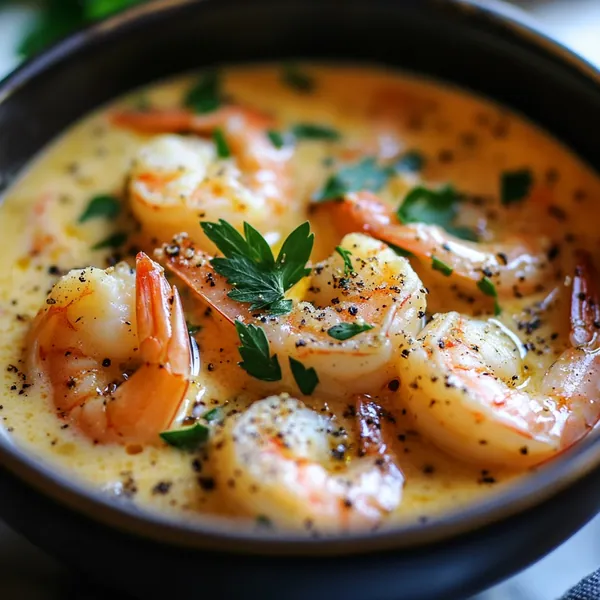
New Orleans Shrimp and Corn Bisque is a beloved dish that perfectly captures the soul of Louisiana cuisine. Rich, creamy, and bursting with fresh Gulf shrimp and sweet corn, this bisque is a comforting blend of Southern hospitality and French-inspired cooking techniques. Often enjoyed during festive holidays or cool-weather months, it brings warmth to the table with every spoonful.
This dish has become a staple across the Gulf Coast for its depth of flavor and comforting texture. Bisque, which traditionally refers to a smooth, creamy soup derived from French culinary tradition, has been deeply rooted in the cultural melting pot of New Orleans. The addition of corn and shrimp elevates it with local flavor and regional ingredients that define the area’s unique approach to food. Whether served as a starter or a main course, shrimp and corn bisque offers a hearty and satisfying taste of the South.
Origins of Shrimp and Corn Bisque in Louisiana Cuisine
The roots of shrimp and corn bisque trace back to Louisiana’s vibrant culinary history, where French, African, Spanish, and Native American influences merge. The term “bisque” originally came from French cuisine, referring to a smooth, creamy soup often made with shellfish. As French colonists settled in Louisiana, they brought this tradition with them, blending it with local ingredients and cooking practices.
Over time, the bisque evolved under the guidance of both Creole and Cajun traditions. Creole cooking, more prominent in New Orleans, is known for its use of tomatoes, butter, herbs, and European-style sauces. Cajun cooking, from the rural Acadian regions, emphasizes bolder flavors, spicier profiles, and the use of a dark roux. Shrimp and corn bisque sits comfortably between both styles—elegant enough for Creole cuisine, but hearty and fiery enough for Cajun palates.
The use of corn in the bisque is a nod to Native American culinary influence and Southern agricultural practices. Meanwhile, shrimp—abundant in the Gulf of Mexico—became a natural protein choice. Together, these ingredients offer a balance of sweetness and briny savoriness that defines this dish.
Throughout the decades, shrimp and corn bisque has remained a symbol of comfort, tradition, and community. It’s served in everything from fine-dining restaurants in the French Quarter to family potlucks along the bayou, making it an enduring staple of Louisiana cooking.
Key Ingredients and Their Role
Each component of shrimp and corn bisque plays a specific role in creating its distinct flavor and texture. Here’s a breakdown of the core ingredients:
Shrimp: The star of the dish, shrimp provides a briny sweetness and tender bite. Gulf shrimp are especially prized for their flavor. Always peel and devein the shrimp before cooking, reserving shells to enrich your stock, if desired.
Corn: Corn offers a natural sweetness and creamy texture when puréed or simmered. Fresh corn off the cob provides the best flavor, but frozen corn is a practical alternative. Corn can be blended partially to thicken the bisque or left whole for texture.
Aromatics (Holy Trinity): A blend of onions, celery, and bell peppers—the foundation of Cajun and Creole cuisine—builds the bisque’s savory base. These are typically sautéed in butter or oil until softened and aromatic.
Garlic and Herbs: Garlic adds punch, while herbs like thyme, bay leaves, and parsley layer in earthy and floral notes.
Seasonings: Cajun or Creole seasoning blends include paprika, cayenne, oregano, and black pepper. These provide the bisque’s signature spice and complexity.
Stock: A rich seafood or chicken stock ties all the flavors together. Homemade stock with shrimp shells adds depth, but quality store-bought versions can also work well.
Cream or Milk: These ingredients transform the bisque into a smooth, luxurious soup. Half-and-half or heavy cream is most commonly used, depending on your preference for richness.
Roux: A mixture of flour and butter cooked until lightly golden, roux thickens the soup while adding a subtle nuttiness.
These ingredients come together in harmony to create a flavorful, creamy, and satisfying bowl of shrimp and corn bisque.
Choosing the Best Shrimp for Bisque
When it comes to shrimp and corn bisque, using high-quality shrimp is essential. Gulf shrimp are considered ideal due to their naturally sweet flavor and firm texture, which hold up well in soups and stews. Wild-caught shrimp are generally preferable to farm-raised, as they tend to be more flavorful and have a better texture.
Look for medium to large shrimp—about 21 to 30 count per pound. If using frozen shrimp, choose those that are raw, peeled, and deveined. Avoid pre-cooked shrimp, which can become rubbery when reheated in the bisque.
Always thaw frozen shrimp properly by placing them in the refrigerator overnight or submerging them in cold water for a quicker method. Pat the shrimp dry before cooking to ensure they sear properly and don’t water down the soup. Freshness is key, so if you’re near the coast, visit a local fish market for the best catch.
Fresh vs Frozen Corn: Which Is Better?
Both fresh and frozen corn can be used in shrimp and corn bisque, but each comes with its advantages. Fresh corn, especially when in season, offers the sweetest flavor and the best texture. Cutting the kernels off the cob and even simmering the cobs in your stock adds layers of corn essence to the bisque.
Frozen corn, on the other hand, is convenient and often flash-frozen at peak ripeness, which retains much of the flavor and nutrients. It’s a reliable year-round substitute and works well when fresh corn is out of season.
Canned corn is a last-resort option. It tends to be overly soft and salty, and often lacks the vibrant taste of fresh or frozen corn. If you do use canned corn, rinse it thoroughly and reduce additional salt in the recipe.
For the best results, opt for fresh corn when available and frozen as a solid alternative.
Creole vs Cajun Variations of Shrimp and Corn Bisque
Shrimp and corn bisque straddles both Creole and Cajun culinary traditions, each with its own unique influence. Understanding the differences can help you tailor the bisque to your preferred flavor profile.
Creole versions, often found in New Orleans, tend to be more refined and tomato-based. They include ingredients like butter, cream, parsley, and sometimes even a splash of sherry. The flavors are layered and balanced with moderate spice, and the texture is silky and smooth. A Creole bisque may also include a lighter roux and is typically garnished with chopped green onions or herbs.
Cajun versions, which hail from the rural parts of Louisiana, are typically heartier and spicier. A darker roux made with oil instead of butter is more common. The flavor profile leans smoky, bold, and rustic. Cajun seasoning blends are more assertive, and the soup may include additional proteins like andouille sausage or smoked tasso ham.
Both styles celebrate local ingredients—especially Gulf shrimp and sweet corn—but the execution varies. Whether you lean Creole or Cajun, the dish delivers rich comfort and authentic Southern flavor.
Step-by-Step Recipe Instructions
Ingredients:
-
1 lb medium shrimp, peeled and deveined
-
2 cups fresh or frozen corn
-
1/2 cup diced onion
-
1/2 cup diced celery
-
1/2 cup diced bell pepper
-
3 cloves garlic, minced
-
4 tbsp butter
-
1/4 cup all-purpose flour
-
4 cups seafood or chicken stock
-
1 cup heavy cream or half-and-half
-
2 tsp Cajun seasoning
-
1 bay leaf
-
Salt and pepper to taste
-
Chopped parsley or green onion for garnish
Instructions:
1. Make the roux
In a heavy-bottomed pot, melt butter over medium heat. Whisk in flour and cook, stirring constantly, until light golden brown—about 5 minutes.
2. Sauté aromatics
Add onion, celery, and bell pepper to the roux. Cook for 5–7 minutes until softened, then stir in garlic and cook another minute.
3. Add corn and seasonings
Stir in the corn, Cajun seasoning, bay leaf, salt, and pepper. Cook for 2–3 minutes, then slowly pour in the stock while stirring.
4. Simmer and thicken
Bring to a boil, then reduce to a simmer. Cover and cook for 15–20 minutes. For a creamier texture, use an immersion blender to partially blend the soup.
5. Add shrimp and cream
Add shrimp and cream, and simmer until shrimp are pink and cooked through—about 5 minutes.
6. Adjust and serve
Taste and adjust seasoning. Garnish with chopped parsley or green onion and serve hot.
Optional Add-Ins & Flavor Boosters
To elevate your bisque, consider adding extra ingredients for depth and richness:
-
Smoked sausage or tasso ham: Adds a smoky, savory note
-
Bacon: Cooked and crumbled, or use bacon fat in place of butter
-
Crabmeat: Stir in lump crab for an upscale touch
-
Sherry or white wine: Deglaze the pan after sautéing vegetables for acidity
-
Fresh herbs: Thyme, basil, or tarragon offer fresh complexity
These additions allow you to customize the bisque to your tastes or occasion, from rustic and hearty to elegant and refined.
How to Serve Shrimp and Corn Bisque
Shrimp and corn bisque is versatile and can be served in several ways:
-
Appetizer: Serve smaller portions in soup cups with fresh herbs on top
-
Main Course: Offer larger bowls with crusty bread or cornbread
-
In Bread Bowls: A fun, hearty presentation for dinner parties
-
With Sides: Pair with a light salad, roasted vegetables, or rice
Garnishes like chopped parsley, green onions, paprika, or a drizzle of hot sauce add visual appeal and enhance flavor. Serve it hot, and encourage guests to dip bread or crackers for a satisfying experience.
Storing and Reheating Tips
Proper storage preserves both flavor and texture. Cool the bisque completely before refrigerating in airtight containers. It will keep for up to 4 days in the fridge.
To reheat, warm gently over low heat on the stove. Avoid boiling, as the cream may curdle and the shrimp can become rubbery. Stir frequently and add a splash of stock or cream to restore consistency.
Freezing is possible but not ideal due to the cream content. If you do freeze it, thaw overnight in the refrigerator and reheat gently. Consider freezing the bisque without the shrimp and cream, adding those fresh when ready to serve.

Common Mistakes to Avoid
-
Overcooking shrimp: Shrimp cook quickly; add them near the end to prevent toughness
-
Burning the roux: Stir constantly and monitor heat; a burnt roux will ruin the flavor
-
Skipping the seasoning: The soup needs layered spices for depth; don’t rely only on salt
-
Too much cream: Overuse can dull the flavors; balance is key
-
Using canned corn exclusively: It lacks the fresh sweetness and texture of fresh or frozen corn
Paying attention to technique and ingredient quality ensures a bisque that’s rich, flavorful, and true to its Louisiana roots.
Nutritional Breakdown
Shrimp and corn bisque is rich and indulgent but also offers nutritional value, especially when made with quality ingredients.
Estimated per serving (1 cup):
-
Calories: 320–380
-
Protein: 18–22g
-
Carbohydrates: 20–25g
-
Fat: 18–24g
-
Fiber: 2–3g
Key nutrients:
-
Shrimp provide lean protein, selenium, and vitamin B12
-
Corn adds fiber, antioxidants, and natural sweetness
-
Cream contributes to the caloric density, but lighter alternatives like half-and-half or milk can reduce fat content
For a lighter version, use low-fat dairy and cut back on butter. For gluten-free diets, use cornstarch instead of flour to thicken.
Frequently Asked Questions
Can you make shrimp and corn bisque ahead of time?
Yes, bisque can be made a day in advance. Prepare everything except the shrimp and cream, which should be added just before serving to maintain freshness and texture.
How do you thicken shrimp bisque?
The primary thickener is a roux made from flour and butter. Blending some of the corn also helps. For gluten-free options, use cornstarch or potato starch.
What’s the difference between bisque and chowder?
Bisque is smooth, creamy, and typically puréed, while chowder is chunky and often includes potatoes. Bisques often feature shellfish and a refined texture.
Can I use canned shrimp or imitation crab?
You can, but it’s not recommended. Fresh or frozen Gulf shrimp offer better flavor and texture. Canned seafood is usually too soft and salty for optimal results.
Is shrimp bisque spicy?
It can be, depending on the seasoning. Cajun versions tend to be spicier, while Creole versions are milder. Adjust spice levels to your taste by modifying the seasoning blend.

New Orleans Shrimp and Corn Bisque
This New Orleans Shrimp and Corn Bisque is a rich, creamy soup packed with Gulf shrimp, sweet corn, and bold Cajun-Creole flavor. A classic Louisiana comfort dish, it's made with a savory roux, fresh aromatics, and a touch of cream for a smooth, velvety finish. Perfect for cold nights, family gatherings, or Mardi Gras celebrations, this bisque brings the heart of New Orleans to your kitchen. Serve it as a show-stopping appetizer or a hearty main course with crusty bread on the side.
Ingredients
- 1 lb large shrimp, peeled and deveined
- 1 cup fresh or frozen corn kernels
- 2 tablespoons butter
- 1 medium onion, finely chopped
- 2 celery stalks, finely chopped
- 1 bell pepper, finely chopped
- 4 cloves garlic, minced
- 3 cups low-sodium chicken broth
- 1 cup heavy cream
- 1 cup whole milk
- 2 tablespoons flour
- 1 teaspoon Cajun seasoning
- ½ teaspoon smoked paprika
- ½ teaspoon thyme
- ½ teaspoon oregano
- Salt and black pepper to taste
- 2 tablespoons fresh parsley, chopped (for garnish)
- 1 tablespoon lemon juice (optional, for added brightness)
Instructions
Prepare the Ingredients:
- Finely chop the onion, celery, and bell pepper. Mince the garlic and set all ingredients aside.
- Peel and devein the shrimp, then roughly chop them into bite-sized pieces. Set aside.
Cook the Vegetables:
- In a large pot, melt the butter over medium heat. Add the chopped onion, celery, and bell pepper, and cook until softened, about 5 minutes.
- Stir in the minced garlic, Cajun seasoning, smoked paprika, thyme, and oregano. Cook for another minute until fragrant.
Make the Bisque Base:
- Sprinkle the flour over the cooked vegetables and stir to combine. Cook for about 2 minutes to form a roux, which will thicken the bisque.
- Slowly pour in the chicken broth and whole milk, stirring constantly to avoid lumps. Bring to a simmer, allowing the mixture to thicken, about 5-7 minutes.
Add Shrimp and Corn:
- Add the shrimp and corn to the pot, stirring gently. Continue to cook for about 5-7 minutes, until the shrimp is cooked through and the corn is tender.
- Pour in the heavy cream and stir to combine. Let the bisque simmer for another 5 minutes to ensure it’s heated through.
Finish the Bisque:
- Taste the bisque and season with salt, black pepper, and lemon juice (if desired) to balance the flavors.
- Ladle the bisque into bowls and garnish with freshly chopped parsley. Serve with crusty bread or crackers for a complete meal.