Molten Lava Bar

Hamza

No Comments

Flavor Nest

Daily Delicious Creations 👩‍🍳


Imagine biting into a warm, chocolatey bar only to discover a velvety, molten core flowing forth—an irresistible fusion of hand-held convenience and gooey decadence. Molten lava bars have taken the dessert world by storm, offering all the lush richness of a classic lava cake in a portable, snack-friendly format. In this article, we’ll explore exactly what makes these bars so alluring, trace their origins from French pastry kitchens to modern bakeries, break down the essential ingredients and tools you’ll need, and guide you through delicious variations you can try at home. Whether you’re a seasoned baker or a curious enthusiast, prepare to unlock the secrets behind the perfect molten center.

What Are Molten Lava Bars?

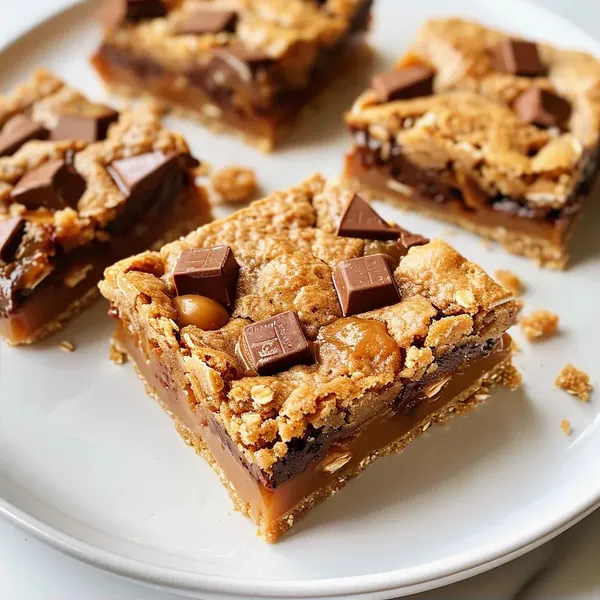
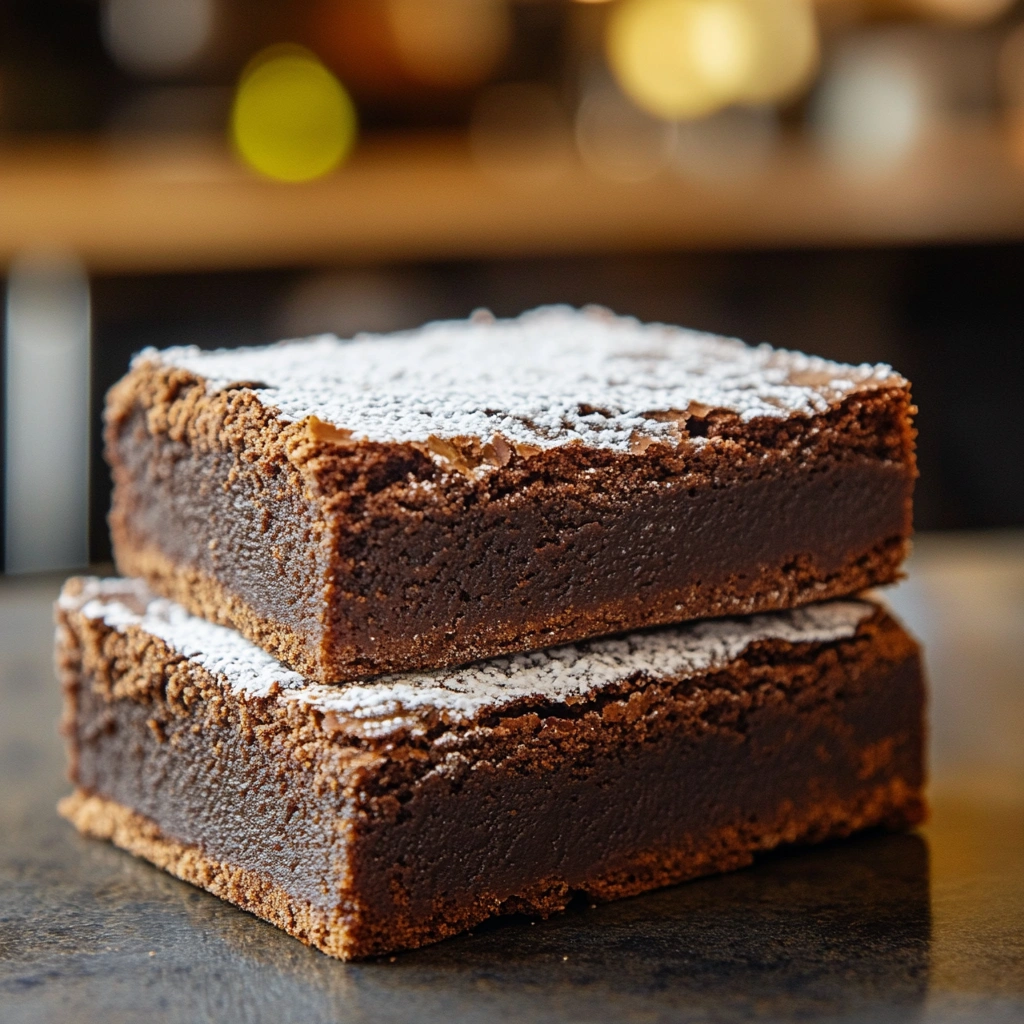
Molten lava bars are the hand-held cousins of the famed molten lava cake, designed to deliver the same liquid-centered surprise in a convenient bar shape. Unlike individual ramekins filled with batter, these bars bake in a rectangular or square pan (or in individual molds), creating slightly firmer edges that contrast with a gush of molten chocolate when you cut into them. The exterior often boasts a tender, cake-like crumb or a thin, chewy crust, while the interior remains luxuriously underbaked—resulting in a texture that’s part brownie, part soufflé. Perfect for sharing (or savoring solo), they bridge the gap between elegant dessert and casual treat.

History of Molten Chocolate Desserts

The concept of a molten chocolate center emerged in France during the 1980s, most notably credited to chef Michel Bras, who introduced a cake with an unbaked middle in his restaurant. Around the same time, American chef Jean-Georges Vongerichten popularized a simplified version in New York, sparking worldwide dessert aficionados’ obsession. As cafés and bakeries sought more portable offerings in the 2000s, innovative bakers adapted the molten cake into bar form—transforming an individual indulgence into a shareable, grab-and-go delight. Today, molten lava bars honor their French pastry heritage while catering to modern tastes and lifestyles.

Key Ingredients

At the heart of every molten lava bar lies a balance of rich chocolate and simple baking staples. High-quality chocolate—whether dark (60–75% cocoa) or semi-sweet—governs both flavor intensity and meltability. Butter enriches the batter and helps achieve a glossy crust, while sugar adds sweetness and aids in forming the molten core. Eggs provide structure and contribute to the cake’s tender crumb; for a fudgier center, extra yolks can be incorporated. A modest amount of flour keeps the exterior from collapsing, but excessive flour risks a cakey texture. To customize, consider espresso powder for depth, a splash of liqueur for warmth, or vanilla extract for classic appeal. For dietary needs, swap in gluten-free flour blends or vegan butter and flax “eggs” without sacrificing gooey goodness.

Equipment & Bakeware

Choosing the right vessels ensures consistent results when crafting molten lava bars. A bar pan (9×9 or 8×8 inches) yields share-able squares, while individual silicone or metal molds mimic traditional ramekin baking, letting you present perfect single-servings. If using a muffin tin, line cups with parchment for easy removal. A reliable oven thermometer helps maintain precise baking temperatures, critical for under-baking the center without over-cooking the edges. For multi-use efficiency, silicone molds offer nonstick convenience and gentle release, whereas metal pans deliver superior heat conduction for a crisp exterior. Finally, a sharp knife or offset spatula assists in cleanly lifting or slicing bars for serving.

Popular Variations

Molten lava bars invite endless creativity. Salted caramel lava bars marry sweet, flowing caramel with bittersweet chocolate for a sophisticated contrast. Peanut-butter chocolate lava bars layer creamy nut butter beneath the batter, resulting in a nutty molten surprise. Fruit-infused versions—such as raspberry or cherry—introduce a tangy note by folding in pureed fruit or jam at the heart. White chocolate lava bars offer a sweeter, more delicate alternative, often accented with fresh berries or pistachio crumbs. For bold twists, experiment with chili powder for heat, matcha for earthy tones, or flavored extracts like mint or orange to personalize your molten masterpiece.


Step-by-Step Recipe

Begin by assembling all ingredients and equipment. Preheat the oven to 200 °C (400 °F) and position a rack in the center. Grease an 8×8-inch baking pan or six individual molds with butter and dust with cocoa powder, tapping out excess. Line the pan with parchment paper, leaving an overhang on two sides for easy removal. If using silicone molds, place them on a baking sheet to ensure stability. Measure out 170 g of high-quality dark chocolate (60–70 % cacao), 115 g unsalted butter, 100 g granulated sugar, 2 large eggs plus 2 egg yolks at room temperature, and 30 g all-purpose flour. Prepare optional flavorings like 1 tsp espresso powder or a splash of liqueur.

Place the chocolate and butter in a heatproof bowl set over a gently simmering water bath, stirring occasionally until fully melted and glossy. Remove from heat promptly to avoid seizing, and whisk in espresso powder or vanilla extract if using. In a separate bowl, whisk together eggs, yolks, and sugar until pale and slightly thickened—about two minutes by hand. Sift the flour over the egg mixture, then pour in the warm chocolate-butter blend in three additions, folding gently with a spatula until just combined and streak-free. Overmixing can deflate the batter and compromise the molten center.

Pour the batter into the prepared pan or spoon evenly into molds. For a surprise filling, add a teaspoon of caramel or nut butter into each mold before covering with batter. Smooth the surface with an offset spatula, ensuring batter reaches all corners. Tap the pan lightly on the counter to release air bubbles and settle the mixture for even baking.

Transfer to the preheated oven and bake for 12–14 minutes if using a pan or 10–12 minutes for individual molds. Watch for the edges to set and a thin, cracked crust to form while the center remains jiggly when gently shaken. Exact timing will vary with oven performance and mold size, so begin checking at the lower end of the range.

Once baked, remove from the oven and allow the bars to cool in the pan or molds for 3–4 minutes. This brief rest helps the exterior finish setting without cooling the center too much. Use the parchment overhang to lift the entire slab from the pan, or invert individual molds onto a wire rack. Serve immediately or follow storage guidelines below.

Tips & Troubleshooting

To gauge doneness, give the pan a gentle shake: the edges should appear firm and the center should wobble like thick pudding. If the entire surface jiggles, bake for an additional minute or two. Conversely, if the center looks fully set, reduce baking time by a minute next batch. Oven thermostats vary, so an oven thermometer placed near the mold can help maintain accurate temperature.

Avoid over-baking by checking early and often. Begin monitoring at the earliest suggested time. Remove the bars when the center is still under-baked—carryover heat during resting will complete the cooking without drying them out. If edges brown too quickly, lower the oven temperature by 10 °C (20 °F) or cover loosely with foil after the first eight minutes.

Prevent soggy bottoms by ensuring your pan is well-greased and lined, allowing excess moisture to escape. For extra crispness, preheat the baking sheet before placing molds on it. Cracked crusts are desirable, but if cracks grow too large, open the oven door only when necessary and avoid drafts during baking.

For storage, cool completely, then seal bars in an airtight container and refrigerate for up to three days. Reheat individually in a 175 °C (350 °F) oven for 5–7 minutes or microwave on medium power for 15–20 seconds to revive the molten center. Freeze cooled bars in a single layer on a baking sheet, then transfer to a freezer bag for up to one month; bake from frozen, adding 2–3 extra minutes to the timed bake.

Serving & Presentation Ideas

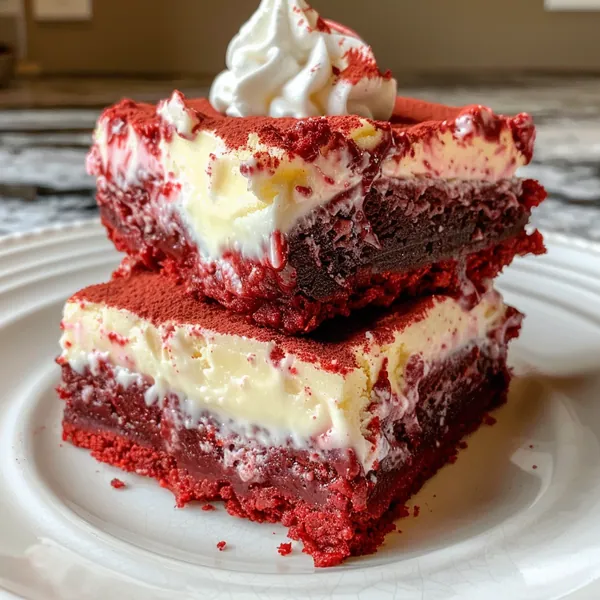
Dust each bar with a fine sprinkle of powdered sugar or sifted cocoa powder just before serving for an elegant finish. Arrange bars on warmed plates alongside a scoop of vanilla ice cream to accentuate temperature contrast, or pair with fresh berries—raspberries and strawberries offer a bright, tart counterpoint. A dollop of softly whipped cream infused with a hint of vanilla or liqueur adds luxurious creaminess.

For a refined presentation, place the bar at a slight angle and drizzle warm chocolate or caramel sauce artistically around it. Garnish with edible flowers or a sprig of mint for color. Serve on slate boards or marble slabs to highlight the molten interior when cut open, creating an inviting reveal for home entertaining.

Nutrition & Dietary Notes

Each standard bar (assuming six servings) contains approximately 320 kcal, 25 g fat, 28 g carbohydrates, and 5 g protein. Dark chocolate and butter contribute saturated fats, so enjoy these treats in moderation. Bars contain common allergens: dairy, eggs, wheat, and possible nuts if using nut-based variations.

To lighten the recipe, reduce sugar by 20 g and substitute half the butter with applesauce, noting that texture will be slightly less rich. For mini-bars, halve baking time and use a muffin tin, yielding smaller portions with fewer calories. Gluten-free flour blends and vegan butter paired with chia or flax “eggs” can accommodate dietary restrictions with minimal impact on molten texture.

FAQs

Can I prepare molten lava bars ahead of time?
Yes. Prepare and bake the bars completely, then let them cool and store in an airtight container in the refrigerator for up to three days. Reheat gently in a 175 °C (350 °F) oven for 5–7 minutes or microwave on medium power for about 20 seconds before serving to restore the molten center.

How do I freeze and reheat them?
After baking and cooling, flash-freeze bars on a baking sheet for an hour to prevent sticking. Transfer to freezer bags and freeze for up to one month. To reheat, bake frozen bars at 190 °C (375 °F) for 10–12 minutes, checking for edge setting while keeping the center gooey, or microwave on medium power in 15-second increments until warm.

What’s the best chocolate percentage?
A 60–70 % cocoa dark chocolate strikes the ideal balance of sweetness and intensity for molten bars. Higher percentages yield more bitterness and firmer centers, while lower percentages produce sweeter, softer results. Experiment within this range to suit personal preference.

Why did my center not stay molten?
Over-baking is the most common culprit. Check bars early and remove when only the outer edges are set and the center jiggles. Additionally, using too much flour or uneven oven heat can fully cook the interior. Verify ingredient ratios and oven temperature accuracy, and adjust baking times accordingly.

Leave a Comment

Recipe rating