In this article
- History and Origins of Mediterranean Wraps
- Core Ingredients in Mediterranean Wraps
- Popular Mediterranean Wrap Variants
- Health Benefits of Mediterranean Wraps
- How to Make a Mediterranean Wrap at Home (Step-by-Step Guide)
- Serving Suggestions and Pairings
- Storage and Meal Prep Tips
- Mediterranean Wraps in Restaurants and Fast Food Chains
- Creative Fusion and Modern Takes
- FAQs
Mediterranean wraps are a vibrant fusion of nutrition and flavor, rooted in one of the world’s most celebrated culinary traditions—the Mediterranean diet. Combining fresh vegetables, lean proteins, wholesome grains, and bold, herbaceous sauces, these wraps offer a healthy, delicious, and convenient meal option for all occasions. Wrapped in soft pita, lavash, or flatbread, Mediterranean wraps are as visually appealing as they are satisfying to eat.
The Mediterranean region, encompassing countries like Greece, Turkey, Lebanon, Israel, and Egypt, has long been known for its heart-healthy cuisine. With an emphasis on plant-based ingredients, olive oil, legumes, herbs, and grilled meats or plant proteins like falafel, Mediterranean food has gained immense popularity worldwide for its health benefits and flavor depth.
Mediterranean wraps capture the essence of this culinary tradition in a convenient, hand-held format that fits into the fast-paced lifestyle of modern consumers. Whether it’s a grilled chicken shawarma wrap drizzled with garlicky tahini or a vegan falafel wrap topped with creamy hummus, there is a version to suit every dietary preference.
Easy to prepare at home and widely available at restaurants and food trucks, these wraps have evolved beyond their traditional roots into customizable meals enjoyed across the globe. With growing interest in healthy, global cuisines, Mediterranean wraps have emerged as a go-to option for those seeking nutritious yet satisfying food. In this article, we’ll explore their origins, key components, popular varieties, and how to create your own fresh Mediterranean wrap at home.
History and Origins of Mediterranean Wraps
The roots of Mediterranean wraps can be traced back to the street food traditions of countries bordering the Mediterranean Sea. Long before the term “wrap” was coined in the West, cultures in the Middle East and Southern Europe were already crafting meals wrapped in soft breads like pita, lavash, and saj. These breads served as both plate and utensil, making them ideal for portable, mess-free eating.
In regions such as Greece, Lebanon, Turkey, and Israel, these wraps were commonly filled with seasoned meats like lamb or chicken, fresh vegetables, and tangy sauces like tzatziki or tahini. The concept of combining protein, produce, and sauces in bread was both economical and efficient, suited to workers and travelers seeking nourishment on the go.
The popularization of Mediterranean wraps outside of the region began in earnest during the late 20th century. As Middle Eastern and Mediterranean immigrants brought their culinary traditions to Europe and North America, dishes like gyros, shawarma, and falafel wraps started appearing in restaurants and food trucks. These offerings quickly gained popularity for their bold flavors and health appeal.
Today, Mediterranean wraps are enjoyed globally in various forms, from traditional recipes to modern fusions that cater to vegetarian, vegan, and gluten-free diets.
Core Ingredients in Mediterranean Wraps
Mediterranean wraps are defined by their fresh, whole-food ingredients that reflect the core elements of the Mediterranean diet. While combinations vary, most wraps consist of a balanced mix of carbohydrates, protein, vegetables, and healthy fats.
Wrap Base
The most common breads used include pita (pocket or flat), lavash, and flatbread. These are soft, pliable, and able to hold fillings without breaking. Whole grain and gluten-free options are increasingly popular, offering alternatives for various dietary needs.
Proteins
Grilled or roasted meats are staples in many Mediterranean wraps. Chicken shawarma, lamb gyro, beef kofta, and seafood such as grilled shrimp are popular protein choices. Vegetarian alternatives like falafel, roasted chickpeas, and grilled halloumi cheese are equally prominent and nutritious.
Fresh Vegetables
Crisp vegetables add crunch, flavor, and color. Common choices include romaine lettuce, spinach, cucumbers, tomatoes, red onions, and shredded carrots. Some wraps include pickled vegetables or turnips for added tang and complexity.
Herbs and Seasonings
Fresh herbs such as parsley, mint, and cilantro are often sprinkled throughout for fragrance and depth. Spices like cumin, paprika, sumac, and za’atar provide authentic Mediterranean flavor.
Sauces and Spreads
Signature Mediterranean sauces elevate each wrap. Tzatziki (yogurt-cucumber sauce), tahini (sesame paste), hummus (blended chickpeas), and garlic sauce are staples. These add creaminess, moisture, and a rich flavor profile.
These core ingredients form a nutrient-dense, flavorful, and versatile meal suitable for any time of day.
Popular Mediterranean Wrap Variants
Mediterranean wraps come in numerous regional and modern variations, each offering its own distinct flavor profile and ingredients. Here are some of the most popular types found in restaurants, home kitchens, and street food stalls around the world.
1. Chicken Shawarma Wrap
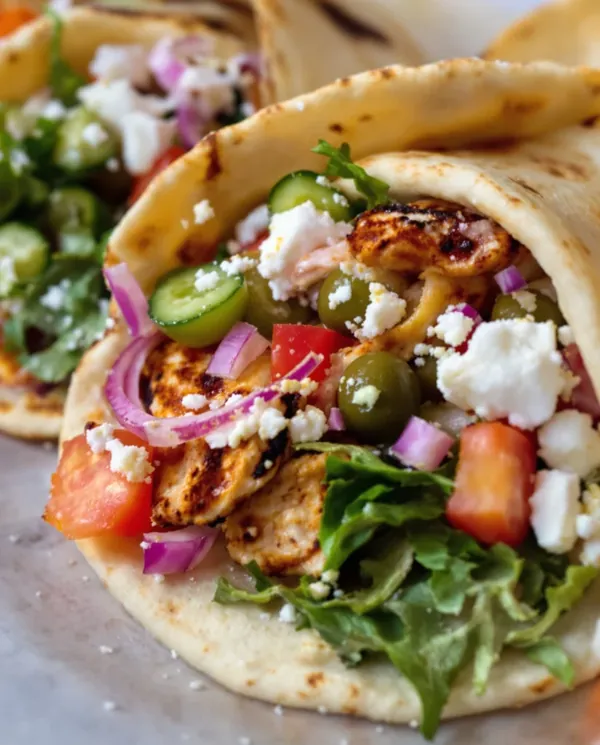
One of the most iconic versions, the chicken shawarma wrap features thinly sliced, spiced chicken that’s slow-cooked on a vertical rotisserie. The meat is typically paired with garlic sauce, lettuce, pickles, and tomatoes, all wrapped in warm pita or flatbread.
2. Falafel Wrap
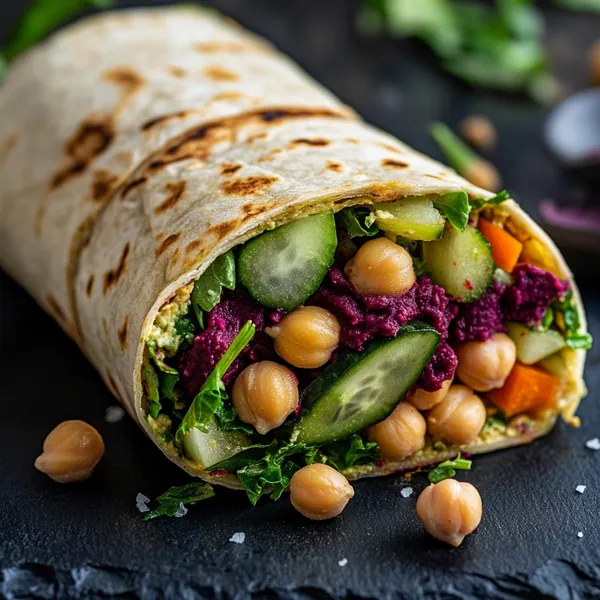
A vegetarian staple, the falafel wrap includes crispy fried balls made from ground chickpeas or fava beans. Accompanied by fresh vegetables and creamy tahini or hummus, this wrap is hearty, plant-based, and packed with protein.
3. Gyro Wrap
Originating in Greece, the gyro wrap uses sliced lamb, beef, or chicken seasoned with Mediterranean herbs. It’s usually served with onions, tomatoes, lettuce, and a generous dollop of tzatziki sauce, all wrapped in soft pita bread.
4. Kofta Wrap
This wrap features ground meat (typically beef or lamb) mixed with onions, herbs, and spices, formed into skewers or patties and grilled. Kofta is often paired with tahini sauce, parsley, and chopped salad for a rich and savory experience.
5. Vegan Mediterranean Wrap
Made with plant-based fillings like roasted vegetables, falafel, hummus, quinoa, and avocado, these wraps cater to vegans while still delivering bold Mediterranean flavors.
6. Seafood Mediterranean Wrap
Grilled shrimp, white fish, or calamari are often used as protein alternatives, paired with fresh greens and lemon-garlic dressing for a lighter, coastal-inspired variation.
Each wrap variant offers a unique take on traditional Mediterranean flavors, making it easy to find a combination that suits personal taste and dietary preferences.
Health Benefits of Mediterranean Wraps
Mediterranean wraps are widely regarded as a health-conscious meal choice, largely due to their foundation in the nutrient-rich Mediterranean diet. By combining whole grains, lean proteins, vegetables, and heart-healthy fats, these wraps support both wellness and satiety.
Rich in Nutrients
Ingredients like hummus, olive oil, and fresh vegetables are loaded with essential vitamins, minerals, and antioxidants. These elements promote improved digestion, reduced inflammation, and a stronger immune system.
High in Fiber
Whole grain flatbreads, legumes (like chickpeas), and fresh vegetables contribute a significant amount of dietary fiber. This supports digestive health, helps regulate blood sugar levels, and keeps you fuller longer.
Heart-Healthy Fats
Olive oil, tahini, and nuts used in sauces and spreads offer unsaturated fats, which are linked to reduced cholesterol levels and improved heart health.
Lean Proteins
Grilled chicken, fish, falafel, or legumes provide high-quality protein with lower saturated fat compared to red meat. These proteins help with muscle repair, metabolic support, and overall energy.
Customizable for Dietary Needs
Mediterranean wraps can easily be adapted for vegetarian, vegan, gluten-free, and low-carb diets. Substituting lettuce wraps for bread or using gluten-free flatbreads ensures inclusivity without compromising taste or nutrition.
Balanced Macronutrients
These wraps provide a well-rounded balance of carbohydrates, protein, and fats, which helps with sustained energy and reduced cravings throughout the day.
Whether as a quick lunch or a nutritious dinner, Mediterranean wraps offer a flavorful way to nourish the body while enjoying global culinary traditions.
How to Make a Mediterranean Wrap at Home (Step-by-Step Guide)
Making a Mediterranean wrap at home is easy, affordable, and allows for full customization based on dietary preferences. Here’s a step-by-step guide to creating the perfect wrap from scratch.
Step 1: Choose Your Wrap Base
Select your bread—pita, lavash, flatbread, or a whole grain wrap. For gluten-free options, use gluten-free flatbread or opt for lettuce leaves for a low-carb version.
Step 2: Prepare Your Protein
Choose from grilled chicken, falafel, lamb, beef kofta, or even grilled vegetables.
-
Chicken Shawarma: Marinate chicken in olive oil, garlic, cumin, coriander, paprika, turmeric, and lemon juice. Grill or roast until cooked through.
-
Falafel: Use canned chickpeas, blended with garlic, onion, parsley, and spices. Form into balls and bake or fry.
-
Kofta: Mix ground meat with grated onion, parsley, garlic, and spices. Grill until browned.
Step 3: Chop Fresh Vegetables
Common vegetables include chopped lettuce, cucumbers, cherry tomatoes, red onion, and shredded carrots. For extra flavor, add pickled turnips or cabbage.
Step 4: Add Herbs and Seasonings
Finely chopped parsley, mint, or cilantro enhances freshness. Season with salt, pepper, and optional sumac or za’atar for a traditional flavor profile.
Step 5: Spread the Sauce
Apply a generous layer of hummus, tahini, garlic sauce, or tzatziki. This helps hold the wrap together and adds moisture.
Step 6: Assemble the Wrap
Lay out your bread, spread the sauce, layer the protein and vegetables, then roll tightly. If using pita pockets, stuff ingredients carefully to avoid tearing.
Step 7: Optional Heating
Toast the assembled wrap on a grill pan or sandwich press for a crispy finish and warm interior.
Homemade Mediterranean wraps are perfect for quick lunches, family dinners, or even party platters. The flexibility of ingredients makes them suitable for all dietary lifestyles.

Serving Suggestions and Pairings
Mediterranean wraps pair beautifully with a wide range of sides, dips, and beverages, enhancing both taste and nutrition. Whether you’re preparing a casual lunch or a complete dinner, these serving suggestions offer delicious combinations.
Side Dishes
-
Greek Salad: A refreshing mix of cucumbers, tomatoes, olives, red onions, and feta with olive oil and oregano.
-
Tabbouleh: A herbed bulgur salad made with parsley, mint, tomatoes, lemon juice, and olive oil.
-
Roasted Vegetables: Eggplant, zucchini, and bell peppers add a smoky, caramelized complement.
-
Dolmas (Stuffed Grape Leaves): Add a tangy, savory note and texture contrast.
Dips and Spreads
-
Hummus: Classic chickpea dip perfect for dipping extra vegetables or spreading in the wrap.
-
Baba Ganoush: Smoky eggplant dip that pairs well with lavash or flatbread chips.
-
Tzatziki: Ideal for cooling spicy wraps or using as a side sauce.
Beverages
-
Mint Tea: A traditional, soothing drink served hot or iced.
-
Sparkling Water with Lemon or Cucumber: Light and refreshing, complements savory flavors without overpowering them.
Pairing Mediterranean wraps with the right sides elevates the meal, turning a simple wrap into a well-balanced, flavorful Mediterranean feast.
Storage and Meal Prep Tips
Mediterranean wraps are excellent for meal prepping, making them a go-to for busy professionals and health-conscious individuals. Follow these tips to store and prepare wraps effectively for later consumption.
Ingredient Storage
-
Keep ingredients separate until assembly to maintain freshness. Store proteins, vegetables, sauces, and bread in airtight containers in the refrigerator.
-
Wrap bread in foil or parchment to prevent it from drying out. Keep sauces in small jars or condiment cups to avoid sogginess.
-
Cut vegetables just before assembling for optimal crunch and color.
Assembling in Advance
-
If you must pre-assemble, wrap them tightly in foil or parchment and refrigerate.
-
Avoid adding watery vegetables (like tomatoes) or too much sauce if preparing more than 12 hours in advance.
Reheating Tips
-
Reheat proteins separately to preserve texture, then reassemble your wrap.
-
For toasted wraps, use a panini press or grill pan to re-crisp the bread and warm the contents.
Freezing
-
Wraps with cooked meats can be frozen without vegetables or sauces. Wrap tightly in foil and store in a freezer-safe bag for up to one month.
With proper storage, Mediterranean wraps can be part of your weekly meal rotation without sacrificing quality.
Mediterranean Wraps in Restaurants and Fast Food Chains
Mediterranean wraps have become a staple on menus in fast-casual restaurants, delis, and even large fast-food chains, thanks to their widespread appeal and health halo. Many establishments offer build-your-own wrap options, allowing diners to choose proteins, toppings, and sauces to fit their taste and dietary needs.
Popular Chains Featuring Mediterranean Wraps
-
CAVA: Known for its customizable wraps with options like grilled chicken, lamb, falafel, and a variety of spreads and toppings.
-
Zoe’s Kitchen (now part of CAVA): Previously offered wraps with Mediterranean flair, emphasizing fresh, clean ingredients.
-
The Halal Guys: A street food favorite that serves gyro or chicken wraps with their signature white and red sauces.
-
Pita Pit and Garbanzo Mediterranean Fresh: Offer fresh wrap options with a range of proteins and vegetable choices.
Nutritional Considerations
While restaurant wraps often highlight health benefits, calorie content can vary based on sauces, oils, and portion sizes. Always check nutritional facts when available and opt for whole grain wraps and lean proteins when possible.
Whether you’re dining in or ordering out, Mediterranean wraps remain a top pick for those seeking flavorful, wholesome meals.
Creative Fusion and Modern Takes
Modern Mediterranean wraps have expanded far beyond traditional recipes, integrating global flavors and dietary innovations. This culinary creativity reflects the growing demand for personalized and diverse eating experiences.
Fusion Concepts
-
Mediterranean-Mexican Wraps: These blends feature ingredients like black beans, avocado, and chipotle tahini in a lavash wrap, combining the spice of Mexican cuisine with Mediterranean freshness.
-
Asian-Mediterranean Wraps: Wraps that include ingredients such as sesame slaw, tofu, or Korean-style beef with hummus or tahini for cross-cultural fusion.
-
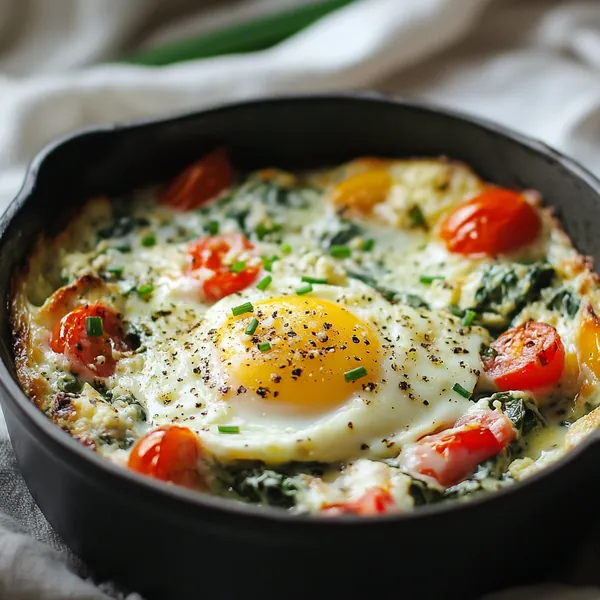
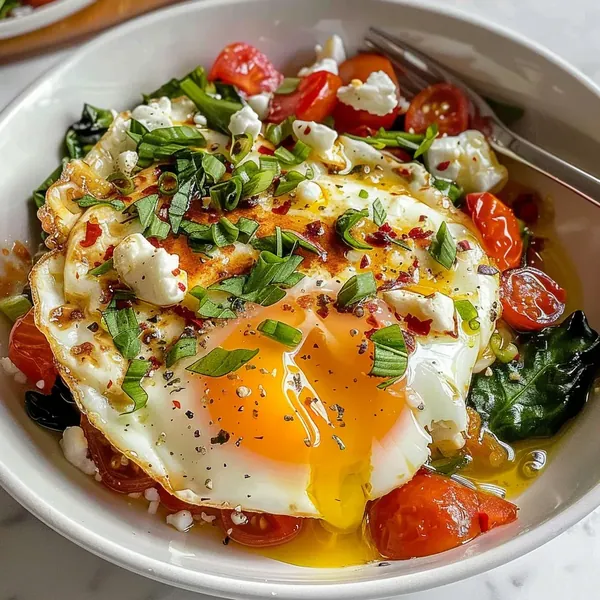
Breakfast Wraps: Scrambled eggs, spinach, olives, feta, and a drizzle of olive oil in a pita or whole grain wrap make for a high-protein start to the day.
Deconstructed Wrap Bowls
For those avoiding bread, Mediterranean wraps are often transformed into bowl meals, where ingredients are layered over grains like quinoa, couscous, or rice with the same flavorful toppings and sauces.
Vegan and Keto Versions
Creative ingredient swaps allow for low-carb and plant-based adaptations using grilled vegetables, lettuce wraps, and dairy-free sauces.
These modern interpretations maintain the soul of Mediterranean cuisine while embracing global tastes and health trends, making wraps more inclusive and exciting than ever.
FAQs
What is in a Mediterranean wrap?
A Mediterranean wrap typically includes a flatbread or pita base filled with grilled or roasted protein (like chicken, falafel, or lamb), fresh vegetables (lettuce, tomato, cucumber, onions), herbs (parsley, mint), and sauces such as hummus, tahini, garlic sauce, or tzatziki. The combination of textures and flavors reflects the diversity of Mediterranean cuisine.
Are Mediterranean wraps healthy?
Yes, Mediterranean wraps are generally considered healthy, especially when made with whole grains, lean proteins, and fresh vegetables. They provide a balanced mix of macronutrients and are often high in fiber, vitamins, and heart-healthy fats from olive oil and tahini. However, calorie counts can vary based on sauces and portion size.
What sauces go best with Mediterranean wraps?
Popular sauces include hummus, tahini, tzatziki, garlic yogurt sauce, and spicy harissa. These sauces add flavor, moisture, and nutritional value, and can be swapped or combined based on personal preference.
What kind of bread is used for Mediterranean wraps?
Common options include pita bread (flat or pocket style), lavash, and flatbreads. For gluten-free alternatives, many use gluten-free tortillas or large lettuce leaves.
Can Mediterranean wraps be vegan or gluten-free?
Absolutely. Vegan versions use falafel or roasted chickpeas with dairy-free sauces. Gluten-free wraps can be made using gluten-free flatbreads or lettuce. The Mediterranean diet is inherently flexible, making it ideal for many dietary restrictions.
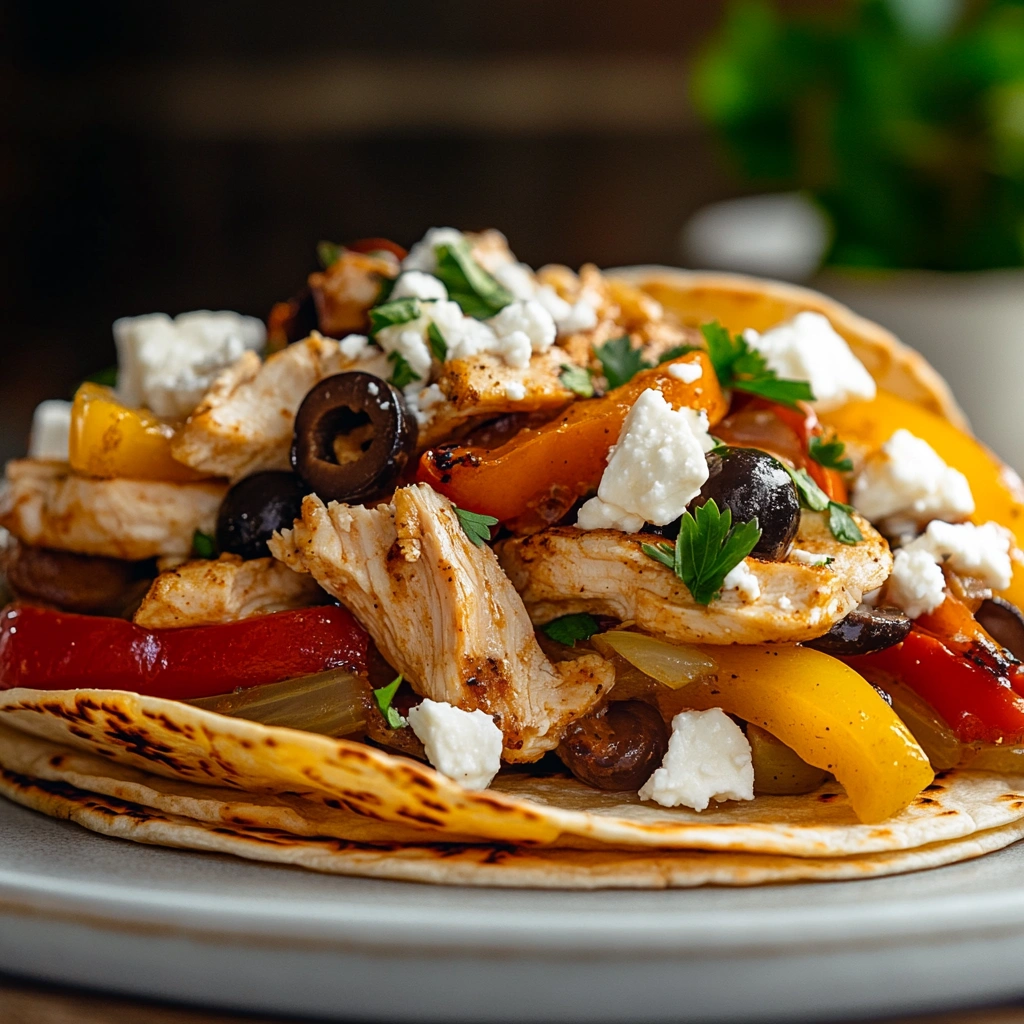
Mediterranean Wraps
These homemade Mediterranean wraps are a fresh, flavorful, and healthy meal option packed with vibrant ingredients and bold spices. Made with soft pita or flatbread and filled with your choice of protein—like grilled chicken or falafel—plus crisp veggies, creamy hummus or tzatziki, and fresh herbs, they’re perfect for lunch, dinner, or meal prep. Customize the fillings to suit any diet, from high-protein to vegan or gluten-free. Easy to assemble and full of Mediterranean flavor, these wraps make clean eating both delicious and convenient.
Ingredients
- 1 lb chicken breasts, or thighs. Rotisserie will also work.
- 1 lemon, squeezed
- ¼ cup olive oil
- 1 tsp garlic powder
- ½ tsp Italian Seasoning Blend , (dried oregano, dried basil, dried thyme)
- ½ tsp salt
- ½ tsp smoked paprika
- 4-6 large tortillas
- 1 cup hummus
- ¼ cup cucumber, sliced
- ¼ cup tomatoes, chopped
- 1 cup romaine, shredded
- ¼ cup feta
- ¼ cup olives, chopped , kalamata or green olives.
- 1 bell pepper, sliced and sautéed
- ½ red onion, sliced and sautéed
Instructions
- If you are using rotisserie chicken, skip this step. In a large bowl, slice breasts in half and add all the marinade ingredients. Marinate the chicken for 20 minutes (if you have the time). In a large skillet, heat 1 tsp oil on medium/high head. Add the marinated chicken.
- Cook the chicken for about 8-10 minutes on each side. I like to flip it a few times throughout the cooking process. Cook until the internal temp reaches 165ºF. Once chicken is cooked through, transfer to a plate and add peppers and onions to the same skillet.
- Add Peppers and onions to the same skillet chicken was in, or use a fresh skillet. Add 1 tsp of oil and sauté them down until sweating and soft (about 5 minutes). Season with a pinch of salt.
- Assemble the wraps! I toast my tortillas for 45 seconds on the stove, this is optional. Start with spreading the hummus and then add all the toppings to the wrap. Fold the bottom up halfway, fold in the sides and poke with a toothpick to keep it closed.
- Serve with sriracha and extra hummus is desired. Enjoy!