In this article
Mediterranean stuffed zucchini combines the tender bite of summer squash with vibrant flavors drawn from coastal regions where olive oil, fresh herbs and wholesome vegetables reign supreme. This recipe transforms humble zucchini into edible “boats” brimming with a savory filling of tomatoes, aromatic garlic and tangy cheese, baked until golden and bubbling. Perfect for warm-weather gatherings, weeknight dinners or meal prep, these zucchini boats offer a versatile canvas: you can customize the filling with lamb, beef, seafood or plant-based proteins, and adjust herbs and spices to suit your palate. Not only is this dish visually appealing—proof that simple ingredients can produce an elegant presentation—but it also highlights the essence of Mediterranean cooking: fresh produce, balanced flavors and heart-healthy fats. Whether you’re hosting friends or seeking a satisfying solo supper, these stuffed zucchinis deliver on taste, nutrition and ease, inviting you to savor the best of the Mediterranean in every bite.
Zucchini in Mediterranean Cuisine
Zucchini, known as courgette in many European countries, originated in the Americas but has become a staple across Mediterranean kitchens. Introduced to Europe in the 16th century, zucchini adapted quickly to the sun-drenched climates of Italy, Greece and North Africa, where it thrives during warm summer months. Because of its mild, slightly sweet flavor and tender texture, zucchini readily absorbs oils, herbs and spices, making it ideal for stews, gratins, salads and, of course, stuffing.
In Italian cucina povera—the “peasant cuisine” celebrated for its resourcefulness—zucchini often appears in frittatas, ratatouille-style caponatas or simply sautéed in garlic and olive oil. Greek home cooks incorporate zucchini into briam, a roasted vegetable medley, and kolokythokeftedes, light fritters spiced with mint and feta. In Turkey and throughout the Levant, zucchini boats are filled with rice, pine nuts and a blend of cinnamon, allspice and fresh dill, showcasing a sweeter spicing profile. Across these regions, the common thread is respect for seasonal produce: minimal processing, straightforward techniques and an emphasis on olive oil’s richness. This heritage underpins modern takes on stuffed zucchini, ensuring that each variation remains true to a centuries-old tradition of celebrating simple, vegetal bounty.
Key Ingredients Breakdown
Zucchini
Select firm, unblemished medium-sized zucchinis (about 6–8 inches long) for even cooking and stable “boats.” Smaller zucchinis tend to be sweeter and more tender, but they yield less cavity space; larger fruits can hold more filling but may be watery.
Tomatoes
Choose ripe plum or Roma tomatoes for controlled moisture and robust flavor. Alternatively, use canned diced tomatoes (drained) when fresh tomatoes are out of season. The acidity balances the richness of cheese and olive oil.
Onion & Garlic
Yellow or sweet onions provide a mild, caramelized base, while garlic—minced or crushed—adds a pungent kick. Sautéing both in olive oil softens sharp edges and forms the aromatic foundation for the stuffing.
Protein Options
– Ground Lamb: Traditional in many Mediterranean recipes, lamb contributes a distinctive, savory depth.
– Ground Beef: A milder substitute, readily available and often more budget-friendly.
– Plant-Based Crumbles or Lentils: Ideal for vegetarians and vegans, offering texture and protein without meat.
Herbs & Spices
– Oregano & Thyme: Classic Mediterranean aromatics, best used dried for cooking.
– Parsley & Mint: Added fresh at the end for brightness.
– Cumin & Paprika: Optional warm spices that add complexity; smoked paprika lends a subtle charred note.
Cheese
– Feta: Salty and tangy, crumbles easily into the stuffing.
– Halloumi or Pecorino: Firmer cheeses that can be cubed or grated for sharper, more pronounced flavor.
Olive Oil
Extra-virgin olive oil ties ingredients together, infusing the filling and brushing the zucchini boats for a golden finish.
By combining these components thoughtfully—balancing moisture, flavor and texture—you’ll create a stuffing that complements rather than overwhelms the delicate zucchini shells.
Preparing the Zucchini
Rinse each zucchini under cool water, then pat dry. Trim the stem ends and slice each in half lengthwise to form symmetrical “boats.” Using a small spoon or melon baller, gently scoop out the central flesh, leaving a ¼-inch thick wall around the edges. Reserve the scooped flesh for incorporation into the stuffing mixture.
Place the hollowed zucchini halves on a baking sheet, cavity side up. Generously sprinkle the cut sides with kosher salt to draw out excess moisture. Let them rest for 15–20 minutes, then blot any liquid with paper towels. This step prevents watery boats and ensures the shells crisp slightly during baking.
If you prefer firmer shells, pre-bake the zucchini: brush each half lightly with olive oil, then roast in a preheated oven at 375 °F (190 °C) for 8–10 minutes. Remove and set aside until you assemble the filling. Par-baking gives the zucchini structure, helping it hold the weight of the stuffing without collapsing.
For a no-bake alternative, skip the pre-baking and rely solely on the roasting time after filling. However, keep an eye on baking time, rotating the pans midway to promote even browning.
Whether you choose to salt-rest, pre-bake or proceed directly to stuffing, handling the zucchini gently preserves its shape. Proper preparation ensures that each boat emerges from the oven tender yet intact, ready to cradle the flavorful Mediterranean filling.
Health Benefits of This Dish
Mediterranean stuffed zucchini scores high on nutrition, aligning with the celebrated Mediterranean diet—associated with longevity and reduced risk of chronic disease. Zucchini itself is low in calories (approximately 17 calories per 100 g) and rich in water and dietary fiber, promoting satiety and healthy digestion. Its vitamin C content supports immune function and collagen synthesis, while potassium helps regulate blood pressure.
The use of extra-virgin olive oil supplies monounsaturated fats, which have been shown to improve cholesterol profiles and reduce inflammation. Incorporating tomatoes adds lycopene, an antioxidant linked to heart health and cancer prevention. Garlic and onions bring organosulfur compounds with antimicrobial and cardioprotective properties.
Protein choices—whether lean ground meat, lentils or plant-based crumbles—ensure adequate amino acid intake for muscle maintenance and metabolic health. Herbs like oregano, mint and parsley contribute additional antioxidants and phytonutrients without extra calories or sodium.
Finally, substituting full-fat cheeses with moderate amounts of feta or using lighter alternatives can maintain flavor while keeping saturated fat in check. Overall, this dish exemplifies a balanced meal: vegetables, protein, healthy fats and flavorful herbs, making it a nutritious option for those pursuing wellness without sacrificing taste.
Making the Mediterranean-Style Stuffing
Begin by warming 2 tablespoons of extra-virgin olive oil in a large skillet over medium heat. Add 1 cup of finely diced onion and sauté for 3–4 minutes, stirring until translucent. Stir in 3 cloves of minced garlic and cook for 30 seconds until fragrant, taking care not to let it brown. Increase heat to medium-high and add 8 ounces of your chosen protein—ground lamb, beef, or plant-based crumbles—breaking it up with a wooden spoon. Cook until browned and no longer pink, about 5–7 minutes, then drain any excess fat if necessary.
Chop the reserved zucchini flesh into small pieces and stir into the skillet along with 1 cup of diced tomatoes (fresh or drained canned). Season with 1 teaspoon dried oregano, ½ teaspoon ground cumin, ½ teaspoon smoked paprika, and a pinch of salt and pepper. Reduce heat to low and simmer for 5–6 minutes, allowing flavors to meld and excess liquid to evaporate.
Off the heat, fold in ½ cup crumbled feta and 2 tablespoons each of chopped fresh parsley and mint. The residual heat will soften the cheese without melting it completely, preserving creamy pockets of tanginess. Taste and adjust seasoning—add more salt for depth, a squeeze of lemon juice for brightness, or a dash of red pepper flakes for heat.
Transfer the mixture to a bowl and let it rest for 5 minutes. This resting period lets the flavors marry and prevents the stuffing from being too hot to handle during assembly. Stir once more to distribute cheese and herbs evenly before filling your prepared zucchini boats.
Assembling and Baking
Preheat your oven to 375 °F (190 °C) and arrange the zucchini boats in a shallow baking dish, cavity side up. Using a spoon, mound the stuffing into each boat, pressing lightly to ensure even distribution. Each half should hold approximately ¼ to ⅓ cup of filling; aim for consistency so they bake uniformly.
Once filled, brush the exposed edges of the zucchini with a thin layer of olive oil to encourage browning. For extra flavor and moisture, spoon 2 tablespoons of tomato sauce or crushed tomatoes over the top of each boat. If you like a crisp, golden crust, sprinkle 2 tablespoons of grated pecorino or halloumi on each.
Cover the dish loosely with aluminum foil and bake for 20 minutes. This initial covered bake steams the zucchini and heats the filling through. After 20 minutes, remove the foil and continue baking for an additional 10–15 minutes, or until the tops are golden and the zucchini edges are tender but still hold their shape. Rotate the pan halfway through for even cooking and color.
Once done, let the dish rest for 5 minutes before serving to allow the juices to settle. This brief cooldown prevents the filling from spilling and makes portioning neater. If desired, garnish with additional chopped parsley, a drizzle of olive oil, or a sprinkle of toasted pine nuts before presenting.
Serving Suggestions & Pairings
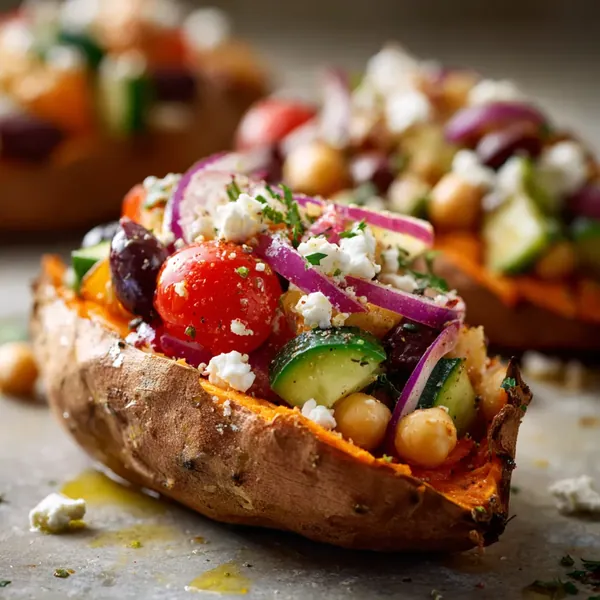
These stuffed zucchini shine when paired with light, complementary sides. A classic Greek salad—tossed tomatoes, cucumbers, red onion, kalamata olives and feta—provides a crisp counterpoint to the warm, savory zucchini. Dress it simply with olive oil, red wine vinegar and oregano to echo flavors in the stuffing.
For a grain accompaniment, serve alongside fluffy couscous or herbed quinoa. Prepare couscous with vegetable broth and stir in chopped mint, parsley and lemon zest for brightness. Alternatively, wild rice pilaf with toasted almonds and dried cranberries offers a nutty, slightly sweet contrast.
If you prefer bread, crusty baguette slices or warm pita make excellent vehicles for scooping up any juices. Drizzle the bread lightly with olive oil and sprinkle with sea salt before toasting for extra flavor.
Wine selections should complement the herbal and tangy notes: a dry rosé (Provence style) or a crisp white such as Assyrtiko or Pinot Grigio works beautifully. For beer lovers, a light pilsner or a Belgian witbier with coriander and citrus undertones can balance the richness of the cheese and protein.
For an all-Mediterranean spread, include small plates of hummus, tzatziki and marinated olives. Guests can mix and match bites, creating a mezze-style experience. Finish the meal with fresh fruit—grapes, figs or melon—to cleanse the palate and celebrate seasonal produce.

Variations and Substitutions
Vegetarian/Vegan: Replace meat with 1½ cups cooked lentils or plant-based crumbles. Omit feta and stir in ¼ cup nutritional yeast or vegan cheese alternative. Increase herbs—especially mint and parsley—to boost freshness.
Gluten-Free: Ensure any added breadcrumbs or grains are certified gluten-free. Swap traditional couscous sides for quinoa, millet or rice-based pilafs to maintain a balanced plate.
Spice Twists: Stir 1 tablespoon harissa paste or za’atar spice blend into the stuffing for North African flair. For a smoky undertone, increase smoked paprika to 1 teaspoon and add a pinch of cayenne.
Regional Takes:
-
Italian Style: Mix in ½ cup chopped sun-dried tomatoes and ¼ cup chopped fresh basil; top with shredded mozzarella before baking.
-
Turkish Style: Use rice or bulgur as the base, season with cinnamon and allspice, and finish with dill and parsley. Garnish with a dollop of yogurt mixed with garlic.
Cheese Swaps: Goat cheese or ricotta salata can replace feta for a milder tang. For more bite, use grated pecorino romano or parmesan.
Protein Alternatives:
-
Seafood Option: Fold in flaked cooked shrimp or crab for a coastal twist; reduce tomato volume to prevent sogginess.
-
Poultry: Finely chopped cooked chicken or turkey breast keeps calories lower and adds lean protein.
Tips & Troubleshooting
To prevent sogginess, always salt and rest zucchini halves for at least 15 minutes, then blot dry before filling. Par-baking shells for 8–10 minutes adds structure and reduces overall bake time.
For even cooking, choose zucchinis of similar size and thickness; if they vary, adjust placement in the oven—place smaller boats closer to the heat. Rotate the baking dish halfway through to avoid hot spots.
If stuffing seems too wet, return skillet to medium heat and cook down mixture until moisture evaporates; let it cool slightly before assembling. Conversely, add a splash of vegetable broth or extra tomato sauce if it’s too dry.
Store leftovers in an airtight container in the refrigerator for up to 3 days; reheat under the broiler for a minute to crisp the tops. Stuffed boats also freeze well—freeze unbaked, then bake from frozen with an extra 10 minutes.
Conclusion
Mediterranean stuffed zucchini exemplifies the harmonious balance of flavor, nutrition and versatility that defines coastal cooking. Starting with tender summer squash, a robust mixture of protein, tomatoes, herbs and savory cheese transforms simple ingredients into an elegant, satisfying entrée. Whether you follow a traditional lamb-based version or adapt it to vegetarian, gluten-free or regional styles, the process remains approachable and rewarding.
This dish shines at casual weeknight dinners, festive gatherings or as part of a mezze spread, offering a canvas for creativity—swap spices, proteins or cheeses to suit your preferences. Health-minded cooks will appreciate its fiber-rich vegetables, heart-healthy olive oil and lean protein, all packaged in an eye-catching presentation.
Embrace the Mediterranean ethos of fresh, seasonal produce and minimal processing by sourcing local zucchinis and herbs. With a few simple techniques—salting, par-baking and balanced seasoning—you’ll achieve perfectly tender boats brimming with flavor. Try this recipe soon, then make it your own, sharing the vibrant tastes of the Mediterranean table with friends and family.
FAQs
-
Can I prepare the stuffing ahead of time?
Yes. Complete the stuffing up to 24 hours in advance, refrigerate in an airtight container, then fill and bake just before serving. -
What’s the best way to prevent watery zucchini?
Salt the cut sides for 15–20 minutes, blot off excess liquid, and optionally par-bake the shells for 8–10 minutes. -
Is this recipe suitable for meal prep?
Absolutely. Baked stuffed zucchini hold up well in the fridge for 3 days and can be reheated under a broiler or in a 350 °F oven. -
How can I make it vegan?
Use plant-based crumbles or cooked lentils instead of meat, omit cheese or substitute vegan feta, and increase herbs for flavor. -
Can I grill the zucchini boats instead of baking?
Yes—assemble on a grill-safe tray, cover, and cook over indirect medium heat for 20–25 minutes, uncovering at the end to brown the tops.
Mediterranean Stuffed Zucchini Recipe
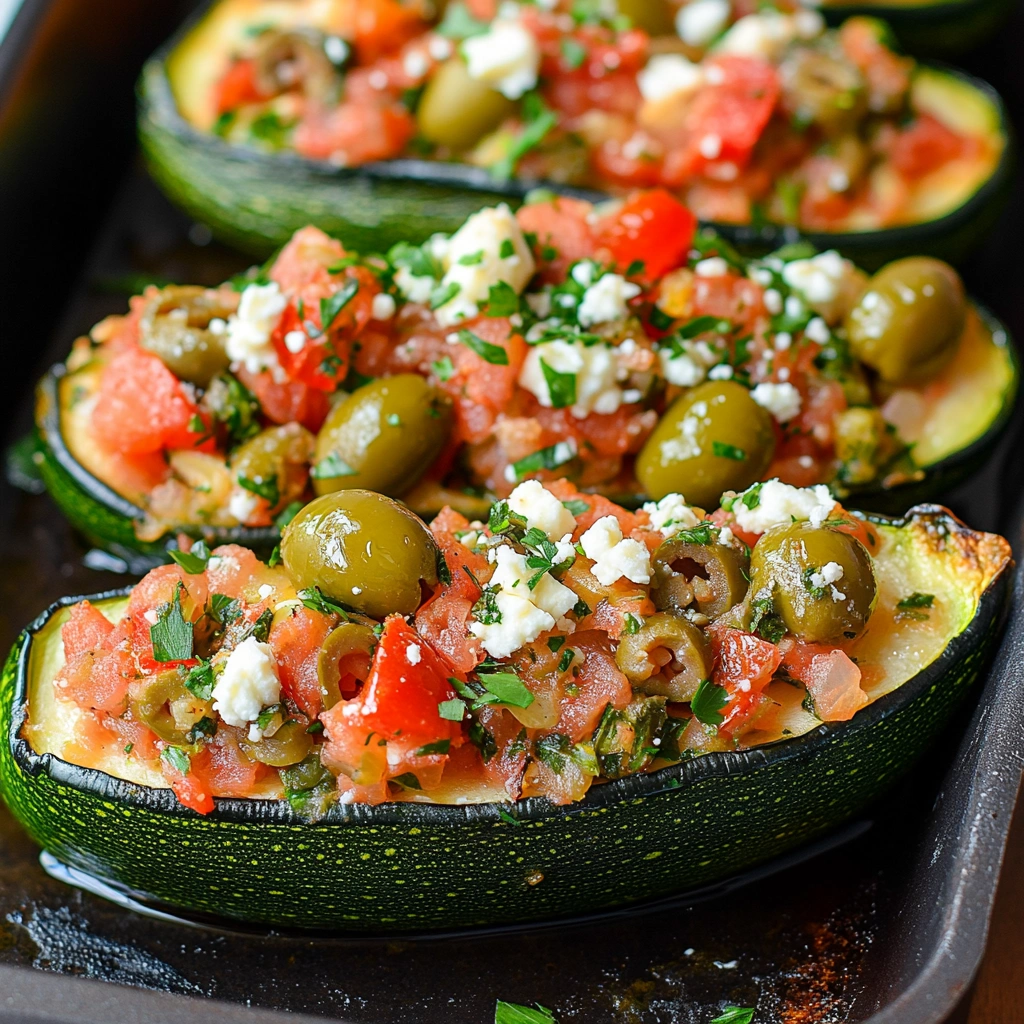
Mediterranean Stuffed Zucchini features tender zucchini “boats” filled with a savory mixture of ground lamb (or your choice of protein), ripe tomatoes, garlic, fresh herbs and creamy feta. Baked until golden and bubbling, this dish highlights the bright, balanced flavors of the Mediterranean diet—think olive oil richness, herbaceous freshness and a satisfying blend of textures. Perfect for a weeknight family dinner, an elegant buffet offering or make-ahead meal prep, these stuffed zucchinis deliver both vibrant taste and nourishing ingredients in every bite.
Ingredients
- 4 medium zucchini (about 8–10 inches long)
- 1 cup crumbled feta cheese (use Greek feta for the most authentic flavor)
- 1 cup cherry tomatoes, quartered
- 1/2 cup kalamata olives, pitted and chopped
- 1 small red onion, finely chopped
- 2 garlic cloves, minced
- 1 tablespoon olive oil
- 1 teaspoon dried oregano
- 1/2 teaspoon ground cumin (optional, for a slightly smoky flavor)
- 1/4 cup fresh parsley, chopped
- 1/4 cup fresh basil, chopped
- 1 lemon, zested and juiced
- Salt and pepper to taste
- 1/4 cup breadcrumbs (optional, for extra crunch)
- Extra virgin olive oil for drizzling
Instructions
Step 1: Preheat the Oven and Prep the Zucchini
- Start by preheating your oven to 375°F (190°C). While the oven heats up, wash the zucchini thoroughly and pat them dry with a clean towel.
- Slice each zucchini in half lengthwise and use a melon baller or spoon to carefully scoop out the flesh, leaving about 1/4 inch of flesh around the edges to create a sturdy boat shape. Set the scooped flesh aside, as you’ll incorporate it into the filling later.
- Place the hollowed zucchini halves on a baking sheet lined with parchment paper. Drizzle them lightly with olive oil and season them with a pinch of salt and pepper. This helps enhance their flavor as they bake.
Step 2: Prepare the Filling
- Chop the tomatoes, onion and herbs with a sharp chef’s knife on a sturdy cutting board.
- In a medium-sized skillet, heat the olive oil over medium heat. Add the finely chopped red onion and minced garlic to the pan. Sauté them for about 3–4 minutes until the onion becomes soft and translucent. Be careful not to burn the garlic, as it can quickly turn bitter
- Next, take the zucchini flesh that you scooped out earlier and chop it into small pieces. Add it to the skillet and cook for another 2–3 minutes. This helps reduce the moisture in the zucchini flesh and intensifies its flavor.
- Once the zucchini flesh is cooked down, add the quartered cherry tomatoes, chopped olives, and a pinch of salt and pepper to the skillet.
- Stir the mixture well and let it cook for another 5 minutes, or until the tomatoes start to break down and release their juices. At this stage, the filling should be fragrant and full of color.
- Remove the skillet from the heat and stir in the crumbled feta cheese, dried oregano, and ground cumin (if using). The feta will melt slightly, binding the ingredients together. Finally, mix in the chopped fresh parsley, basil, lemon zest, and half of the lemon juice for a burst of freshness.
Step 3: Stuff the Zucchini
- With your filling ready, it’s time to assemble the zucchini boats. Use a spoon to generously fill each hollowed zucchini half with the Mediterranean mixture, pressing down slightly so the filling holds together.
- If you like an added crunchy texture, sprinkle a little breadcrumbs on top of each stuffed zucchini.
- Drizzle the stuffed zucchini boats with a little extra virgin olive oil to enhance their richness and place the baking sheet in the preheated oven.
Step 4: Bake the Zucchini
- Bake the stuffed zucchini in the oven for 25–30 minutes, or until the zucchini is tender and the top is golden brown. You’ll know the dish is ready when the zucchini feels soft when pierced with a fork, and the breadcrumbs (if used) are lightly crisped.
Step 5: Garnish and Serve
- Once baked to perfection, remove the zucchini boats from the oven and let them cool for a minute or two. Squeeze the remaining lemon juice over the top for a bright, tangy finish.
- You can also sprinkle a bit more fresh parsley and basil on top for a pop of color and freshness.
- Serve the Mediterranean stuffed zucchini warm, either as a main dish or as a side. Pair it with a simple green salad or some warm pita bread for a complete meal. You can also drizzle a bit of tzatziki sauce or a yogurt dressing on top for an added layer of creamy goodness.