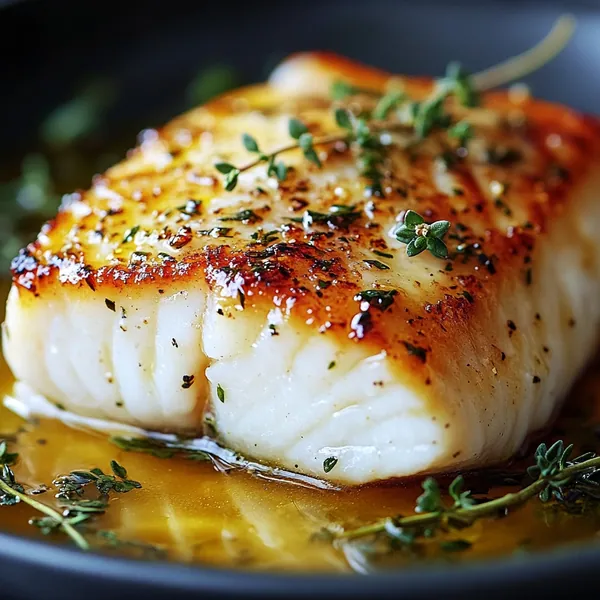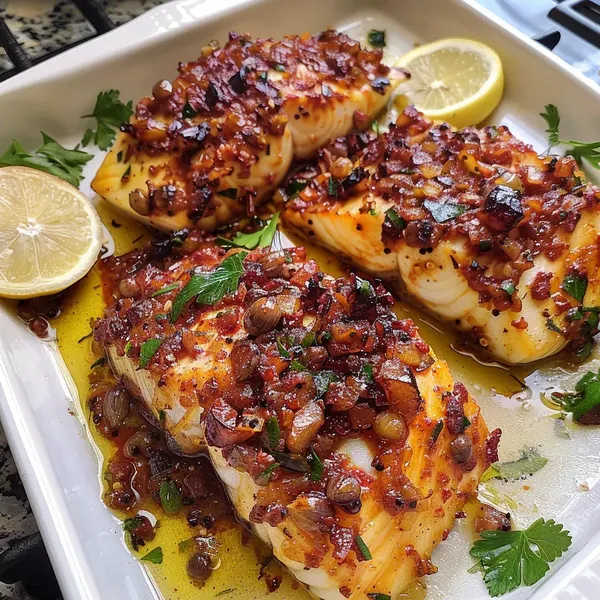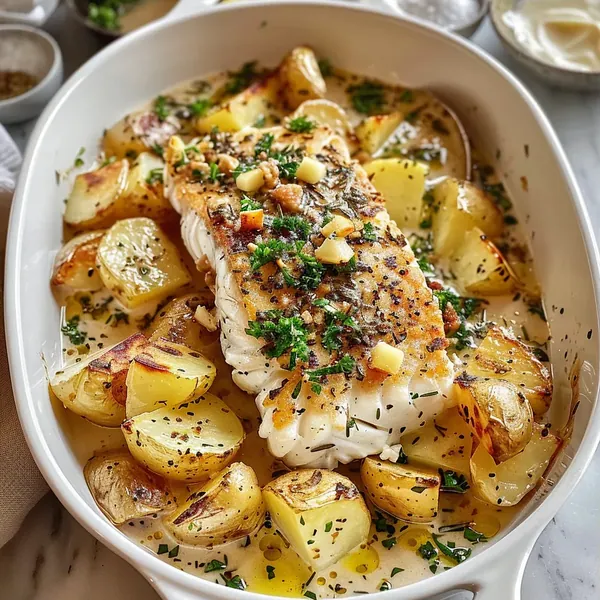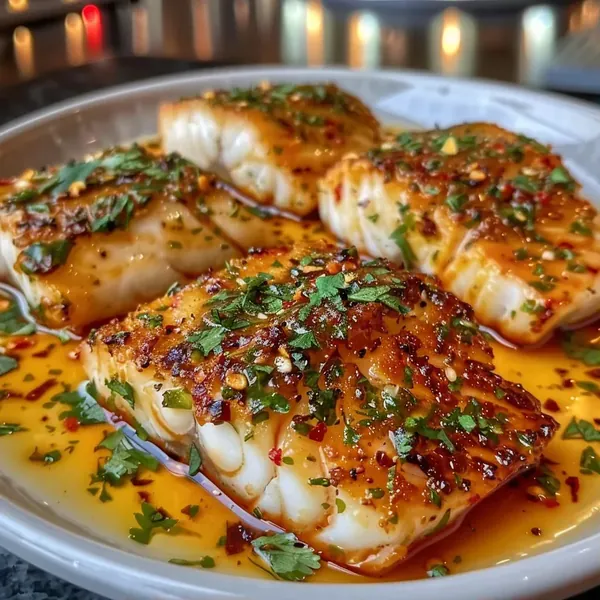
Marinated black cod, often celebrated in fine dining and home kitchens alike, is prized for its silken texture and deeply savory flavor. Also known as sablefish, this Pacific native delivers a luxury experience through its rich, buttery flesh that flakes apart with effortless tenderness. Marinating infuses the fish with layers of umami, sweetness, and subtle acidity, transforming a simple fillet into a restaurant-worthy dish. Whether you’re exploring Japanese miso-marinated preparations or experimenting with global spice blends, marinated black cod invites culinary creativity while remaining approachable for cooks of all skill levels. In this article, you’ll discover the fish’s origins, anatomy, health benefits, and the essential ingredients that make an outstanding marinade. We’ll walk you step by step through a classic miso-based recipe, share expert tips for perfect marination, and explore multiple cooking methods and serving suggestions. By the end, you’ll be equipped to prepare and present marinated black cod that impresses at dinner parties or elevates a weeknight meal.
History & Origins of Black Cod (Sablefish)
Native to the cold, deep waters of the North Pacific, black cod (Anoplopoma fimbria) has long featured in the diets of Indigenous peoples along Alaska’s coast and British Columbia. Known colloquially as sablefish for its dark, velvety skin, the species was historically valued for both its high oil content and its capacity to yield firm, succulent fillets. In Japan, sablefish arrived via trade routes in the early 20th century and quickly found favor in kaiseki cuisine, where chefs prized its ability to absorb bold flavors. Over time, Japanese restaurants in North America adopted and adapted traditional miso-marinating techniques, making miso black cod—popularized by high-end eateries—the signature preparation recognized worldwide today. Sustainable fisheries management and aquaculture innovations have since preserved sablefish populations, ensuring that marinated black cod remains available for home cooks and restaurateurs seeking its unique flavor profile.
What Is Black Cod? Anatomy & Characteristics
Despite its common name, black cod is not a true member of the cod family but belongs to the Anoplopomatidae family. Adult sablefish can reach lengths of up to three feet and live at depths between 600 and 3,000 feet. Its flesh stands out for a glossy white sheen and a fine, dense flake that resists overcooking, making it forgiving in the kitchen. Thanks to a naturally high oil content—often exceeding 20 percent—the meat translates to a lusciously moist bite even without added fats. Skin is thin yet sturdy, retaining shape under high heat and offering an edible crispness when seared. Seasonality peaks in late winter through spring, though globally distributed fisheries supply sablefish year-round. When sourcing black cod, look for firm, translucent fillets with a faintly sweet aroma and avoid any that appear mushy or overly dry along the edges.
Nutritional Profile & Health Benefits
Black cod is a nutritional powerhouse, renowned for its abundance of heart-healthy omega-3 fatty acids. A standard 4-ounce serving provides over 1,400 milligrams of EPA and DHA—two key long-chain omega-3s linked to reduced inflammation, improved cardiovascular function, and support for brain health. Each fillet also offers approximately 20 grams of high-quality protein, aiding muscle repair and satiety. Essential micronutrients include vitamin D, critical for bone health and immune regulation; selenium, an antioxidant mineral that protects cells from oxidative stress; and B vitamins (notably B12 and niacin) that facilitate energy metabolism and neurological function. Because black cod is low in mercury relative to larger predatory fish, it represents a safe choice for regular consumption. Including marinated black cod in your diet can help meet weekly dietary goals for seafood intake recommended by leading health authorities.
A stellar marinade for black cod balances umami depth, gentle sweetness, delicate acidity, and aromatic warmth. Miso paste anchors the profile with fermented soybean richness; white (shiro) miso yields a milder flavor, while red (aka) miso offers a more robust, salty character. Mirin, a sweet rice wine, contributes subtle sweetness and helps tenderize proteins, while sake adds a clean, slightly fruity dimension and further tenderization through alcohol. Soy sauce deepens color and imparts savory saltiness; low-sodium varieties permit greater control over salt levels. Sweeteners such as honey or brown sugar enhance caramelization under heat, rounding out any sharp notes. Rice vinegar or a squeeze of fresh lemon juice provides vital acidity to balance the fish’s richness and brighten the overall taste. For aromatics, grated ginger brings a peppery warmth; minced garlic lends pungent complexity; and finely chopped scallion adds a grassy, onion-like freshness. Some cooks incorporate a drizzle of sesame oil for its nutty fragrance or a pinch of red pepper flakes to introduce a touch of heat. When combined thoughtfully, these components coalesce into a marinade that clings to black cod’s silky fillets and stands up to high-heat cooking.
Classic Marinade Recipe & Preparation Steps
Ingredients (for four 6-ounce fillets):
¼ cup white miso paste
2 tablespoons mirin
2 tablespoons sake
1 tablespoon low-sodium soy sauce
1 tablespoon honey (or light brown sugar)
1 teaspoon rice vinegar (optional)
1 teaspoon grated fresh ginger
1 garlic clove, minced
1 scallion, thinly sliced
Combine Marinade In a non-reactive bowl or resealable plastic bag, whisk together miso paste, mirin, sake, soy sauce, honey, and rice vinegar until smooth. Stir in ginger, garlic, and scallion. Ensure no miso lumps remain for uniform coating.
Prepare Fish Pat black cod fillets dry with paper towels. This promotes better adhesion of the marinade and more even caramelization during cooking.
Marinate Place each fillet in the bowl or bag, turning to coat all surfaces thoroughly. Seal the container, then transfer to the refrigerator. For best results, marinate 12–24 hours. Shorter times (4–6 hours) will impart flavor but yield a subtler profile; avoid exceeding 36 hours to prevent overly soft texture.
Container & Safety Notes Use glass, ceramic, or food-safe plastic; avoid reactive metals. Always refrigerate at or below 40°F (4°C) to minimize bacterial growth. Discard any leftover marinade that has contacted raw fish, or boil it vigorously for at least one minute before using as a sauce.
Before Cooking Remove fillets from marinade and let rest at room temperature for 15–20 minutes. Gently wipe off excess marinade—this prevents burning and encourages even browning while leaving ample flavor on the fish.
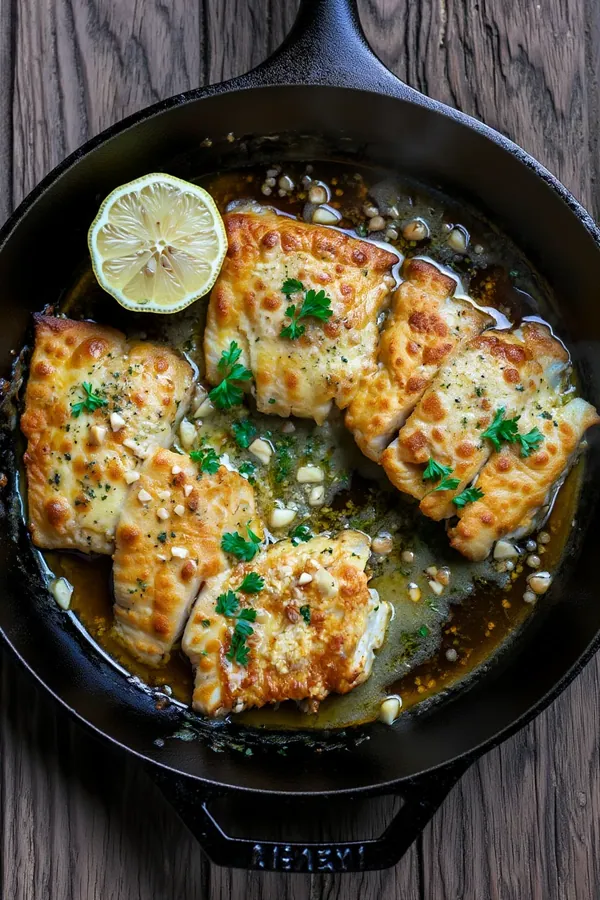
Proceed to Cooking With your classic miso marinade applied, the black cod is ready for broiling, pan-searing, or grilling. Each method highlights different textural contrasts between the caramelized exterior and unctuous interior.
Cooking Techniques for Marinated Black Cod
Achieving the perfect balance between a caramelized exterior and a tender, flaky interior hinges on your chosen cooking method, each lending distinct textures and flavors.
1. Broiling Position an oven rack 4–6 inches below the broiler element and preheat to high. Line a baking sheet with foil and lightly oil it to prevent sticking. Place marinated fillets skin-side down, wiping off excess marinade to avoid burning. Broil for 6–8 minutes, watching closely: the surface should blister and turn golden brown without charring. Internal temperature should register 135°F (57°C) for medium-rare doneness. Let rest 2–3 minutes before serving to allow carryover cooking.
2. Pan-Searing Select a heavy-bottomed or cast-iron skillet and heat over medium-high until shimmering. Add a teaspoon of neutral oil. Gently lay fillets skin-side up first—this allows the marinade’s sugars to caramelize without sticking. Sear 3–4 minutes, then flip and cook an additional 2–3 minutes on skin-side down, pressing lightly with a spatula for even contact. Finish in a 375°F (190°C) oven for 4–5 minutes if needed. Aim for an internal temperature of 135°F.
3. Grilling Preheat a gas or charcoal grill to medium-high, oiling the grates to reduce adhesion. Use a fish basket or skewers for easier handling. Place fillets skin-side down, close the lid, and grill 5–7 minutes. Flip once and grill 2–4 more minutes until the flesh flakes easily. A gentle smoke note from charcoal or wood chips will complement the marinade’s umami.
Tips Across Methods
Thickness Matters: Adjust times by 1–2 minutes per additional half-inch of thickness.
Resting: Always rest fish 2–3 minutes under loose foil to redistribute juices.
Thermometer Use: Invest in an instant-read probe to avoid overcooking.
By mastering these methods, you’ll deliver marinated black cod with a lacquered crust and melt-in-your-mouth center every time.
Serving Suggestions, Pairings & Presentation
The visual appeal and complementary flavors you choose can elevate marinated black cod from a simple entrée to a memorable centerpiece.
Accompaniments
Starches: Serve over steamed jasmine rice, short-grain sushi rice, or a bed of herbed quinoa. The grains absorb any residual sauce and balance the fish’s richness.
Vegetables: Pair with quick-pickled daikon or cucumber ribbons for acidity, sautéed bok choy or broccolini for verdant crunch, or roasted root vegetables seasoned simply with salt and oil.
Sauces & Condiments
Miso Glaze: Reserve a small portion of the marinade (boiled before use) and reduce it to a glossy glaze.
Yuzu Kosho Drizzle: A dab of citrus-pepper paste adds bright heat.
Sesame-Scallion Oil: Whisk toasted sesame oil with thinly sliced scallions and a splash of soy for an aromatic finish.
Beverage Pairings
White Wine: Choose an unoaked Chardonnay, Grüner Veltliner, or dry Riesling—crisp acidity and minerality cut through the fish’s fattiness.
Sake: Junmai or Ginjo styles offer gentle umami that resonates with the miso marinade.
Beer: A light pilsner or wheat beer provides refreshing effervescence.
Plating Techniques
Vertical Height: Mound rice or vegetables centrally; lean the fillet atop at a slight angle.
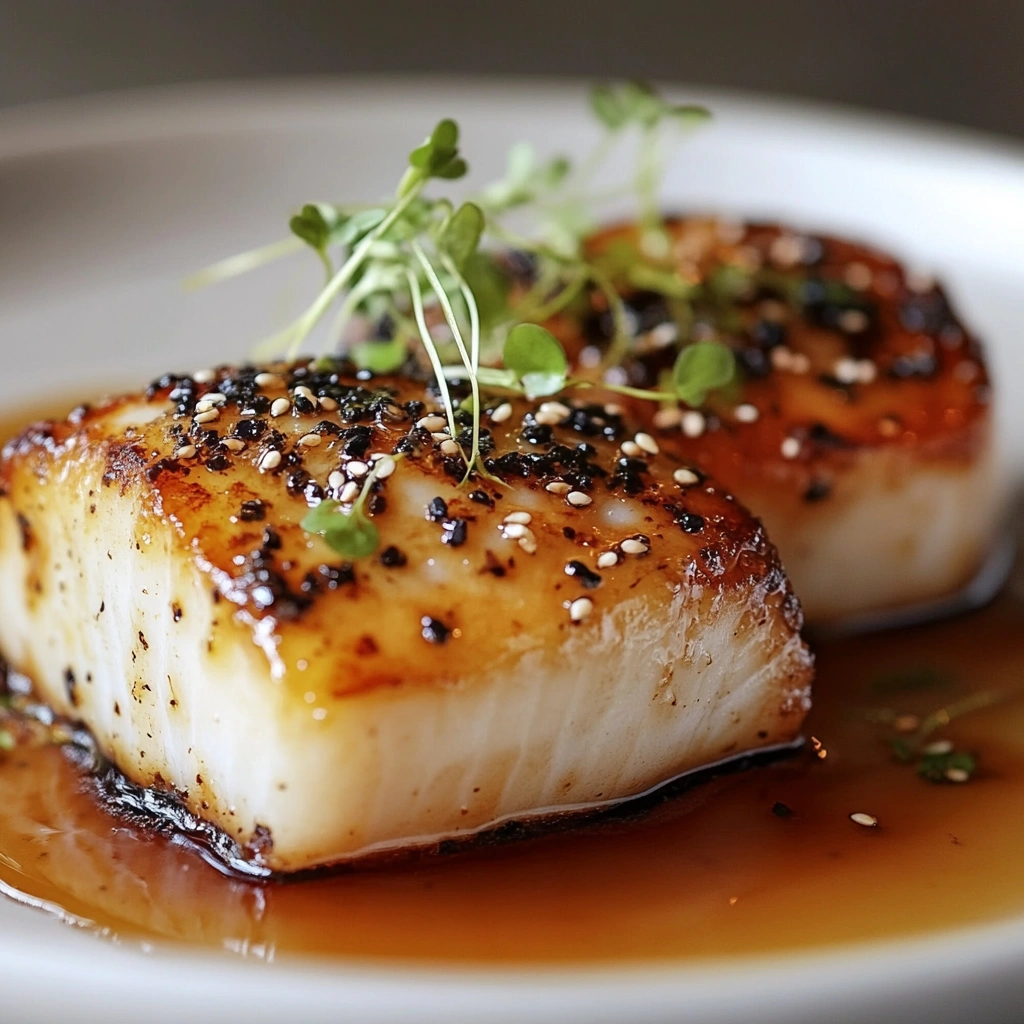
Color Contrast: Garnish with microgreens, thinly sliced red chili, or toasted sesame seeds for pops of color.
Sauce Art: Use a spoon to streak glaze alongside the fish or dot sauce around the plate’s rim.
These thoughtful pairings and plating tips ensure each bite is harmonious and visually striking.
Storage, Reheating & Batch-Prep Tips
Refrigeration: Store cooked black cod in an airtight container for up to 2 days.
Freezing: Wrap individual fillets tightly in plastic wrap, then foil; freeze for up to 1 month. Thaw overnight in the refrigerator.
Reheating:
Oven: Place on a baking sheet, cover loosely with foil, and warm at 300°F (150°C) for 8–10 minutes.
Steaming: Gently steam fillets over simmering water for 5 minutes to preserve moisture.
Microwave (low power): Heat at 50% power in 30-second intervals, checking frequently.
Batch Prep: Prepare marinade 1–2 days ahead and store in the fridge. Portion and freeze raw, marinated fillets on a parchment-lined tray; transfer to a sealed bag once frozen. This “flash-freeze” method lets you cook on demand without sacrificing flavor.
Variations & Global Flavor Twists
Experimenting with different spice profiles and ingredients can reinvent marinated black cod for any palate.
1. Citrus-Ginger Fusion
Swap mirin for fresh orange juice and zest.
Add ground coriander and a splash of lime juice for bright, tangy notes.
2. Honey-Teriyaki Glaze
Replace miso with 2 tablespoons of soy sauce and 2 tablespoons of premium teriyaki sauce.
Stir in 2 teaspoons of honey and a drop of toasted sesame oil for a glossy, sweet-savory finish.
3. Spicy Korean Kick
Integrate 1 tablespoon gochujang (Korean chili paste) into the miso base.
Top with quick-pickled kimchi and toasted sesame seeds post-cooking.
4. Thai Coconut Curry
Use 3 tablespoons red curry paste and ½ cup light coconut milk in place of sake and mirin.
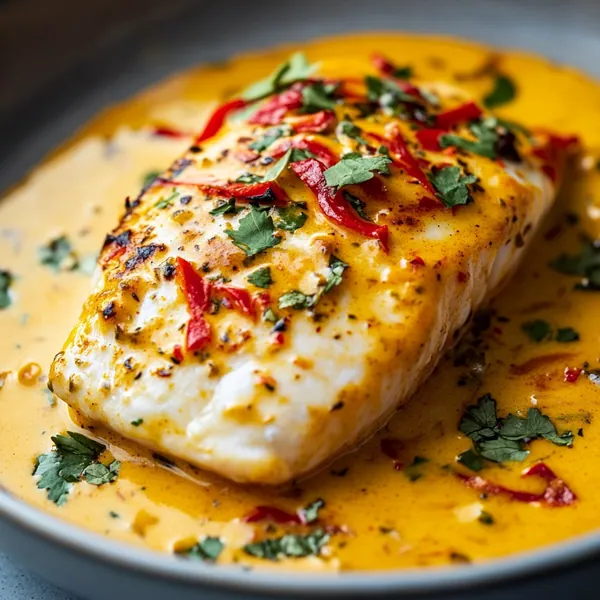
Marinate 4–6 hours, then broil; garnish with fresh cilantro and lime wedges.
These global riffs maintain the fish’s integrity while offering novel aromatic and flavor dimensions.
Conclusion: Elevating Your Marinated Black Cod
Marinated black cod exemplifies how a handful of well-chosen ingredients and precise techniques can transform a humble fillet into a dish of uncompromising elegance. From understanding the fish’s unique anatomy and optimal marination window to mastering broiling, searing, or grilling methods, each step contributes to the hallmark contrast between a caramelized surface and a silky interior. Thoughtful pairings—whether steamed rice, crisp pickles, or herbaceous greens—provide balance, while carefully selected beverages enhance umami and cleanse the palate. By embracing storage strategies and batch-prep shortcuts, home cooks can enjoy this delicacy even on busy weeknights. Furthermore, global variations like citrus-ginger, honey-teriyaki, or spicy Korean offer endless opportunities for reinvention. Ultimately, the key to truly elevating marinated black cod lies not only in technique but in the joy of experimentation: feel empowered to tweak ingredients, adjust cooking times, and personalize presentations until your rendition becomes signature fare.
FAQs
1. How long should I marinate black cod for optimal flavor? Aim for 12–24 hours in the refrigerator. Shorter marination (4–6 hours) imparts a milder taste, while marinating beyond 36 hours can begin to break down proteins excessively, yielding a mushy texture.
2. Can I use regular cod instead of black cod? Yes, though regular Atlantic cod has a leaner flesh and milder flavor. Increase oil or sweetener slightly to compensate and reduce marination time to prevent drying out. Cooking times may be shorter by 1–2 minutes per side.
3. What’s the best way to prevent sticking during cooking? Ensure pan or grill grates are thoroughly preheated and lightly oiled. Wipe off excess marinade before cooking, and resist flipping too early—wait until a natural crust forms before turning the fillet.
4. Is it safe to reuse the leftover marinade as a sauce? Only if you bring it to a rolling boil for at least one minute to eliminate pathogens. Alternatively, reserve a portion of the marinade before contact with raw fish for serving as a sauce without additional cooking.
5. Can I prepare this recipe for a large dinner party? Absolutely. Marinate fillets up to 24 hours in advance and store them in individual bags or containers. Cook in batches under the broiler or on a large griddle, keeping finished fish warm in a 200°F (95°C) oven until service.
6. Is black cod sustainably sourced? Many fisheries adhere to sustainable practices and hold certifications from bodies like the Marine Stewardship Council. Look for MSC-certified sablefish or ask your fishmonger about catch method and origin to support responsible harvesting.
This marinated black cod recipe transforms tender sablefish into an indulgent, restaurant-quality entrée through a simple yet deeply flavorful miso-based marinade. White miso paste, mirin, sake and a touch of honey meld with fresh ginger, garlic and scallion to infuse each fillet with rich umami, subtle sweetness and aromatic warmth. After a 12–24-hour chill in the refrigerator, the fish develops a lacquered surface that crisps beautifully under high heat, while the interior remains buttery and moist. Whether broiled, seared or grilled, these fillets showcase a harmonious contrast of textures and flavors that pairs effortlessly with steamed rice, quick-pickled vegetables or a bright yuzu drizzle. Ideal for special occasions or elevating weeknight dinners, this recipe offers both straightforward prep and impressive results, inviting you to explore global variations or stick with the classic miso marinade as your signature dish.
Ingredients
Scale
For the Miso Marinade
¼ cup white miso paste
¼ cup mirin
2 tablespoons rice vinegar
2 tablespoons sugar
1 tablespoon soy sauce
2 tablespoons sake (optional, can be substituted with water)
For the Black Cod
4 black cod fillets (about 6 oz each), skin-on
Fresh lemon wedges (optional, for serving)
Chopped green onions (optional, for garnish)
Instructions
Prepare the Miso Marinade
Mix Marinade Ingredients – In a small bowl, whisk together miso paste, mirin, rice vinegar, sugar, soy sauce, and sake (if using). Stir until the sugar dissolves and the marinade is smooth.
Marinate the Black Cod
Coat the Fish – Place the black cod fillets in a shallow dish or resealable plastic bag. Pour the miso marinade over the fillets, making sure they are fully coated.
Marinate – Cover and refrigerate for at least 30 minutes, or up to 1 hour. The longer the fish marinates, the more intense the flavor.
Cook the Black Cod
Preheat the Broiler – Preheat your broiler on high, with a rack positioned about 6 inches from the heat source.
Broil the Fish – Place the marinated black cod fillets on a baking sheet lined with parchment paper or foil. Broil for 10-12 minutes, or until the fish is golden brown and flakes easily with a fork.
Optional Step – If the fish hasn’t reached the desired caramelization, you can broil it for an additional 1-2 minutes, keeping a close eye to avoid burning.
Serve and Garnish
Serve – Transfer the broiled black cod fillets to serving plates. Garnish with lemon wedges and chopped green onions, if desired.
Notes
Marination Time: For full flavor penetration, marinate 12–24 hours. Avoid exceeding 36 hours to prevent the flesh from becoming overly soft.
Marinade Safety: Always refrigerate at or below 40 °F; discard any leftover marinade that has contacted raw fish, or boil it for at least one minute before using as a sauce.
Excess Marinade: Gently wipe fillets before cooking to prevent burning and ensure even browning, while leaving enough marinade to flavor the fish.
Cooking Thermometer: Aim for an internal temperature of 135 °F (57 °C) for a silky, just-done center.
Batch Prep: Prepare and portion raw, marinated fillets on a parchment-lined tray, then freeze. Transfer to a sealed bag once solid for on-demand cooking.
Variations: Experiment by swapping miso for red curry paste and coconut milk for a Thai twist, or add gochujang and kimchi salsa for Korean-inspired heat.
Serving: Rest cooked fillets under loose foil for 2–3 minutes to allow juices to redistribute before plating.
Cooking is my passion, and I find joy in crafting both sweet and savory recipes, perfected through countless hours of experimentation. Come along on this delicious journey as I share my most-loved dishes and simple culinary tips, making it easy for you to bring these flavors to life in your own kitchen!