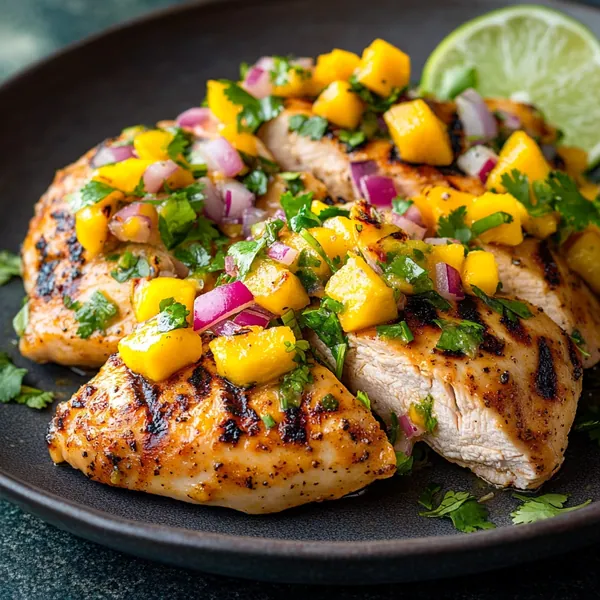
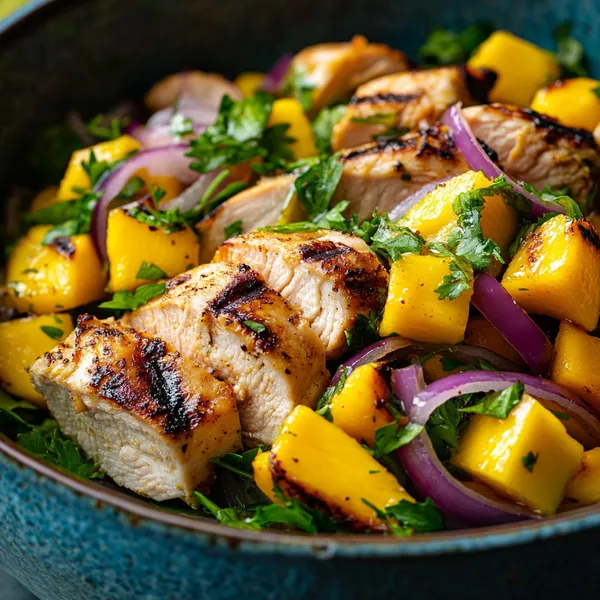
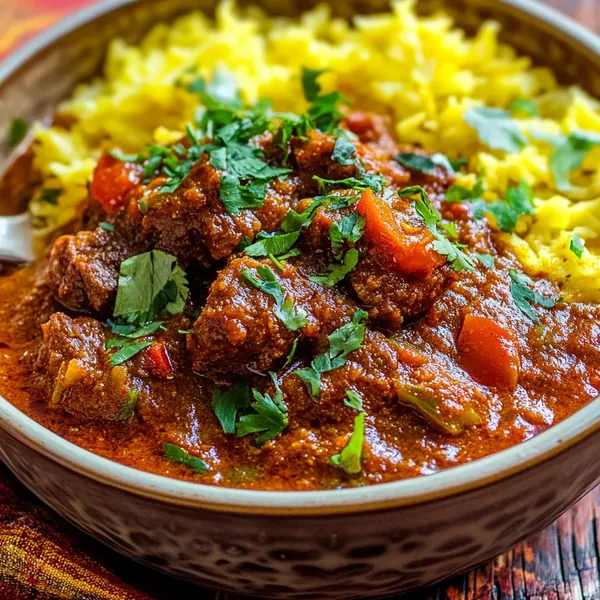
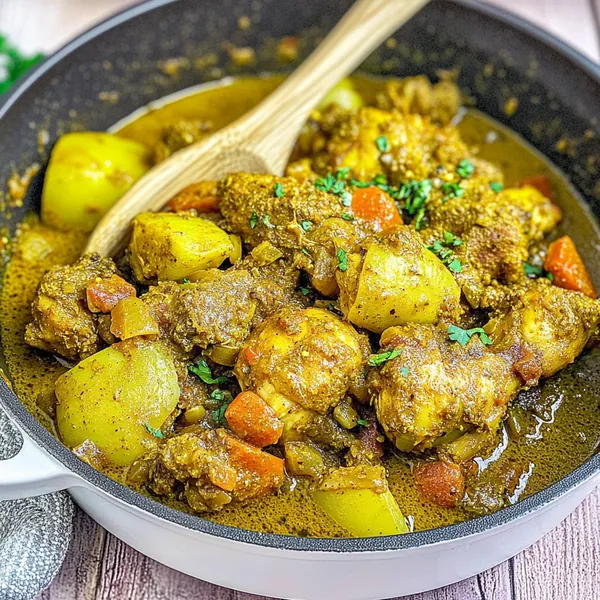
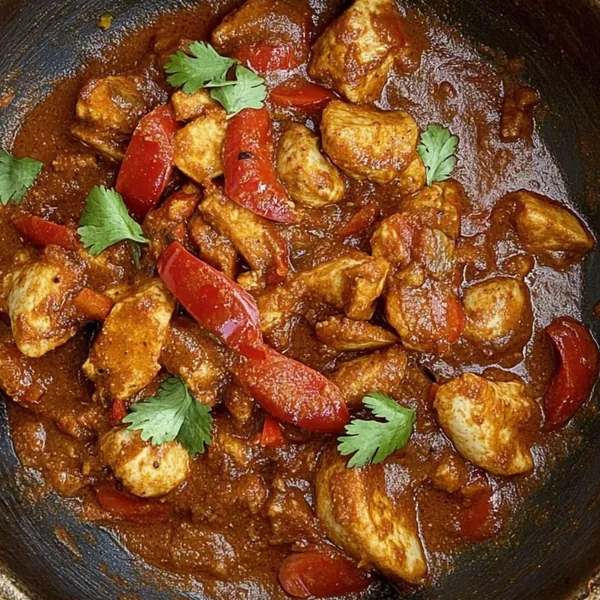
Mango chicken curry is a vibrant dish that seamlessly marries the tropical sweetness of ripe mangoes with the rich, warming spices of traditional curry. At its heart, this recipe balances succulent pieces of chicken with a creamy sauce that combines mango purée, aromatic onions, garlic, and ginger, all enlivened by a blend of cumin, coriander, turmeric, and chili. The result is a harmonious interplay of sweet, savory, and spicy flavors that excite the palate. Perfect for both weeknight dinners and special gatherings, this curry offers an exotic twist on familiar ingredients. Whether served alongside fluffy basmati rice, warm naan, or crisp roti, mango chicken curry promises to transport diners to sun-drenched kitchens where fruit and spice converge. In the following sections, you’ll explore the dish’s cultural background, ingredient essentials, detailed preparation steps, and creative variations to help you master this delectable fusion curry.
Origins & Cultural Context
Mango chicken curry traces its roots to regions where both mangoes and curry spices flourish—primarily South and Southeast Asia. In India, mangoes have been celebrated for millennia, appearing in ancient texts and royal feasts; combining them with chicken curries is a relatively modern innovation driven by chefs seeking fruit-forward interpretations of classic gravies. In Thailand, green mango curries incorporate unripe fruit into coconut-based sauces, inspiring sweet adaptations using ripe mangoes. Caribbean islands, influenced by South Asian indentured laborers, have likewise embraced mango in stewed meat dishes. Across these cultures, the interplay between fruit acidity or sweetness and spice heat creates an unforgettable taste profile. Today, global fusion cuisine has popularized mango chicken curry in restaurants and home kitchens alike, reflecting contemporary cooks’ desire to blend tradition with creativity.
Ingredients Overview
The core ingredients of mango chicken curry include chicken, ripe mangoes, aromatics, spices, and a creamy liquid base. For protein, bone-in or boneless chicken thighs lend richer flavor and juiciness, though chicken breast can be used for a leaner option. Ripe mangoes—preferably Ataulfo or Kent varieties—provide natural sweetness and vibrant color; frozen mango chunks or canned pulp are convenient substitutes. Aromatics such as onions, garlic, and ginger form the foundational flavor triangle, while curry spices (ground cumin, coriander, turmeric, and chili powder) deliver warmth and depth. Optional enrichments like coconut milk, full-fat yogurt, or cream enhance texture and tame the spice heat. Fresh cilantro, lime juice, and finely chopped chilies are added at the finish for brightness and balance. Pantry staples—salt, sugar, and cooking oil—round out the list. Together, these elements create a luscious, multidimensional curry that’s both satisfying and visually appealing.
Ingredient Breakdown & Substitutions
Mango: Fresh ripe mangoes yield the best flavor and texture, but frozen mango chunks can be thawed and blended if fresh fruit is out of season. Canned mango pulp works in a pinch but may contain added sugar, so reduce any extra sweeteners accordingly. For a twist, try swapping in papaya or peach purée.
Chicken: Thighs are ideal for their fat content and tenderness, but chicken breast or even turkey pieces can be used. For a vegetarian or vegan version, replace chicken with firm tofu, tempeh, or hearty vegetables like cauliflower florets or sweet potatoes.
Spice Mix: A basic blend of cumin, coriander, turmeric, and chili powder is versatile; for a Thai-style curry, substitute green or red curry paste. Adjust chili powder or fresh chili levels to control heat.
Creamy Base: Coconut milk provides a silky mouthfeel and subtle sweetness; full-fat yogurt or heavy cream can substitute but will yield a tangier profile. To thicken without dairy, simmer longer or add a cornstarch slurry.
Aromatics & Flavorings: Standard onion, garlic, and ginger can be enhanced with shallots, lemongrass, or garlic chives for extra nuance. For acidity alternatives, lime or tamarind paste works alongside or instead of lemon juice.
Equipment & Prep Work
Begin by gathering essential tools: a heavy-bottomed pan or Dutch oven for even heat distribution; a sharp chef’s knife and cutting board for precise chopping; and a blender or food processor for smooth mango purée. Measure out spices in small bowls to streamline the cooking process, and line up aromatics on a tray for quick access. Pat chicken pieces dry before seasoning to promote better browning. Peel and dice mangoes, reserving a few chunks for garnish. Mince garlic and ginger together to maximize flavor release, and thinly slice onions. If using coconut milk or yogurt, shake or stir the container to recombine any separated liquids. With all ingredients prepped and measured, known as mise en place, you’ll enjoy a smooth, uninterrupted cooking experience.

Step-by-Step Preparation
-
Marinate the Chicken: In a bowl, toss chicken pieces with a pinch of salt, half the ground spices (cumin, coriander, turmeric, chili powder), and a tablespoon of yogurt or oil. Cover and chill for at least 30 minutes to deepen flavor.
-
Prepare Mango Purée: Place diced mango flesh in a blender or food processor. Add a splash of water or coconut milk to aid blending, and pulse until you achieve your desired consistency—smooth or slightly chunky. Set aside.
-
Toast Spices: Heat oil in your pan over medium heat. Add whole spices (if using, such as mustard seeds or fenugreek) and let them sizzle for thirty seconds. Then stir in minced garlic, ginger, and sliced onions. Cook until onions are translucent and fragrant, about five minutes.
-
Build the Sauce Base: Stir in the remaining ground spices, cooking for another minute to release their aroma. Add the mango purée and stir thoroughly, allowing the mixture to bubble gently.
Cooking the Curry
Once your sauce base is aromatic and blended, nestle the marinated chicken pieces into the pan in a single layer. Increase heat slightly to sear the chicken for two to three minutes on each side, ensuring a light golden crust. Pour in coconut milk or additional water just until the chicken is barely submerged. Bring the curry to a gentle simmer, then reduce heat to low. Cover partially and cook for twenty to twenty-five minutes, stirring occasionally to prevent sticking. The sauce should thicken and coat the chicken pieces. Adjust seasoning by tasting—add salt, a pinch of sugar to balance any tartness, or lime juice for acidity. If the sauce appears too thin, uncover and simmer for a few more minutes; if too thick, whisk in a bit of water. When chicken registers 165°F (74°C) internally and mango flavors have melded, the curry is ready.
Serving Suggestions & Pairings
Serve mango chicken curry steaming hot alongside fluffy basmati rice, fragrant jasmine rice, or warm flatbreads such as naan or roti. For textural contrast, top with freshly chopped cilantro, thinly sliced red chilies, or toasted coconut flakes. Crisp cucumber raita or a simple yogurt dip provides a cooling counterpoint to the curry’s warmth. On the beverage side, a sweet mango lassi echoes the dish’s tropical notes, while a chilled Riesling or a light lager complements the curry’s spice without overpowering its sweetness. For a balanced meal, include a side of lightly dressed green salad or sautéed greens like spinach or kale. Presentation tip: serve in shallow bowls with a swirl of cream or coconut milk and a few mango cubes for visual appeal.
Storage & Make-Ahead Tips
Mango chicken curry stores beautifully in an airtight container in the refrigerator for up to four days. Allow the curry to cool to room temperature before sealing to prevent condensation. For freezer storage, portion the curry into individual freezer-safe containers, leaving headspace for expansion, and freeze for up to two months. To thaw, transfer containers to the refrigerator overnight. Reheat the curry gently on the stovetop over low heat, stirring in a splash of water or coconut milk if it has thickened too much. Avoid microwave reheating at high power to preserve chicken texture. If planning ahead, you can prepare the mango purée and spice blend in advance; store them separately and combine with fresh chicken during cooking for maximum flavor.

Variations & Customizations
For a seafood twist, substitute chicken with peeled shrimp or firm white fish fillets, reducing cooking time accordingly. Vegetarians can swap in cubed paneer or tofu, searing until golden before adding mango sauce. Embrace regional flavors by turning this into a green mango curry—use unripe mangoes and Thai green curry paste, finishing with Thai basil leaves. To incorporate more vegetables, add bell peppers, peas, or baby spinach during the last five minutes of cooking. For a nutty richness, stir in ground cashews or almond butter. Spice lovers can elevate heat with fresh bird’s-eye chilies or a dash of chili oil. For a lighter version, replace coconut milk with low-fat yogurt or even coconut water, adjusting seasonings to maintain depth of flavor.
Health Benefits & Nutritional Info
Mangoes are packed with vitamins A and C, dietary fiber, and antioxidants that support immune function and digestion. Lean chicken provides high-quality protein essential for muscle repair and satiety. Curry spices such as turmeric contain curcumin, known for its anti-inflammatory and antioxidant properties, while cumin and coriander aid digestion. Using coconut milk contributes healthy medium-chain triglycerides (MCTs) that may promote energy metabolism. By incorporating fresh aromatics like ginger and garlic, the curry gains additional anti-microbial and cardio-protective benefits. Overall, when eaten in moderation and balanced with whole grains or vegetables, mango chicken curry can be both a nourishing and indulgent centerpiece for a well-rounded diet.
FAQs
Q1: Can I use dried mango instead of fresh?
Yes; soak dried mango slices in warm water for 15–20 minutes until soft, then drain and purée. Be mindful that dried mango is sweeter and more concentrated, so omit any added sugar in the recipe.
Q2: Is this curry freezer-friendly?
Absolutely. Cool completely before freezing in airtight, portion-size containers. Thaw overnight in the refrigerator and gently reheat on the stove, adding a splash of water or coconut milk if the sauce has thickened.
Conclusion
Mango chicken curry showcases the beauty of culinary fusion by uniting tropical fruit sweetness with the bold flavors of aromatic spices. Its versatility—from protein swaps to regional twists—invites endless creativity in your kitchen. Whether you’re preparing it for a family dinner or a festive gathering, the vibrant colors and balanced tastes will impress every palate. Armed with these step-by-step instructions, ingredient insights, and practical tips, you’re ready to craft a memorable mango chicken curry that celebrates both tradition and innovation. Enjoy the journey of flavors and make this recipe your own signature dish.

Mango Chicken Curry
Experience the irresistible fusion of sweet tropical mango and warming curry spices in this Mango Chicken Curry. Tender, marinated chicken simmers in a luscious sauce made from ripe mango purée, creamy coconut milk, and a fragrant blend of cumin, coriander, turmeric, and chili. Bright aromatics—onions, garlic, and ginger—form the base, while a squeeze of lime and fresh cilantro garnish add a zesty finish. Whether you’re craving a weeknight comfort meal or planning a dinner that wows guests, this curry delivers vibrant color, balanced flavors, and an effortless elegance. Serve it over steaming basmati rice or with soft naan to soak up every last drop of its silky, fruit-infused gravy.
Ingredients
- 2 tablespoons coconut oil
- 1 large yellow onion chopped, 1-1/2 cups
- 1 red bell pepper chopped
- 2 tablespoons minced fresh ginger coarsely chopped
- 2 tablespoons garlic coarsely chopped
- 3 tablespoons red curry paste see note 1
- 2 teaspoons ground coriander
- 2 teaspoons yellow curry powder
- 1/2 teaspoon ground cumin
- 2 cups ripe mango see note 2
- 1 (13.5-ounce) can coconut milk full-fat, see note 3
- 1-1/4 pounds boneless, skinless chicken thighs or breasts, cut into 1-inch pieces; I love thighs best
- Optional additions see note 4
- Cooked rice see note 5, for serving
Instructions
- Heat coconut oil in a large pot over medium heat. Once melted/hot, add chopped onions and bell pepper. Sauté, cooking occasionally, until soft, about 7–9 minutes. Add garlic and ginger and cook for another minute. Add red curry paste, coriander, curry powder, cumin, and salt to taste (I add 1 tsp salt). Cook, stirring constantly, until very fragrant, 1–3 minutes. Reduce heat slightly and add a touch more oil if anything is sticking too much.
- Add 1 cup of the mango and cook, stirring constantly, for 1 minute. Vigorously shake the can of coconut milk and pour it in. Increase heat to high, bring to a boil, then lower heat to a low simmer and cook for 10–15 minutes. Meanwhile, cut the chicken into 1-inch cubes. Once the mixture has simmered, carefully transfer the sauce to a blender. Blend the sauce (see note 5) until completely smooth, then return the sauce to the pot.
- Heat sauce over medium-low, returning it to a low simmer. Once simmering, add chicken and stir through. Cover the pot with a lid and cook for 8–15 minutes. (Breast pieces are usually done around 8 minutes and thighs closer to 15—sometimes a bit longer depending on size.) Check doneness by using a meat thermometer or cutting into the largest piece of chicken—it should be white throughout.
- Once chicken is cooked through, reduce heat to the lowest setting and stir in the remaining 1 cup mango. If using, add in chopped cilantro (I add about 1/3 cup, finely chopped), zest and juice of a lime, fish sauce, and/or kaffir lime leaves if using. Taste and adjust curry seasonings to preference. Add salt if needed. If too sweet, add a touch more fish sauce, and if it’s not sweet enough, add a touch of sugar—flavors should sing! Serve curry over cooked rice and garnish plates with additional cilantro if desired. Enjoy!