In this article
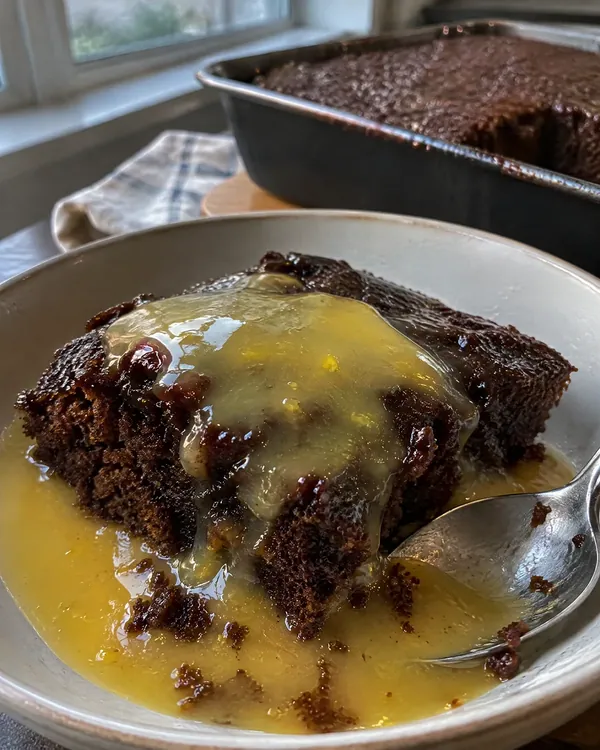
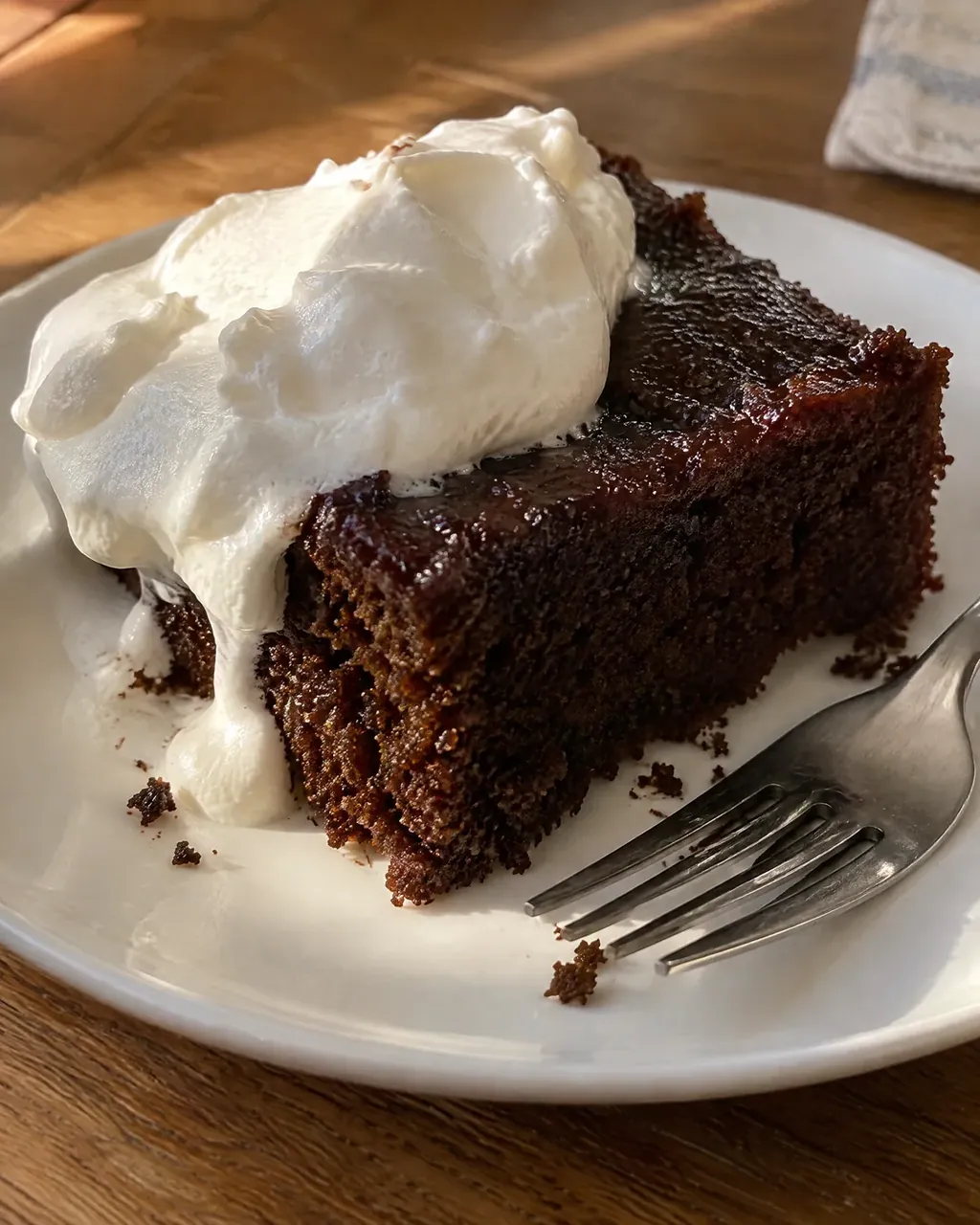
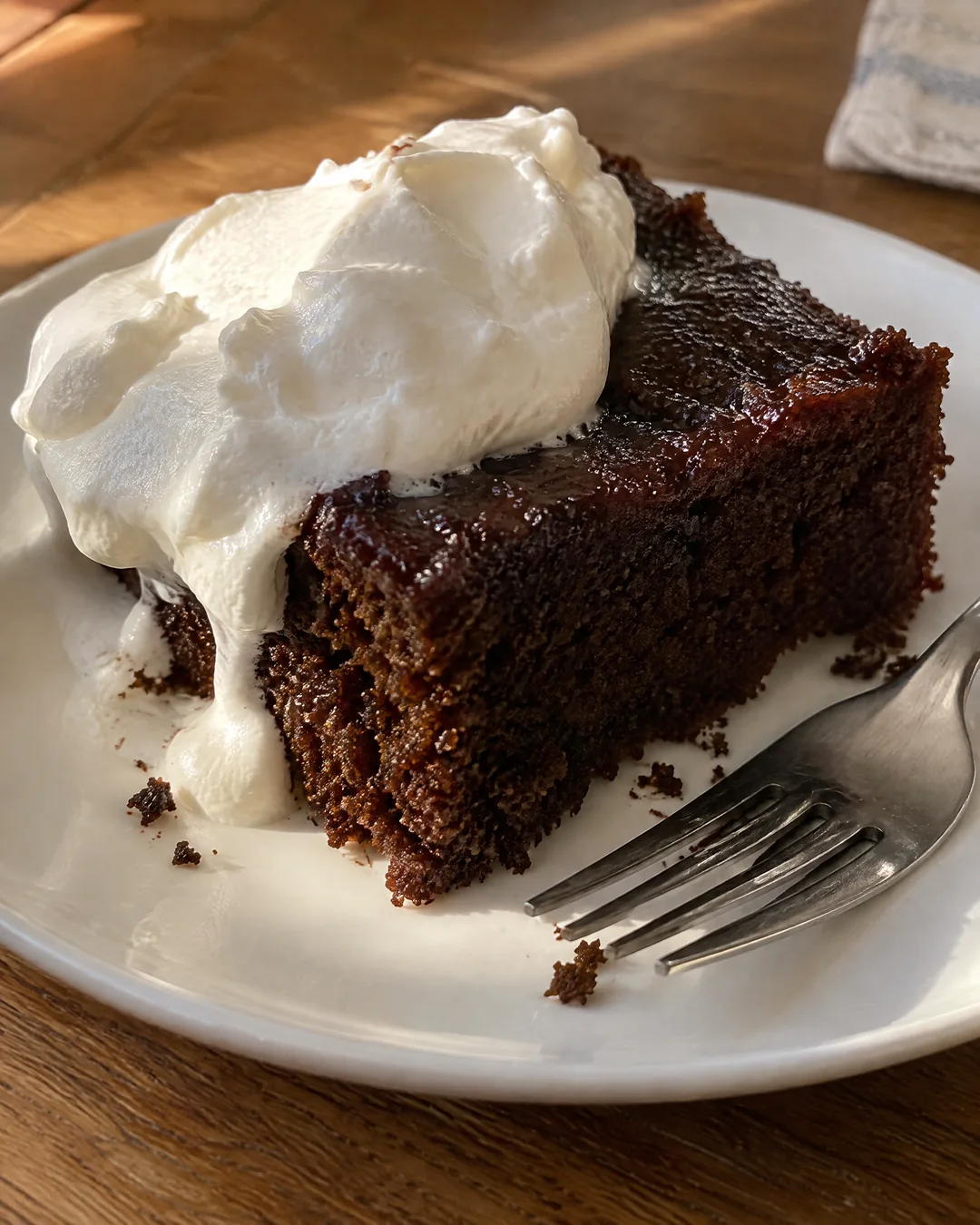
My mother made gingerbread on the first really cold Sunday of the winter, and it was never a cookie. It was a dark, soft cake baked in a square pan, cut while it was still warm and handed round with whipped cream sliding off the top. I watched her make it a hundred times, and every time there came a moment when I was sure she had spoiled it. She took the kettle off the stove and poured boiling water straight into a perfectly good batter, and stirred until it ran off the spoon like coffee.
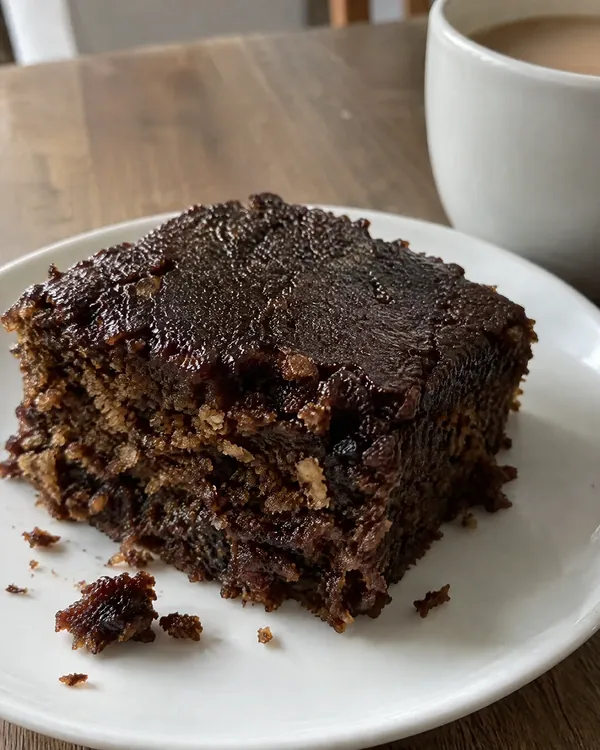
That thin batter is not a mistake. It is the reason old-fashioned gingerbread comes out so dark, so soft and so sticky on top. The hot water loosens the molasses, wakes up the baking soda and gives the cake its tender, damp crumb. Two things can still go wrong: the wrong molasses makes the whole pan bitter, and a few minutes too long in the oven dries it out. Here are the amounts, which molasses to buy, and how to tell when it is done.
Why this gingerbread works
- Boiling water at the end. It thins the batter so the cake bakes soft and moist, and it dissolves the molasses evenly so there are no streaks.
- Mild or dark molasses, never blackstrap. Blackstrap is boiled a third time and is bitter and salty. It ruins gingerbread.
- Baking soda, not baking powder. Soda reacts with the acid in the molasses, which lifts the cake and deepens its colour to nearly black.
- Three spices. Ginger for heat, cinnamon for warmth and a little clove for depth. More clove than that and it takes over.
- A moderate oven and an early test. Gingerbread goes from sticky to dry quickly. It comes out when a few moist crumbs still cling to the tester.
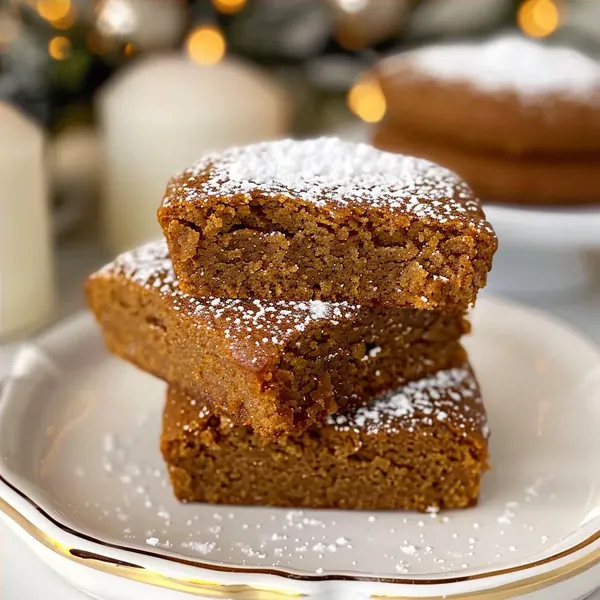
Ingredients
Makes one 9 inch (23cm) square pan, 9 generous squares or 12 smaller ones. The measurements are in US cups with grams in brackets.
For the gingerbread
- 1/2 cup butter (113g), 1 stick, soft
- 1/2 cup packed brown sugar (100g)
- 1 large egg, at room temperature
- 1 cup mild or dark unsulphured molasses (340g)
- 2 1/2 cups all-purpose flour (315g)
- 1 1/2 teaspoons baking soda
- 2 teaspoons ground ginger
- 1 teaspoon ground cinnamon
- 1/2 teaspoon ground cloves
- 1/2 teaspoon salt
- 1 cup boiling water (240ml)
To serve
- 1 cup heavy cream (240ml), whipped softly with 1 tablespoon sugar, or warm lemon sauce
Read the molasses label before you buy. You want one marked mild, original, full flavor or dark, and unsulphured. Do not buy blackstrap, which is thick, bitter and meant for other uses. In Britain, use half black treacle and half golden syrup to get the same strength. Measure the molasses in a cup rubbed with a little oil and it will slide out clean.
How to make gingerbread
Mix the batter
- Heat the oven to 350 degrees (175°C). Grease a 9 inch (23cm) square metal baking pan and line the bottom with baking parchment. Put a kettle of water on to boil.
- In a large bowl, beat the soft butter and brown sugar together with a wooden spoon or a mixer until creamy and a shade lighter, about 2 minutes.
- Beat in the egg, then pour in the molasses and beat until smooth. The mixture may look a little curdled at this point; it comes together when the flour goes in.
- In a second bowl, whisk together the flour, baking soda, ginger, cinnamon, cloves and salt.
- Add the flour mixture to the molasses mixture and stir just until no dry flour shows. The batter will be thick and stiff.
Add the boiling water and bake
- Measure 1 cup of boiling water. Pour it into the batter in three additions, stirring slowly and gently after each one, until the batter is smooth and very thin, like heavy cream. Use a whisk for the last addition if you see lumps.
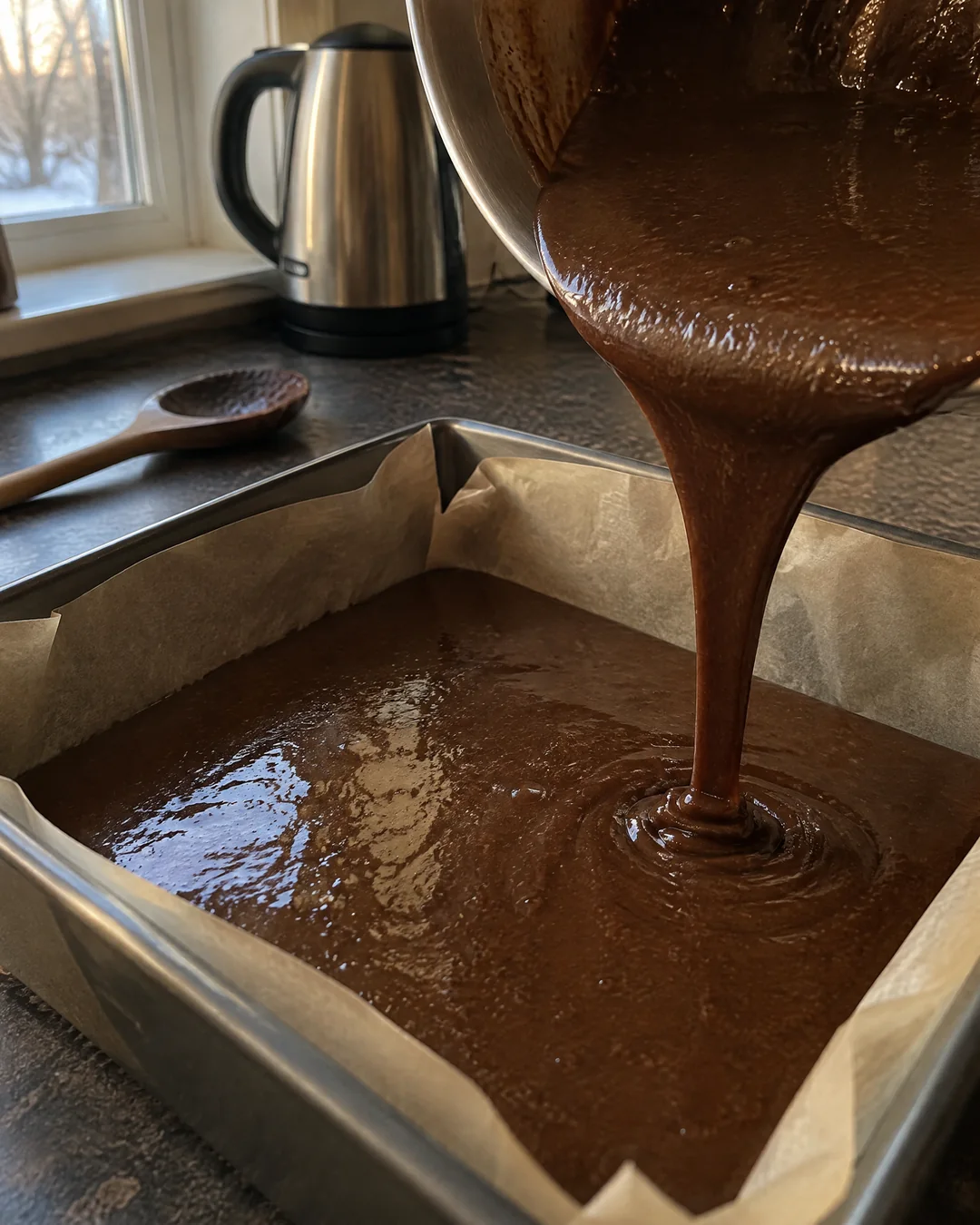
- Pour the batter into the prepared pan. It will slosh; carry the pan to the oven with both hands and set it on the middle shelf.
- Bake for 35 to 40 minutes. Start testing at 33 minutes: the top should spring back when pressed lightly, and a toothpick pushed into the center should come out with a few moist crumbs on it, not wet batter and not perfectly clean.
- Cool the gingerbread in the pan on a rack for at least 20 minutes. Cut it in squares and serve warm, with softly whipped cream or lemon sauce.
Tips that make the difference
- Add the boiling water slowly. Poured in all at once, it can splash out of the bowl and leave lumps of thick batter floating in the thin.
- Use a metal pan. A glass dish holds heat longer and tends to overbake the edges before the middle is done; if glass is all you have, lower the oven to 325 degrees.
- Do not wait for a clean toothpick. By the time the tester comes out dry, the stickiness is gone. A few moist crumbs is the sign to take it out.
- Make it a day ahead if you can. Covered overnight, the top turns stickier and the flavour of the spices deepens.
Variations
- With lemon sauce. Simmer 1/2 cup sugar (100g), 1 tablespoon cornstarch and 1 cup water until clear and thick, then stir in 2 tablespoons butter and the juice and zest of 1 lemon. Spoon it warm over each square.
- With fresh ginger. Add 1 tablespoon of finely grated fresh ginger with the egg for a sharper bite.
- With coffee. Replace the boiling water with 1 cup of hot strong coffee. The cake turns even darker and a little less sweet.
Storage and make-ahead
Keep the gingerbread covered at room temperature for up to 4 days. It gets stickier and better for the first two.
To warm a square, give it 15 seconds in the microwave or 5 minutes in a low oven.
To freeze, wrap the cooled squares well and freeze for up to 3 months. Thaw at room temperature, still wrapped.
Frequently asked questions
Which molasses should I buy for gingerbread?
A mild or dark unsulphured molasses, sometimes labelled original or full flavor. Never blackstrap: it is far more bitter and salty, and it makes gingerbread taste burnt.
Is the batter really supposed to be this thin?
Yes. After the boiling water goes in, the batter pours like heavy cream. That is what makes hot water gingerbread soft and damp instead of dry and bready. Do not add flour to thicken it.
How do I know when gingerbread is done?
The top springs back when you press it lightly, the edges have just begun to pull from the pan, and a toothpick in the center comes out with a few moist crumbs. In a 9 inch metal pan that is 35 to 40 minutes at 350 degrees.
Can I bake it in a different pan?
An 8 inch square pan works and gives a taller cake; add about 8 minutes. A 9 by 13 inch pan gives thin squares; start testing at 25 minutes.
Cut it warm, be generous with the cream, and hide one square for tomorrow, when it is even better.
Old-Fashioned Hot Water Gingerbread (Dark, Soft and Sticky, Made With Boiling Water)
An old-fashioned gingerbread cake made with molasses and a full cup of boiling water poured into the batter at the end: the thin batter bakes into a very dark, soft, sticky square of gingerbread, served warm with whipped cream or lemon sauce.
Ingredients
- 1/2 cup butter (113g), 1 stick, soft
- 1/2 cup packed brown sugar
- 1 large egg, at room temperature
- 1 cup mild or dark unsulphured molasses
- 2 1/2 cups all-purpose flour
- 1 1/2 teaspoons baking soda
- 2 teaspoons ground ginger
- 1 teaspoon ground cinnamon
- 1/2 teaspoon ground cloves
- 1/2 teaspoon salt
- 1 cup boiling water
- 1 cup heavy cream (240ml), whipped softly with 1 tablespoon sugar, or warm lemon sauce
Instructions
- Heat the oven to 350 degrees (175°C). Grease a 9 inch (23cm) square metal baking pan and line the bottom with baking parchment. Put a kettle of water on to boil.
- In a large bowl, beat the soft butter and brown sugar together with a wooden spoon or a mixer until creamy and a shade lighter, about 2 minutes.
- Beat in the egg, then pour in the molasses and beat until smooth. The mixture may look a little curdled at this point; it comes together when the flour goes in.
- In a second bowl, whisk together the flour, baking soda, ginger, cinnamon, cloves and salt.
- Add the flour mixture to the molasses mixture and stir just until no dry flour shows. The batter will be thick and stiff.
- Measure 1 cup of boiling water. Pour it into the batter in three additions, stirring slowly and gently after each one, until the batter is smooth and very thin, like heavy cream. Use a whisk for the last addition if you see lumps.
- Pour the batter into the prepared pan. It will slosh; carry the pan to the oven with both hands and set it on the middle shelf.
- Bake for 35 to 40 minutes. Start testing at 33 minutes: the top should spring back when pressed lightly, and a toothpick pushed into the center should come out with a few moist crumbs on it, not wet batter and not perfectly clean.
- Cool the gingerbread in the pan on a rack for at least 20 minutes. Cut it in squares and serve warm, with softly whipped cream or lemon sauce.