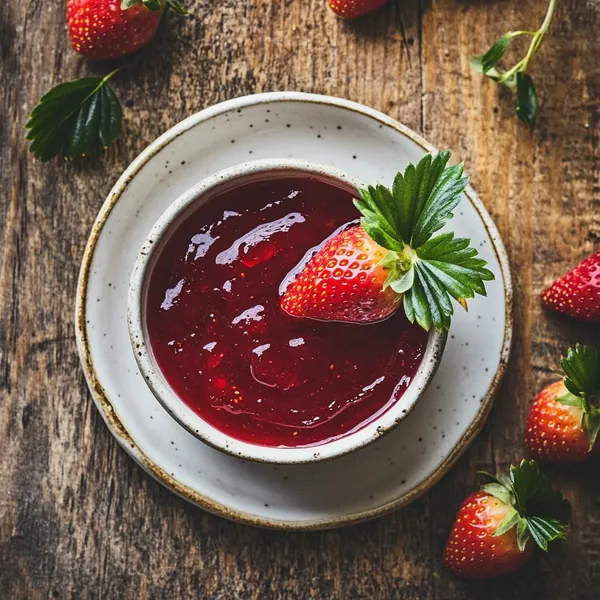
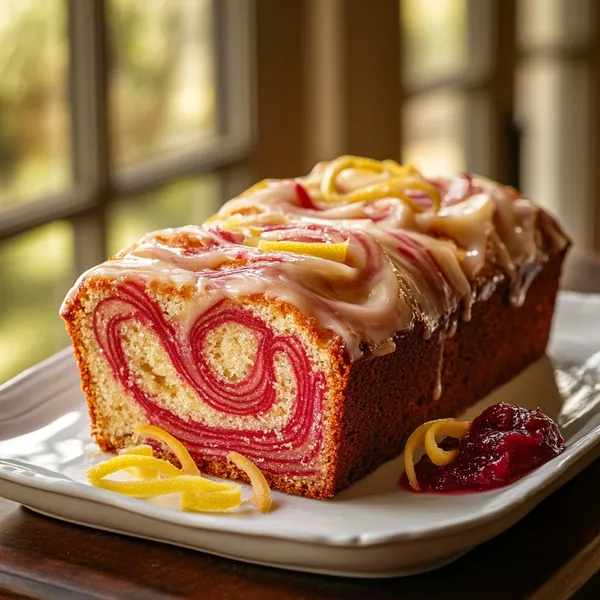
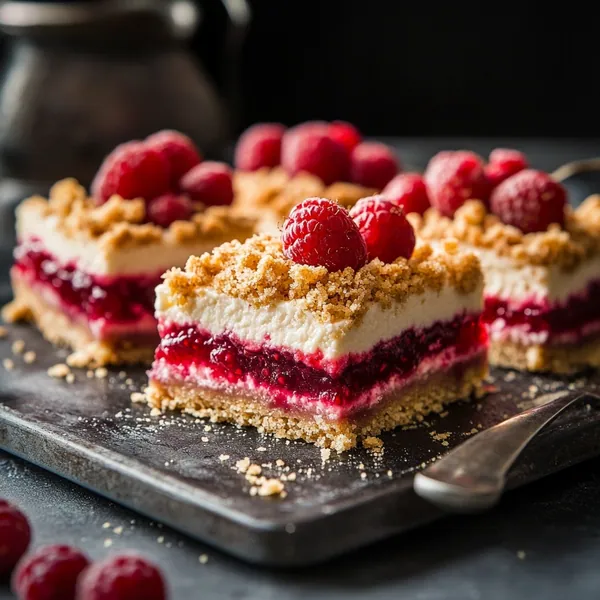
Strawberry-rhubarb jam combines two of summer’s most vibrant garden fruits into a spread that’s simultaneously sweet, tangy, and deeply comforting. Originating in European preserves traditions, this jam brings together the sun-kissed sweetness of ripe strawberries with the bright, citrus-like tartness of rhubarb stalks. Home cooks have long treasured it not only for its irresistible flavor but for its versatility—spreading beautifully on warm biscuits, dolloped into yogurt, or swirled into ice cream.
Making strawberry-rhubarb jam at home requires just a handful of simple ingredients—fruit, sugar, pectin, and lemon juice—but rewards you with jars of jewel-toned goodness that can be savored all year long. Unlike many commercial varieties, homemade jam allows you to control the sugar level and texture, ensuring a set that’s just right for your taste. The process also offers a moment of seasonal ritual: chopping, simmering, and canning while the kitchen fills with the heady perfume of stewing berries and stalks.
In this guide, you’ll learn how to choose the best strawberries and rhubarb, prepare and macerate the fruit, cook to the perfect gel point, and safely seal your jars for long-term storage. Along the way, tips on equipment, troubleshooting, and serving ideas will help even first-time preservers achieve a professional-quality result.
Why Strawberry and Rhubarb Work Together
Strawberries and rhubarb are a flavor match made in heaven: strawberries bring lush, fruity sweetness, while rhubarb contributes a sharp acidity that cuts through and balances the sugar. This interplay creates a more complex taste than jam made from either fruit alone.
From a textural standpoint, strawberries soften and release pectin naturally as they cook, while rhubarb’s fibrous strands break down into silky threads, lending body without grittiness. Nutritionally, both fruits are high in fiber and vitamin C, with rhubarb offering vitamin K and calcium, and strawberries delivering antioxidants and folate.
Seasonally, they overlap in late spring and early summer, making simultaneous harvest—and thus co-preserving—perfectly timed. Their complementary colors (rosy red and coral pink) also yield a visually striking jam. Ultimately, the success of this duo lies in harmony: one fruit’s sweetness, the other’s tang, combining to produce a spread that’s vibrant, nuanced, and endlessly adaptable.
Ingredients Overview
-
Strawberries (4 cups hulled, chopped): Choose firm, fully red berries for maximum sweetness and color. Underripe or overly mushy fruit can lead to off-flavors or a jam that’s too runny.
-
Rhubarb (3 cups chopped): Trim the leaves (which are toxic) and slice the stalks into ½-inch pieces. Opt for stalks that are crisp and colored—paler rhubarb is milder; deeper pink offers stronger tartness.
-
Granulated Sugar (4 cups): Balances the rhubarb’s acidity and aids in setting. You can reduce to 3 cups for a tarter jam, but expect a slightly looser set.
-
Pectin (1 packet/3 tablespoons): Ensures reliable gelling, especially if using fruit that’s low in natural pectin. Choose a quality brand labeled for jam and preserves.
-
Lemon Juice (2 tablespoons): Adds acidity for proper pectin activation and brightens flavor. Freshly squeezed is best.
Adjust ratios slightly for taste, but maintain the fruit-to-sugar balance for a proper set.
Equipment and Tools
-
Heavy-Bottomed Saucepan or Jam Pan: Distributes heat evenly to prevent scorching as the fruit and sugar reach high temperatures.
-
Candy or Jam Thermometer: Critical for monitoring when the mixture hits the gel point (around 220 °F/104 °C).
-
Sterilized Canning Jars, Lids, and Bands: Standard half-pint or pint jars work well. Jars must be free of chips and scratches to seal properly.
-
Ladle and Jar Funnel: Makes transferring hot jam into jars safer and cleaner, minimizing drips.
-
Slotted Spoon or Foam Skimmer: Removes surface foam for a clear, glossy finish.
-
Heat-Proof Spatula or Wooden Spoon: For stirring the jam without scratching the pan.
-
Heat-Resistant Gloves or Jar Lifter: Protects hands when handling hot jars during water-bath processing.
Having these tools on hand before you start ensures a smooth, safe canning session.
Selecting & Preparing Fruit
1. Choosing Strawberries: Look for berries that are bright red all over, without white caps or green shoulders. Avoid soft spots, mold, or bruising. Heirloom or small “wild” varieties often pack more flavor, but large garden strawberries work perfectly if fully ripe.
2. Picking Rhubarb: Select stalks that are firm and crisp, snapping easily when bent. Color can range from pale green to deep ruby; darker stalks are slightly more tart and visually striking in jam. Discard any stalks that appear pithy or overly fibrous.
3. Washing Thoroughly: Rinse both fruits under cool running water to remove dirt and possible pesticide residue. Pat dry with a clean kitchen towel to prevent excess water diluting your jam.
4. Hulling and Chopping Strawberries: Remove the green hulls with a small knife or strawberry huller. Cut berries into uniform ¼- to ½-inch pieces—too small, and they’ll dissolve completely; too large, and they won’t break down properly.
5. Trimming and Slicing Rhubarb: Using a sharp knife, trim off any leaves and the very tips of stalks. Slice stalks into ½- to ¾-inch segments to ensure even cooking. If stalks are particularly fibrous, cut lengthwise into quarters and discard the toughest fibers.
6. Combining in a Prep Bowl: Place chopped fruit in a large, non-reactive bowl. This gives you a chance to inspect the cut pieces and remove any remaining stems or imperfections before cooking.
Well-prepared fruit cooks more evenly, yields a consistent texture, and reduces the risk of overcooking certain bits while others remain underdone.
Pre-Cooking Steps
-
Layering Fruit and Sugar: In your jam pot or a large bowl, alternate layers of chopped strawberries, rhubarb, and granulated sugar. This ensures the sugar contacts all fruit surfaces evenly.
-
Maceration Period: Let the mixture sit, covered, at room temperature for 30–60 minutes. During this time, sugar draws juices from the fruit, creating a natural syrup that speeds up cooking and helps dissolve the sugar fully.
-
Stirring Occasionally: After 15 and 30 minutes, give the fruit a gentle stir to redistribute juices and prevent dry pockets.
-
Adding Lemon Juice and Pectin: Stir in the lemon juice, then sprinkle the pectin evenly over the surface and whisk briskly to prevent clumping. Let it hydrate for a minute before heating.
-
Foam-Minimizing Tip: Skimming foam as it forms during cooking yields a clearer final product. Have your foam skimmer or slotted spoon at the ready.
This prep phase jump-starts the cooking process, shortens your time on the stove, and improves flavor melding.

Cooking the Jam
-
Initial Heat-Up: Place the pot over medium heat. Stir gently just until the sugar fully dissolves and the mixture is uniformly liquid. Avoid high heat at this stage to prevent scorching.
-
Bringing to a Boil: Increase heat to medium-high. Watch closely as large bubbles start to form; this is the beginning of a rolling boil. Stir frequently, scraping the bottom and sides of the pot with a heat-proof spatula to prevent sticking.
-
Monitoring Temperature: Clip your candy thermometer to the side of the pot, immersed in the jam but not touching the bottom. The target gelling temperature is 220 °F (104 °C) at sea level. Expect small fluctuations—stir to distribute heat evenly.
-
Performing Gel Tests:
-
Plate Test: Place a chilled spoon or plate in the freezer. At around 215 °F, drop a small spoonful of jam onto it. Let it sit 30 seconds and push with your finger—if it wrinkles, it’s set.
-
Sheet Test: Dip a spoon into the boiling mixture and lift. If the jam falls off in a continuous sheet rather than drips, it’s ready.
-
-
Adjusting Consistency: Should your test indicate the jam is too loose, continue boiling for 1–2 more minutes and retest. If it becomes too stiff, you can stir in a tablespoon of hot water off heat and test again.
-
Skimming Foam: As the jam boils, foam may accumulate on the surface. Use a slotted spoon or foam skimmer to remove it periodically; this ensures a glossy, translucent finish in your jars.
-
Timing Guidance: For a typical 7-cup fruit batch, expect 10–15 minutes from boil to gel point. Smaller batches will reach temperature more quickly; large batches may take longer.
-
Finishing Off: Once your jam consistently passes the gel test, immediately remove from heat. Do not overcook, as extended boiling can darken the color and impart a cooked flavor.
-
Resting Briefly: Allow the jam to sit in the pot for 2–3 minutes to let bubbles settle. Stir once or twice gently to distribute any fruit that may have floated to the top.
-
Filling Jars: Using a ladle and funnel, fill hot, sterilized jars, leaving ¼-inch headspace. Wipe rims clean, apply lids and bands fingertip-tight.
-
Water-Bath Canning (Optional): Submerge jars in boiling water for 10 minutes (adjust for altitude). Remove and let cool undisturbed 12–24 hours; lids should “pop” indicating a seal.
Canning & Sterilization
Proper canning and sterilization safeguard your jam against spoilage and ensure a reliable seal. Begin by inspecting jars, lids, and bands: discard any glass with chips or cracks and any rusted or bent metal parts.
-
Sterilizing Jars:
-
Boiling Water Method: Submerge jars in a large stockpot filled with water, ensuring they’re completely covered by at least 1 inch of water. Bring to a rolling boil and maintain for 10 minutes. Keep the jars hot until ready to fill—cold glass meeting hot jam can crack the jar.
-
Oven Method (Alternate): Place clean, dry jars on a baking sheet in a cold oven. Heat to 225 °F (107 °C) and hold for 20 minutes. Turn off heat and leave jars in the oven until use. Do not heat lids or bands in the oven.
-
-
Preparing Lids and Bands:
-
Place flat lids in a small saucepan of simmering (not boiling) water for 5 minutes—this softens the sealing compound. Keep them warm until ready to apply.
-
Leave screw bands at room temperature; don’t boil or oven-treat them, as overheating can warp their shape and compromise sealing.
-
-
Filling Jars:
-
Using a clean ladle and a wide-mouth jar funnel, fill each hot jar with jam, leaving ¼ inch of headspace. This gap allows for expansion during processing.
-
Wipe the jar rims with a damp, lint-free cloth to remove any residue; even a small drip can prevent sealing. Center a flat lid on each jar, then screw on the band “fingertip-tight”—snug but not over-torqued.
-
-
Water-Bath Processing:
-
Return filled jars to your pot of boiling water (a canner rack helps prevent direct contact with the pot’s bottom). Water should cover jars by at least 1 inch.
-
Once the water returns to a full boil, process pint-sized jars for 10 minutes (add 1 additional minute per 1,000 ft of altitude above sea level). Adjust times if using half-pints (8 min) or quarts (15 min).
-
After processing, turn off heat and let jars sit in the water for 5 minutes before removing.
-
-
Cooling and Sealing:
-
Transfer jars to a towel-lined surface or cooling rack, spacing them apart to allow air circulation. Do not retighten bands.
-
As jars cool over 12–24 hours, the lids will “pop” inward, signaling a vacuum seal. Any jar that fails to seal should be refrigerated and consumed within one month.
-
Following these steps carefully ensures that your strawberry-rhubarb jam remains safe, shelf-stable, and delicious for months to come.
Storage, Shelf Life & Safety
Once sealed, properly canned strawberry-rhubarb jam can be stored in a cool (50–70 °F), dark pantry for 12–18 months without significant loss of quality. Ideal storage conditions—stable temperature and minimal light—preserve color and flavor. After opening, refrigerate the jar and consume within 3–4 weeks.
Always inspect sealed jars before use: a concave lid (depressed center) indicates a maintained vacuum; a bulging or unsealed lid suggests spoilage risk. Before tasting, check for signs such as leaking, rust on the lid, mold growth, off-smells, or unusual discoloration. When in doubt, discard the jar—jam is inexpensive to remake, but botulism and other spoilage hazards are not worth the risk.
Serving Suggestions
Strawberry-rhubarb jam’s sweet-tart profile and jewel-tone hue make it endlessly versatile:
-
Breakfast Staples: Spread on warm buttered toast, English muffins, or bagels. Stir a spoonful into plain yogurt or cottage cheese for a fruit-flavored parfait.
-
Baked Treats: Use as a filling for thumbprint cookies, linzer tarts, or as a swirl in coffee cakes and muffins before baking.
-
Dessert Enhancer: Dollop atop vanilla ice cream, crème fraîche, or panna cotta for a bright counterpoint.
-
Savory Pairings: Brush over roasted pork tenderloin or grilled chicken as a glaze—its acid helps cut richness. Serve alongside sharp cheeses (goat cheese, aged cheddar) on a charcuterie board for a sweet-tart accent.
-
Beverage Twist: Stir a teaspoon into sparkling water or a gin and tonic for a homemade cordial effect.
Each serving idea highlights the jam’s balance of sweetness and acidity, making it a standout component in both simple and sophisticated dishes.

Variations & Flavor Boosters
Elevate classic strawberry-rhubarb jam with complementary flavors and creative twists:
-
Warm Spices: Add ½ tsp ground ginger, a pinch of cinnamon, or a split vanilla bean during cooking. These spices layer depth and warmth.
-
Citrus Zest: Stir in 1 tsp finely grated lemon or orange zest at the end of cooking for a bright, fragrant lift.
-
Herbal Infusions: Tie a sprig of fresh mint, basil, or thyme in cheesecloth and steep in the jam during simmering, removing before filling jars.
-
Alcohol Enhancements: Off-heat, stir in 2 Tbsp elderflower liqueur, gin, or bourbon for floral or botanical notes.
-
Reduced-Sugar Options: Substitute half the granulated sugar with apple juice concentrate or a sugar substitute designed for preserves; be prepared for a looser set and adjust pectin accordingly.
-
Textural Add-Ins: Fold in a handful of halved fresh strawberries after cooking for bursts of intact fruit.
Experiment carefully—additions can impact pH, setting, and flavor balance—so test small batches before committing to a full canner load.
Troubleshooting Common Issues
-
Jam Too Runny: Causes include insufficient cooking time, low-acid fruit, or under-measured pectin. Fixes: boil longer, retest gel point every 2 minutes; add 1 Tbsp commercial pectin per cup of jam, bring back to a boil, then jar immediately.
-
Jam Too Stiff or Rubber-Like: Often from over-boiling or excess pectin. Stir in a few tablespoons of hot water off heat and let sit 5 minutes; re-test consistency.
-
Grainy Texture: Sugar crystallization can occur if sugar isn’t fully dissolved before boiling. Always stir until no sugar granules remain; avoid over-stirring during the boil.
-
Excess Foam: High pectin fruits or vigorous boiling create foam. Skim foam with a slotted spoon to improve clarity.
-
Mold or Spoilage After Sealing: Likely from poor sterilization, faulty seal, or rim residue. Discard any spoiled jars; review sanitation and sealing steps to prevent recurrence.
FAQs
-
How long will homemade strawberry-rhubarb jam last unopened?
Properly canned and stored in a cool, dark place, unopened jam remains at peak quality for 12–18 months. After that window, flavor and color may begin to degrade, though it may still be safe if seals remain intact. -
Can I use frozen strawberries or rhubarb?
Yes. Thaw frozen fruit in a colander over a bowl to drain excess liquid, then measure and proceed with the recipe. Because frozen fruit releases more juice, you may need slightly less added lemon juice or adjust cooking time to reach gel point. -
Is commercial pectin absolutely necessary?
Not strictly—both strawberries and rhubarb contain natural pectin—but results may vary by fruit ripeness and season. For a reliable set, especially with lower-pectin summer fruits, commercial pectin ensures consistency and shorter cook times. -
How can I reduce sugar without compromising set?
Substitute part of the granulated sugar with a low-sugar pectin blend, which is designed to gel at lower sugar levels. Follow package instructions carefully, as timing and temperature can differ from standard pectin. -
Why does my jam become moldy even after canning?
Mold indicates either an imperfect seal, contamination during filling, or cooled jars stored above recommended temperatures. Always sterilize equipment thoroughly, wipe jar rims clean before sealing, and store jars off concrete floors or near heat sources.
Conclusion & Final Tips
Mastering homemade strawberry-rhubarb jam is a gratifying seasonal ritual that rewards your effort with jars of vibrant, balanced preserves. Remember to:
-
Prioritize Sanitation: Sterilize jars, lids, and tools to prevent spoilage.
-
Test for the Gel Point: Use both temperature and visual tests to avoid under- or over-cooking.
-
Adjust Thoughtfully: Small tweaks—sugar level, pectin type, or flavor add-ins—can dramatically alter texture and taste.
-
Label Clearly: Note the batch date and key variations on each jar for easy reference.
-
Enjoy Creatively: Beyond toast, experiment with glazes, fillings, and beverages to showcase the jam’s unique sweet-tart character.
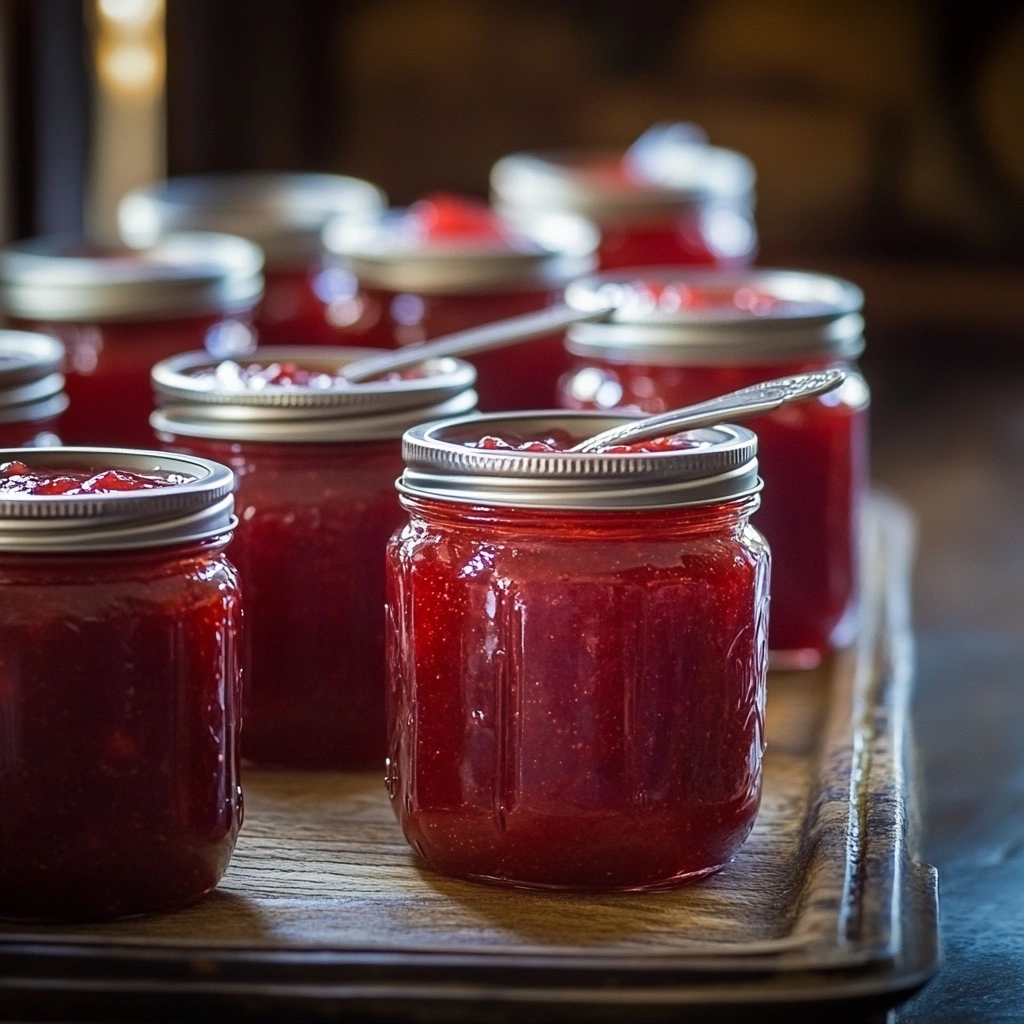
Homemade Strawberry Rhubarb Jam
Homemade Strawberry-Rhubarb Jam brings together the sun-sweet fragrance of ripe strawberries and the bright tartness of garden-fresh rhubarb in a vibrant, ruby-red preserve. Gently macerated with sugar, pectin, and a squeeze of fresh lemon juice, the fruit simmers to a perfect gel point before being carefully jarred for long-term storage. The result is a glossy, spreadable jam with just the right balance of sweetness and acidity—ideal on warm toast, spooned into yogurt, or used as a glaze for roasted meats. Because you control every ingredient, you can tailor the sugar level, experiment with spices or citrus zest, and create small batches that capture the very best of the season.
Ingredients
- 1/2 cups mashed ripe strawberries
- 2 cups chopped rhubarb
- 2 tablespoons lemon juice
- 1 package pectin
- 4 1/2 cups granulated sugar
Instructions
- Inspect, wash, and sterilize 8 half-pint jars and lids, ensuring extras are cleaned as needed.
- Wash, core, and chop strawberries. Wash and chop rhubarb.
- Mash the strawberries in layers in a large pot. Add the chopped rhubarb.
- Add pectin and lemon juice to the pot and stir well.
- Turn the stove to medium-high heat and stir the mixture as it heats.
- Once the mixture reaches a rolling boil, add the sugar all at once and allow it to return to a rolling boil. Boil for one more minute.
- Remove the pot from heat and stir for another 5 minutes. Skim any foam from the surface.
- Carefully ladle the mixture into hot jars. Wipe the rims with a clean cloth and cover with lids, ensuring the rings are snug but not too tight.
- Allow the jars to cool overnight. Check the seals and refrigerate any jars with lids that did not seal properly.