In this article
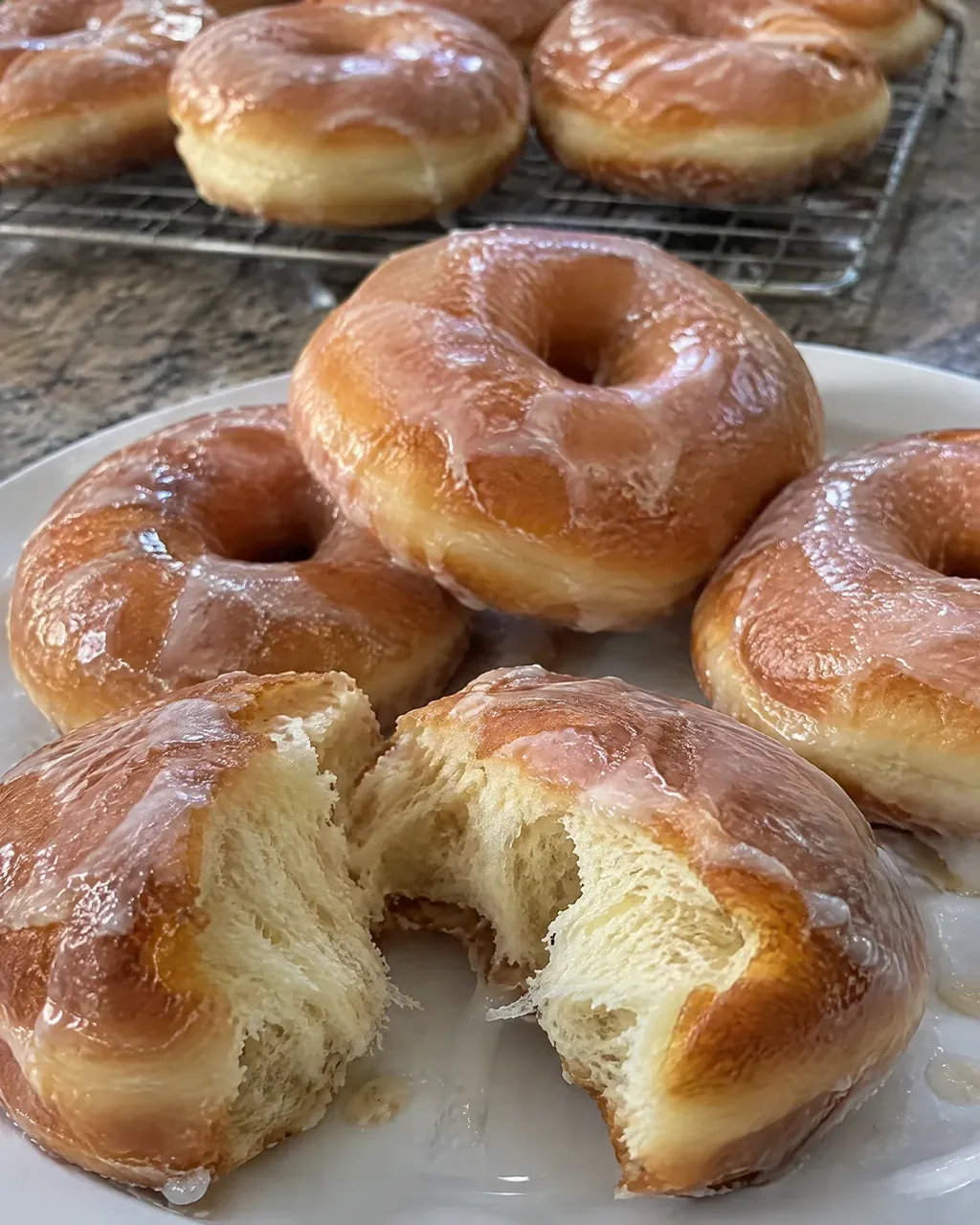
My father said glazed doughnuts were something you bought at the doughnut shop, not something a person made at home. One Saturday morning my mother decided to prove him wrong. She had made the dough the night before, and when he came downstairs there was a whole tray of them cooling on the rack, puffy and golden with that pale ring around the middle, the glaze still shining. He ate four before he said a word. Then he said the doughnut shop could close for all he cared.
These are the light kind, the yeast kind, so soft they squash flat when you bite them and spring right back. The dough is simple: warm milk, yeast, a little sugar, butter and eggs. The part people worry about is the frying, and it is where most homemade doughnuts go wrong. Fried too cool, they drink up oil and come out heavy and greasy. Fried too hot, they brown outside before the middle cooks. The answer is a thermometer, a well-risen dough and small batches.
Below is the whole method, including how to fry them light instead of greasy, how to tell when they have risen enough, and the thin vanilla glaze that sets into a crackly shell, the way the doughnut shop does it.
Why this glazed doughnut works
- A rich milk dough. Milk, butter and eggs make a tender, soft crumb that stays light after frying.
- Two rises. The dough rises once in the bowl and again after cutting, so the doughnuts go into the oil already puffy and airy.
- Oil at 350 to 360 degrees. Hot enough to seal the outside at once, so the doughnut cooks in its own steam instead of soaking up fat.
- Small batches. Three or four at a time keeps the oil from cooling down when the doughnuts go in.
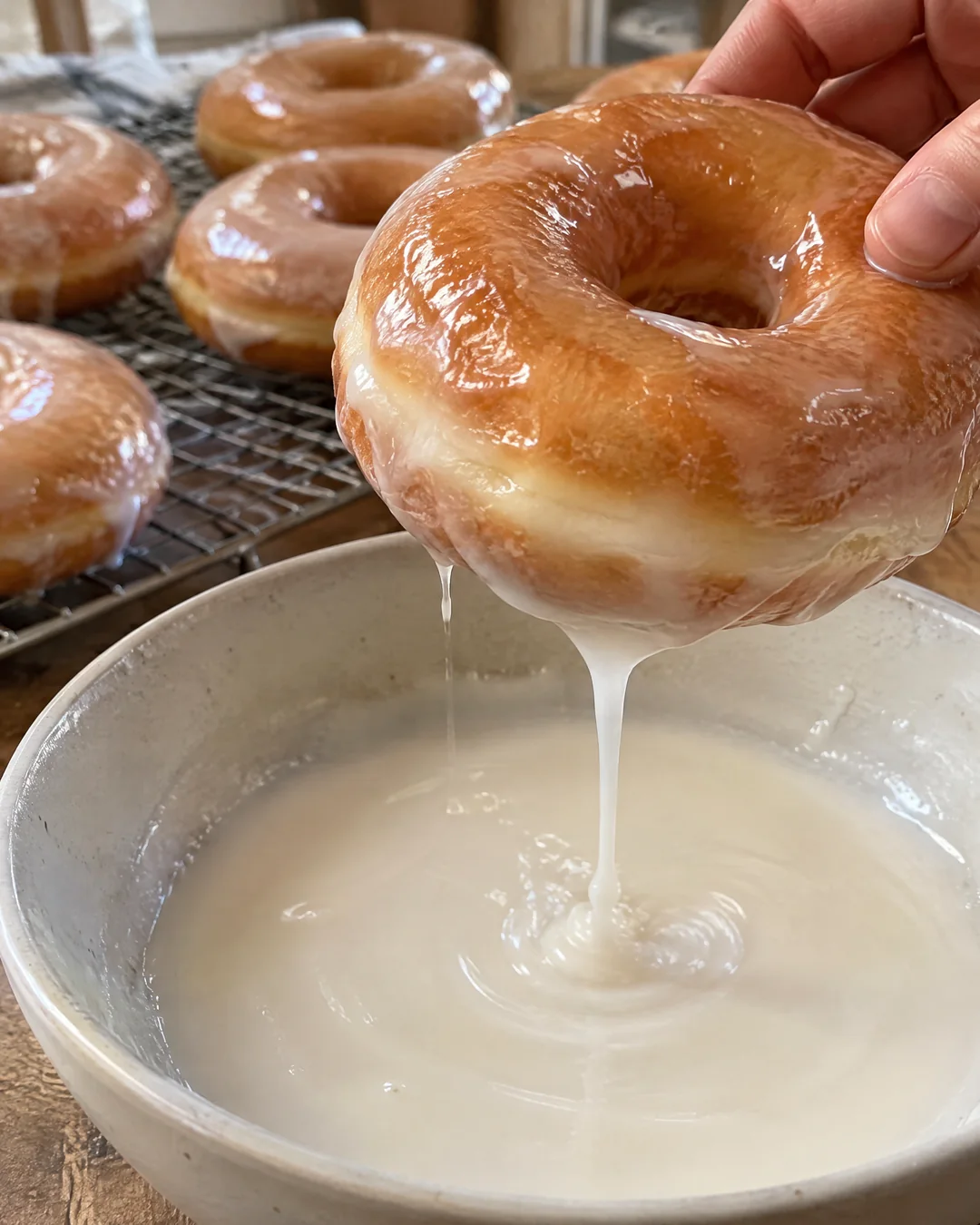
- Glazed while warm. A thin glaze on a warm doughnut melts into a sheer coat, then sets and cracks as it cools.
Ingredients
Makes about 14 doughnuts plus the holes. The measurements are in US cups with grams in brackets.
For the dough
- 3/4 cup whole milk, warmed to about 110 degrees (180ml)
- 2 1/4 teaspoons instant or active dry yeast (one 7g packet)
- 1/4 cup granulated sugar (50g)
- 2 large eggs, at room temperature
- 1/4 cup unsalted butter, melted and slightly cooled (55g)
- 1 teaspoon vanilla extract
- 3/4 teaspoon fine salt
- 3 to 3 1/4 cups all-purpose flour (390 to 410g)
For frying
- About 2 quarts vegetable or canola oil (2 liters)
For the vanilla glaze
- 3 cups powdered sugar (360g)
- 1/3 cup whole milk, plus a little more if needed (80ml)
- 1 teaspoon vanilla extract
- A pinch of fine salt
A deep-fry or candy thermometer makes all the difference here. If you do not have one, use the test-hole method in the tips below.
How to make glazed doughnut
- Pour the warm milk into a large bowl or the bowl of a stand mixer. Stir in the yeast and a pinch of the sugar and leave it for 5 minutes, until foamy.
- Whisk in the rest of the sugar, the eggs, the melted butter, the vanilla and the salt.
- Add 3 cups of the flour and mix with a wooden spoon, or the dough hook on low, until a soft dough forms. Knead for 5 to 6 minutes by machine or 8 to 10 by hand, adding a spoonful of flour at a time only if it sticks badly. It should be soft, smooth and slightly tacky.
- Put the dough in a buttered bowl, cover it and let it rise in a warm place for 1 to 1 1/2 hours, until doubled. (Or cover and refrigerate overnight, the way my mother did, and let it sit at room temperature for 30 minutes in the morning.)
- Turn the dough onto a lightly floured counter and roll it out 1/2 inch thick. Cut rounds with a 3 inch glass or cutter, then cut the holes with a 1 inch cutter or a small bottle cap. Gather the scraps once, reroll and cut again.
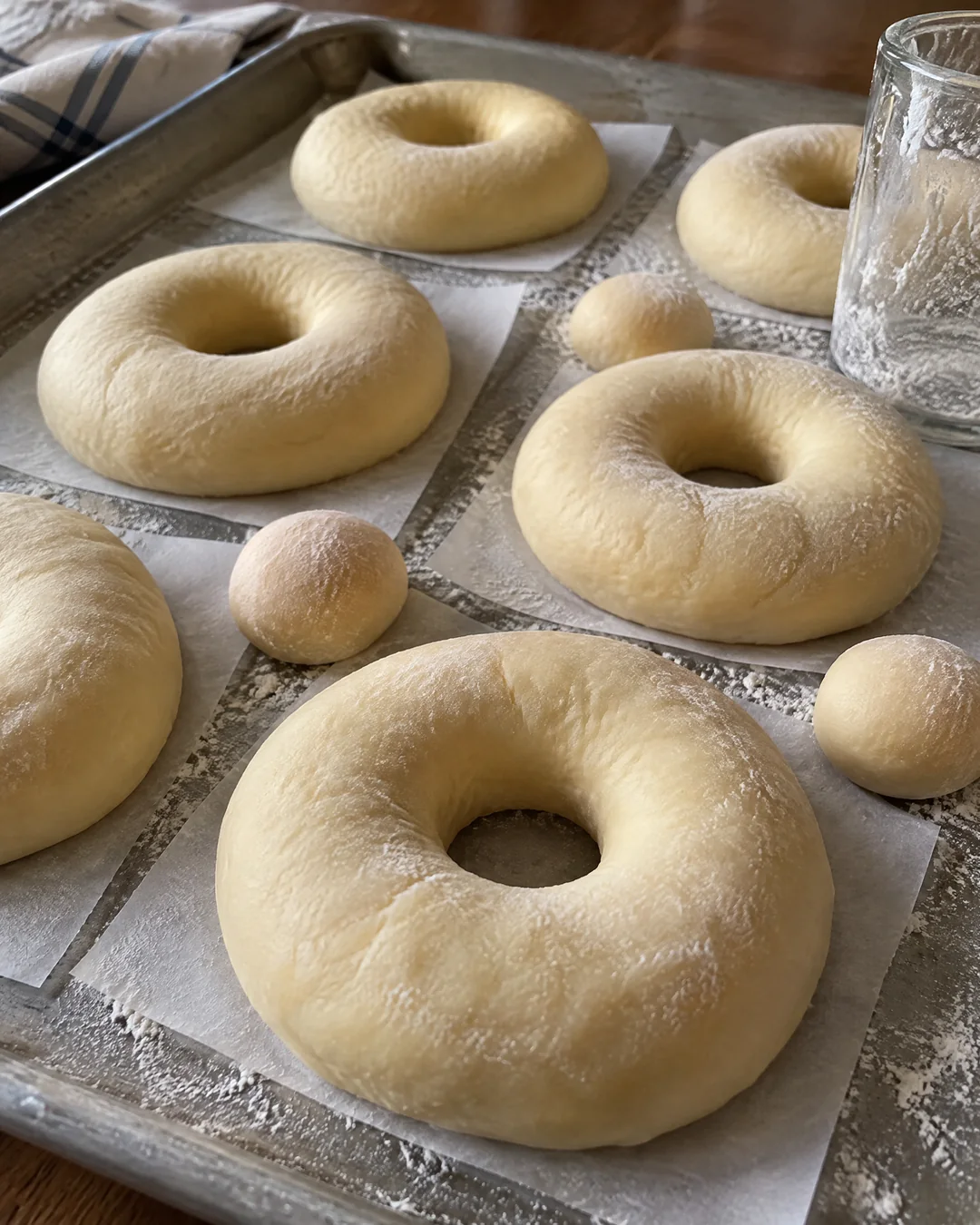
- Set the doughnuts and holes on squares of parchment on a baking sheet, cover loosely with a towel and let them rise for 30 to 45 minutes, until puffy and light. A finger pressed gently into the side should leave a dent that springs back slowly.
- Meanwhile, heat the oil in a heavy pot to 350 to 360 degrees (175 to 180°C). The oil should be at least 2 inches deep. Set a wire rack over a sheet pan beside the stove.
- Whisk the glaze ingredients together in a wide bowl until smooth. It should be thin enough to run off a spoon in a ribbon.
- Slide 3 or 4 doughnuts into the oil, using the parchment squares to lower them in and pulling the paper out with tongs. Fry for about 1 minute, until golden underneath, then turn and fry 1 minute more. Fry the holes for about 30 seconds a side.
- Lift them onto the rack and let the oil come back to temperature before the next batch.
- While the doughnuts are still warm, dip the top of each one into the glaze, lift it out and let the extra run off, then set it back on the rack. Dip a second time for a thicker shell if you like.
- Let the glaze set for 10 minutes before serving. They are best the same day.
Tips that make the difference
- Fry one doughnut hole first as a test. If it browns in well under a minute, the oil is too hot. If it takes much longer and looks oily, the oil is too cool.
- Do not over-proof. Doughnuts that rise too long collapse in the oil and soak up fat. They should look puffy, not ballooned.
- That pale ring around the middle is a good sign. It means the doughnut floated high in the oil because it was light and properly risen.
- Keep the oil temperature steady by frying only a few at a time and adjusting the heat between batches.
- Glaze them warm, not hot. Hot doughnuts melt the glaze clear and it all runs off.
Variations
- Chocolate frosted. Melt 1/2 cup semisweet chocolate chips (85g) with 2 tablespoons butter and 1 tablespoon milk, and dip the tops instead of glazing.
- Cinnamon sugar. Skip the glaze and toss the warm doughnuts in 1 cup sugar (200g) mixed with 1 tablespoon cinnamon.
- Maple glaze. Replace the vanilla in the glaze with 1 teaspoon maple extract and add 2 tablespoons pure maple syrup.
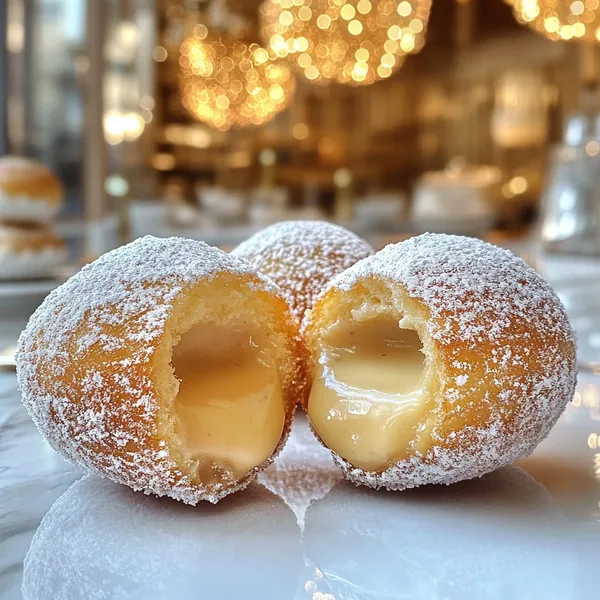
- Filled doughnuts. Cut rounds without holes, fry them a little longer, and fill with jam or vanilla pudding through a small slit in the side.
Storage and make-ahead
Glazed doughnuts are best the day they are made. Keep leftovers loosely covered at room temperature and eat them the next morning.
Warm a day-old doughnut for 8 seconds in the microwave and it softens right up again.
Unglazed doughnuts freeze well for up to a month. Thaw, warm briefly in the oven, then glaze.
Frequently asked questions
Why are my homemade doughnuts greasy?
Almost always the oil was too cool, or too many doughnuts went in at once and dropped the temperature. Keep the oil between 350 and 360 degrees and fry in small batches.
Can I bake these instead of frying them?
You can bake them at 375 degrees for about 10 minutes, but they will be soft rolls shaped like doughnuts, not the light, crisp-edged doughnut from the shop.
Can I make the dough the night before?
Yes. After kneading, cover the bowl and refrigerate it overnight. The cold, slow rise adds flavor, and cold dough is easier to roll and cut.
What oil is best for frying doughnuts?
A neutral oil with a high smoke point, such as vegetable, canola or peanut oil. Do not use butter or olive oil.
Make the dough on Friday night, fry them on Saturday morning, and do not expect anybody in the house to go out for doughnuts again.
Homemade Glazed Doughnuts (Light Yeast Doughnuts, Fried Golden, Not Greasy)
Old-fashioned homemade glazed yeast doughnuts: a soft, rich milk dough, cut with a glass, risen until puffy, fried golden in vegetable oil and dipped warm in a thin vanilla glaze that sets and cracks.
Ingredients
- 3/4 cup whole milk, warmed to about 110 degrees
- 2 1/4 teaspoons instant or active dry yeast
- 1/4 cup granulated sugar
- 2 large eggs, at room temperature
- 1/4 cup unsalted butter, melted and slightly cooled
- 1 teaspoon vanilla extract
- 3/4 teaspoon fine salt
- 3 to 3 1/4 cups all-purpose flour
- About 2 quarts vegetable or canola oil
- 3 cups powdered sugar
- 1/3 cup whole milk, plus a little more if needed
- 1 teaspoon vanilla extract
- A pinch of fine salt
Instructions
- Pour the warm milk into a large bowl or the bowl of a stand mixer. Stir in the yeast and a pinch of the sugar and leave it for 5 minutes, until foamy.
- Whisk in the rest of the sugar, the eggs, the melted butter, the vanilla and the salt.
- Add 3 cups of the flour and mix with a wooden spoon, or the dough hook on low, until a soft dough forms. Knead for 5 to 6 minutes by machine or 8 to 10 by hand, adding a spoonful of flour at a time only if it sticks badly. It should be soft, smooth and slightly tacky.
- Put the dough in a buttered bowl, cover it and let it rise in a warm place for 1 to 1 1/2 hours, until doubled. (Or cover and refrigerate overnight, the way my mother did, and let it sit at room temperature for 30 minutes in the morning.)
- Turn the dough onto a lightly floured counter and roll it out 1/2 inch thick. Cut rounds with a 3 inch glass or cutter, then cut the holes with a 1 inch cutter or a small bottle cap. Gather the scraps once, reroll and cut again.
- Set the doughnuts and holes on squares of parchment on a baking sheet, cover loosely with a towel and let them rise for 30 to 45 minutes, until puffy and light. A finger pressed gently into the side should leave a dent that springs back slowly.
- Meanwhile, heat the oil in a heavy pot to 350 to 360 degrees (175 to 180°C). The oil should be at least 2 inches deep. Set a wire rack over a sheet pan beside the stove.
- Whisk the glaze ingredients together in a wide bowl until smooth. It should be thin enough to run off a spoon in a ribbon.
- Slide 3 or 4 doughnuts into the oil, using the parchment squares to lower them in and pulling the paper out with tongs. Fry for about 1 minute, until golden underneath, then turn and fry 1 minute more. Fry the holes for about 30 seconds a side.
- Lift them onto the rack and let the oil come back to temperature before the next batch.
- While the doughnuts are still warm, dip the top of each one into the glaze, lift it out and let the extra run off, then set it back on the rack. Dip a second time for a thicker shell if you like.
- Let the glaze set for 10 minutes before serving. They are best the same day.