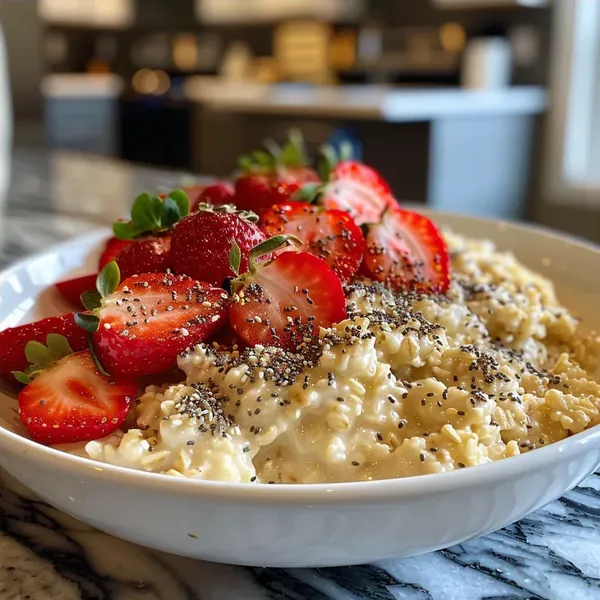
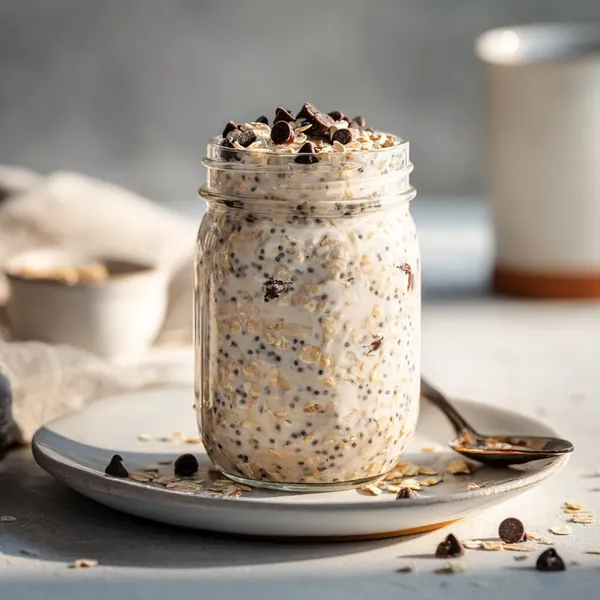
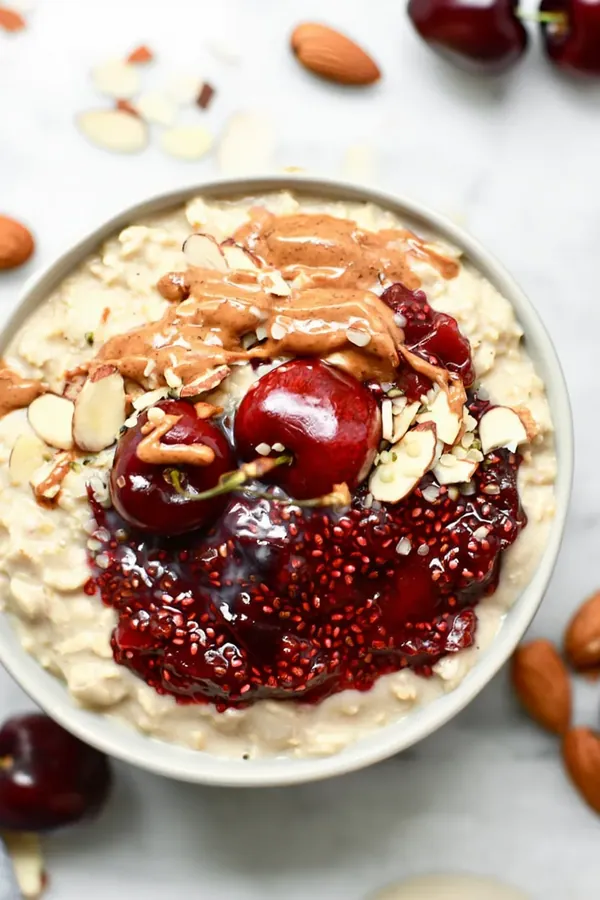
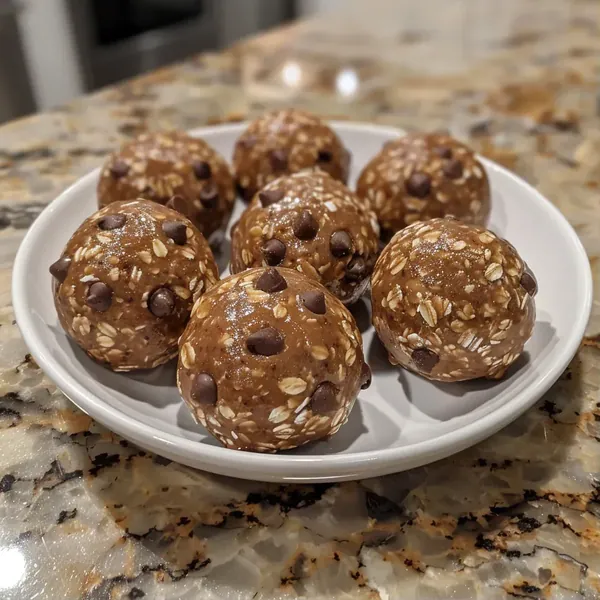
High protein overnight oats are a convenient, nutritious, and delicious breakfast option for those seeking a balanced meal to start their day. This no-cook method of preparing oats involves soaking them in liquid overnight, typically in the refrigerator, which softens the oats and makes them ready to eat in the morning. The beauty of overnight oats lies in their versatility—you can customize them with a variety of ingredients to suit your taste and nutritional goals.
Adding high-protein elements to overnight oats turns a simple breakfast into a powerful fuel source. Protein helps build and repair muscles, supports metabolic function, and promotes longer-lasting satiety, making it ideal for anyone trying to lose weight, gain muscle, or maintain a healthy lifestyle. Whether you’re an athlete, a busy professional, or simply health-conscious, high protein overnight oats offer a make-ahead solution that fits perfectly into even the most hectic schedules.
What Are Overnight Oats?
Overnight oats are a no-cook version of traditional oatmeal. Instead of boiling oats on the stovetop or in the microwave, you soak them in a liquid—such as milk, yogurt, or a dairy-free alternative—overnight in the refrigerator. By morning, the oats absorb the liquid and soften, resulting in a creamy texture similar to cooked oatmeal.
This method not only saves time but also retains more nutrients that may be lost during cooking. Overnight oats can be eaten cold or heated and customized with various ingredients like fruits, seeds, and sweeteners, making them a flexible and healthy breakfast choice.
Importance of Protein in Breakfast
Protein is an essential macronutrient, especially at breakfast, when your body needs a steady source of energy to start the day. Including protein in your morning meal has several benefits. It helps regulate blood sugar levels, curbs mid-morning cravings, and promotes feelings of fullness, reducing the likelihood of overeating later.
For individuals focused on muscle gain or fat loss, a high-protein breakfast supports muscle recovery and metabolism. Unlike carb-heavy breakfasts that may cause an energy crash, meals rich in protein offer sustained energy and better mental focus throughout the day.
When paired with complex carbohydrates and healthy fats, protein creates a balanced meal that nourishes your body and supports long-term health goals. High protein overnight oats are a practical way to meet your daily protein needs, especially when time is limited in the mornings.
High Protein Ingredients to Use
To make overnight oats high in protein, it’s essential to incorporate ingredients that are naturally rich in this macronutrient. Below are some of the best additions to boost the protein content of your oats:
1. Greek Yogurt
Thick and tangy, Greek yogurt is packed with protein and adds a creamy texture. A ½ cup serving can contain up to 10 grams of protein.
2. Protein Powder
Whey, casein, or plant-based protein powders are easy ways to significantly increase the protein content. Just one scoop can add 15–25 grams of protein.
3. Chia Seeds
These tiny seeds are nutritional powerhouses. One tablespoon has around 3 grams of protein and provides fiber and omega-3 fatty acids.
4. Nut Butters
Almond butter, peanut butter, or cashew butter provide healthy fats and protein. One tablespoon contains 3–4 grams of protein.
5. Cottage Cheese
A great source of casein protein, cottage cheese blends well with oats and adds a smooth texture. A ½ cup contains around 14 grams of protein.
6. Hemp Seeds
High in complete protein, hemp seeds offer about 10 grams of protein per 3 tablespoons. They also contribute healthy fats.
7. Milk or Milk Alternatives
Choose high-protein options like cow’s milk or fortified soy milk. Avoid low-protein liquids like almond milk if aiming for a protein-rich meal.
8. Quinoa or Protein Oats
Mixing in cooked quinoa or using specially formulated high-protein oats can further enhance the nutritional profile.
Macronutrient Breakdown: Protein, Carbs & Fats
Creating a well-balanced serving of high protein overnight oats involves understanding the macronutrient breakdown. A typical serving might look like this:
-
Protein: 20–30 grams
-
Carbohydrates: 30–40 grams
-
Fats: 10–15 grams
This ratio ensures sustained energy, muscle recovery, and appetite control. Protein sources may include Greek yogurt, protein powder, or chia seeds. Carbohydrates primarily come from rolled oats and fruit, providing necessary fuel for the body. Healthy fats, such as those from nut butters and seeds, support hormone production and brain function.
Adjusting these macros is easy based on your goals. For muscle gain, increase protein and overall calories. For fat loss, reduce carbohydrates slightly while keeping protein high to preserve lean mass. A food tracking app or nutrition label can help you dial in your perfect macro mix.

How to Make High Protein Overnight Oats – Step-by-Step
Making high protein overnight oats is simple and customizable. Here’s a basic step-by-step guide:
Ingredients:
-
½ cup rolled oats
-
½–1 scoop protein powder (any flavor)
-
½ cup Greek yogurt or cottage cheese
-
¾ cup milk or plant-based alternative
-
1 tablespoon chia seeds or flaxseeds
-
1 tablespoon nut butter (optional)
-
Sweetener to taste (e.g., honey, maple syrup, stevia)
-
Toppings: berries, banana slices, cocoa powder, cinnamon
Instructions:
-
In a mason jar or airtight container, combine the oats, protein powder, and seeds.
-
Add in Greek yogurt and pour in the milk. Stir until well mixed. Add sweetener and nut butter if desired.
-
Seal the container and refrigerate overnight (at least 6–8 hours).
-
In the morning, stir again and add your favorite toppings.
-
Enjoy cold, or microwave for 30–60 seconds if you prefer it warm.
Storage Tips:
High protein overnight oats can be stored in the refrigerator for up to 4 days. Prepare several jars at once for a week’s worth of quick, nutritious breakfasts.
Best High Protein Overnight Oats Recipes
Here are several high protein overnight oats recipes you can easily prepare and customize based on your preferences or dietary needs:
1. Peanut Butter Banana Protein Oats
-
½ cup rolled oats
-
¾ cup milk
-
½ scoop vanilla protein powder
-
1 tablespoon peanut butter
-
½ banana (sliced)
-
1 tablespoon chia seeds
This combination delivers over 25 grams of protein and a great balance of healthy fats and carbs.
2. Chocolate Almond Protein Oats
-
½ cup oats
-
1 tablespoon almond butter
-
¾ cup almond milk
-
½ scoop chocolate protein powder
-
1 tablespoon cocoa powder
-
Topped with slivered almonds and cacao nibs
Perfect for a dessert-like breakfast with 20–25 grams of protein.
3. Berry Greek Yogurt Oats
-
½ cup oats
-
½ cup plain Greek yogurt
-
½ cup milk
-
½ cup mixed berries
-
1 tablespoon flaxseeds
Naturally high in protein from the Greek yogurt and flaxseeds, this version is refreshing and antioxidant-rich.
4. Vegan Vanilla Chia Protein Oats
-
½ cup oats
-
¾ cup soy milk
-
1 tablespoon chia seeds
-
1 tablespoon almond butter
-
½ mashed banana
-
½ teaspoon vanilla extract
A vegan-friendly recipe that still packs around 15–20 grams of plant-based protein.
5. Cottage Cheese Cinnamon Roll Oats
-
½ cup oats
-
½ cup cottage cheese
-
½ scoop vanilla protein powder
-
1 teaspoon cinnamon
-
1 teaspoon maple syrup
Tastes like a cinnamon roll but provides over 30 grams of protein with balanced sweetness.
Make several of these in jars ahead of time to simplify your weekday breakfasts.
How to Increase Protein Without Protein Powder
If you prefer to skip protein powder, there are plenty of whole food options to raise the protein content of overnight oats naturally:
1. Greek Yogurt: One of the most protein-dense dairy products. Use ½ to 1 cup for a creamy base and around 10–20 grams of protein.
2. Cottage Cheese: Adds a slightly tangy flavor and 12–15 grams of protein per ½ cup. Blend if you prefer a smoother texture.
3. Chia Seeds and Flaxseeds: Though small, these seeds provide 2–3 grams of protein per tablespoon, along with fiber and omega-3s.
4. Nut Butters: Almond or peanut butter adds healthy fat and 3–4 grams of protein per tablespoon.
5. Milk Alternatives: Opt for higher-protein plant milks like soy or pea milk rather than almond milk, which is low in protein.
6. Quinoa: Add cooked quinoa to your oats to bump up the protein naturally without altering flavor significantly.

Flavor Add-ins and Sweeteners
Customizing your overnight oats with flavorful add-ins and sweeteners can make them more enjoyable without sacrificing nutrition.
Natural Sweeteners:
-
Maple syrup or honey: Use 1–2 teaspoons for a touch of sweetness and depth.
-
Stevia or monk fruit: Zero-calorie options for those watching sugar intake.
-
Mashed banana or applesauce: Adds moisture and natural sweetness without refined sugars.
Flavor Enhancers:
-
Vanilla or almond extract: Just a few drops enhance the taste dramatically.
-
Cocoa or cacao powder: For a chocolatey boost with antioxidants.
-
Cinnamon or nutmeg: Warm spices that pair well with fruits and nuts.
-
Lemon or orange zest: Adds freshness and complexity to berry or citrus-themed oats.
Toppings:
-
Fresh or dried fruit: Strawberries, blueberries, raisins, or figs
-
Shredded coconut, dark chocolate chips, or chopped nuts: Adds texture and visual appeal
Use these ingredients to vary your oats while keeping them high in protein and balanced in flavor.
Common Mistakes to Avoid
Making high protein overnight oats is simple, but a few common mistakes can affect taste and nutrition:
-
Too Much Liquid: This leads to runny oats. Stick to a 1:1 or 1:1.5 oats-to-liquid ratio unless you’re using thickening agents like chia seeds.
-
Not Enough Protein: Adding only oats and fruit results in a carb-heavy meal. Include Greek yogurt, seeds, or protein powder.
-
Skipping Healthy Fats: Fats from nut butter or seeds help with nutrient absorption and satiety.
-
Poor Storage: Oats last 3–4 days in the fridge. Always store in sealed containers to prevent spoilage or odor absorption.
FAQs – People Also Ask
Can overnight oats be high in protein?
Yes, overnight oats can be made high in protein by adding ingredients like Greek yogurt, protein powder, chia seeds, and cottage cheese. It’s easy to reach 20–30 grams of protein per serving with the right mix.
Are overnight oats good for muscle gain?
Absolutely. The combination of slow-digesting carbohydrates from oats and fast or slow-digesting proteins supports muscle recovery and growth. Eating them post-workout or for breakfast can help meet daily protein goals.
How can I make overnight oats with 30g of protein?
Use ½ scoop protein powder, ½ cup Greek yogurt, 1 tablespoon chia seeds, and ¾ cup milk. Combined, these ingredients can give you a protein count of 30 grams or more.
Can I use water instead of milk in overnight oats?
Yes, but water lacks protein and richness. For high protein oats, use cow’s milk or a high-protein plant-based milk like soy or pea milk for better texture and nutrition.
Are overnight oats good for weight loss?
Yes, especially when high in protein. Protein promotes fullness and helps maintain muscle mass during calorie deficits, making overnight oats a smart, satisfying choice for weight loss plans.
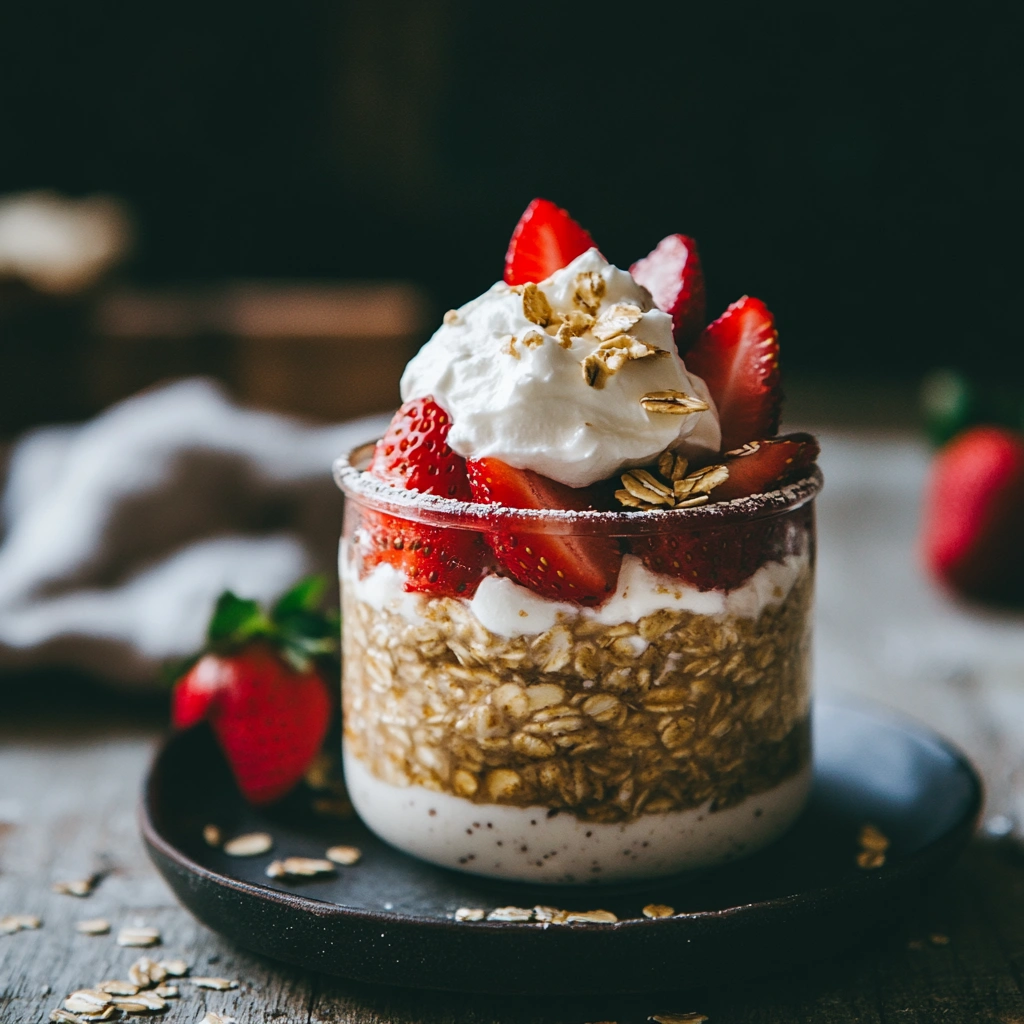
High Protein Overnight Oats
These High Protein Overnight Oats are the perfect make-ahead breakfast for busy mornings. Packed with over 25 grams of protein per serving, they’re made with a blend of rolled oats, Greek yogurt, protein powder, chia seeds, and your favorite mix-ins. Creamy, satisfying, and endlessly customizable, this recipe helps support muscle recovery, keeps you full for hours, and tastes like dessert for breakfast. Ideal for meal prep, weight loss, or post-workout nutrition.
Ingredients
- ½ cup old-fashioned rolled oats
- 1 scoop protein powder mine is a 30g scoop
- ½ tablespoon chia seeds
- ½ cup milk
- ¼ cup non-fat greek yogurt
- 1-2 teaspoon maple syrup or honey optional for more sweetener
Instructions
- Combine the oats, protein powder, and chia seeds in a container like a mason jar or Tupperware. ½ cup old-fashioned rolled oats,1 scoop protein powder,½ tablespoon chia seeds
- Pour in the milk, yogurt, and maple syrup. Mix until well combined, making sure to stir up any chunks of protein powder that may be stuck on the bottom. ½ cup milk,¼ cup non-fat greek yogurt,1-2 teaspoon maple syrup or honey
- Cover with a lid and place into the fridge overnight or for at least 5 hours.
- Before eating, add extra add-ins for more flavor!