In this article
- What Is Rhubarb?
- History & Origin of Rhubarb in Baking
- Key Ingredients Overview
- Selecting & Preparing Your Rhubarb
- Step-by-Step Batter Preparation
- Baking the Loaf
- Preparing the Glaze
- Applying & Serving the Glaze
- Variations & Adaptations
- Storage, Freezing & Make-Ahead Tips
- Troubleshooting Common Issues
- Frequently Asked Questions (FAQs)
- Conclusion & Call to Action
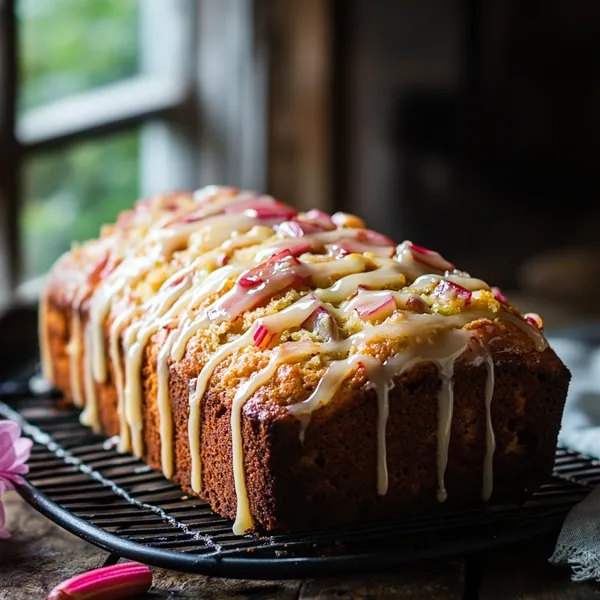
Glazed Rhubarb Loaf is a vibrant, spring-inspired quick bread that marries the tart brightness of rhubarb stalks with a sweet, milky glaze. Its tender crumb offers a moist bite punctuated by strings of ruby-hued fruit, making each slice as visually appealing as it is delicious. Unlike yeast-risen breads that require lengthy proofing, this loaf relies on chemical leaveners—baking powder and baking soda—to achieve lift in under an hour of oven time. Whether enjoyed warm from the pan or cooled to room temperature, the loaf’s lightly crisp crust gives way to a soft interior studded with tangy rhubarb pieces. The simple powdered-sugar glaze, often flavored with a hint of lemon or vanilla, drapes the top in a glossy finish that balances the fruit’s natural acidity. Ideal for Easter brunch spreads, afternoon tea, or weekend coffee rituals, this quick bread showcases the fleeting rhubarb season at its peak. Beginner bakers will appreciate the straightforward method—no standing mixers required—while experienced home cooks can customize the loaf with spices, nuts, or alternative sweeteners. By highlighting fresh, seasonal produce, Glazed Rhubarb Loaf offers an approachable yet elegant recipe that delivers both comforting familiarity and a bright flavor twist.
What Is Rhubarb?
Rhubarb is a perennial garden plant prized for its thick, celery-like stalks, which range in color from pale green to deep crimson. Though often treated as a fruit in culinary applications, it is botanically a vegetable belonging to the Polygonaceae family. Rhubarb stalks have a pronounced tartness due to high levels of malic acid, making them ideal partners for sweet additions such as sugar or honey. The leaves contain oxalic acid and are considered toxic, so only the fleshy petioles are used in cooking. Commonly available in early spring, rhubarb pairs beautifully with berries, stone fruits, and rich dairy ingredients to create jams, pies, compotes, and, notably, quick breads. Because of its fibrous texture, chopping into uniform, bite-sized pieces ensures even distribution through batters and doughs. Fresh rhubarb lends the brightest color and firmest texture, but frozen stalks can be a convenient substitute if properly thawed and drained of excess liquid before use.
History & Origin of Rhubarb in Baking
Originally valued in ancient Chinese and Tibetan herbal medicine, rhubarb’s culinary journey began in Europe by the early 18th century, where it was initially reserved as a medicinal curiosity. By the mid-1700s, rhubarb gardens had spread throughout England, and recipes for sweetened preserves and tarts started to appear in cookbooks. In America, early settlers adapted English rhubarb preparations into pioneer-style desserts, relying on available sweeteners like molasses and maple sugar. The invention of quick breads in the 19th century—a category of quick-to-make, chemically leavened batters—provided a perfect canvas for rhubarb’s tang, integrating it into loaf cakes and muffins. Post-World War II home economics movements further popularized rhubarb loaf recipes, emphasizing convenience and seasonal freshness. Vintage community cookbooks from the 1950s often featured rhubarb loafs topped with a simple sugar glaze or streusel, cementing its place in North American baking traditions. Today’s bakers continue to celebrate this heritage, experimenting with heirloom rhubarb varieties, gluten-free flours, and flavor add-ins, while honoring the loaf’s roots as a humble yet versatile springtime treat.
Key Ingredients Overview
-
Rhubarb: Fresh stalks provide the best balance of color, texture, and tartness. Trim and chop into ½-inch pieces. Frozen rhubarb can substitute—thaw fully and pat dry to avoid soggy batter.
-
Flour: All-purpose flour yields a tender crumb; substitute up to 25% whole-wheat for nuttiness. For gluten-free, use a blend of rice flour, tapioca starch, and xanthan gum.
-
Leaveners: A combination of 1½ teaspoons baking powder and ½ teaspoon baking soda ensures reliable lift and slight browning.
-
Sweeteners: Granulated sugar is classic; brown sugar adds moisture and caramel notes. For natural alternatives, use honey or pure maple syrup, reducing liquid elsewhere by 2 tablespoons.
-
Liquid: Milk or buttermilk enriches the loaf—prefer cultured buttermilk for extra tang and a finer crumb. Yogurt or sour cream can replace up to half the dairy volume for density and moisture.
-
Fat: Melted butter imparts richness and flavor; a neutral-tasting oil (e.g., canola or avocado) yields a lighter, more tender texture. Use ½ cup total.
-
Eggs: Two large eggs bind ingredients and contribute to structure and lift. For vegan versions, substitute 2 flax “eggs” (2 tablespoons ground flaxseed + 6 tablespoons water).
-
Flavorings & Add-Ins: Vanilla extract, lemon zest, or ground spices (cinnamon, ginger) enhance depth. Chopped nuts (pecans, walnuts) add crunch; shredded coconut can be folded in for texture contrast.

Selecting & Preparing Your Rhubarb
Choose stalks that are firm, slender to medium-thick, and brightly colored, avoiding any that appear wilted or water-soaked at the base. While deeper red stalks often indicate higher sugar content, green-tinted rhubarb is equally flavorful when balanced with sufficient sweetener. To prepare, rinse thoroughly under cold water to remove debris, then trim the leafy tops and the slightly tougher base ends. Using a sharp knife, slice into uniform ½-inch pieces to ensure even baking. If you prefer a milder flavor and softer texture, you can briefly stew the chopped rhubarb with a tablespoon of water and sugar over low heat for two minutes, then drain and cool before folding into the batter. Otherwise, fold raw pieces directly into the mix to preserve maximum tartness and vibrant color. Pat excess moisture off if working from frozen, pressing pieces between paper towels to maintain the loaf’s consistency.
Step-by-Step Batter Preparation
-
Preheat and Prep: Preheat oven to 350°F (175°C). Grease and line a 9×5-inch loaf pan with parchment paper, leaving overhang on two sides for easy removal.
-
Mix Dry Ingredients: In a medium bowl, whisk together 2 cups of all-purpose flour, 1½ teaspoons baking powder, ½ teaspoon baking soda, and ½ teaspoon salt until evenly combined.
-
Cream Butter and Sugar: In a large mixing bowl, beat ½ cup melted butter with ¾ cup granulated sugar (or ½ cup brown sugar) until smooth and slightly pale, about 1 minute by hand or 30 seconds with an electric mixer.
-
Incorporate Eggs and Flavorings: Beat in two large eggs, one at a time, ensuring each is fully incorporated. Stir in 1 teaspoon vanilla extract and the zest of one lemon.
-
Alternate Wet and Dry: Add one-third of the flour mixture to the butter-egg base, gently folding until no streaks remain. Pour in ½ cup buttermilk, fold to combine, then repeat with another third of flour, ¼ cup buttermilk, and finish with the remaining flour.
-
Fold in Rhubarb: Using a rubber spatula, fold 2 cups of prepared rhubarb pieces into the batter, taking care to distribute evenly without overmixing, which can toughen the loaf.
-
Transfer and Smooth: Scrape batter into the prepared pan, smoothing the top with an offset spatula. Tap pan gently on the counter to release air bubbles.
-
Bake: Place in the center of the preheated oven and bake for 50–60 minutes, or until a toothpick inserted in the center comes out with moist crumbs. Rotate the pan halfway through for even browning.
-
Cool: Allow the loaf to rest in the pan for 10 minutes before using the parchment overhang to lift it out onto a wire rack. Cool completely before glazing to prevent melting.
Baking the Loaf
Preheat your oven to 350°F (175°C) and position a rack in the center. Grease a 9×5-inch loaf pan thoroughly with butter or nonstick spray, then line it with parchment paper, leaving a two-inch overhang on the long sides for easy removal. Pour the prepared batter into the pan and smooth the top with an offset spatula, tapping it gently on the countertop to release any trapped air bubbles. Bake for 50 to 60 minutes, checking at the 45-minute mark to ensure the loaf is rising evenly and not browning too quickly. If the top is turning too dark, tent it loosely with aluminum foil for the final 10 to 15 minutes. To test for doneness, insert a toothpick or skewer into the center: it should emerge with moist crumbs but no wet batter. An instant-read thermometer should register around 200°F (93°C) in the center. Once fully baked, remove the loaf from the oven and let it rest in the pan on a wire rack for 10 minutes. Use the parchment overhang to lift the loaf out and transfer it directly onto the rack to cool completely; glazing a warm loaf can cause the topping to become too runny and slide off.
Preparing the Glaze
While the loaf cools, whisk together your glaze ingredients in a small bowl. For a classic powdered-sugar drizzle, combine 1 cup of sifted confectioners’ sugar with 2 to 3 tablespoons of milk (or lemon juice for a tangy kick) until smooth and pourable. If you prefer a cream-cheese glaze, beat 2 ounces of softened cream cheese with ½ cup of powdered sugar, then stir in 1 teaspoon of pure vanilla extract and 1 to 2 tablespoons of milk to reach a drizzling consistency. For extra brightness, fold in ½ teaspoon of finely grated lemon or orange zest. The ideal glaze should slowly run off the spoon in a steady ribbon, thick enough to cling to the loaf’s ridges but fluid enough to create decorative drips. Adjust consistency by adding more sugar for thickness or a splash more liquid for fluidity. Set the finished glaze aside until the loaf has cooled completely.
Applying & Serving the Glaze
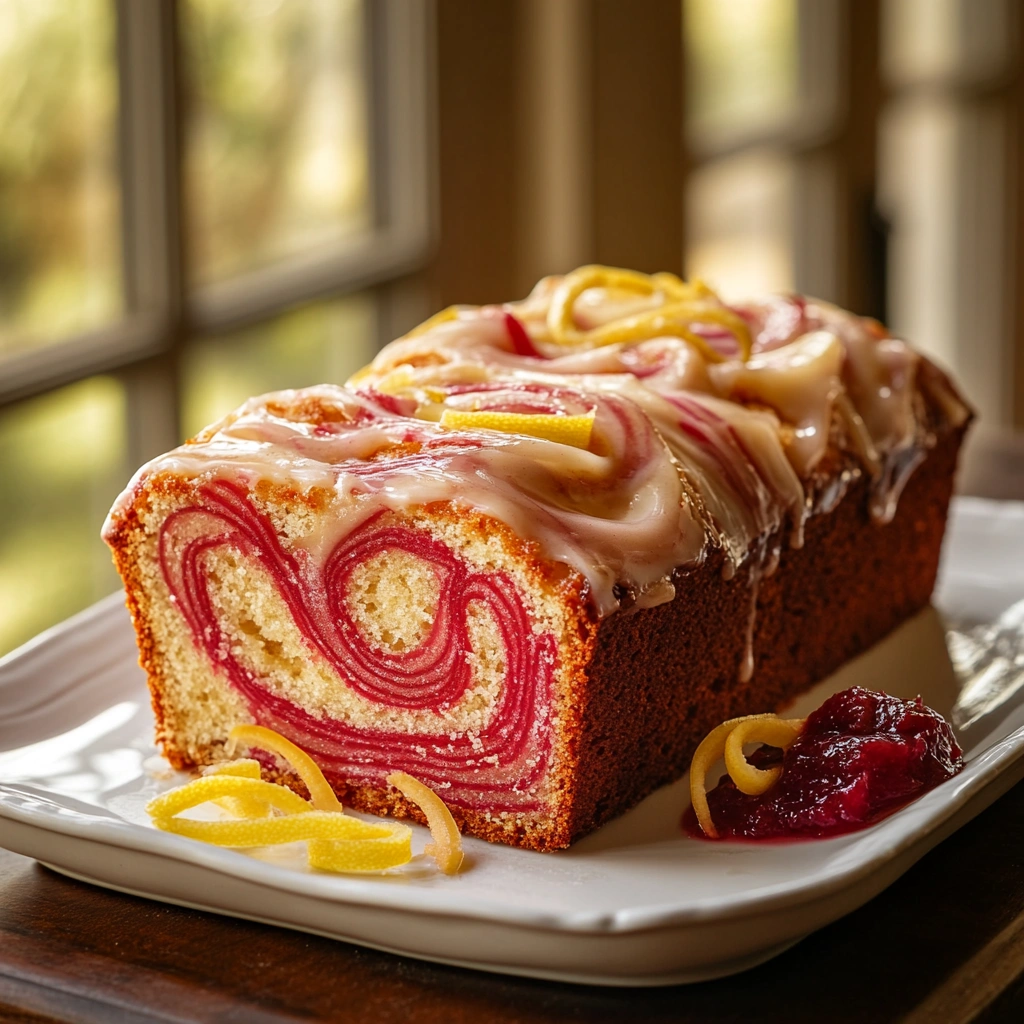
Place the cooled loaf on a serving platter or cutting board. Using a spoon or small offset spatula, drizzle the glaze evenly over the top, allowing it to pool in crevices and drip down the sides for a rustic look. Work quickly before the glaze begins to set, aiming for long, unbroken drips rather than heavy blobs. Once glazed, let the loaf rest for five minutes so the topping firms up slightly. Garnish with thin ribbons of fresh rhubarb or a sprinkle of finely chopped pistachios or mint leaves for color contrast. Slice into ¾-inch thick pieces with a serrated knife, wiping the blade clean between cuts to maintain neat edges. Serve at room temperature alongside coffee, tea, or a scoop of vanilla ice cream for an elevated dessert presentation.
Variations & Adaptations
Swap or combine fruits for different flavor profiles: stir in 1 cup of chopped strawberries or raspberries along with or in place of half the rhubarb for a sweet-tart berry loaf. For a spiced version, add 1 teaspoon of ground cinnamon, ½ teaspoon of ground ginger, or a pinch of cardamom to the dry ingredients. To introduce a nutty crunch, fold in ½ cup of toasted pecans, walnuts, or sliced almonds. For a floral note, stir in 1 teaspoon of almond extract or a tablespoon of lavender buds finely ground. To make the loaf vegan, replace each egg with a flax “egg” (1 tablespoon ground flaxseed mixed with 3 tablespoons water, set 10 minutes), sub melted coconut oil for butter, and use non-dairy milk such as almond or oat. For gluten-free baking, substitute a 1:1 gluten-free flour blend and add ¼ teaspoon xanthan gum if it’s not already included. To reduce sugar, cut granulated sugar by 25% and replace half the confectioners’ sugar in the glaze with powdered erythritol or coconut sugar. Experiment with citrus glazes—orange, lime, or grapefruit—for a bright twist. Each of these adjustments can be made without altering the base method, ensuring consistent rise and texture while catering to dietary preferences or seasonal produce.
Storage, Freezing & Make-Ahead Tips
For short-term storage, wrap the cooled, unglazed loaf tightly in plastic wrap or aluminum foil and keep at room temperature for up to three days. Once glazed, store in an airtight container in the refrigerator for up to five days; return slices to room temperature before serving for best flavor and texture. To freeze, either freeze the whole unglazed loaf or portion into slices: wrap each piece in plastic wrap, then place in a freezer-safe bag. Freeze for up to three months. Thaw overnight in the refrigerator, then bring to room temperature and apply fresh glaze before serving. If you prefer to assemble ahead, bake and freeze the loaf unglazed; when needed, thaw fully, heat in a 300°F (150°C) oven for 10 minutes to refresh, then add the glaze. Dough can also be prepared a day in advance: cover the mixed batter and chilled chopped rhubarb in the pan, refrigerate overnight, then bake directly from cold, adding a few extra minutes to the bake time.

Troubleshooting Common Issues
Dense or Heavy Texture: Overmixing the batter develops gluten and deflates leavening; fold ingredients gently until just combined. Ensure your baking powder and baking soda are fresh—replace if older than six months.
Soggy Bottom: Excess moisture from thawed rhubarb can lead to a wet base. Pat frozen rhubarb dry and drain any stewed rhubarb thoroughly. Avoid underbaking; confirm with a toothpick or thermometer.
Top Cracks Excessively: Small surface cracks are normal, but deep fissures indicate oven temperature too high. Use an oven thermometer to verify accuracy and reduce temperature by 10–15°F if needed.
Glaze Too Runny or Too Stiff: Adjust powdered sugar and liquid ratio. Add sugar incrementally to thicken or a few drops of milk or juice to thin. Let glaze rest five minutes to evaluate final consistency.
Loaf Sinks in the Middle: Center collapse happens when underbaked or when the batter cools too rapidly. Bake until tester shows moist crumbs, avoid sudden temperature changes, and do not open the oven door before 30 minutes.
Frequently Asked Questions (FAQs)
Can I use frozen rhubarb in a loaf?
Yes. Thaw frozen rhubarb completely, drain in a fine mesh sieve, and pat dry with paper towels to remove excess moisture. This prevents a soggy loaf while preserving the fruit’s color and flavor.
How do I make a dairy-free rhubarb loaf?
Replace butter with melted coconut oil or vegan margarine, swap milk or buttermilk for almond or oat milk, and use a plant-based yogurt. Ensure baking powder is aluminum-free for neutral flavor.
Why is my rhubarb loaf soggy?
Excess liquid from rhubarb can cause wet batter. Always drain thawed rhubarb, avoid stewing without discarding cooking liquid, and confirm that your loaf is fully baked before removing from the oven.
How long does glazed rhubarb loaf keep?
At room temperature, unglazed loaf lasts up to three days. Once glazed, store in the refrigerator for up to five days in an airtight container. Refresh at room temperature before serving.
Can I substitute other fruit for rhubarb?
Absolutely. Strawberries, raspberries, cherries, or apples work well. Adjust sugar slightly if using sweeter fruits, and fold in fruit pieces in the final mixing step to maintain even distribution.
Conclusion & Call to Action
Glazed Rhubarb Loaf delivers a perfect balance of tangy fruit, tender crumb, and sweet finishing drizzle, making it an ideal springtime centerpiece for brunch or dessert. Whether you stick to the classic recipe or explore one of the many variations—berry blends, spice infusions, or dietary adaptations—this loaf remains approachable and reliably delicious. We invite you to bake along, share your creative twists, and post photos on social media using #GlazedRhubarbLoaf. Download our printable recipe card to keep in your collection, and let us know which version becomes your new favorite. Enjoy every vibrant, flavorful slice!
Glazed Rhubarb Loaf
Glazed Rhubarb Loaf is a tender, moist quick bread studded with vibrant, tart rhubarb pieces and finished with a glossy sweet glaze. Ready in under two hours from start to finish, it strikes the perfect balance between bright spring flavor and comforting bakery-style texture. Serve slices alongside coffee or tea, or dress it up with a scoop of vanilla ice cream for a simple yet elegant dessert.
Ingredients
- 1 1/2 cup sugar
- 3/4 cup butter, softened
- 3 large eggs
- 2 teaspoons lemon juice
- 3/4 cup milk
- 1 tablespoon lemon zest
- 3 cups all purpose flour
- 3 teaspoons baking powder
- 1/2 teaspoon salt
- 2 cups rhubarb, diced
- 1 cup confectioner’s sugar
- 1 tablespoon lemon juice
Instructions
- Preheat your oven to 375 degrees F. Prepare a large loaf pan by greasing it with non-stick cooking spray. Set aside.
- In a large mixing bowl, beat together the sugar and butter until light and fluffy (about 3-4 minutes.)
- Add the eggs, lemon juice, milk, and lemon zest. Beat into the sugar and butter mixture until just incorporated. Set aside.
- In a separate bowl, sift together the flour, baking powder, and salt. Add this mixture to the wet ingredients and beat until just mixed together.
- Add the rhubarb and fold into the batter with a rubber spatula.
- Pour into prepared loaf pan and bake for 40 minutes or until a toothpick inserted into the center of the loaf comes out clean.
- Once you remove the loaf from the oven, it is very important to leave it in the pan. Place the pan onto a wire cooling rack. Leave the cake to cool for 10 minutes. Remove the cake from the pan and allow to fully cool before serving.
- Whisk together the confectioner’s sugar and lemon juice until smooth and creamy. Drizzle over the cooled loaf.
- Garnish and serve.