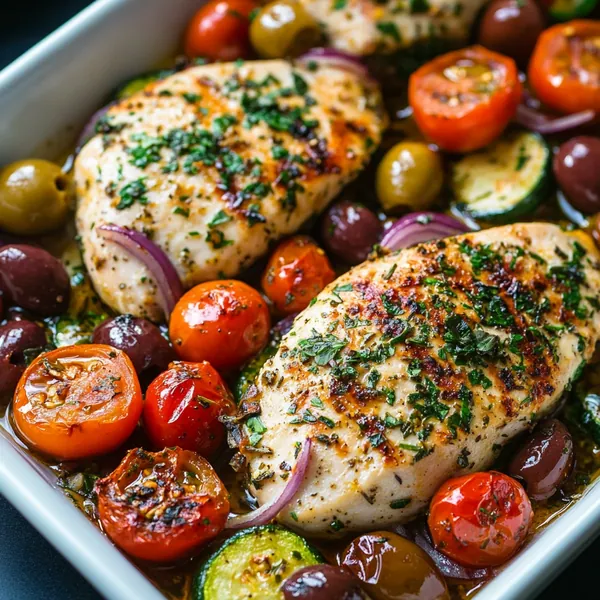
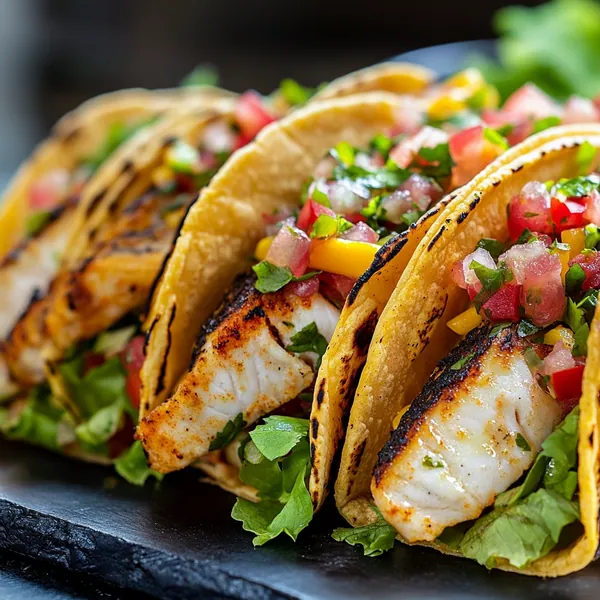
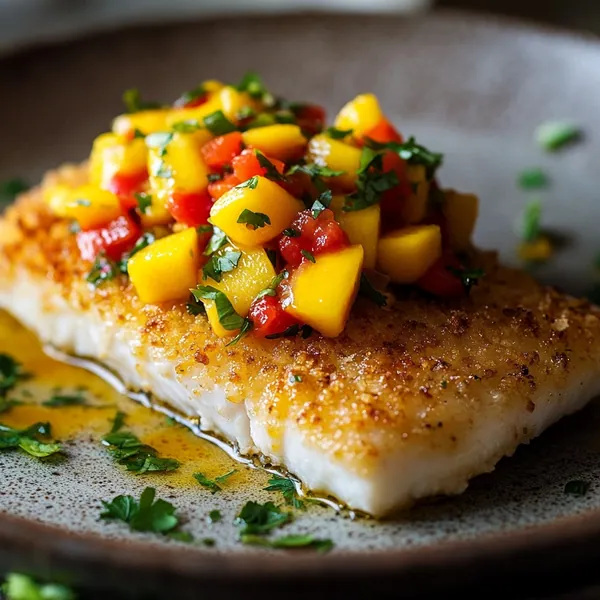
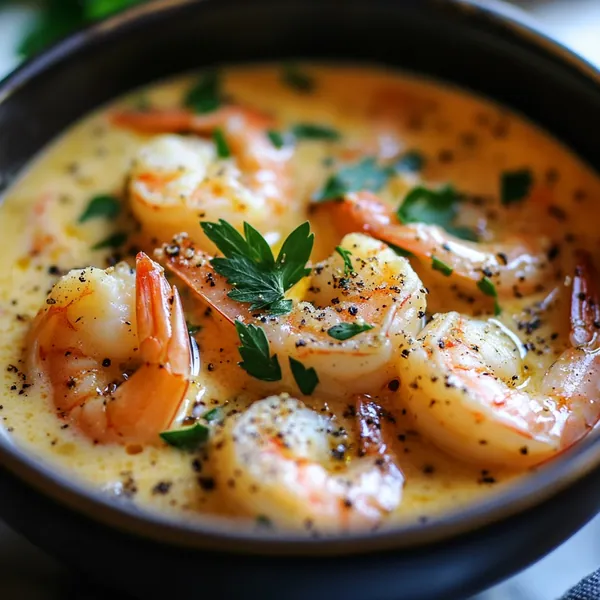
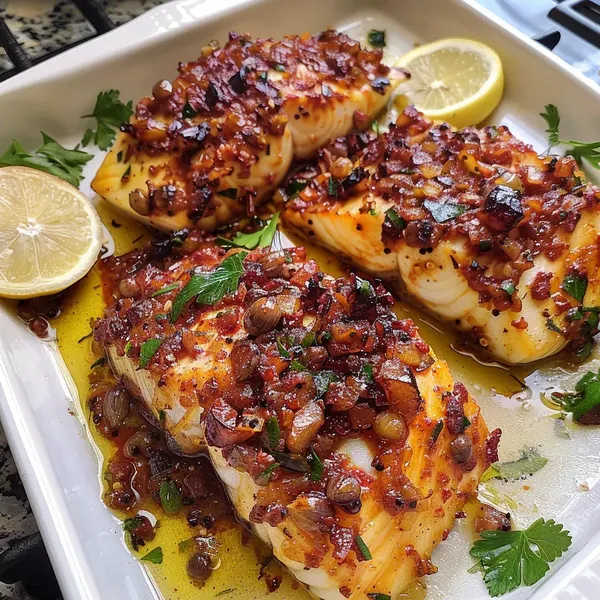
Fish Puttanesca is a bold, savory twist on a classic Italian pasta dish, combining the robust flavors of olives, capers, garlic, and tomatoes with tender, flaky white fish. This Mediterranean-inspired meal brings together the heartiness of traditional Puttanesca sauce with the lightness of seafood, creating a dish that’s both satisfying and healthy. Unlike pasta-based versions, Fish Puttanesca is naturally low in carbs and rich in lean protein, making it a great option for health-conscious diners. The salty brine from the olives and capers, the richness of anchovies, and the zing from crushed red pepper flakes all complement the mild taste of white fish, resulting in a dish full of contrast and depth. Whether you’re cooking for a weeknight dinner or hosting a special gathering, Fish Puttanesca is simple enough to prepare quickly but elegant enough to impress.
The Origins of Puttanesca Sauce
Puttanesca sauce traces its roots to mid-20th-century Naples, a region in southern Italy known for bold and rustic flavors. The name “puttanesca” has a controversial and colorful origin—it’s believed to derive from the Italian word puttana, meaning “prostitute.” According to culinary folklore, the sauce was a quick, fragrant dish prostitutes made to entice customers with its enticing aroma wafting through the streets. Other accounts suggest it was simply a pantry-friendly recipe developed by Neapolitans using cheap, shelf-stable ingredients like canned tomatoes, olives, anchovies, and capers.
Whatever the true story, the dish became known for its simplicity and flavor intensity. Traditional Spaghetti alla Puttanesca became a staple in Italian households, especially when fresh ingredients were scarce. As Mediterranean cuisine evolved globally, so did this sauce. Modern variations now extend beyond pasta, adapting to fish and other proteins, reflecting both creativity and respect for tradition. Today, Puttanesca is loved not just for its taste, but also for its historical and cultural intrigue.
Why Fish Works So Well With Puttanesca
Fish and Puttanesca sauce are a perfect culinary match thanks to the balance of flavor and texture they bring together. Mild, flaky white fish—such as cod or halibut—acts as the ideal canvas for the bold, salty, and tangy flavors of the sauce. The acidity of tomatoes cuts through the richness of the fish, while olives and capers provide briny contrast. Anchovies, often melted into the sauce, add a subtle umami depth without overpowering the dish.
From a nutritional standpoint, this combination is just as compelling. The fish delivers lean protein and omega-3 fatty acids, while the sauce adds fiber, antioxidants, and healthy fats from olive oil. This synergy makes the dish not only delicious but heart-healthy and satisfying. Unlike heavy cream or butter-based sauces, Puttanesca’s tomato base is light and refreshing, allowing the delicate flavor of the fish to shine through while still delivering big Mediterranean energy.

Key Ingredients in Fish Puttanesca
Fish Puttanesca relies on a handful of bold, pantry-friendly ingredients to achieve its signature flavor profile. Here’s a breakdown of what you’ll need:
Fish Fillets
Choose a firm, flaky white fish like cod, halibut, sea bass, or snapper. These hold up well during cooking and absorb the sauce beautifully.
Tomatoes
Canned crushed tomatoes or whole peeled tomatoes (broken up by hand) are the base. Some versions use cherry tomatoes for added sweetness and texture.
Olives
Kalamata or black olives are key. Their briny flavor adds depth and pairs well with the fish. Pit them for easier eating.
Capers
Small but powerful, capers add a burst of tart, salty flavor. Rinse them before use to reduce excess brine.
Garlic
Fresh garlic, sliced or minced, is sautéed early on to infuse the oil with flavor.
Anchovies
Don’t skip these—even anchovy skeptics are often surprised by how they melt into the sauce, adding an umami base without a fishy aftertaste.
Olive Oil
Use extra virgin olive oil for sautéing and finishing. Its fruity, peppery notes are crucial for the Mediterranean character of the dish.
Red Pepper Flakes
Optional, but they bring a mild heat that balances the dish’s saltiness and acidity.
Fresh Herbs
Parsley adds brightness, while basil or oregano can give the dish a fresh, herbal touch.
Optional Additions
-
A splash of white wine to deglaze the pan
-
Lemon zest for extra freshness
-
Shallots or onions for sweetness and depth
With these ingredients in hand, you’re set to create a vibrant, satisfying meal that captures the essence of Southern Italy.
Choosing the Right Fish for Puttanesca
Selecting the right type of fish is crucial for a successful Fish Puttanesca. The ideal fish is mild in flavor, firm in texture, and able to hold its shape when simmered in sauce. Popular choices include:
-
Cod – Flaky, slightly sweet, and readily available
-
Halibut – Meaty texture and neutral taste
-
Sea Bass – Delicate but firm enough for saucy dishes
-
Snapper – Adds a subtle richness to the final dish
When possible, opt for fresh fish from a reputable source. However, high-quality frozen fillets can also work well—just ensure they are fully thawed and patted dry to avoid excess moisture.
Avoid oily or strongly flavored fish like mackerel or sardines, which can compete with the already bold Puttanesca sauce.
Fillet thickness matters too. 1 to 1.5 inches thick is ideal; thinner fillets may fall apart or overcook. To prevent drying out, sear the fish first or poach it gently in the sauce for a moist, flavorful finish.
Choosing the right fish not only affects texture and taste—it also enhances the nutritional value of your dish. Lean white fish provide a healthy base that allows the powerful flavors of the sauce to take center stage without overwhelming the palate.
Step-by-Step Guide to Making Fish Puttanesca
Making Fish Puttanesca at home is simple and satisfying. Here’s a straightforward method to guide you from prep to plating.
Ingredients:
-
4 white fish fillets (cod, halibut, or snapper)
-
2 tbsp extra virgin olive oil
-
3 garlic cloves, sliced
-
4 anchovy fillets
-
½ tsp red pepper flakes (optional)
-
1 can (14 oz) crushed tomatoes
-
½ cup Kalamata olives, pitted and halved
-
2 tbsp capers, rinsed
-
¼ cup white wine (optional)
-
Salt and black pepper to taste
-
Fresh parsley, chopped (for garnish)
Instructions:
-
Prepare the Fish
Pat the fish dry and season both sides with salt and pepper. Set aside. -
Sear the Fish (Optional but recommended)
In a large skillet, heat 1 tablespoon olive oil over medium-high heat. Sear fish fillets for 2 minutes per side until golden. Remove and set aside (they’ll finish cooking in the sauce). -
Build the Sauce
Lower heat to medium. Add remaining olive oil, garlic, anchovies, and red pepper flakes. Stir until anchovies dissolve (about 1 minute). Add the tomatoes and simmer for 5 minutes. -
Add Briny Elements
Stir in olives, capers, and white wine (if using). Let the sauce cook for another 5–7 minutes until slightly thickened. -
Return Fish to Pan
Nestle the fish into the sauce. Cover and simmer gently for 5–8 minutes, depending on thickness, until fish is cooked through and flakes easily. -
Finish and Serve
Garnish with chopped parsley and a drizzle of olive oil. Serve hot with your chosen side.
This method keeps the fish moist while infusing it with the bold, savory flavors of the sauce.
Variations of Fish Puttanesca
Fish Puttanesca is highly adaptable, and several variations can suit different dietary preferences or ingredient availability:
-
Salmon Puttanesca: The rich, fatty flavor of salmon pairs beautifully with the tangy sauce.
-
Tuna Puttanesca: Use fresh tuna steaks for a meatier take; sear and serve rare.
-
Shellfish Puttanesca: Add shrimp, scallops, or mussels to the sauce for a seafood medley.
-
Vegetarian Puttanesca: Swap fish for grilled eggplant or tofu to create a satisfying plant-based version.
-
Baked Fish Puttanesca: Combine all ingredients in a baking dish and roast at 375°F (190°C) for 20–25 minutes.
-
Spicy Puttanesca: Increase red pepper flakes and add chili oil or Calabrian chilis for extra heat.
These variations allow you to experiment while keeping the core elements of the dish intact.

Serving Suggestions
Fish Puttanesca is a versatile main course that pairs well with several sides and accompaniments:
-
Pasta: Serve over linguine, spaghetti, or angel hair for a classic touch.
-
Grains: Couscous, polenta, or quinoa absorb the sauce beautifully and add texture.
-
Crusty Bread: Use sourdough or ciabatta to soak up the flavorful tomato sauce.
-
Vegetables: Roasted zucchini, asparagus, or a crisp arugula salad with lemon vinaigrette balance the dish.
-
Wine Pairings: Choose a dry white like Sauvignon Blanc or Pinot Grigio for freshness, or a light red like Chianti for depth.
For a low-carb or gluten-free version, pair with cauliflower rice or zucchini noodles. This flexibility makes Fish Puttanesca perfect for casual meals or elegant entertaining alike.
Storage and Reheating Tips
Leftover Fish Puttanesca stores well and maintains flavor over time. Store in an airtight container in the refrigerator for up to 3 days. Reheat gently on the stovetop over low heat or in the microwave at 50% power to prevent the fish from drying out. Add a splash of water or broth if the sauce has thickened too much. Avoid freezing if using delicate white fish, as texture can suffer. However, heartier fish like salmon or tuna may freeze better. For best results, store sauce and fish separately if possible and combine just before reheating.
Health Benefits of Fish Puttanesca
Fish Puttanesca is as nutritious as it is flavorful. The dish is naturally high in lean protein and rich in heart-healthy fats from olive oil and fish. Tomatoes provide antioxidants like lycopene, while capers and garlic contribute anti-inflammatory and antimicrobial properties. Anchovies offer omega-3 fatty acids and essential minerals. Low in carbs and sugar, it’s suitable for Mediterranean, keto, and gluten-free diets. Unlike cream-based sauces, Puttanesca is light and packed with flavor without added calories. This makes it an ideal option for those looking to eat healthy without sacrificing taste or satisfaction.
FAQs – Based on “People Also Ask”
What kind of fish goes best with Puttanesca?
Cod, halibut, and sea bass are excellent choices due to their mild flavor and firm texture.
Can I make Puttanesca sauce without anchovies?
Yes, but anchovies add depth and umami. You can substitute with miso paste or simply omit them.
Is Fish Puttanesca spicy?
Traditionally, it has a mild kick from red pepper flakes. You can adjust the spice level to taste.
What is the origin of Puttanesca?
It originated in Naples, Italy, and was popularized as a quick, flavorful dish made from pantry staples.
Can I make it ahead of time?
Yes. Prepare the sauce in advance and reheat gently before adding freshly cooked or reheated fish.
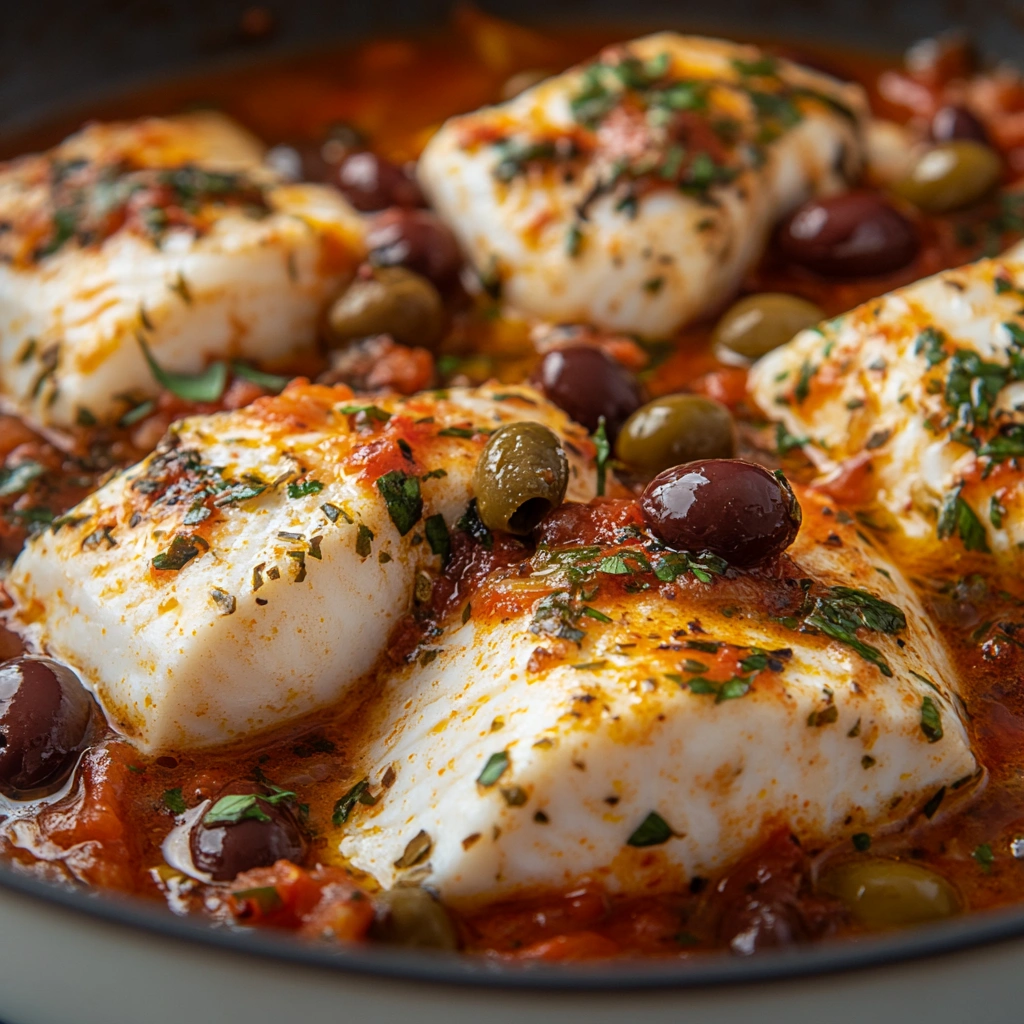
Fish Puttanesca
Fish Puttanesca is a bold, Mediterranean-inspired dish that brings together tender, flaky white fish with the briny, spicy flavors of classic puttanesca sauce. Simmered in a rich tomato base with olives, capers, garlic, and anchovies, this quick and easy dinner is perfect for busy weeknights or elegant entertaining. Served over pasta, grains, or on its own, this dish offers a healthy, low-carb option packed with flavor and nutrients.
Ingredients
- 4 tablespoons unsalted butter, cut into 4 pieces
- 6 cloves garlic, chopped
- 3 anchovy fillets
- ⅓ cup dry white wine, such as sauvignon blanc
- 1 (28-ounce) can whole tomatoes, preferably San Marzano, crushed
- ½ teaspoon dried oregano
- ½ teaspoon dried thyme
- ½ cup black or Castelvetrano olives (about 15 to 20), halved and pitted
- 2 tablespoons capers, drained
- 1 ½ pounds white fish, such as cod, halibut, or tilapia, skin removed, cut into 4 equal pieces
- ¾ teaspoon sea salt
- ¼ cup chopped fresh basil or flat leaf parsley, (optional)
- Red pepper flakes, for serving (optional)
Instructions
- Preheat the oven to 400°F with a rack in the center position.
- Melt the butter in a large ovenproof skillet or braising pan over medium heat. Once the butter is bubbling, add the garlic and anchovies. Cook, stirring to break up the anchovies, until fragrant 1 to 2 minutes.
- Stir in the wine and cook until slightly reduced, about 4 minutes. Add the tomatoes, oregano, and thyme. Bring the sauce to a simmer. Cook, stirring occasionally, for about 10 minutes, or until the tomatoes are broken down and the sauce begins to thicken. Stir in the olives and capers.
- Season the fish with salt. Add it to the skillet with the sauce. Transfer the skillet to the oven and cook until the fish is opaque and flakes easily with a fork, 8-10 minutes. See Note. Remove from the oven.
- Divide the fish among 4 plates. Spoon the sauce over the fish and sprinkle with basil and red pepper flakes, if using. Serve with garlic bread on the side if desired.