In this article
- What is Thai Red Curry?
- Key Ingredients for Thai Red Curry Dumpling Soup
- Best Dumplings to Use
- How to Make Easy Thai Red Curry Dumpling Soup
- Cooking Tips for the Perfect Soup
- Variations of Thai Red Curry Dumpling Soup
- How to Make Your Own Dumplings
- How to Store and Reheat Leftovers
- What to Serve with Thai Red Curry Dumpling Soup
- Nutritional Breakdown
- Common Mistakes to Avoid
- FAQs – People Also Ask
- Final Thoughts and Encouragement
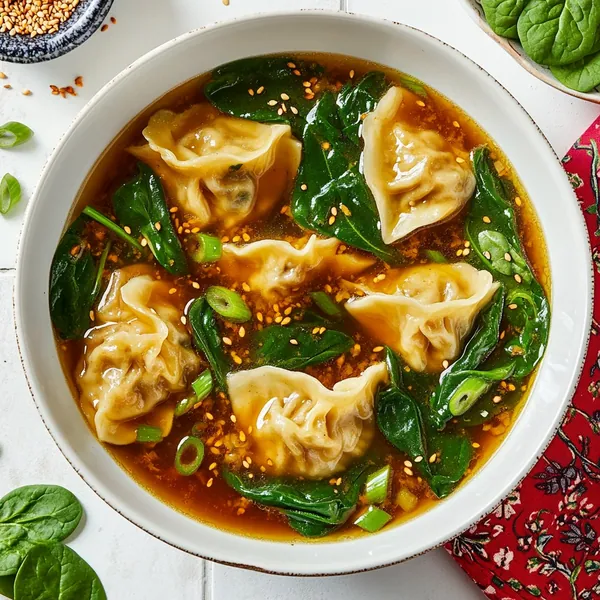
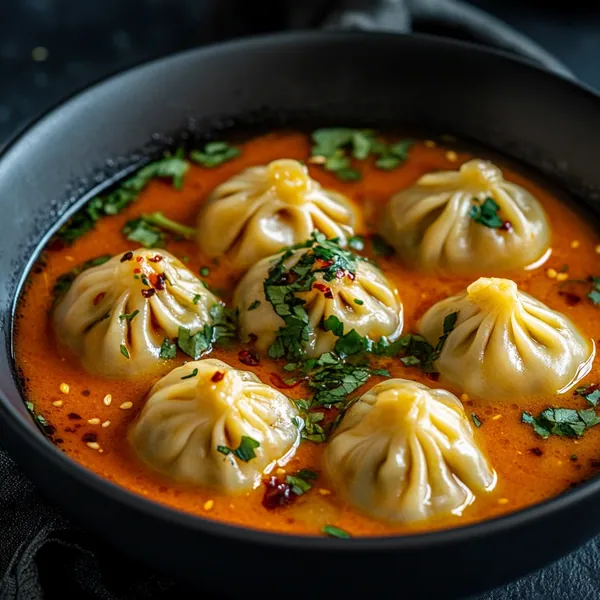
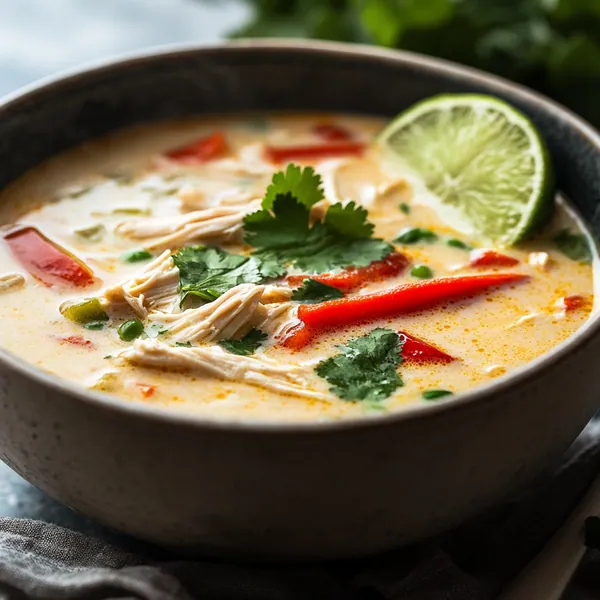
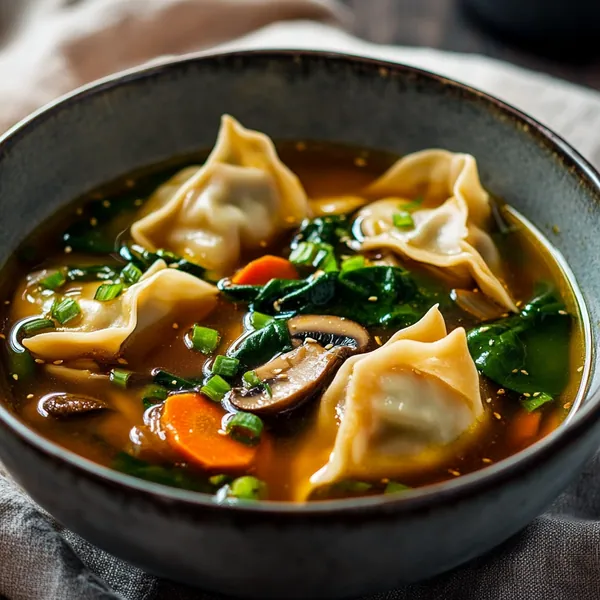
If you’re craving something warm, comforting, and full of bold, Southeast Asian flavor, Thai Red Curry Dumpling Soup is about to become your go-to dish. This fusion recipe brings together the rich, aromatic essence of Thai red curry and the tender, savory bite of dumplings—all in one steamy, satisfying bowl. Whether you’re a curry lover, a dumpling fan, or just someone looking for a quick weeknight dinner packed with flavor, this soup is both easy to make and deeply delicious.
What sets this soup apart is the perfect balance of creamy coconut milk, spicy red curry paste, and fresh herbs and vegetables. The curry broth is bold and fragrant, with hints of garlic, ginger, and lime juice cutting through the richness. Floating in that beautiful broth are juicy dumplings—either homemade or store-bought—bursting with your choice of pork, shrimp, chicken, or veggies.
This dish is incredibly flexible: you can keep it vegetarian or add your favorite protein, throw in whatever veggies you have on hand, and adjust the spice level to your liking. Best of all, it comes together in under 30 minutes, making it ideal for busy weeknights when you want something comforting but don’t want to spend hours in the kitchen.
Thai Red Curry Dumpling Soup is more than just a meal—it’s an experience. Spicy, creamy, hearty, and light all at once, it brings the best of Thai and Asian comfort food together in one beautiful, slurp-worthy bowl.
What is Thai Red Curry?
Thai red curry is one of the cornerstones of Thai cuisine, known for its bold, spicy, and deeply aromatic profile. At the heart of red curry is the red curry paste—a blend of red chili peppers, garlic, galangal, lemongrass, shallots, kaffir lime zest, coriander root, and shrimp paste. This vibrant paste is fried in oil to release its essential oils, then simmered with coconut milk to create a rich, creamy base that’s simultaneously spicy, sweet, and savory.
Compared to green curry (which is usually the hottest) and yellow curry (which is milder and often more fragrant with turmeric and cumin), red curry sits comfortably in the middle in terms of heat. It’s popular for its versatility and deep umami flavor, making it perfect for soups, stir-fries, noodle dishes, or stews.
In traditional Thai cuisine, red curry is typically paired with proteins like chicken, beef, tofu, or shrimp, along with a variety of vegetables like bamboo shoots, bell peppers, Thai eggplants, and Thai basil. However, it has become a popular base for fusion dishes as well—such as in Thai Red Curry Dumpling Soup.
The beauty of Thai red curry is how well it plays with other ingredients. It enhances the flavor of dumplings in this soup by providing a bold broth that seeps into the dumplings, enriching each bite. Whether you’re making an authentic Thai dish or experimenting with modern flavors, Thai red curry is a powerful, flexible ingredient that instantly elevates any recipe.
Key Ingredients for Thai Red Curry Dumpling Soup
Thai Red Curry Dumpling Soup comes together with a handful of essential ingredients that bring depth, heat, and balance to the dish. Understanding each component will help you customize the soup to suit your preferences and dietary needs.
1. Red Curry Paste
This is the heart of the soup’s flavor. Made from dried red chilies, garlic, lemongrass, galangal, and other Thai aromatics, the paste gives the soup its signature spice and aroma. Store-bought versions work great, but homemade paste can add a fresher, more customizable kick.
2. Coconut Milk
Coconut milk adds richness and creaminess to balance the heat of the curry paste. Use full-fat coconut milk for a silky texture and robust flavor.
3. Broth
Chicken or vegetable broth acts as the base for the soup, thinning out the coconut milk and carrying the flavors throughout. Use a low-sodium variety so you can control the saltiness.
4. Dumplings
Pre-made frozen dumplings make this recipe convenient. Choose from pork, chicken, shrimp, or vegetarian options. They absorb the broth’s flavor while holding their structure well.
5. Vegetables
Bok choy, mushrooms, bell peppers, and scallions add color, texture, and nutrition. These can be swapped based on what you have in your fridge.
6. Seasonings and Aromatics
Garlic, ginger, fish sauce (or soy sauce for a vegetarian option), and lime juice enhance the depth of flavor. A dash of sugar can help round out the salt and spice.
7. Fresh Herbs and Garnishes
Finish with Thai basil, cilantro, lime wedges, or chili oil for added brightness and spice.
Best Dumplings to Use
The dumplings are the soul-satisfying element in this soup, and the kind you choose will impact both flavor and texture. Fortunately, there’s a wide variety of options that work well.
Store-bought frozen dumplings are the easiest and most convenient choice. Look for Asian-style dumplings such as pork gyoza, chicken potstickers, or vegetable wontons. They cook directly in the simmering broth and soak up the curry flavors beautifully.
Shrimp dumplings pair especially well with the red curry’s richness and provide a slightly sweet contrast. For a lighter or vegetarian version, use tofu or mixed vegetable dumplings.
If you’re going for a homemade touch, you can make your own dumplings in advance and freeze them for quick use. Just be sure they’re sealed well and not too large, as they’ll need to cook evenly in the broth without falling apart.
Whether homemade or store-bought, use dumplings that complement the bold curry without overpowering it.

How to Make Easy Thai Red Curry Dumpling Soup
This soup is surprisingly quick and simple to prepare, especially when using pre-made dumplings. With just a few steps and about 30 minutes, you’ll have a deeply flavorful and warming meal.
Step 1: Sauté Aromatics
In a large pot or Dutch oven, heat a tablespoon of oil over medium heat. Add minced garlic and ginger, cooking until fragrant (about 30 seconds to 1 minute).
Step 2: Add Red Curry Paste
Stir in 2 to 3 tablespoons of Thai red curry paste, adjusting to your preferred spice level. Sauté for another minute, allowing the paste to release its oils and deepen in flavor.
Step 3: Build the Broth
Pour in one can of full-fat coconut milk and stir to combine with the curry paste. Add 3 to 4 cups of chicken or vegetable broth, depending on how thick or soupy you prefer it.
Step 4: Season the Soup
Add 1 to 2 tablespoons of fish sauce (or soy sauce for a vegetarian version), 1 teaspoon of sugar, and a generous squeeze of fresh lime juice. Taste and adjust for balance—aim for a harmony of salty, sour, sweet, and spicy.
Step 5: Add Vegetables
Add sliced mushrooms, chopped bok choy, or any other vegetables you like. Simmer for 5 to 7 minutes, until veggies are tender but still vibrant.
Step 6: Add Dumplings
Gently place frozen or fresh dumplings into the simmering broth. Cook according to package directions, usually 5 to 8 minutes, until fully cooked and heated through.
Step 7: Garnish and Serve
Ladle the soup into bowls and top with chopped scallions, Thai basil, cilantro, or chili oil. Serve with a wedge of lime for an extra pop of brightness.
This simple method delivers layers of flavor with minimal effort—perfect for cozy nights or quick dinners.
Cooking Tips for the Perfect Soup
-
Don’t boil the coconut milk – Boiling can cause it to separate. Simmer gently to keep the broth creamy and smooth.
-
Cook dumplings in the broth – This not only saves time, but also lets the dumplings absorb the curry flavor. Just don’t overcrowd the pot.
-
Balance your flavors – Thai cuisine is all about balance. If it’s too salty, add more lime or a pinch of sugar. If it’s too spicy, add more coconut milk.
-
Add lime juice at the end – This helps preserve its brightness and gives the soup a fresh finish.
-
Use fresh herbs generously – Thai basil or cilantro adds a fragrant, authentic touch.
-
Customize the vegetables – Use whatever is seasonal or in your fridge, just avoid overcooking to maintain texture.
-
Taste as you go – Adjusting as you cook is key to achieving the right balance of heat and flavor.
Variations of Thai Red Curry Dumpling Soup
One of the best things about Thai Red Curry Dumpling Soup is how versatile it is. Whether you’re adjusting for dietary needs or personal taste, there are plenty of ways to put your own spin on this dish.
1. Protein Swaps
Instead of pork or shrimp dumplings, try chicken, tofu, or even ground turkey versions. You can also add chunks of cooked chicken, shredded rotisserie meat, or extra-firm tofu directly to the soup.
2. Vegan & Vegetarian
For a completely plant-based version, use vegetable broth, vegan red curry paste (some contain shrimp paste), and plant-based dumplings. Soy sauce or tamari can replace fish sauce.
3. Extra Hearty
Add rice noodles or cooked jasmine rice to make it a more filling meal. You can also stir in a spoonful of peanut butter to create a richer, thicker broth.
4. Regional Flavor Twists
Add lemongrass and kaffir lime leaves for a more traditional Thai aroma. For a fusion twist, try topping the soup with crispy shallots or a drizzle of chili crisp.
5. Spice Level Adjustments
Use less curry paste or add extra coconut milk to tone down the heat. To spice it up, add chopped Thai chilies, chili oil, or Sriracha.
6. Low-Carb or Keto-Friendly
Swap dumplings with sliced zucchini, mushrooms, or tofu cubes. The flavor remains bold while reducing carbs.
Experimenting with ingredients not only keeps the dish exciting but allows you to cater to a wide range of tastes and diets.
How to Make Your Own Dumplings
Making your own dumplings is easier than it sounds and allows you to customize the filling to your liking. Here’s a basic method to get started:
1. Dumpling Wrappers:
Buy pre-made dumpling or wonton wrappers from any Asian market or grocery store. If you want to go homemade, a simple flour and water dough can do the trick, though it takes more time.
2. Filling Ideas:
Combine ground pork, chicken, shrimp, or tofu with minced garlic, ginger, green onions, soy sauce, and sesame oil. Add shredded cabbage or carrots for crunch.
3. Folding:
Place a spoonful of filling in the center of the wrapper, moisten the edges with water, and fold in half. Pinch to seal and pleat if desired.
4. Storage:
Freeze them on a tray before transferring to a freezer bag for up to 2 months. You can cook them straight from frozen—no thawing needed.
How to Store and Reheat Leftovers
Storing Thai Red Curry Dumpling Soup properly ensures that the flavor and texture stay intact when reheated.
Refrigeration:
Store leftover soup in an airtight container in the fridge for up to 3 days. If possible, separate the dumplings from the broth to prevent them from becoming overly soft.
Freezing:
For longer storage, freeze the broth and dumplings separately. The curry broth freezes well for up to 2 months. Dumplings can be frozen raw or pre-cooked. Do not freeze soup with added greens like bok choy, as they may turn mushy upon thawing.
Reheating:
Reheat the broth over medium heat on the stovetop until simmering. Add dumplings and vegetables just before serving to avoid overcooking. If reheating in the microwave, use a microwave-safe bowl and cover loosely to retain moisture. Stir halfway through to ensure even heating.
Proper storage keeps the soup just as flavorful and comforting the second time around.

What to Serve with Thai Red Curry Dumpling Soup
While this soup can easily stand alone as a meal, a few simple side dishes can elevate it into a well-rounded Thai-inspired dinner.
1. Jasmine or Sticky Rice
A scoop of steamed jasmine rice or sticky rice served on the side can soak up the flavorful broth and offer a satisfying contrast in texture.
2. Thai Cucumber Salad
This cool, refreshing salad with sliced cucumbers, red onions, and a tangy dressing balances out the heat of the curry and adds a crisp bite.
3. Spring Rolls or Summer Rolls
Serve with a sweet chili or peanut dipping sauce for an added layer of texture and flavor.
4. Thai Iced Tea or Coconut Water
To cool down the spice and complement the meal, a sweet, creamy Thai iced tea or chilled coconut water is the perfect beverage choice.
These sides add flavor contrast, crunch, or creaminess to round out your meal experience.
Nutritional Breakdown
Thai Red Curry Dumpling Soup is rich in flavor but can be tailored to fit a variety of nutritional goals. Here’s an approximate breakdown for a medium-sized serving (1.5 to 2 cups with 4–5 dumplings):
-
Calories: 400–500 kcal
-
Protein: 15–20g (depending on dumpling filling)
-
Fat: 20–30g (from coconut milk and dumplings)
-
Carbohydrates: 30–40g
-
Fiber: 3–5g
-
Sugar: 3–6g
Lighter version: Use light coconut milk and lean dumplings like chicken or veggie-filled options.
Higher protein: Add tofu or cooked chicken to increase protein content.
Low-carb version: Omit dumplings and add zucchini, mushrooms, or tofu cubes.
This soup can be adapted to be keto, paleo, or dairy-free depending on ingredients. Always check labels on store-bought curry paste and dumplings for allergens or additives.
Common Mistakes to Avoid
-
Boiling the coconut milk:
This can cause the broth to separate and become oily. Always simmer gently once coconut milk is added. -
Overcooking the dumplings:
Overcooked dumplings become mushy and fall apart. Follow the cooking time on the package and watch closely. -
Using too much curry paste:
More isn’t always better. Start with less and adjust to taste. Overpowering spice can mask the balance of flavors. -
Skipping acid:
Lime juice or rice vinegar adds brightness and cuts through the richness. Don’t skip it. -
Not seasoning the broth:
Red curry paste and coconut milk need salt, sugar, and umami (fish sauce or soy sauce) to balance properly. -
Adding all veggies at once:
Vegetables cook at different rates. Stagger additions based on cooking time for best texture.
Avoiding these mistakes will lead to a more balanced and restaurant-worthy bowl every time.
FAQs – People Also Ask
Can I use green or yellow curry paste instead of red?
Yes, you can substitute green or yellow curry paste, but keep in mind the flavor and spice levels will differ. Green curry is typically hotter, while yellow curry is milder and slightly sweeter.
Do I have to use full-fat coconut milk?
Full-fat coconut milk gives the soup a richer, creamier texture, but you can use light coconut milk for a lower-calorie option. Just note that the broth may be thinner.
Can I cook frozen dumplings directly in the soup?
Absolutely. No need to thaw frozen dumplings—they can go straight into the simmering broth. Just increase the cooking time slightly.
Is Thai red curry soup spicy?
It’s moderately spicy, but the heat can easily be adjusted. Use less curry paste for a milder version, or add more for extra heat. Coconut milk helps mellow the spice.
How can I thicken the soup?
Simmering longer will naturally reduce and thicken the broth. For a quicker method, stir in a small amount of cornstarch slurry or a spoonful of peanut butter.
Can I make this soup ahead of time?
Yes. Prepare the broth in advance and store separately from the dumplings. Reheat and combine when ready to serve for best texture and flavor.
Final Thoughts and Encouragement
Thai Red Curry Dumpling Soup is the perfect blend of comfort and spice, easy enough for a weeknight and bold enough to impress. Don’t be afraid to experiment with ingredients or make it your own. Once you try it, this flavorful, vibrant soup will become a regular in your rotation.

Easy Thai Red Curry Dumpling Soup
This Easy Thai Red Curry Dumpling Soup is a quick, flavorful fusion dish that combines the bold spices of Thai red curry with the comfort of dumplings in a creamy coconut broth. Ready in under 30 minutes, it’s perfect for busy weeknights, meal prep, or whenever you're craving something warm, cozy, and full of Southeast Asian flair. Made with store-bought or homemade dumplings, coconut milk, red curry paste, and fresh vegetables, this dish is easy to customize to suit any diet—vegan, vegetarian, or protein-packed.
Ingredients
- For the Soup Base:
- 1 tbsp vegetable oil
- 1 small onion chopped
- 1 red bell pepper sliced
- 2 cloves garlic minced
- 1 tbsp fresh ginger grated
- 3 tbsp Thai red curry paste
- 4 cups 1 liter vegetable broth
- 1 can 14 oz coconut milk
- 1 tbsp soy sauce
- 1 tsp brown sugar
- For the Dumplings and Garnish:
- 12 –15 frozen dumplings vegetarian, chicken, or pork
- 1 cup baby spinach or bok choy
- Fresh cilantro finely chopped (for garnish)
- Green onions finely chopped (for garnish)
- Lime wedges for serving
Instructions
Sauté Aromatics
- Heat 1 tbsp vegetable oil in a large pot over medium heat.
- Add the chopped onion and sliced red bell pepper, and cook for 3–4 minutes until softened.
Enhance the Flavor
- Stir in the minced garlic, grated ginger, and red curry paste.
- Cook for 1–2 minutes, stirring constantly, until the mixture is aromatic and well blended.
Build the Curry Base
- Pour in the vegetable broth, coconut milk, soy sauce, and brown sugar.
- Mix well to combine and bring the soup to a gentle simmer.
Add Dumplings
- Gently place the frozen dumplings into the simmering soup.
- Cook for 5–7 minutes or until the dumplings are thoroughly heated and tender.
Incorporate Greens
- Add the baby spinach or bok choy, stirring into the soup.
- Allow the greens to wilt for about 1 minute.
- Ladle the hot soup into bowls.
- Garnish with fresh cilantro, green onions, and serve with a lime wedge on the side for added zing.