Crispy Parmesan Roasted Cauliflower

Hamza

No Comments

Flavor Nest

Daily Delicious Creations 👩‍🍳


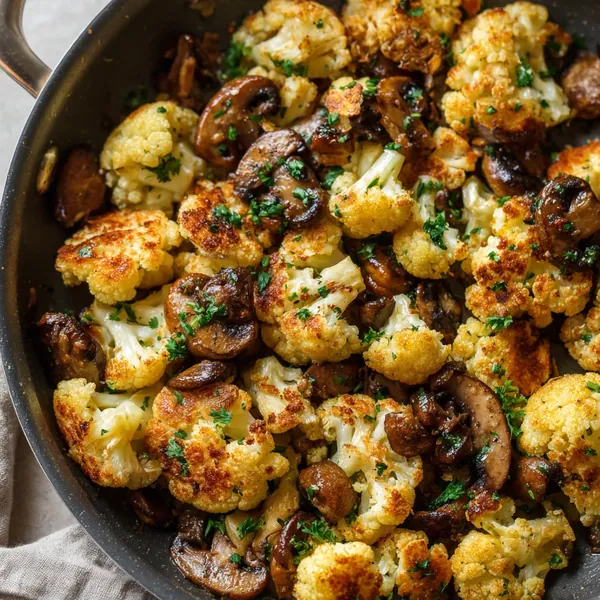
Crispy Parmesan Roasted Cauliflower transforms humble cauliflower florets into an irresistible side dish or snack. With a combination of high heat roasting and finely grated Parmesan, each bite offers a golden-brown exterior that gives way to a tender, flavorful interior. This recipe is perfect for home cooks seeking a healthier alternative to fried appetizers, yet craving the same satisfying crispness and savory punch. Not only is it straightforward to prepare—with minimal hands-on time and pantry-friendly ingredients—but it’s also endlessly adaptable. Whether you’re hosting a weeknight family dinner, meal-prepping for the week ahead, or entertaining guests, this dish scales easily and pairs beautifully with proteins, salads, or dips. In this guide, you’ll learn why roasting cauliflower elevates its flavor profile, how to select the best ingredients, the equipment you’ll need, and step-by-step techniques to ensure perfectly crisp florets every time. Let’s dive into the secrets behind mastering Crispy Parmesan Roasted Cauliflower.

Why Roast Cauliflower? 

Roasting cauliflower unlocks its natural sweetness and deepens its flavor through caramelization. Unlike steaming or boiling, which can leave florets waterlogged and bland, high-heat roasting evaporates excess moisture and encourages the Maillard reaction—the chemical browning that creates complex, savory notes. As the edges turn golden-brown, you achieve a delightful contrast between the crisp, slightly nutty exterior and the soft, buttery center. From a nutritional standpoint, roasting preserves more water-soluble vitamins (like vitamin C) compared to boiling, while using just a modest drizzle of heart-healthy oil keeps calories in check. Additionally, roasting simplifies cleanup: simply line a baking sheet with parchment paper, arrange your florets, and slide them into a hot oven. The result is a fuss-free technique that transforms a simple vegetable into a crave-worthy component of any meal, without resorting to deep frying or complicated preparations.

Key Ingredients 

  • Cauliflower: Select a firm, unblemished head with tightly packed florets. Medium-sized heads are easiest to cut uniformly, ensuring even roasting.

  • Parmesan Cheese: Freshly grated Parmigiano-Reggiano delivers superior flavor and crispness compared to pre-shredded varieties, which often contain anti-caking agents that inhibit browning. Aim for finely grated cheese so it adheres evenly.

  • Oil: Use oils with a high smoke point—extra-virgin olive oil adds fruitiness, while avocado or grape seed oil bring a neutral profile and tolerate higher temperatures without burning.

  • Seasonings: A simple blend of kosher salt and freshly ground black pepper forms the base. Garlic powder or minced fresh garlic enhances depth. For optional flair, include smoked paprika, onion powder, or dried herbs like oregano or thyme.

  • Cornstarch (Optional): A light dusting before oil helps wick moisture and create an even crispier crust.

Essential Equipment 

  • Baking Sheet: A rimmed, heavy-gauge sheet ensures even heat distribution.

  • Parchment Paper or Silicone Mat: Prevents sticking and simplifies cleanup.

  • Large Mixing Bowl: For uniform tossing of florets with oil, cheese, and seasonings.

  • Wire Rack (Optional): Elevates florets to promote airflow and maximum crispness.

Preparation Steps 

  1. Wash and Dry: Rinse the cauliflower under cold water, then pat completely dry with kitchen towels. Excess moisture prevents crisping.

  2. Trim and Cut: Remove outer leaves and core. Cut the head into uniform florets—approximately 1 to 1½ inches each—to ensure even cooking.

  3. Toss with Cornstarch (Optional): Lightly dust florets with cornstarch, shaking off any excess. This step draws out surface moisture and yields a drier, crisper crust.

  4. Season and Coat: In a large bowl, combine oil, grated Parmesan, salt, pepper, and any additional seasonings. Add florets and toss thoroughly until each piece is evenly coated.

  5. Arrange on Sheet: Spread the florets in a single layer on a parchment-lined baking sheet, leaving space between each piece to prevent steaming.

Roasting Process 

Preheat and Position

Begin by preheating your oven to 425°F (218°C). Position the rack in the upper-middle third of the oven; this hotter zone helps brown the cauliflower without overcooking the bottoms. Allow the oven to reach full temperature—using an oven thermometer can ensure accuracy, as many home ovens run slightly cool or hot.

First Roast Cycle

Slide the baking sheet onto the preheated rack and roast for 15–18 minutes. During this initial cycle, the cauliflower will soften as the interior steams and the exterior begins to brown. Resist the urge to open the oven frequently, as heat loss can prolong cooking time and reduce crispness.

Midway Flip

At the 15-minute mark, open the oven and use tongs or a thin, flexible spatula to gently flip each floret. This promotes even browning on all sides. Be careful not to overcrowd the pan; if florets are packed too tightly, they will steam instead of roast, leading to a soggier texture.

Second Roast Cycle

Return the sheet to the oven for an additional 8–12 minutes. Watch closely after the 8-minute point: you want the edges to turn a deep golden brown without tipping into burnt. Total roasting time typically ranges from 23 to 30 minutes, depending on floret size and oven variance.

Parmesan Finish

During the last 2–3 minutes of roasting, sprinkle a light additional dusting of grated Parmesan over the florets. The residual heat will melt the cheese, creating a crispy, lacy crust. If your oven has a broiler feature, switch to broil on high for 1–2 minutes—keeping the door ajar and standing close by—to intensify browning. Watch constantly; the difference between perfect crisp and burnt is mere seconds.

Rest and Serve

Once the cauliflower achieves your desired level of crispness, remove the baking sheet and transfer the florets to a wire rack set over a sheet pan. Allow them to rest for 3–5 minutes—this brief cooldown helps prevent trapped steam from softening the crust. Season immediately with a final pinch of salt or a squeeze of lemon juice for brightness.

Troubleshooting Tips

  • Soggy Florets: Ensure florets are fully dry before tossing. Reduce oil slightly and increase oven temperature by 10°F if safe for your equipment.

  • Burnt Tips: Lower the oven rack one position or reduce the broil time. Stir halfway through the broiling step to prevent localized scorching.

  • Uneven Browning: Cut florets as uniformly as possible. Rotate the baking sheet 180° at the midway flip to account for hot spots in your oven.

Secrets to Extra-Crisp Cauliflower 

Achieving next-level crispiness involves controlling moisture and maximizing surface contact with heat. First, dry your florets completely after washing: pat each piece with paper towels, then let them air-dry for 5–10 minutes. Moisture is the enemy of crispness, so this step cannot be skipped. Next, consider a light dusting of cornstarch—about one teaspoon per medium head of cauliflower. The starch absorbs residual surface water and forms a fine, dehydrating layer that promotes browning.

Use a large mixing bowl to toss florets evenly with oil, corn­starch, and seasonings; overcrowding prevents uniform coating. Arrange pieces in a single layer on your baking sheet, spacing florets at least half an inch apart. Good air circulation is key. If your oven allows, place a second empty baking sheet on the rack below to act as a heat reflector, intensifying radiant heat from beneath.

Roast at 425°F (218°C) for the bulk of cooking, then finish under the broiler for 1–2 minutes, watching closely to avoid burning. This final flash of intense heat crisps edges into lacy, golden shards. Alternatively, after the initial roast, transfer florets to a wire rack set over another sheet pan; raising them off the metal lets hot air circulate all around and prevents steaming on the underside.

For extra flavor and texture, add a pinch of fine-grind salt immediately upon removal from the oven to encourage a slight melting and recrystallization on the surface. Finally, let the cauliflower rest for 3–5 minutes on the wire rack before serving. This brief cooldown allows trapped steam to escape, preserving that coveted, shatter-crisp bite.

Flavor Variations & Add-Ins

Customizing your Parmesan roasted cauliflower keeps the dish fresh and exciting. Start with the basic recipe, then experiment with global spice blends or complimentary add-ins.

  1. Spicy Harissa Kick
    Toss in ½ teaspoon of harissa powder or paste when you mix oil and Parmesan. The North African chile blend adds warmth and a faint smokiness. Finish with a drizzle of plain yogurt mixed with a pinch of ground cumin.

  2. Herbaceous Italian
    Swap in 1 teaspoon of dried Italian seasoning (oregano, basil, rosemary) and fold in fresh chopped parsley after roasting. A squeeze of lemon and a handful of thinly sliced sun-dried tomatoes brighten each bite.

  3. Curry-Style Cauliflower
    Stir 1½ teaspoons of mild curry powder and ½ teaspoon of turmeric into the oil mixture. After roasting, sprinkle with fresh cilantro and serve alongside yogurt raita or mango chutney for an Indian-inspired plate.

  4. Smoky Paprika & Bacon
    Add ½ teaspoon smoked paprika to your seasoning mix and toss in 2 tablespoons of crisped, crumbled bacon after roasting. The smoky pork bits create a salty contrast to tender cauliflower.

  5. Cheesy Variations
    Replace Parmesan with Pecorino Romano or aged Asiago for sharper flavor. For a dairy-free option, use nutritional yeast (2 tablespoons) mixed with 1 tablespoon of chickpea flour to mimic a cheesy crust.

  6. Fresh Finishes
    Right before serving, sprinkle with toasted pine nuts, chopped scallions, or microgreens. A squeeze of lime or drizzle of balsamic glaze elevates the final presentation and flavor complexity.

Each of these variations maintains the essential crisp-and-tender texture while introducing new tastes. Mix and match seasonings, toppings, and garnishes to create a signature version that complements your menu.

Serving Suggestions & Pairings 

Crispy Parmesan roasted cauliflower shines alongside proteins, in salads, or as a standalone snack. Pair it with grilled chicken or pan-seared salmon to balance its rich, savory notes. For a vegetarian meal, serve over mixed greens tossed in lemon-garlic vinaigrette and top with halved cherry tomatoes. As an appetizer, arrange florets around a bowl of marinara sauce or tangy yogurt dip.

Transform leftovers into a warm grain bowl by adding quinoa, roasted beets, and feta crumbles. Complement the dish with a glass of crisp Sauvignon Blanc—its bright acidity cuts through the cheese—or a light Belgian witbier, whose subtle spice echoes the cauliflower’s caramelized edges. For a casual snack, load florets onto small skewers and serve alongside a smoky chipotle-lime aioli. Versatile and flavorful, this cauliflower works in both elegant dinners and relaxed gatherings.

Nutritional Information 

A one-cup serving (about 100 grams) of crispy Parmesan roasted cauliflower contains approximately 120 calories, with 7 g of fat, 8 g of carbohydrates, 3 g of fiber, and 6 g of protein—thanks largely to the Parmesan cheese. The dish provides roughly 60 mg of calcium (6% DV) and 45 mg of vitamin C (50% DV), making it a nutrient-dense alternative to fried snacks.

Compared to deep-fried versions, this roasted recipe cuts calories by about 40% and reduces unhealthy trans fats. Olive or avocado oil contributes heart-healthy monounsaturated fats, while cauliflower itself delivers antioxidants like glucosinolates and isothiocyanates, which have been linked to anti-inflammatory benefits. Adjusting the oil or cheese amounts can further tailor the calorie count: use 1 tablespoon of oil and ¼ cup Parmesan for a slightly leaner profile, or swap half the cheese for nutritional yeast to lower saturated fat while preserving umami richness.

Storage & Reheating Tips 

To maintain crispness, cool roasted florets on a wire rack until room temperature before storing. Transfer them to an airtight container, layering pieces with parchment paper to absorb any residual moisture. Stored this way, cauliflower stays fresh in the refrigerator for up to three days.

When reheating, avoid the microwave, which renders florets soggy. Instead, preheat your oven to 400°F (204°C)—or set an air fryer to 375°F (190°C). Spread cauliflower on a baking sheet or air-fryer basket in a single layer. Reheat for 5–7 minutes (oven) or 3–5 minutes (air fryer) until interior warmth returns and edges crisp up again. For an extra broiler finish, switch to broil for 1 minute, watching closely to prevent charring.

If you plan to prep ahead, cut and season florets the night before, then store them raw in the fridge. Roast them directly from cold; they may need an extra 3–5 minutes to achieve full color and crunch.

Frequently Asked Questions 

Q: Can I use pre-shredded Parmesan?
A: Pre-shredded cheese often contains anti-caking agents that inhibit melting and browning. Freshly grated Parmigiano-Reggiano yields a crisper, more flavorful crust.

Q: How do I make it dairy-free?
A: Substitute ¼ cup nutritional yeast plus 1 tablespoon chickpea flour for the Parmesan. The yeast provides umami while the flour adds crisping starch.

Q: What oven temperature is best?
A: Roasting at 425°F (218°C) balances thorough cooking and browning. Lower temperatures may soften cauliflower without crisping.

Q: Can I prep ahead?
A: Yes—cut and toss florets with oil and seasonings up to 24 hours in advance. Keep them in an airtight container; roast from chilled, adding 3–5 extra minutes as needed.

Q: Is an air-fryer method interchangeable?
A: Absolutely. Air-fry at 375°F (190°C) for 12–15 minutes, shaking halfway. You may skip the broiler step.

Conclusion 

Crispy Parmesan Roasted Cauliflower offers a healthful yet indulgent spin on a classic vegetable, marrying golden-brown crunch with nutty, savory cheese notes. By mastering moisture control—through thorough drying, optional cornstarch dusting, and strategic roasting techniques—you elevate ordinary florets into a snack or side worthy of any table. Armed with global seasoning variations, serving ideas, and make-ahead strategies, you can adapt this versatile dish for weeknight dinners, party platters, or meal-prep menus. Nutritionally, it packs fiber, protein, and vitamins with fewer calories than fried alternatives, proving that crave-worthy can also be wholesome. Whether you favor the simplicity of garlic and Parmesan or the bold flavors of curry and harissa, these methods ensure consistently crunchy results. Embrace experimentation: adjust herbs, citrus, or cheese varieties to suit your palate. The next time you crave comfort or seek to impress guests, let this easy, customizable recipe deliver maximum flavor and texture with minimal effort. Enjoy every crispy, cheesy bite!

Print
clock clock iconcutlery cutlery iconflag flag iconfolder folder iconinstagram instagram iconpinterest pinterest iconfacebook facebook iconprint print iconsquares squares iconheart heart iconheart solid heart solid icon

Crispy Parmesan Roasted Cauliflower


  • Author: Hamza

Description

Turn ordinary cauliflower into an extraordinary side dish or snack with this Crispy Parmesan Roasted Cauliflower recipe. Tender florets are tossed in a light coating of oil, finely grated Parmesan, and simple seasonings, then roasted at high heat until golden-brown and irresistibly crunchy. The result is a perfect balance of nutty, savory cheese flavor and caramelized edges that pair beautifully with proteins, salads, or dipping sauces. Whether you’re feeding a crowd, meal-prepping for the week, or simply craving a healthier alternative to fried appetizers, this easy, hands-off method delivers consistent, crave-worthy results every time.


Ingredients

Scale
  • 1 large head of cauliflower cut into bite-sized florets
  • 3 tablespoons olive oil
  • ½ teaspoon salt
  • ½ teaspoon black pepper
  • 1 teaspoon garlic powder
  • ½ teaspoon smoked paprika optional for extra flavor
  • ½ cup 0.25 lbs grated Parmesan cheese
  • 2 tablespoons chopped fresh parsley for garnish, optional

Instructions

  • Preheat Oven:
  • Preheat to 425°F (220°C).
  • Line a baking sheet with parchment paper or foil for easy cleanup.
  • Season the Cauliflower:
  • In a large bowl, toss cauliflower florets with olive oil, salt, pepper, garlic powder, and paprika until evenly coated.
  • Add the grated Parmesan and toss again to coat the florets with the cheese.
  • Roast:
  • Spread cauliflower in a single layer on the prepared baking sheet.
  • Roast for 25–30 minutes, flipping halfway through, until the edges are golden brown and crispy.
  • Serve:
  • Sprinkle with fresh parsley before serving if desired.
  • Serve hot as a side dish or enjoy it as a snack with your favorite dipping sauce!

Notes

  • Dry Thoroughly: After washing, pat florets completely dry and let them air-dry for several minutes. Excess moisture will steam the cauliflower and prevent crisping.
  • Uniform Size: Cut florets into similar-sized pieces (about 1–1½ inches) to ensure even cooking.
  • Cornstarch Boost: For extra crunch, dust florets with a teaspoon of cornstarch before adding oil and cheese. Shake off any excess.
  • Single Layer: Arrange florets with space between them on the baking sheet. Crowding leads to steaming instead of roasting.
  • Finishing Broil: In the last 1–2 minutes, switch the oven to broil (or move the rack higher) to deepen browning—watch closely to avoid burning.
  • Wire Rack Rest: Transfer roasted cauliflower to a wire rack for 3–5 minutes before serving. This allows steam to escape and keeps the crust crisp.
  • Make-Ahead Prep: Trim and season florets up to 24 hours in advance. Store in an airtight container and roast from chilled, adding 3–5 minutes to the cooking time.
  • Dairy-Free Option: Substitute ¼ cup nutritional yeast + 1 tablespoon chickpea flour for Parmesan to retain umami and crisp texture.

Leave a Comment

Recipe rating