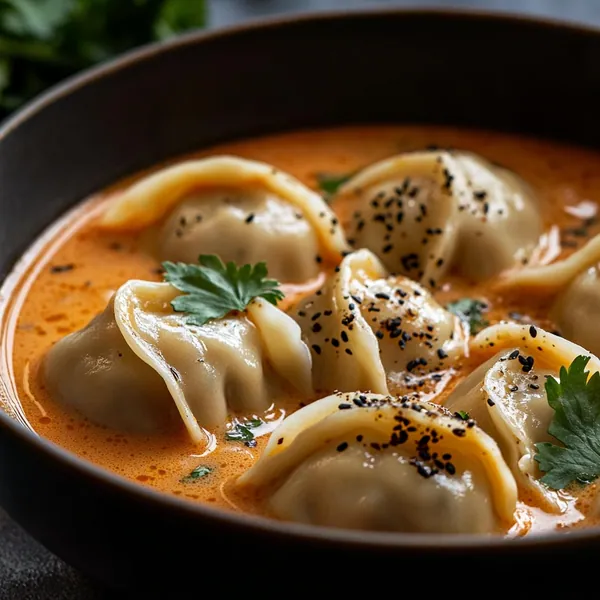
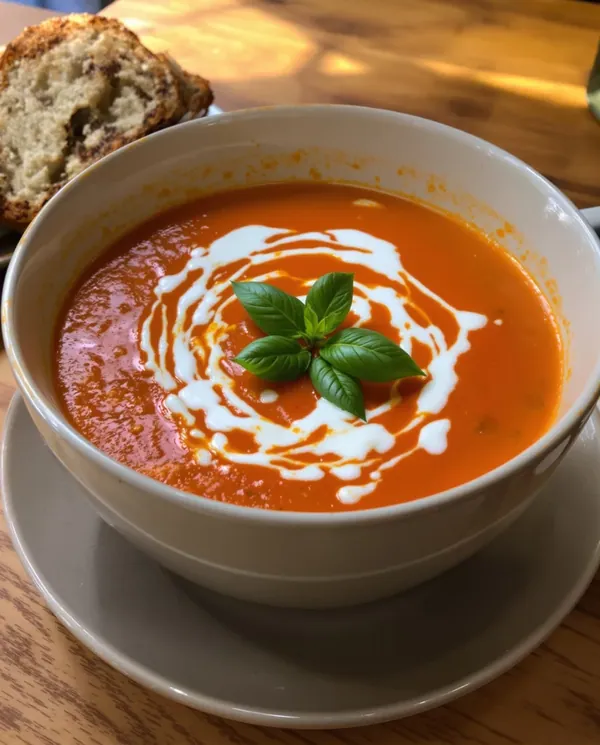
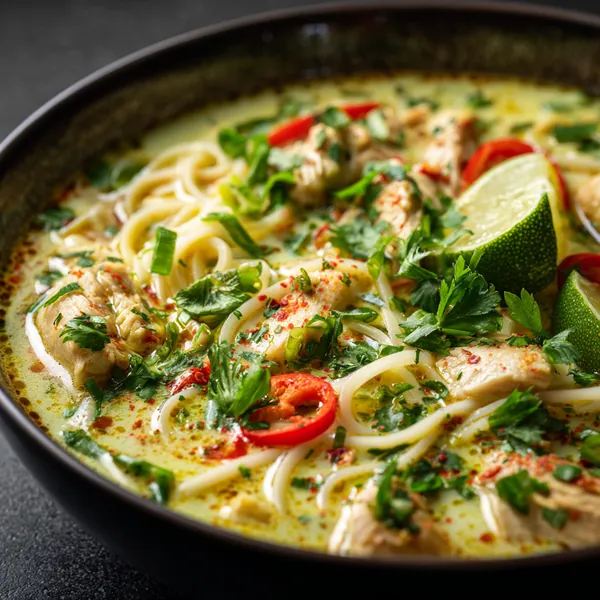
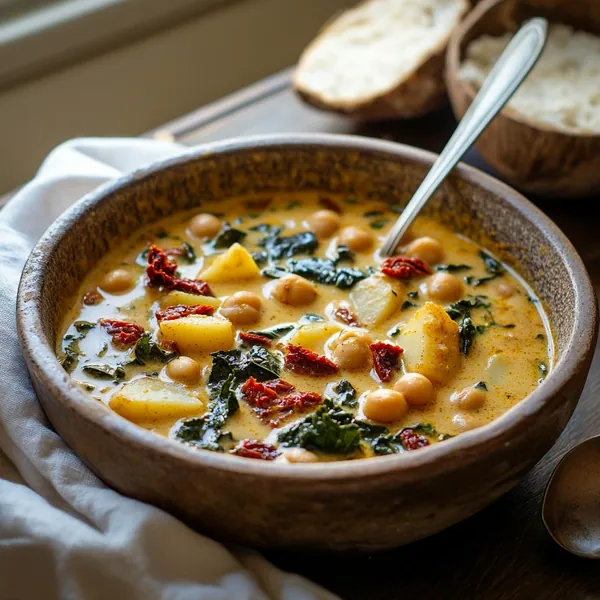
Creamy Thai Coconut Soup, commonly known as Tom Kha, is a comforting, aromatic dish that blends the rich creaminess of coconut milk with the vibrant flavors of Thai herbs and spices. This soup is beloved for its complex flavor profile—simultaneously tangy, spicy, salty, and slightly sweet. Whether served as a starter or a main dish, it showcases the balance and harmony that defines Thai cuisine.
The base of the soup typically includes galangal, lemongrass, kaffir lime leaves, and Thai chilies, giving it a distinct herbal and citrusy aroma. Coconut milk provides a velvety richness that sets it apart from other brothy soups. Traditionally made with chicken (Tom Kha Gai), it also adapts well to shrimp, mushrooms, or tofu for vegetarian and vegan variations.
Easy to prepare yet deeply flavorful, Creamy Thai Coconut Soup is a staple in Thai households and a popular choice in Thai restaurants around the world.
History and Origins of Thai Coconut Soup (Tom Kha)
Tom Kha literally translates to “boiled galangal” in Thai, referencing one of its most important ingredients. The dish originates from central Thailand and has been a part of Thai culinary tradition for centuries. It evolved from a more rustic chicken and coconut milk soup known as Tom Kha Gai, which became widely popular due to its soothing qualities and balanced flavor.
Historically, the dish was prepared with local herbs such as galangal, lemongrass, and kaffir lime leaves—ingredients that were widely available in rural Thai regions. These herbs not only added flavor but were also valued for their medicinal properties. As Thailand’s cuisine gained international acclaim, Tom Kha became one of its signature dishes, often featured alongside Tom Yum, its spicier cousin.
Over time, variations of the soup emerged, including seafood-based versions like Tom Kha Goong (with shrimp) and vegetarian renditions for broader appeal. Despite modern adaptations, the essence of the soup—coconut milk infused with Thai aromatics—remains unchanged, making it both a nostalgic and contemporary favorite in Thai cooking.
Understanding the Key Ingredients
The flavor of Creamy Thai Coconut Soup depends heavily on the combination of fresh, aromatic ingredients. Each component plays a vital role in creating the soup’s unique balance of taste and aroma.
Coconut Milk
Coconut milk is the foundation of the soup’s creamy texture. Full-fat coconut milk is preferred for its richness, though light coconut milk can be used for a lower-fat version. Quality matters—look for brands without added stabilizers or sweeteners, or consider making it fresh from shredded coconut and water.
Galangal vs. Ginger
Galangal is a rhizome related to ginger but with a more citrusy, piney flavor. It is a defining ingredient in Tom Kha and offers a sharper, more aromatic punch than regular ginger. If galangal is unavailable, fresh ginger can be used as a substitute, though the flavor will be noticeably different.
Lemongrass and Kaffir Lime Leaves
These herbs are essential for their bright, citrusy notes. Lemongrass should be bruised or sliced to release its oils, while kaffir lime leaves can be torn to enhance flavor. Together, they lift the soup and balance the creaminess of the coconut milk.
Thai Chilies and Fish Sauce
Thai bird’s eye chilies provide heat and intensity. The level of spice can be adjusted to taste. Fish sauce brings deep umami flavor and saltiness. For vegetarian or vegan versions, soy sauce or coconut aminos are suitable alternatives.
Protein Choices
Traditional Tom Kha Gai includes sliced chicken, but shrimp, tofu, or mushrooms are popular alternatives. These proteins absorb the broth well and complement the creamy, tangy flavors.
Each ingredient in Tom Kha works harmoniously to deliver a flavorful, comforting experience that is quintessentially Thai.

How to Make Creamy Thai Coconut Soup (Step-by-Step Recipe)
Making Creamy Thai Coconut Soup at home is surprisingly easy and can be completed in under 30 minutes. Below is a basic version of Tom Kha Gai, which you can adapt to suit your preferences.
Ingredients:
-
2 cups full-fat coconut milk
-
1 cup chicken or vegetable broth
-
1 stalk lemongrass, bruised and chopped
-
4 slices fresh galangal (or ginger, if unavailable)
-
3–4 kaffir lime leaves, torn
-
1–2 Thai bird’s eye chilies, smashed (adjust to taste)
-
200 g chicken breast, thinly sliced (or tofu/mushrooms)
-
1 cup mushrooms (e.g., oyster or button)
-
2 tablespoons fish sauce (or soy sauce for vegetarian)
-
1 tablespoon lime juice
-
1 teaspoon palm sugar (or brown sugar)
-
Fresh cilantro and lime wedges for garnish
Instructions:
-
Prepare the aromatics: In a pot over medium heat, combine coconut milk and broth. Add lemongrass, galangal, kaffir lime leaves, and chilies. Simmer gently for 5–7 minutes to infuse the liquid with flavor.
-
Add mushrooms and protein: Add mushrooms and chicken slices (or tofu). Simmer for another 10 minutes until the chicken is cooked through. Do not boil aggressively, as this can curdle the coconut milk.
-
Season the soup: Stir in fish sauce, sugar, and lime juice. Taste and adjust seasoning—add more fish sauce for saltiness, lime juice for tang, or chilies for heat.
-
Finish and serve: Remove the lemongrass, galangal, and lime leaves before serving. Ladle into bowls and garnish with fresh cilantro and lime wedges.
Tips:
-
Avoid high heat to keep the coconut milk from separating.
-
If reheating, warm slowly over low heat.
-
Use fresh herbs for the best flavor.
This homemade Tom Kha recipe offers a perfect blend of creaminess, spice, and tang—bringing the essence of Thailand to your kitchen.
Popular Variations of Thai Coconut Soup
While the classic version of Thai coconut soup, known as Tom Kha Gai, features chicken in a creamy, herb-infused coconut broth, the dish has inspired many variations to suit different tastes and dietary preferences. These variations maintain the core flavors—aromatic herbs, coconut milk, and a balance of sour, spicy, and savory—but adapt the protein or spice levels.
Tom Kha Gai (Chicken Coconut Soup)
This is the most well-known version. Thinly sliced chicken breast or thigh is gently simmered in the coconut broth, absorbing the flavors of galangal, lemongrass, and lime. It’s tender, rich, and perfectly balanced, making it a go-to comfort dish in Thai cuisine.
Tom Kha Goong (Shrimp Coconut Soup)
This variation replaces chicken with shrimp. The shrimp are added near the end of cooking to prevent overcooking and rubbery texture. Their natural sweetness complements the tangy, spicy broth, making it a lighter but equally flavorful option.
Tom Kha Hed (Mushroom Coconut Soup)
Popular among vegetarians, this version uses a mix of mushrooms such as oyster, shiitake, or button mushrooms. Mushrooms provide a meaty texture and absorb the rich coconut flavors well. Vegetable broth and soy sauce or tamari can be used to keep the dish vegan.
Vegan Tom Kha
Vegan versions use tofu as the protein and skip fish sauce in favor of soy sauce or coconut aminos. Adding extra vegetables like baby corn, bok choy, or spinach can make it a heartier main course. The balance of flavors remains true to the original, even without animal products.
Spicy vs. Mild Versions
Heat levels can vary widely. Thai bird’s eye chilies offer intense spice, but milder versions omit the seeds or use less pungent chilies like serranos. A drizzle of chili oil on top can offer spice without overwhelming the broth.
These variations allow Thai coconut soup to appeal to a wide audience. Whether you prefer meat, seafood, or plant-based options, there’s a version of Tom Kha to match your dietary needs and flavor preferences.
What to Serve with Thai Coconut Soup
Thai coconut soup is flavorful and filling on its own, but it pairs well with a variety of Thai-inspired sides that complement its creamy, tangy profile.
Steamed Jasmine Rice
A classic and neutral pairing, jasmine rice soaks up the rich broth and adds a satisfying texture contrast. It’s ideal for making the soup into a full meal.
Sticky Rice
Sticky rice is a traditional favorite in northern Thailand and pairs especially well with spicier versions of the soup. Its chewy texture complements the smooth, creamy base.
Thai Spring Rolls
Crispy vegetarian or shrimp spring rolls served with sweet chili dipping sauce add crunch and contrast to the creamy soup.
Papaya Salad (Som Tum)
This tangy, spicy salad made from green papaya, lime juice, and peanuts offers a refreshing counterpoint to the richness of the soup.
Thai Iced Tea or Lemongrass Drink
To balance the spice and enhance the overall dining experience, pair the soup with a sweet Thai iced tea or a chilled lemongrass drink.
Fresh Garnishes
Serve with lime wedges, fresh cilantro, Thai basil, or sliced green onions for additional flavor and color.
Combining these sides with Tom Kha elevates it into a complete and memorable Thai meal.

Storage, Reheating & Make-Ahead Tips
Storage
Thai coconut soup stores well in the refrigerator for up to 3–4 days. Place cooled soup in an airtight container to preserve its flavor and freshness. If your soup contains seafood, consume it within 2 days for best quality.
Freezing
While it’s possible to freeze Tom Kha, the texture of the coconut milk may change upon thawing, becoming slightly grainy or separated. To reduce this, allow the soup to cool completely before freezing, and avoid overcooking the ingredients prior to freezing. Freeze in portion-sized containers for easy reheating.
Reheating
Reheat gently on the stovetop over low to medium heat, stirring often. Avoid boiling the soup, as this can cause the coconut milk to curdle or separate. If using a microwave, heat in 30-second intervals and stir frequently to maintain texture.
Make-Ahead Tips
To prepare in advance, you can make the broth base (coconut milk, herbs, and seasoning) a day ahead. Store proteins and vegetables separately and add them just before serving. This prevents overcooking and ensures a fresh taste and texture when serving later.
Proper handling and gentle reheating help maintain the soup’s creamy consistency and aromatic profile even after storage.
Health Benefits and Nutritional Value
Thai coconut soup is more than just delicious—it also offers a range of health benefits when made with quality, whole-food ingredients.
Coconut Milk
Full-fat coconut milk contains medium-chain triglycerides (MCTs), which may support metabolism and provide a quick source of energy. It’s also dairy-free, making it suitable for lactose-intolerant individuals. However, it is high in saturated fat, so portion control is important.
Herbs and Aromatics
Galangal, lemongrass, and kaffir lime leaves are not only flavor enhancers but also provide antioxidant and anti-inflammatory properties. Galangal, in particular, has been used in traditional medicine for digestive issues and immune support.
Protein Options
Chicken, shrimp, and tofu provide lean protein, essential for muscle repair and maintenance. Mushrooms add fiber and plant-based nutrients, supporting gut health and immunity.
Low in Carbohydrates
The soup is naturally low in carbohydrates, especially when consumed without rice or noodles, making it a good option for low-carb or keto-style diets.
Customizable Nutrition
The soup can be made gluten-free by using tamari or coconut aminos in place of soy or fish sauce. You can also add nutrient-rich vegetables like spinach, carrots, or bell peppers for an extra dose of vitamins and fiber.
Overall, Thai coconut soup can be a nourishing, well-balanced dish when made with fresh ingredients and consumed in moderation.
FAQs Based on “People Also Ask”
What does Thai coconut soup taste like?
Thai coconut soup has a rich, creamy texture from the coconut milk, balanced with the bright, citrusy flavors of lemongrass and lime. It’s slightly sweet, tangy, and can range from mild to very spicy depending on the chili content.
Is Thai coconut soup good for you?
Yes, when made with whole ingredients, it can be a nutritious meal. It offers healthy fats, lean protein, and immune-supporting herbs like galangal and kaffir lime. However, due to its coconut milk base, it is high in saturated fats and should be eaten in moderation.
How do you make Thai soup less spicy?
To reduce the spice, remove chili seeds before adding, use fewer chilies, or substitute milder peppers. You can also add extra coconut milk or a small amount of sugar to neutralize the heat.
What’s the difference between Tom Yum and Tom Kha?
Tom Yum is a clear, spicy and sour Thai soup made without coconut milk, while Tom Kha is creamier due to the addition of coconut milk. Tom Yum typically has a sharper, spicier flavor, whereas Tom Kha is more mellow and rich.
Can I use regular milk instead of coconut milk?
Regular milk is not recommended as a substitute due to its different consistency and flavor. It lacks the richness and tropical flavor of coconut milk and may curdle when combined with acidic ingredients like lime juice.
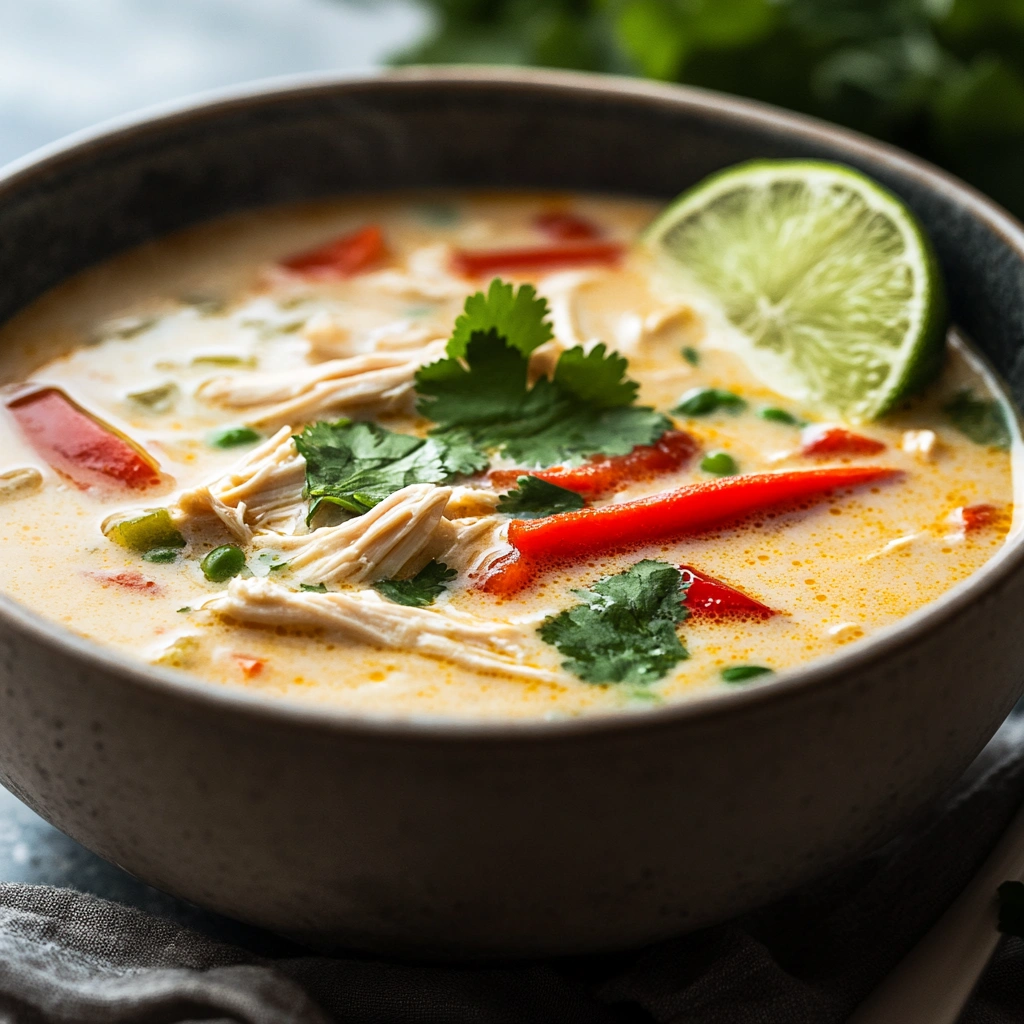
Creamy Thai Coconut Soup
This Creamy Thai Coconut Soup, known as Tom Kha, is a rich and flavorful Thai soup made with coconut milk, fresh herbs like lemongrass and galangal, and your choice of protein such as chicken, shrimp, or tofu. It's the perfect balance of creamy, tangy, spicy, and savory—comforting and deeply aromatic. Whether you're cooking a quick weeknight dinner or impressing guests with homemade Thai cuisine, this soup is simple to prepare in under 30 minutes and endlessly adaptable. Serve it as a light main or a fragrant starter alongside jasmine rice or crispy spring rolls.
Ingredients
- 1 lb boneless, skinless chicken breasts
- 4 cups chicken broth
- 1 can (14 oz) coconut milk
- 2 tablespoons red curry paste
- 1 tablespoon fish sauce
- 1 onion, diced
- garlic cloves, minced
- red bell pepper, sliced
- 1 lime, juiced
- Fresh cilantro for garnish
Instructions
- Step 01: Add the chicken, chicken broth, coconut milk, red curry paste, fish sauce, diced onion, minced garlic, and sliced red bell pepper to the Crockpot.
- Step 02: Cook on low for 6-7 hours or on high for 3-4 hours until the chicken is fully cooked.
- Step 03: Remove the chicken from the Crockpot and shred it using two forks. Return the shredded chicken to the soup.
- Step 04: Stir in the lime juice for a bright, fresh flavor. Serve the soup garnished with fresh cilantro.